
To prevent soap scum build-up, regularly spray your shower surfaces with a mixture of equal parts vinegar and water after each use. Vinegar breaks down mineral deposits and soap residue before they settle, making cleaning much easier. Spray evenly on tiles, glass, and fixtures, then wipe or squeegee off excess moisture. Keep up with daily habits like rinsing and drying your shower to maintain a soap scum-free space—discover more tips to keep your shower spotless.
Key Takeaways
- Spray a vinegar-water mixture on shower surfaces after each use to prevent mineral buildup.
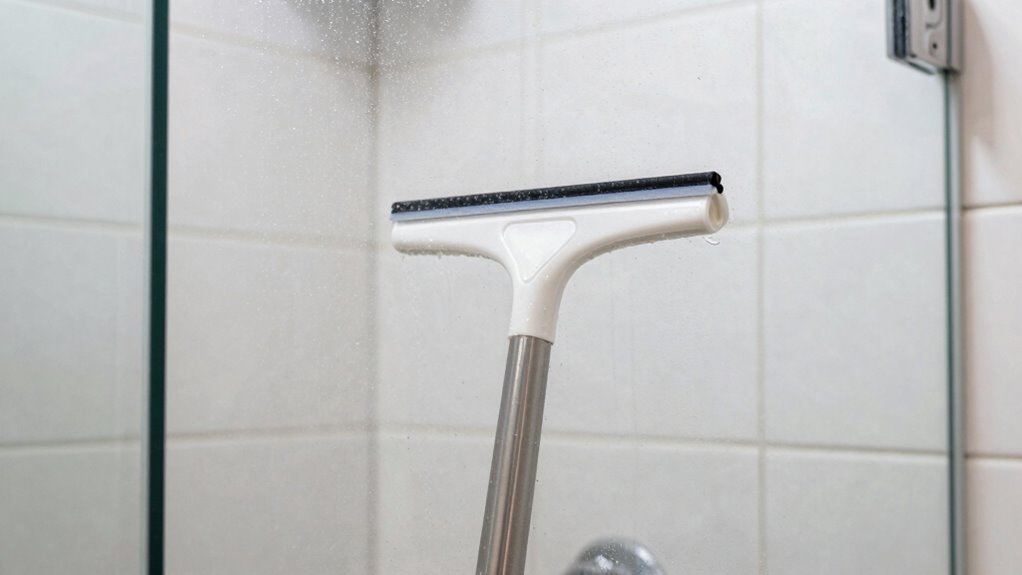
- Use a squeegee or microfiber cloth daily to remove excess water and soap residue.
- Regularly clean fixtures and grout lines with vinegar to prevent soap scum adhesion.
- Maintain proper drainage and dry surfaces to reduce standing water that fosters scum formation.
- Schedule routine deep cleaning with vinegar-based solutions to keep surfaces consistently soap scum free.
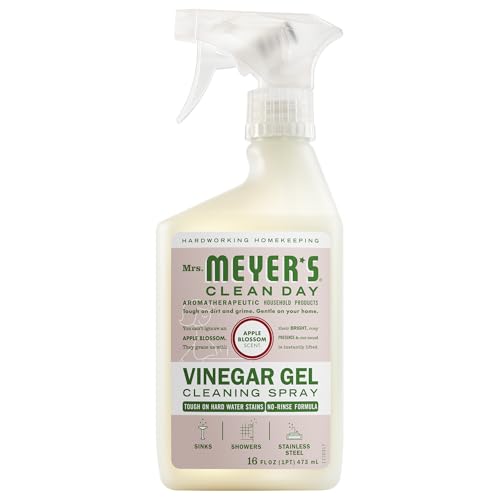
MRS. MEYER'S CLEAN DAY Vinegar Gel Cleaning Spray, Bathroom Use, No-Rinse Formula, Apple Blossom, 16 Fl Oz, Pack of 1
- Effective grime removal: Breaks down and lifts dirt
- No-rinse formula: Leaves surfaces bright and shiny
- Fresh Apple Blossom scent: Delicately sweet, garden-inspired fragrance
As an affiliate, we earn on qualifying purchases.
As an affiliate, we earn on qualifying purchases.
What Causes Soap Scum and Why Does It Build Up?
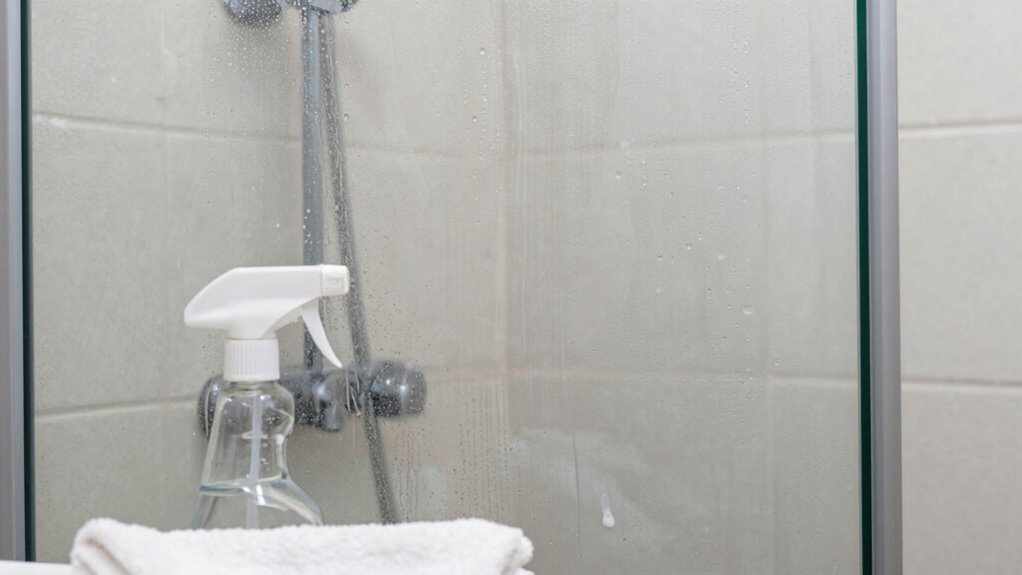
Soap scum forms when soap and mineral-rich water react, creating a sticky, filmy residue that clings to your shower surfaces. Hard water contains high levels of minerals like calcium and magnesium, which react with soap to produce soap scum. Over time, detergent residue from cleaning products and soap builds up, making the problem worse. When you use soap or body wash, the minerals in hard water combine with the soap’s ingredients, forming insoluble compounds that stick to tiles, glass, and fixtures. This buildup not only dulls the appearance of your shower but also makes cleaning more difficult. The combination of mineral deposits and residual detergents creates the persistent, stubborn film known as soap scum. Understanding mineral deposits helps you take steps to prevent it, and applying appropriate cleaning techniques can further reduce its accumulation. Regularly using water softeners or filters can also significantly minimize mineral content in water, reducing soap scum formation. Additionally, preventative measures like wiping down surfaces after each use can help keep soap scum at bay.

ALFLOD 2PACK Shower Squeegee for Glass Doors, Squeegee for Shower Glass,All-Purpose Tile Walls, Bathroom, Window, Glass and Car Windshield, Mirrors and Kitchen-Stainless Steel, 10 Inches, Silver
- Versatile All-Purpose Tool: Cleans shower doors, windows, tiles, and more
- Soft Rubber Blade: Easily removes water and residue
- Ergonomic Handle: Comfortable, lightweight grip for control
As an affiliate, we earn on qualifying purchases.
As an affiliate, we earn on qualifying purchases.
How to Use Vinegar Water to Prevent Soap Scum
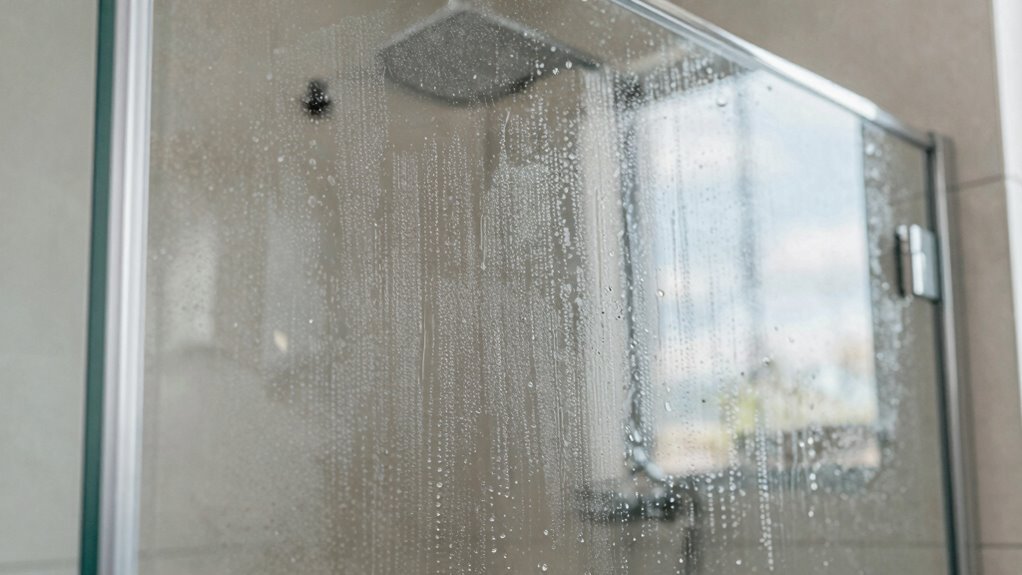
Vinegar water is an effective, natural way to prevent soap scum from forming in your shower. Its benefits include breaking down minerals and soap residue before they have a chance to accumulate, making shower maintenance easier. To use it, mix equal parts white vinegar and water in a spray bottle. After each shower, spritz the solution on walls, glass doors, and fixtures. Let it sit for a few minutes to loosen any developing buildup. Wiping down with a squeegee or cloth afterward helps remove residue and keeps surfaces shiny. Regular use of vinegar water not only prevents soap scum but also reduces hard water stains. Incorporating this simple step into your shower maintenance routine keeps your shower cleaner longer and minimizes the need for harsh cleaners. Additionally, using vinegar water can help maintain the integrity of your fixtures by preventing mineral deposits from causing corrosion over time. This method also supports the indoor air quality by reducing the need for chemical-based cleaners that can release fumes. Moreover, this approach minimizes the presence of microplastics in dust that can originate from chemical cleaners, contributing to a healthier indoor environment.
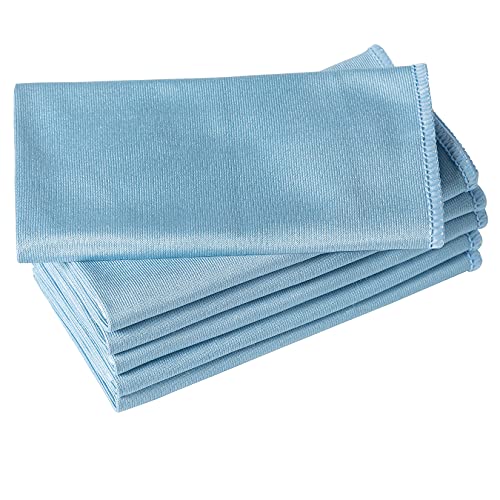
Puomue 6 Pack Microfiber Glass Cleaning Cloth, 16 Inch X 16 Inch, Lint Free Quickly Clean Window, Glasses, Windshields, Mirrors, and Stainless Steel, Blue
- Absorbent and Quick Drying: Super absorbent microfiber for fast drying
- Soft and Lint-Free: Gentle, plush microfiber for streak-free cleaning
- Premium and Durable: High-quality 320 GSM microfiber for longevity
As an affiliate, we earn on qualifying purchases.
As an affiliate, we earn on qualifying purchases.
The Best Way to Apply Vinegar Spray for Results
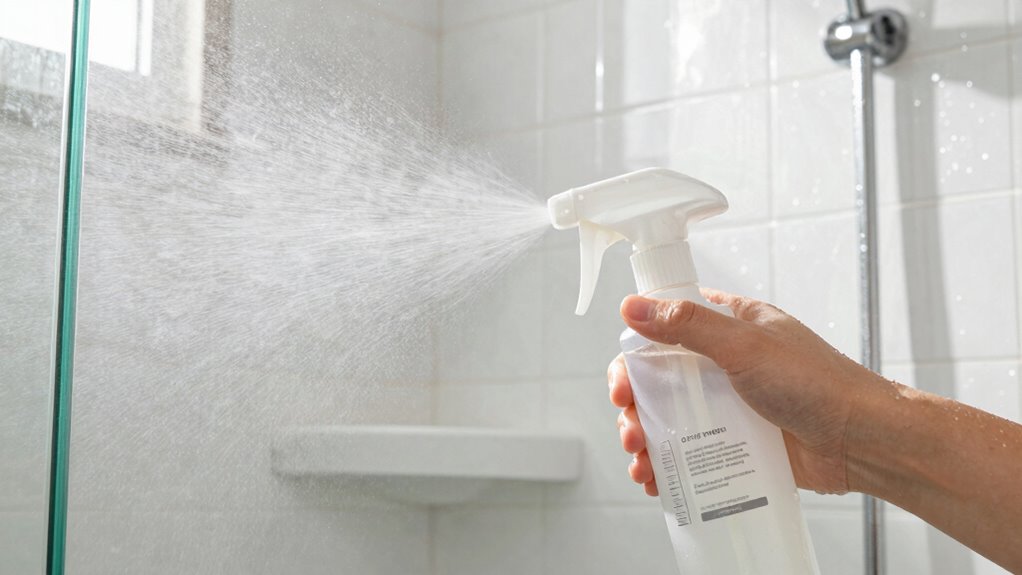
To get the most effective results from your vinegar spray, it’s important to apply it correctly. Start by choosing the right vinegar concentration—usually a 50/50 mix of white vinegar and water works well for most shower surfaces. Using a spray bottle technique, hold the bottle about six inches from the area and spray evenly, covering all surfaces prone to soap scum buildup. Make certain the spray is thorough but not excessive to prevent runoff. For best results, target corners, grout lines, and glass doors with a steady, even application. Let the vinegar sit for a few minutes to break down soap scum before wiping or rinsing. Proper application maximizes vinegar’s cleaning power and keeps your shower soap scum-free longer. Additionally, understanding the cleaning process of different shower surfaces can help tailor your approach for optimal cleanliness, especially considering how material types influence how soap scum forms and how best to remove it. Being aware of the surface material can also help prevent damage during cleaning. Applying appropriate cleaning techniques can further protect sensitive surfaces and prolong their lifespan. Knowing how to prevent damage during cleaning can extend the life of your shower surfaces and maintain their appearance.

Aquasure Harmony Series 48,000 Grains Whole House Water Softener w/High Efficiency Digital Metered Control Head (48,000 Grains)
- Designed for 3-4 Bathrooms: Provides soft water for entire home
- High Efficiency Treatment: Removes 48,000 grains of hardness
- Multi-Stage Filtration: Eliminates 99% of water contaminants
As an affiliate, we earn on qualifying purchases.
As an affiliate, we earn on qualifying purchases.
Extra Tips to Keep Your Shower Soap Scum-Free
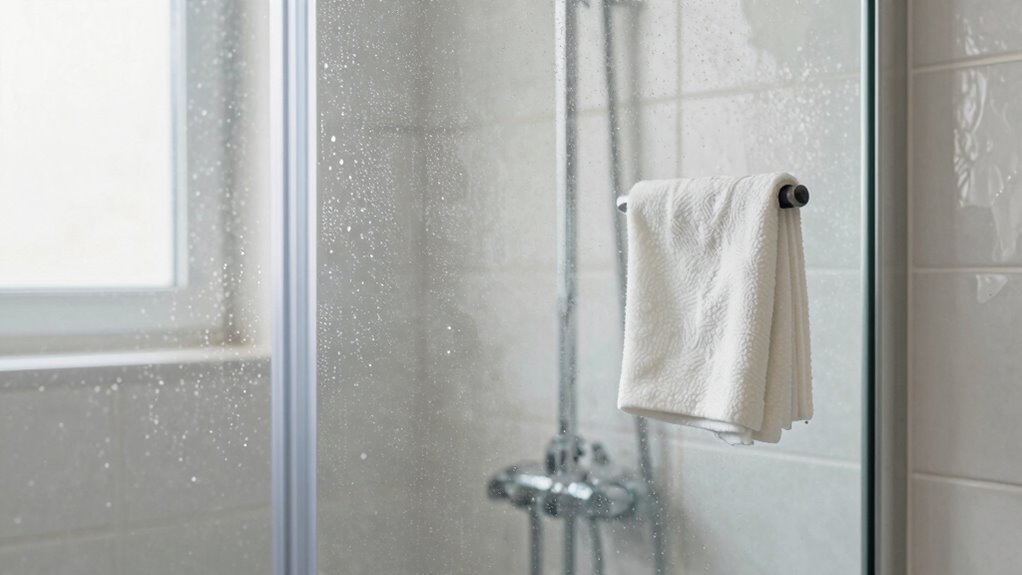
Maintaining a soap scum-free shower requires consistent habits beyond just applying vinegar spray. Regular shower mat maintenance is essential; rinse your mat thoroughly after each use and hang it to dry to prevent soap residue buildup. Don’t forget soap dish cleaning—scrub it weekly with vinegar or a gentle brush to remove soap scum and prevent mold. Keep your shower doors or curtains clean by wiping them down with a microfiber cloth after each shower. Using a squeegee on glass surfaces helps remove excess water, reducing soap scum formation. Additionally, incorporating proper recovery routines like foam rolling can improve your overall skin health and resilience, making it easier to maintain a clean shower environment. Proper maintenance of shower fixtures and surfaces also plays a crucial role in minimizing soap scum buildup. Consistent preventive measures are key to avoiding stubborn soap scum buildup over time. These small, proactive steps make a big difference in keeping your shower spotless and soap scum-free over time. Staying consistent with these habits minimizes the effort needed for deep cleaning sessions.
Daily Habits for a Soap Scum-Free Shower
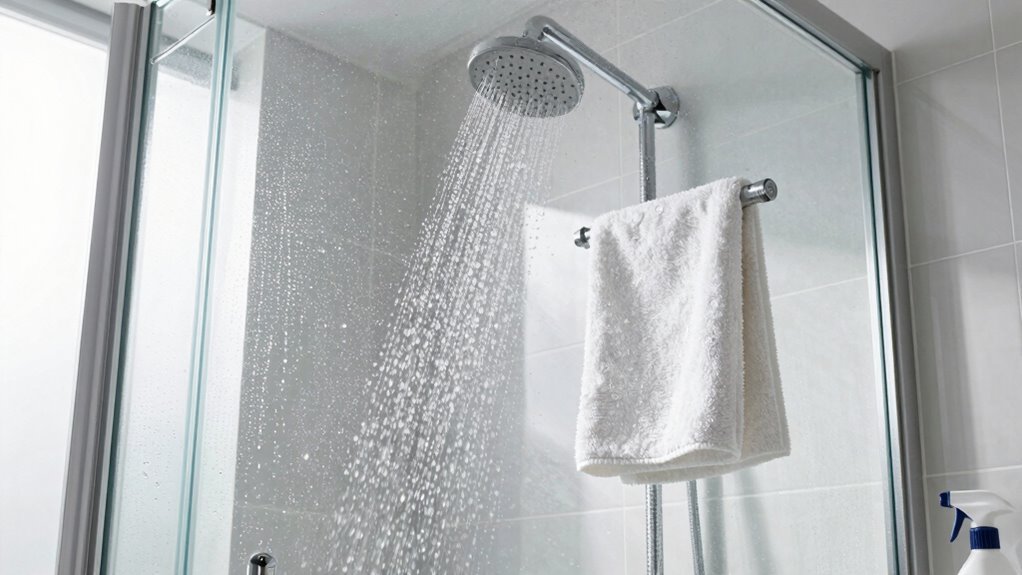
Incorporating simple daily habits can substantially reduce soap scum buildup and keep your shower looking fresh. Use cleaning tools like a squeegee or microfiber cloth after each shower to wipe down walls and glass surfaces. This prevents soap residue from settling and forming scum. Keep your shower accessories, such as loofahs and razors, clean and dry between uses to avoid soap and grime accumulation. Consider installing a shower caddy with drainage to prevent water pooling around products. Rinsing your shower fixtures regularly with warm water helps wash away soap scum before it hardens. Additionally, choosing retailers with flexible return policies can be helpful if you need to replace cleaning products or accessories that don’t meet your expectations. Practicing these preventive maintenance habits can significantly extend the cleanliness of your shower. Incorporating natural cleaning methods, such as vinegar solutions, can also be an effective way to combat buildup without harsh chemicals. Using supportive routines, such as setting a reminder to wipe down surfaces, can make adherence easier. These small, consistent actions require minimal effort but make a significant difference in maintaining a soap scum-free shower. Staying proactive with your daily habits keeps your shower pristine and reduces deep cleaning needs.
Frequently Asked Questions
Can This Method Remove Existing Soap Scum Effectively?
Yes, this method can remove existing soap scum effectively, but cleaning efficacy depends on how thoroughly you apply it. You need to give the solution enough time to break down the buildup. Make sure your shower surface is compatible with the cleaner to avoid damage. For best results, scrub gently but firmly, then rinse thoroughly. This approach ensures you effectively eliminate soap scum without harming your shower’s surface.
Is Vinegar Safe for All Shower Surfaces and Materials?
Vinegar’s versatility makes it a valuable cleaning companion, but surface safety depends on proper use. You should check surface compatibility first—vinegar can damage natural stone and certain finishes. When used correctly, its cleaning efficacy shines, breaking down soap scum and grime effectively. Always dilute vinegar, avoid prolonged contact with sensitive surfaces, and do a patch test. With careful application, vinegar cleans confidently without causing costly damage.
How Often Should I Reapply the Vinegar Spray?
You should reapply the vinegar spray once a week to keep soap scum at bay. Use a vinegar concentration of about 50%, mixing equal parts vinegar and water for effective cleaning. Apply the spray evenly, focusing on areas prone to buildup. Regular application frequency guarantees your shower stays clean and soap scum remains minimal, making maintenance easier and less time-consuming.
Are There Alternative Natural Solutions for Soap Scum Prevention?
Think of soap scum as a stubborn weed you want to keep at bay. You can try natural remedies like baking soda and lemon juice, which act like eco-friendly solutions to break down residues. Vinegar is another effective, natural option. These eco-friendly solutions are gentle yet powerful, helping you maintain a clean shower without harsh chemicals. Regular use of these alternatives keeps soap scum from taking over, making cleaning easier.
Will This Trick Work in Hard Water Conditions?
Yes, this trick can work in hard water conditions. It helps reduce soap scum caused by mineral deposits, which are common in hard water. By regularly applying the method, you can prevent buildup and keep your shower cleaner longer. Just be sure to rinse thoroughly to remove any excess minerals and consider using a water softener if mineral deposits become a persistent problem.
Conclusion
By regularly using vinegar water and keeping up simple daily habits, you can enjoy a soap scum-free shower effortlessly. If you worry it’s too much work, remember that quick daily rinses or sprays take just seconds and prevent stubborn buildup. With consistent effort, your shower stays sparkling and soap scum becomes a thing of the past—no scrubbing marathons needed. Just a small daily step makes a big difference in keeping your bathroom fresh and clean.