Proper camera placement helps you cover the most vulnerable areas and reduces blind spots, ensuring better security. Position cameras at high vantage points to get clear views of entrances, driveways, and common areas. Avoid obstructions like trees or signs, and check the lighting to prevent glare or shadows. Overlap camera views for continuous coverage, and regularly adjust them to stay effective. Keep in mind, strategic placement makes all the difference—learn how to optimize your setup for maximum security.

Get the latest gadgets delivered free — and shop member deals
- Fast, free delivery on millions of items
- Access to Prime Big Deal Days deals on October 6–7
- Prime Video, Amazon Music and more included
Key Takeaways
- Position cameras at high vantage points to cover entry points, pathways, and vulnerable areas effectively.
- Focus on critical zones like doors, windows, and cash registers for early threat detection.
- Avoid obstructions and ensure good lighting to maximize footage clarity during day and night.
- Overlap camera views to eliminate blind spots and maintain continuous coverage.
- Regularly check and adjust placements to adapt to new obstacles and maintain system effectiveness.
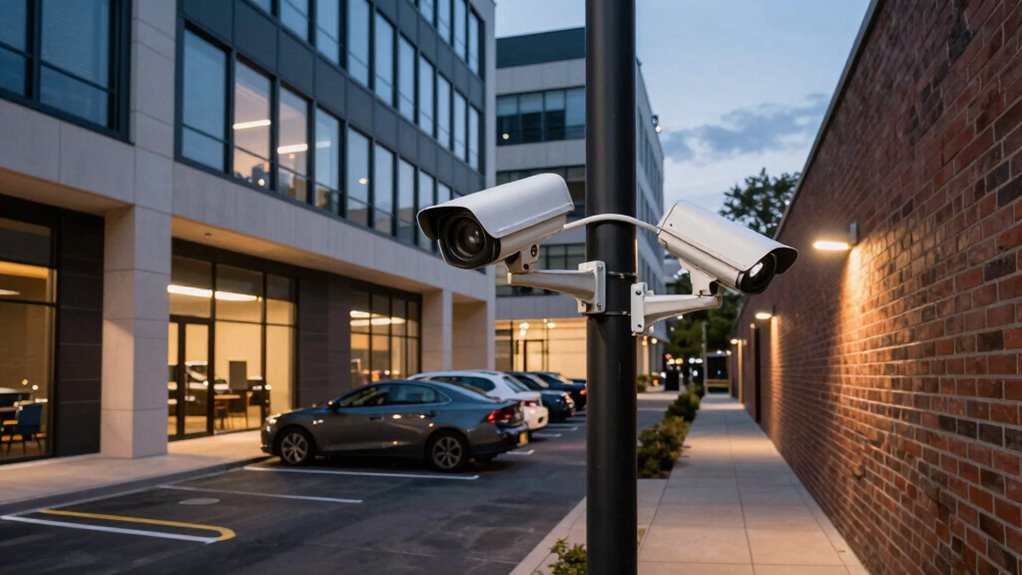
outdoor security cameras with high vantage point mounting
As an affiliate, we earn on qualifying purchases.
As an affiliate, we earn on qualifying purchases.
Why Proper Camera Placement Matters for Your Security
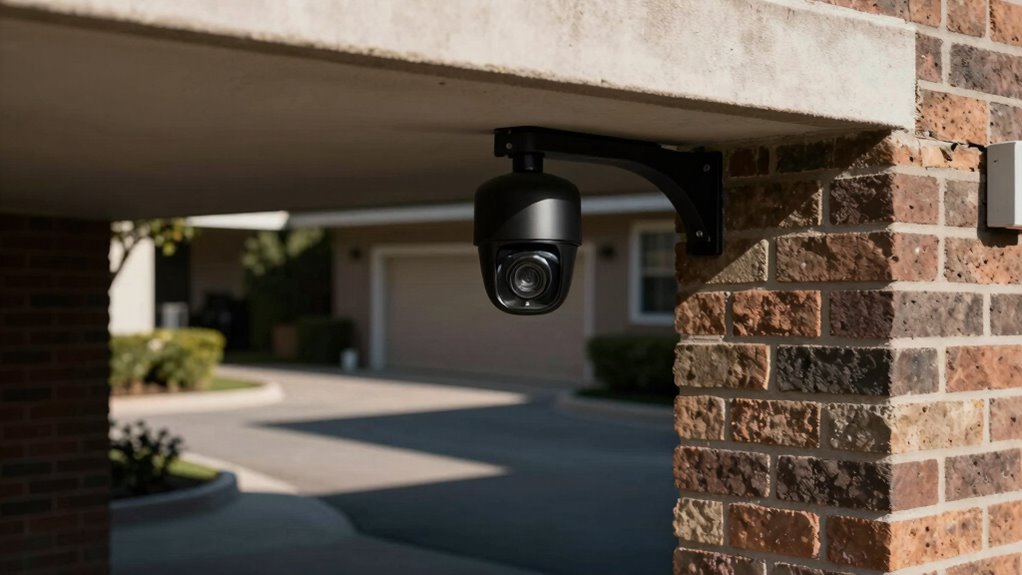
Proper camera placement is crucial because it directly impacts the effectiveness of your security system. When you position cameras correctly, you reduce blind spots and ensure clear footage, making it easier to identify intruders or incidents. Regular camera maintenance keeps your equipment functioning at its best, preventing issues like blurred images or malfunctioning lenses. Understanding different camera types, such as dome, bullet, or PTZ cameras, helps you choose the right models for specific areas. For example, dome cameras are discreet, while bullet cameras are ideal for long-range views. Proper placement combined with consistent maintenance maximizes your system’s reliability, giving you peace of mind. Investing time in selecting the right camera types and maintaining them ensures your security system remains effective and dependable over time. Additionally, being aware of testing accuracy and calibration techniques can help ensure your cameras perform optimally in various conditions. Knowing about camera calibration techniques, in particular, can significantly enhance image quality and detection capabilities. Ensuring proper camera positioning can also prevent issues such as glare or obstructions that compromise footage quality. Moreover, understanding how lighting conditions affect camera performance can help you optimize placement for different times of day.
dome and bullet security cameras for home
As an affiliate, we earn on qualifying purchases.
As an affiliate, we earn on qualifying purchases.
Which Areas in Your Home or Business Need Surveillance?
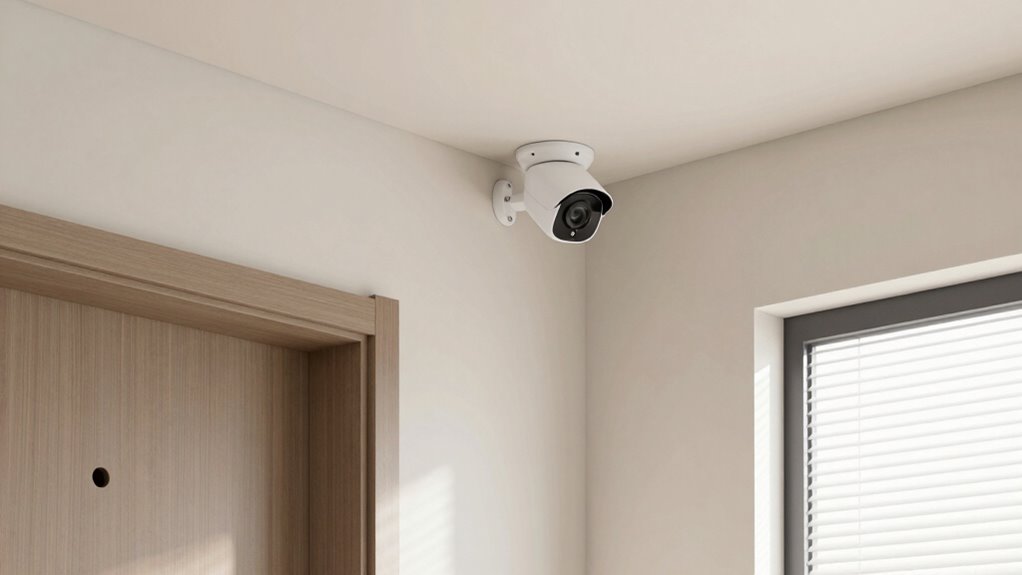
Knowing where to place your cameras starts with identifying the most important areas to monitor. Focus on spots where motion detection can alert you to activity, such as entry points, hallways, and common areas. These locations are vital for capturing potential intruders or unwanted visitors. Adjust your camera angles to maximize coverage of these high-traffic zones, ensuring no blind spots remain. Entry doors, windows, garages, and cash registers are prime areas that benefit from surveillance because they’re often targeted or vulnerable. In your home, consider hallways and driveways, while in your business, focus on storage rooms or cash areas. Proper placement combined with strategic camera angles helps you catch activity early and provides thorough security coverage for your space. Additionally, understanding internet safety can help you ensure your security devices are protected from cyber threats. Being aware of privacy considerations is also essential when deploying surveillance to respect personal boundaries and comply with regulations. Incorporating AI-powered monitoring can further enhance detection accuracy and alert responsiveness, making your security system more effective. Using strategic placement ensures comprehensive coverage and reduces the risk of blind spots in your security setup.
camera placement tools for security system
As an affiliate, we earn on qualifying purchases.
As an affiliate, we earn on qualifying purchases.
How to Choose the Best Spots for Your Security Cameras
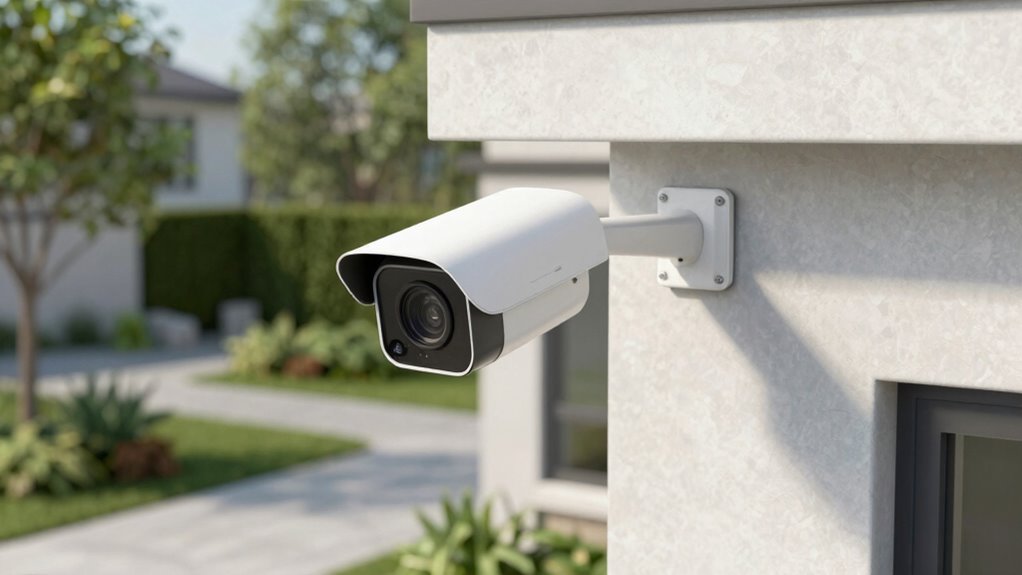
Choosing the best spots for your security cameras involves evaluating the key areas where activity is most likely to occur and where footage can be most useful. Focus on *ideal* equipment placement to maximize coverage. Consider these points:
Identify key areas for activity, optimize camera placement, and avoid obstructions for better security coverage.
- Select high vantage points to achieve *perfect* camera angles that cover entrances, driveways, or common pathways. Proper placement can also prevent potential vandalism or tampering with the cameras.
- Avoid obstructions like trees or signs that block the view and hinder surveillance.
- Position cameras where lighting is sufficient, ensuring clear footage during day and night. Adequate lighting is crucial, especially since electric bikes and other electronic devices are becoming more common in residential areas.
- Ensure the camera placement minimizes blind spots and covers the most critical entry points for comprehensive security. Proper positioning can also enhance contrast ratio, resulting in clearer and more detailed footage, particularly in low-light conditions. Additionally, understanding the privacy policy helps ensure compliance with local regulations during installation.
- Incorporating principles from the Law of Attraction can help you visualize and manifest the ideal locations for your security cameras, ensuring your home feels safe and protected.
motion detection security cameras for entry points
As an affiliate, we earn on qualifying purchases.
As an affiliate, we earn on qualifying purchases.
How to Position Cameras for Maximum Coverage and Effectiveness
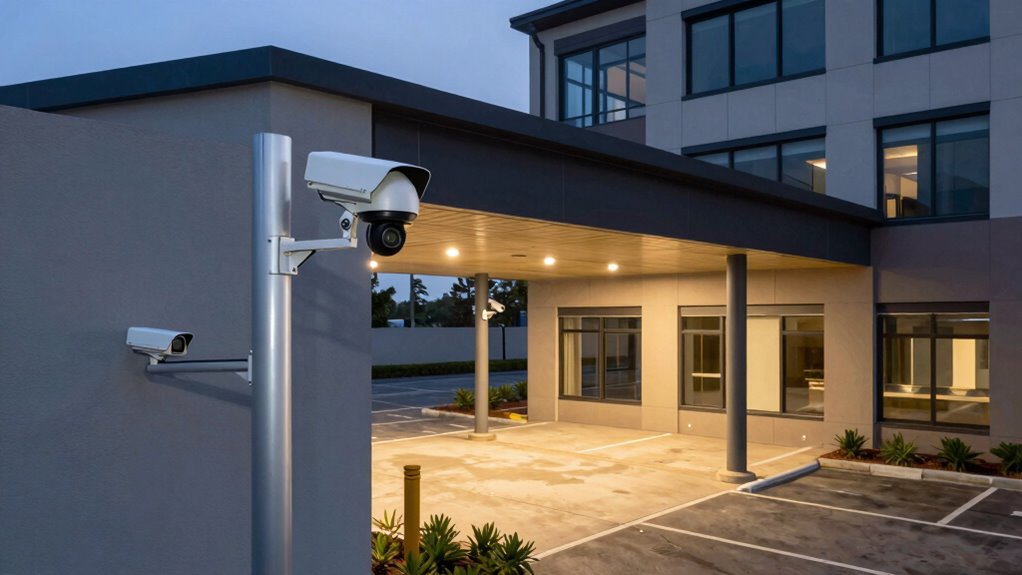
To guarantee your cameras provide the best coverage, start by identifying critical entry points like doors and windows. Make sure your cameras overlap their views to eliminate blind spots, creating a seamless security net. Also, check for any obstructions like trees or signs that could block the view and adjust the placement accordingly. Incorporating proper camera placement can significantly enhance your security system’s effectiveness by ensuring comprehensive coverage.
Identify Critical Entry Points
Positioning your cameras at critical entry points guarantees you capture every movement that matters most. These entry points are often the most vulnerable spots, where intruders are most likely to attempt access. To maximize coverage, focus on three key areas:
- Main doors and garage entrances — prioritize these primary access points.
- Back and side doors — often less visible but equally vulnerable.
- Ground-floor windows — easy entry points for intruders.
Implementing strategic camera placement can significantly enhance your security by covering these high-risk areas effectively. Ensuring proper camera positioning is essential for optimal surveillance coverage and can help deter potential intruders before they attempt entry. Additionally, using exterior camera features such as motion detection and night vision can further improve security effectiveness. Proper camera placement also reduces blind spots and ensures comprehensive coverage of your property, which is vital for effective security systems.
Maximize Camera Overlap Coverage
Maximizing camera overlap coverage guarantees you don’t leave blind spots where intruders could slip through unnoticed. To achieve this, position your cameras so their fields of view overlap strategically, creating a coverage maximization effect. This overlap ensures that if one camera’s view is blocked or compromised, another can still capture critical activity. When installing, consider angles that maximize coverage without gaps, especially at entry points and high-traffic areas. Adjust camera placement and tilt to create sufficient overlap, reducing blind spots and enhancing security. Proper camera overlap not only improves detection but also provides multiple viewpoints, making it harder for intruders to avoid surveillance. Additionally, understanding coverage areas can help you plan camera locations more effectively to minimize blind spots and maximize security. Considering camera placement techniques can further optimize your system’s effectiveness in various environments. To further enhance your system, consider how battery capacity impacts the longevity and reliability of wireless cameras in various environments. Ensuring that your cameras are positioned to cover vulnerable spots is essential for comprehensive security.
Avoid Obstructive Elements
Ensuring your cameras aren’t obstructed by objects or structures is essential for effective surveillance. Obstructions reduce visibility and can create blind spots. To prevent this, consider these tips:
- Keep trees, shrubs, and other landscaping elements trimmed away from camera view, especially around landscape lighting that might cast shadows or block signals.
- Use appropriate camera accessories like mounts or angled brackets to position cameras higher and away from potential obstructions.
- Regularly check for new obstacles and adjust camera placement as needed to maintain clear lines of sight.
- Incorporate natural landscape design principles to plan camera placement that harmonizes with existing outdoor features and minimizes interference, ensuring that landscape features do not inadvertently create visual obstructions.
What Role Do Lighting and Obstructions Play in Camera Placement?
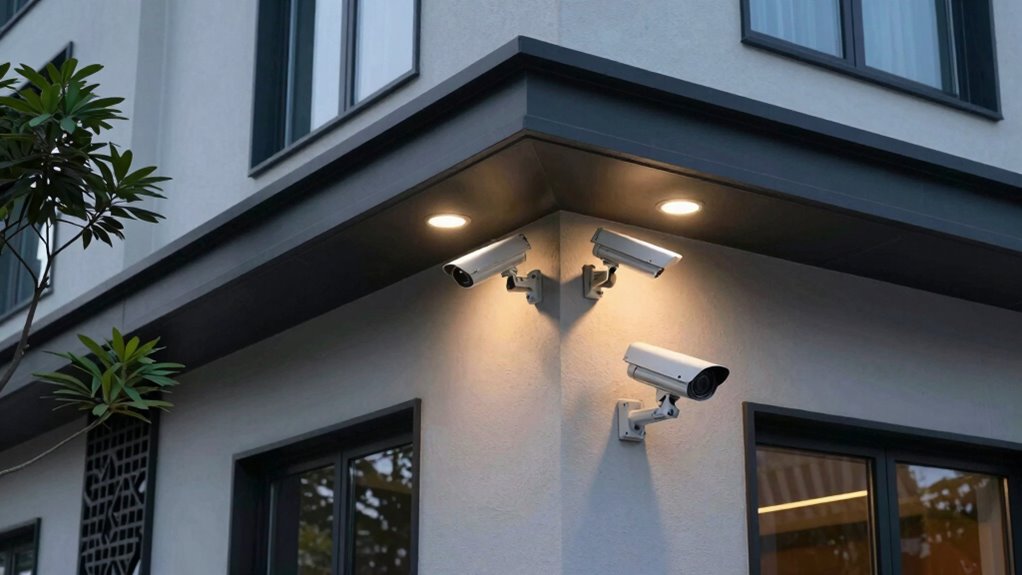
Lighting and obstructions can substantially impact the effectiveness of your camera placement. Poor lighting considerations can create shadows or dark spots, making it hard to identify faces or details. Bright, even lighting helps guarantee clear images and reduces blind spots caused by glare. Obstructions—like trees, fences, or parked vehicles—can block the camera’s view, leaving areas unmonitored. When planning your placement, consider how lighting changes throughout the day and avoid placing cameras behind objects that might obstruct the view. Properly addressing lighting considerations involves positioning cameras where natural or artificial light enhances visibility. Ensuring unobstructed views is equally important; trim foliage and remove objects that could block key angles. Combining good lighting with strategic placement maximizes your camera’s coverage and effectiveness.
How to Identify and Cover Vulnerable Spots on Your Property
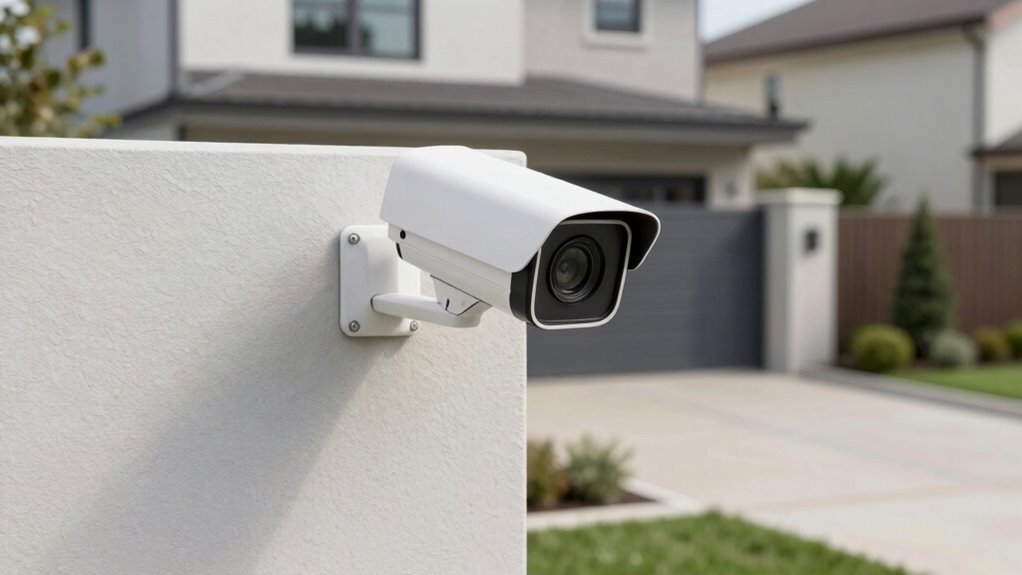
Start by spotting common blind spots where a camera might overlook activity, like around corners or behind objects. Focus on high-risk areas such as entrances, fences, and dark corners that are easy targets for intruders. Prioritizing these spots ensures your security system covers the most vulnerable parts of your property.
Spot Common Blind Spots
Blind spots are the areas around your property that cameras often overlook, leaving vulnerabilities you might not realize. These hidden areas can serve as easy entry points for intruders or thieves. To spot these blind spots, walk around your property and identify locations where your view is obstructed or limited. Focus on areas like behind fences, under decks, or around large trees.
To effectively cover these vulnerable spots, consider:
- Placing cameras at entry points and corners to maximize coverage.
- Using wide-angle lenses to reduce hidden areas.
- Adding supplemental cameras to cover any remaining blind spots.
Prioritize High-Risk Areas
To effectively protect your property, focus on identifying and covering high-risk areas where intruders are most likely to attempt entry. These spots include back doors, ground-level windows, and secluded corners. Prioritize installing cameras with advanced camera technology that can detect movement and provide clear footage in low light. Regular camera maintenance guarantees your equipment functions properly, preventing blind spots during critical moments. Cover these vulnerable areas with strategically placed cameras to deter potential intruders and gather valuable evidence if needed. Remember, high-risk zones are often targeted first, so addressing them is essential for a thorough security setup. By focusing on these areas, you maximize your security investment and stay a step ahead of intruders.
How to Test and Adjust Your Camera Setup for Best Results
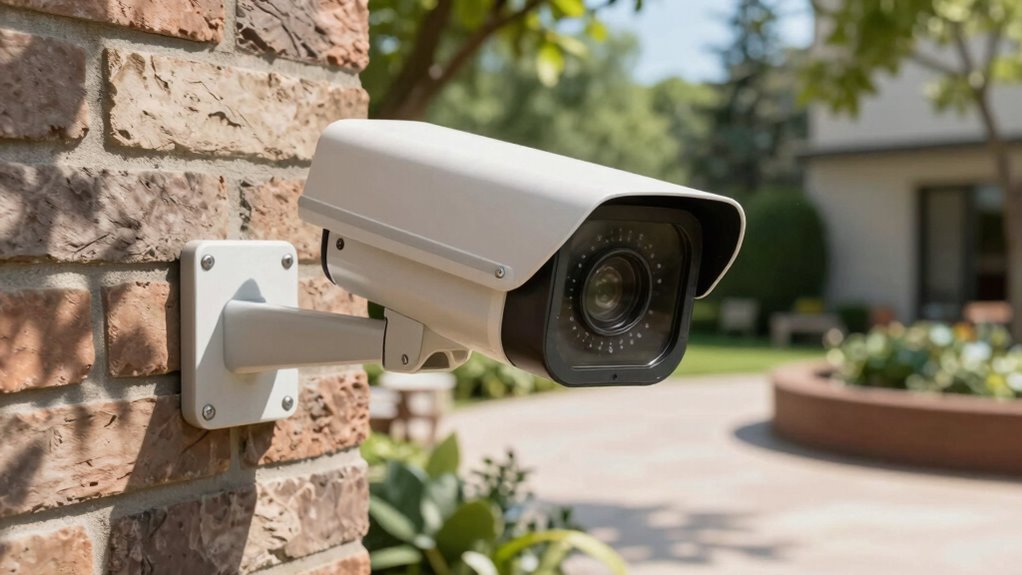
Testing and calibrating your camera setup is essential to guarantee you get the best possible results. Proper camera calibration ensures your footage is clear and accurately captures the area. Start by adjusting the lens to eliminate distortions and focus issues. Next, follow these steps:
- Check the field of view to confirm the camera covers the intended area without blind spots.
- Test different lighting conditions to ensure the camera adapts well, adjusting settings if necessary.
- Review footage regularly to identify and correct any misalignments or focus problems.
Always revisit your setup periodically and perform lens adjustments if needed. Proper calibration and fine-tuning help maintain superior security coverage and reliable recordings.
Frequently Asked Questions
How Often Should I Adjust or Reposition My Security Cameras?
You should adjust or reposition your security cameras whenever you notice changes in your property or suspect blind spots. Regularly check the camera angle and perform lens adjustments to guarantee clear, thorough coverage. If weather, new furniture, or landscaping alters the scene, it’s time to revisit your camera placement. Periodic tweaks help maintain ideal security, so don’t wait until an incident occurs—stay proactive with your camera angle and lens adjustments.
What Are the Legal Considerations for Camera Placement on My Property?
Think of your property as a delicate garden, requiring careful boundaries. You must follow privacy laws that prevent capturing neighbors’ private spaces, and respect trespassing regulations to avoid legal thorn bushes. Position cameras thoughtfully, avoiding pointing at windows or neighboring yards. By doing so, you safeguard your security without infringing on others’ rights, ensuring your surveillance efforts stay within the legal landscape, like a well-tended fence around your digital backyard.
Can Weather Conditions Affect the Effectiveness of Security Cameras?
Weather impact can definitely affect your security camera’s effectiveness. Rain, snow, fog, and extreme temperatures can cause image distortion or fogging, reducing visibility. To combat this, make sure your cameras have good camera durability features like weatherproof housing and temperature resistance. Regular maintenance, such as cleaning lenses and inspecting for damage, also helps guarantee your cameras perform well in all weather conditions, keeping your property protected year-round.
How Do I Prevent Blind Spots in My Security Camera Coverage?
Think of your security system as a knight guarding your castle, watchful for any blind spots. To prevent these, adjust your camera height and angle carefully—place cameras higher to cover more area and tilt them to eliminate gaps. Use overlapping views and varied angles to make certain no corner is missed. Regularly review footage to spot and fix blind spots, turning your setup into an impenetrable fortress.
What Features Should I Look for When Upgrading My Security Cameras?
When upgrading your security cameras, look for high camera resolution to capture clear images and videos, making identification easier. Additionally, choose models with night vision to guarantee visibility in low-light or dark conditions. These features enhance your overall security by providing detailed footage around the clock. Opt for cameras with good motion detection and wide-angle lenses too, so you cover more area effectively and respond quickly to any activity.
Conclusion
Proper camera placement is vital for effective security. For example, positioning a camera at your driveway’s entrance can catch any unauthorized vehicles or visitors. Regularly testing and adjusting your setup guarantees maximum coverage. Remember, even the best camera won’t help if it’s blocked or poorly placed. By thoughtfully positioning your cameras, you create a stronger, more reliable security system that’s ready to protect your home or business whenever needed.
Fall Picks
fall essentials
As an affiliate, we earn on qualifying purchases.