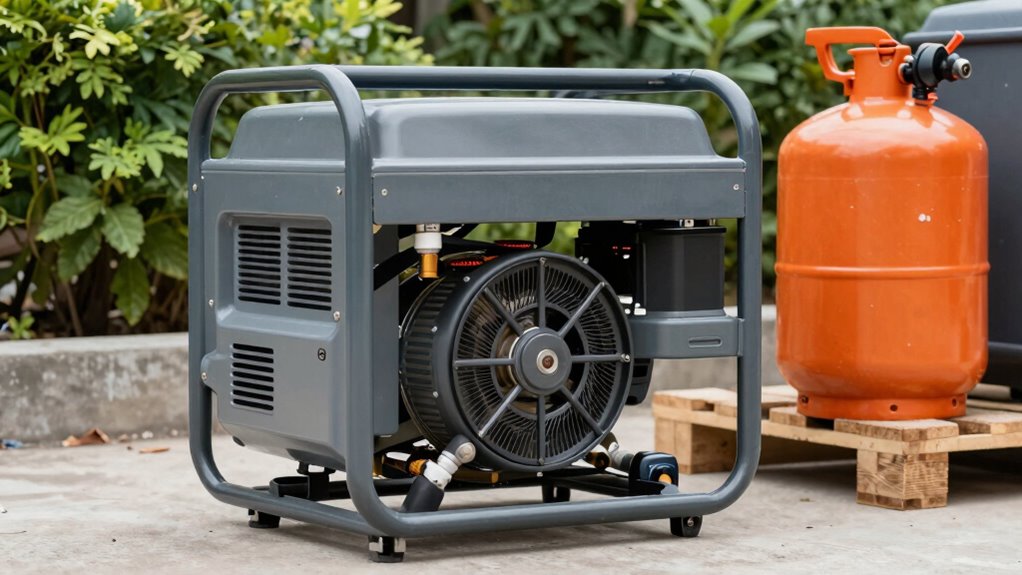

To stay safe with your generator, always operate it outdoors in well-ventilated areas to prevent carbon monoxide buildup. Store fuel in approved containers away from heat and children, and keep the generator in a dry, secure spot. Use exhaust extensions to direct fumes away from your home, and never run it inside or in enclosed spaces. Knowing these essentials helps protect you and your family—continue exploring to learn more vital safety tips.

Get the latest gadgets delivered free — and shop member deals
- Fast, free delivery on millions of items
- Access to Prime Big Deal Days deals on October 6–7
- Prime Video, Amazon Music and more included
Key Takeaways
- Always operate generators outdoors in well-ventilated areas to prevent dangerous carbon monoxide buildup.
- Store fuel in approved containers, away from living spaces and heat sources, in ventilated outdoor locations.
- Use exhaust extension pipes to direct fumes away from windows, doors, and vents.
- Turn off generators before refueling to reduce fire and spill hazards.
- Regularly inspect ventilation pathways, keep generators dry, and maintain proper safety features for safe operation.
generator exhaust extension pipe
As an affiliate, we earn on qualifying purchases.
As an affiliate, we earn on qualifying purchases.
Why Is Generator Safety So Important? Understanding the Risks
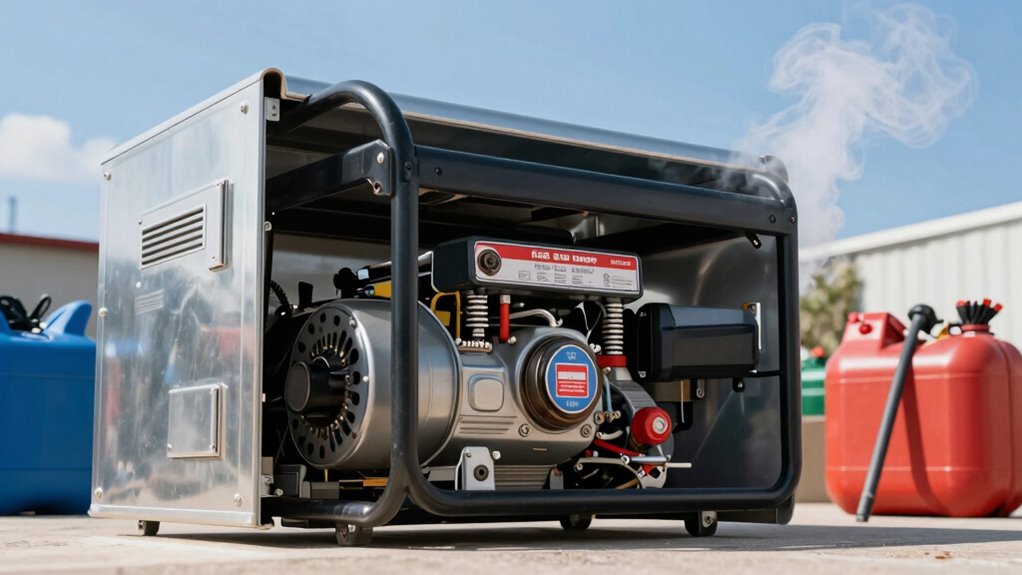
Generator safety is vital because neglecting proper precautions can lead to serious injuries or property damage. Regular generator maintenance helps guarantee your unit operates safely and efficiently, reducing the risk of electrical hazards. Faulty wiring or worn-out parts can cause sparks, shocks, or fires if not addressed promptly. Electrical hazards pose a significant danger, especially if you bypass safety features or mishandle connections. Understanding these risks reminds you to follow safety guidelines closely. Always inspect your generator before use, keep it dry, and avoid overloading it. Proper maintenance and cautious operation protect you and your property from accidents. Generator safety standards also emphasize the importance of using appropriate protective gear and staying clear of live electrical components during operation. Additionally, being aware of regional differences in fuel types and safety standards can help you operate your generator more safely in diverse environments. Ensuring proper ventilation is crucial, as ventilation requirements help prevent dangerous buildup of carbon monoxide and other harmful gases. Maintaining proper placement and setup can further reduce the likelihood of accidents. Regularly checking for worn or damaged parts can help prevent unexpected malfunctions and ensure safe operation. Staying vigilant is your best defense against generator-related hazards.
As an affiliate, we earn on qualifying purchases.
How Can You Prevent Carbon Monoxide Poisoning From Your Generator?
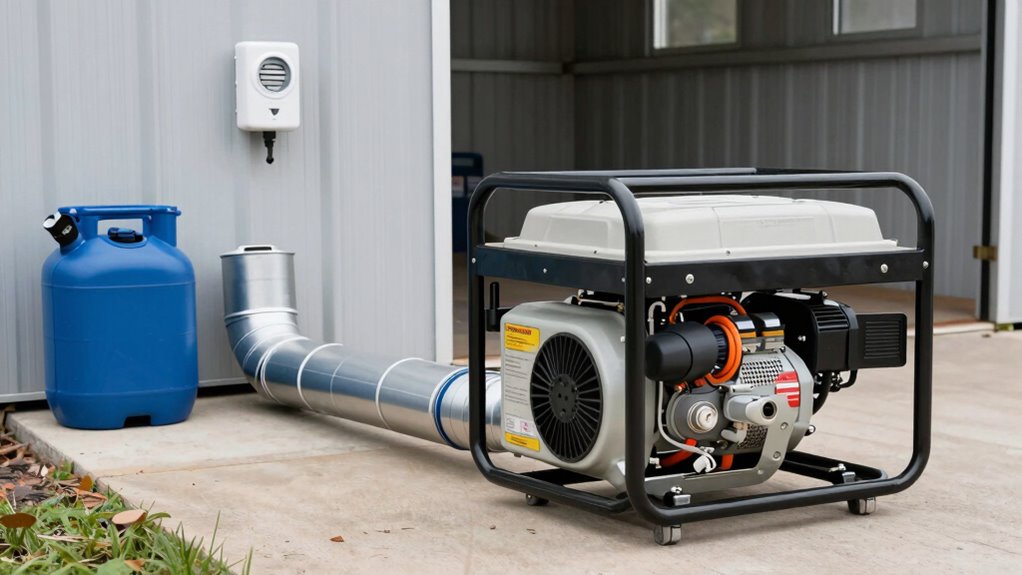
To prevent carbon monoxide poisoning, always operate your generator outdoors in a well-ventilated area away from windows, doors, and vents. Correct generator placement is essential for safety. Position your generator on a dry, stable surface, at least 20 feet from your home or any enclosed space. Avoid placing it near open windows or air intakes, which can draw deadly carbon monoxide indoors. Use the table below to help guide your placement decisions:
| Proper Generator Placement | Common Mistakes |
|---|---|
| Outdoors, away from vents | Inside garages or basements |
| 20 feet from structures | Close to windows or doors |
| On a dry, stable surface | On uneven or wet ground |
| Behind barriers for wind | Facing toward the house or vents |
Following these tips minimizes your risk of carbon monoxide exposure. Additionally, regularly testing your carbon monoxide detectors can provide an extra layer of safety. Proper ventilation practices are crucial to ensure that any residual gases are safely dispersed and do not accumulate in enclosed areas. Ensuring adequate airflow around your generator further reduces the risk of dangerous gas buildup. Maintaining proper generator operation also plays a key role in preventing dangerous emissions.
generator fuel storage container
As an affiliate, we earn on qualifying purchases.
As an affiliate, we earn on qualifying purchases.
What Are the Best Ways to Ventilate When Using a Generator?
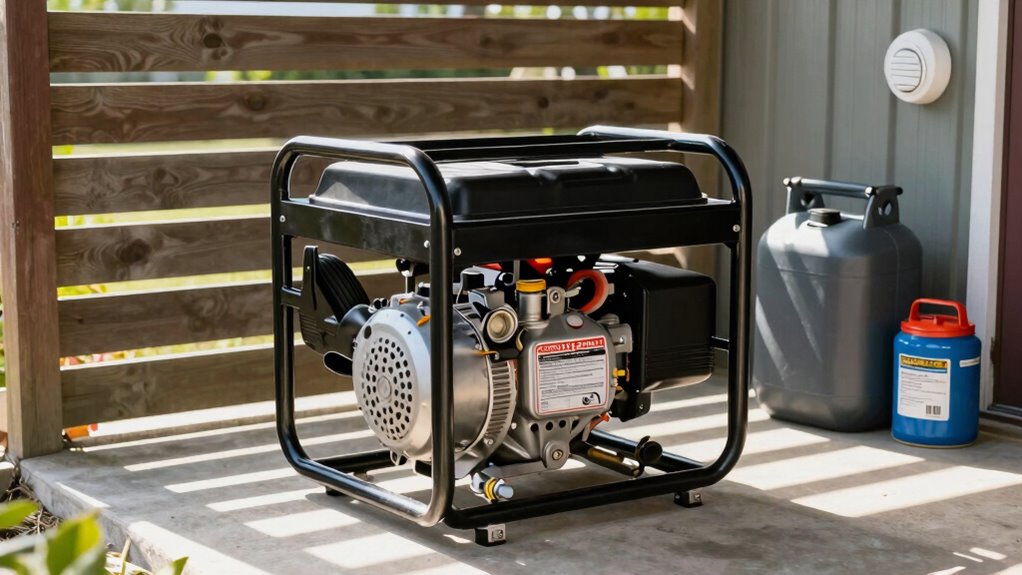
Ensuring proper ventilation is essential for safely operating a generator and preventing the buildup of dangerous fumes. To manage exhaust fumes effectively, always position your generator outdoors in a well-ventilated area, away from windows, doors, and vents. Use exhaust fume management techniques like installing exhaust extension pipes that direct fumes away from your home or shelter. When operating indoors, utilize appropriate indoor ventilation techniques, such as exhaust fans or dedicated ventilation systems, to remove fumes quickly. Never run a generator in enclosed spaces or garages, as fumes can accumulate rapidly. Regularly check that ventilation pathways are clear and unobstructed. Proper exhaust fume management and ventilation are critical to reduce CO risks and keep your environment safe during generator use. Additionally, understanding how ventilation impacts overall safety can help prevent dangerous CO buildup and ensure effective operation. Proper airflow is also important to prevent fume accumulation, which can occur if ventilation is inadequate. Adequate airflow management is a key part of responsible energy use, emphasizing the importance of proper ventilation techniques to maintain safety during generator operation.
carbon monoxide detector for home
As an affiliate, we earn on qualifying purchases.
As an affiliate, we earn on qualifying purchases.
How Should You Safely Store Fuel and Prevent Fires?
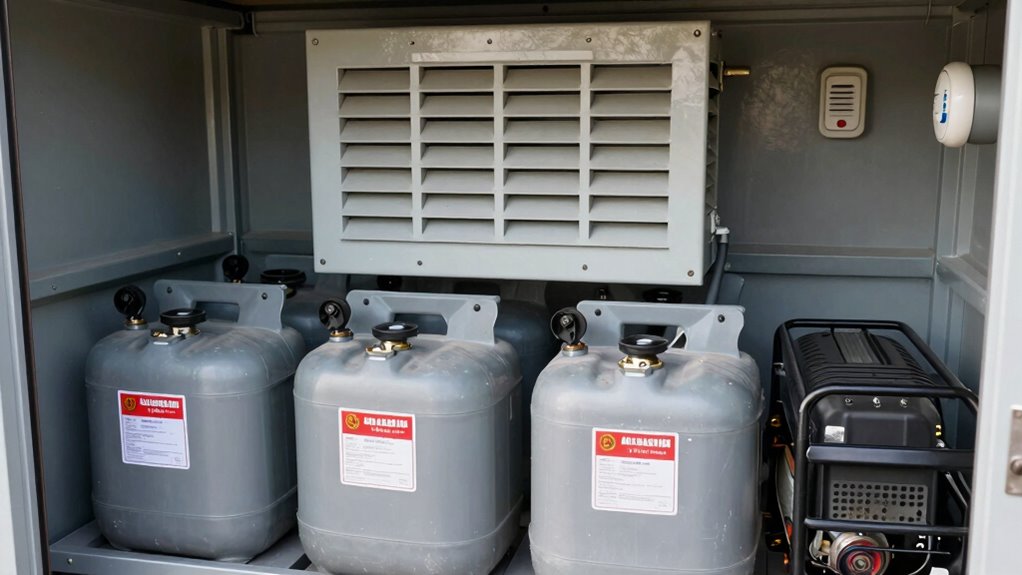
Proper fuel storage is vital for preventing fires and ensuring safe generator operation. To achieve this, follow these fire prevention tips:
- Store fuel in approved containers, away from heat sources and open flames.
- Keep fuel in well-ventilated, cool areas to reduce vapors.
- Never store fuel inside your home or garage; use dedicated, outdoor storage sites.
- Regularly check containers for leaks or damage and dispose of old or contaminated fuel properly.
- Understand transfer switch fundamentals and proper fueling procedures to minimize risks during generator operation. Additionally, maintaining good ventilation around stored fuel can significantly reduce vapor buildup and potential hazards.
What Are Essential Safety Devices for Generator Use?
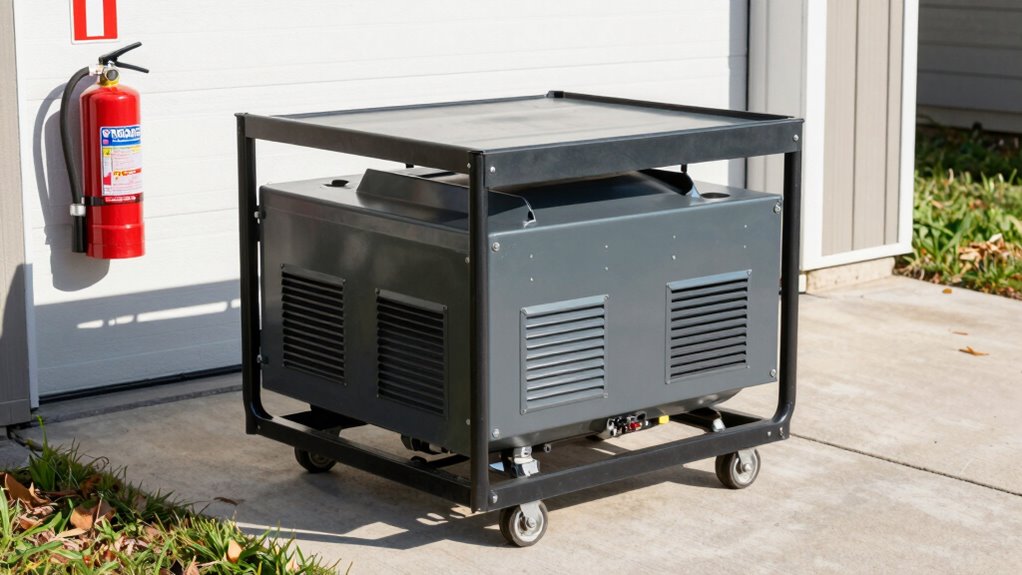
Having the right safety devices in place is essential for protecting yourself and your property when operating a generator. One key device is a grounding system, which prevents electrical shocks and reduces the risk of electrocution by securely grounding your generator. Always verify your generator has a proper grounding connection before use. Portable outlets are another important safety feature; they allow you to connect appliances safely, minimizing the risk of overload or short circuits. Use grounded outlets and avoid daisy-chaining extension cords, which can create fire hazards. Additionally, installing a transfer switch can prevent backfeeding into the utility lines, protecting utility workers and your home. Understanding safety device essentials and the exponential benefits of proper safety devices can significantly reduce the risks associated with generator use, helping ensure safe operation, reducing risks, and keeping you protected during power outages. Proper ventilation of the generator is also crucial to prevent dangerous buildup of carbon monoxide, especially when operating indoors or in enclosed spaces.
What Are Emergency Tips for Staying Safe During a Power Outage?
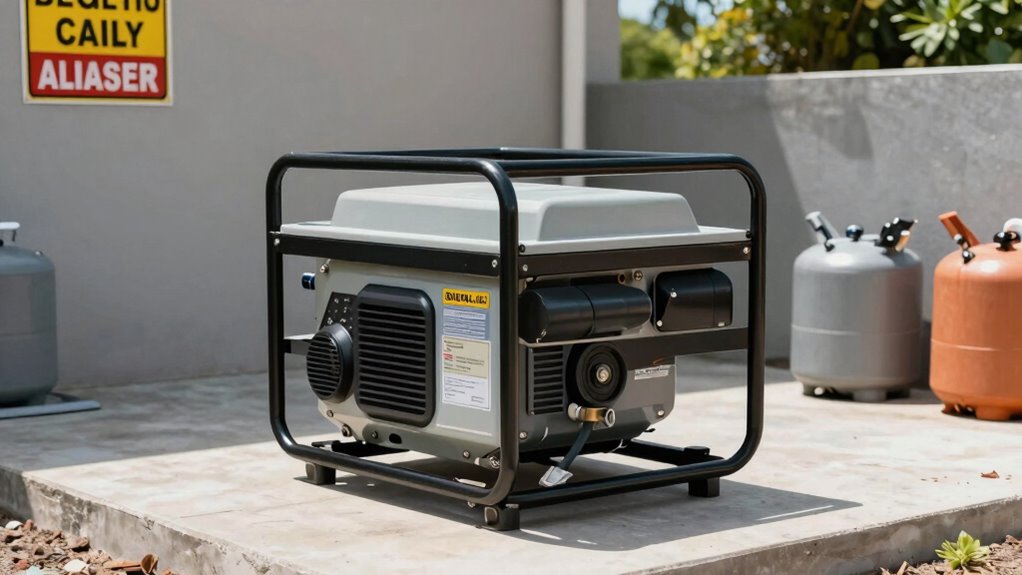
During a power outage, it is vital to prioritize safety to protect yourself and your household. Being prepared can make a big difference. Here are some emergency tips for staying safe:
- Keep a flashlight and extra batteries nearby to avoid using candles, which pose fire risks.
- Unplug sensitive electronics to prevent damage from power surges when electricity is restored.
- Avoid using generators indoors or in enclosed spaces to prevent carbon monoxide poisoning.
- Stay informed by listening to a battery-powered radio or checking updates on your mobile device.
- Remember that proper ventilation when using backup power sources is essential to prevent dangerous buildup of fumes.
- Ensure your home has adequate air quality measures in place, especially when using generators or alternative heating sources, to reduce health risks.
- Regularly check your emergency preparedness supplies to ensure everything is in working order in case of extended outages.
- Consider using power protection devices to safeguard your appliances from power fluctuations during outages.
- Familiarize yourself with generator safety procedures to prevent accidents and ensure proper use during emergencies.
Practicing emergency preparedness and following these power outage tips help keep you safe. Always have an emergency kit ready, and remember that safety comes first during any power disruption.
Frequently Asked Questions
How Often Should I Test My Generator’s Safety Features?
You should test your generator’s safety features at least once a month to guarantee proper function. Follow your maintenance schedule and perform safety inspections regularly, especially before heavy use or during seasonal changes. Check safety features like automatic shutoff, CO detectors, and ventilation systems to prevent hazards. Consistent testing helps catch issues early, keeping you safe and your generator reliable when you need it most.
What Are the Signs of Carbon Monoxide Poisoning?
You might not realize it, but signs of carbon monoxide poisoning include headache, dizziness, weakness, nausea, and confusion, which can easily be mistaken for flu symptoms. If you notice these symptoms after a generator malfunction or exposure to exhaust fumes, get fresh air immediately and seek medical help. Don’t ignore these warning signs, as inhaling CO from exhaust fumes can be deadly. Always guarantee proper ventilation when using your generator.
Can Generators Be Safely Used Indoors During Power Outages?
You shouldn’t use generators indoors during power outages. Proper indoor ventilation is essential, but even with good airflow, generators produce dangerous carbon monoxide fumes that can quickly fill enclosed spaces. Always place the generator outside, away from windows and vents, to guarantee safe appliance placement and prevent CO buildup. This minimizes the risk of poisoning and keeps you and your loved ones safe.
What Types of Fire Extinguishers Are Suitable for Generator Fires?
Think of choosing a fire extinguisher like selecting a trusty sidekick in a kitchen fire—quick action matters. For generator fires, you need either a Class B or multipurpose ABC extinguisher. Portable extinguishers are great for immediate response, while fixed systems suit larger setups. Both types are effective, but always guarantee your extinguisher is rated for electrical fires and ready for swift deployment.
How Do Weather Conditions Affect Generator Safety Protocols?
Weather conditions notably impact your generator safety protocols. Wind impact can cause debris to blow into vents or ignite nearby fires, so you should secure and shield your generator. Rain precautions are essential because water exposure can lead to electrical shorts or corrosion. Always operate your generator on a dry, elevated surface, and consider covering it with a weatherproof shelter to prevent damage and maintain safe operation during adverse weather.
Conclusion
Staying safe with your generator is vital—did you know that carbon monoxide poisoning causes around 400 deaths annually in the U.S.? By following proper ventilation, storage, and safety device tips, you can prevent accidents and protect your loved ones. Always remember to operate your generator outdoors, keep fuel stored safely, and use carbon monoxide detectors. A little caution goes a long way in ensuring your emergency power solution keeps everyone safe and sound.
Halloween Picks
halloween
As an affiliate, we earn on qualifying purchases.