
TL;DR
Linux gaming is becoming faster as Windows-specific APIs are now integrated into the Linux kernel, reducing reliance on translation layers like Proton. This shift is confirmed by recent kernel updates and performance reports, signaling a significant change in Linux gaming technology.
Linux gaming performance has improved notably as new Windows-specific features are now being integrated directly into the Linux kernel, a development confirmed by recent kernel updates and performance data.
Recent updates to the Linux kernel include the addition of a driver called NTSYNC, which provides native implementation of Windows tools that games rely on for coordination. This driver is now loaded by default on all up-to-date Steam Deck devices, leading to performance gains in gaming.
This development marks a shift from reliance solely on translation layers like Proton, which emulate Windows APIs, to a more integrated approach where Windows features are native to Linux. The driver was introduced as part of ongoing efforts to improve compatibility and performance for Windows games running on Linux.
Why It Matters
This shift could significantly impact Linux gaming by reducing latency and increasing frame rates, making Linux a more viable platform for gamers. It also signals a broader trend of deeper integration of Windows features into Linux, which could influence future development and compatibility strategies.
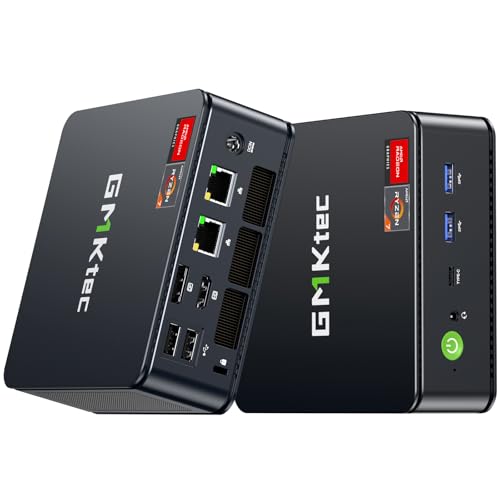
GMKtec M5 Ultra Gaming Mini PC Ryzen 7 7730U (Upgraded 7430U/ 5825U), 32GB RAM 512GB SSD Dual NIC LAN 2.5GbE Desktop Computers, Triple 4K Display, WiFi 6E, USB-C, BT 5.2, DP, HDMI 2.0
- Powerful AMD Ryzen 7 Processor: 8 cores, 16 threads, up to 4.50GHz
- 32GB DDR4 RAM & 512GB SSD: Supports expansion to 64GB RAM and 4TB SSD
- Dual 2.5GbE LAN Ports: High-speed network with 2500Mbps transfer
As an affiliate, we earn on qualifying purchases.
As an affiliate, we earn on qualifying purchases.
Background
For years, Linux gaming improvements have primarily come from updates to Wine and Proton, which translate Windows APIs for Linux. The recent inclusion of Windows-specific features directly into the Linux kernel represents a new phase, driven by the rising popularity of Linux gaming, especially with devices like the Steam Deck and the end-of-support for Windows 10.
“The integration of Windows APIs into the Linux kernel is a game-changer for performance.”
— Linux kernel developer
“With native support for Windows features, Linux gaming on Steam Deck and desktops is now more seamless and faster.”
— Valve spokesperson

JSAUX 2-Pack Ultra HD Screen Protector for Steam Deck OLED/LCD
- Compatibility: For Steam Deck LCD & OLED
- Full Coverage: Edge-to-edge 7-inch tempered glass
- Easy Installation: Guiding frame for simple setup
As an affiliate, we earn on qualifying purchases.
As an affiliate, we earn on qualifying purchases.
What Remains Unclear
While performance improvements are confirmed on devices like the Steam Deck, it remains unclear how widespread the adoption of these kernel features will be across all Linux distributions and desktop environments. The long-term stability and compatibility of these integrations are still being evaluated.

GameSir G7 SE Wired Controller for Xbox Series X|S, Xbox One & Windows 10/11, Plug and Play Gaming Gamepad with Hall Effect Joysticks/Hall Trigger, 3.5mm Audio Jack (White)
- Compatibility: Supports Xbox Series X/S, One, and Windows 10+
- Precise Control: Hall joysticks and triggers for accuracy
- Easy Setup: Wired USB connection for plug and play
As an affiliate, we earn on qualifying purchases.
As an affiliate, we earn on qualifying purchases.
What’s Next
Further kernel updates are expected to refine and expand Windows API support, with performance benchmarks and compatibility tests continuing. Linux developers and gamers will monitor these changes for stability and real-world benefits, potentially leading to broader adoption.
gaming laptops with Linux support
As an affiliate, we earn on qualifying purchases.
As an affiliate, we earn on qualifying purchases.
Key Questions
What specific Windows APIs are being integrated into the Linux kernel?
Drivers like NTSYNC implement Windows tools for game coordination, but detailed API support is still evolving. The focus is on core performance and compatibility features.
Will this change benefit all Linux distributions?
It depends on kernel updates and whether distributions incorporate these features promptly. Steam Deck and certain custom kernels are already utilizing them.
Does this mean Linux gaming will now match Windows performance?
While performance is improving, complete parity is unlikely in the short term. These kernel features reduce bottlenecks but do not eliminate all translation layer overheads.