
TL;DR

Get the latest gadgets delivered free — and shop member deals
- Fast, free delivery on millions of items
- Access to Prime Big Deal Days deals on October 6–7
- Prime Video, Amazon Music and more included
Apple released a new version of the Studio Display with minor upgrades but kept the same outdated panel technology. Competitors now offer more features at lower prices, highlighting the display’s missed potential. The core issue is Apple’s reliance on a 12-year-old panel in a premium product.
Apple’s 2026 Studio Display refresh includes upgraded ports, a better webcam, and improved speakers but retains the same 12-year-old 60Hz IPS panel, sparking criticism over its value and performance compared to newer, cheaper competitors.
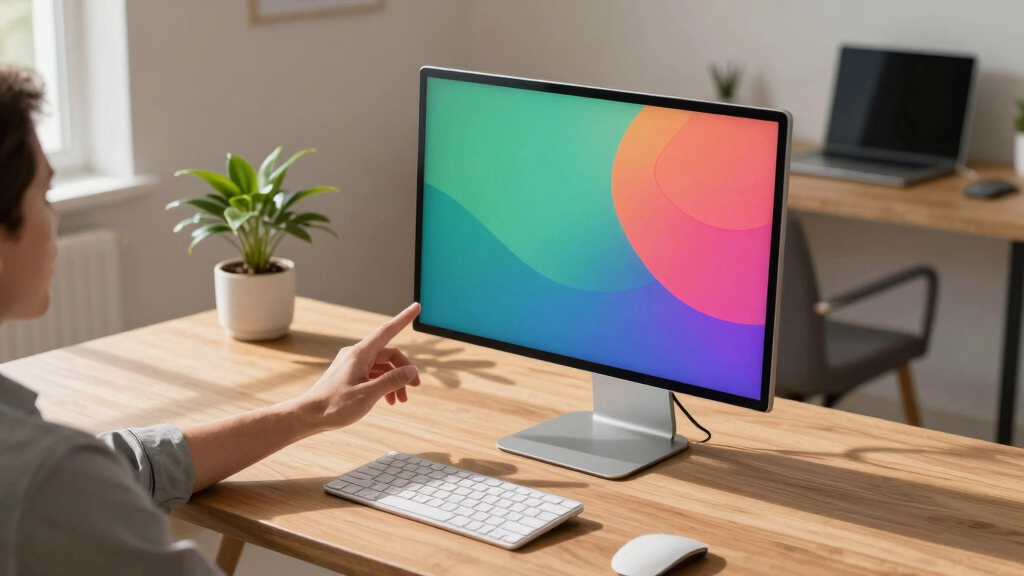
The new non-XDR Studio Display features two Thunderbolt 5 ports, two USB-C ports, an upgraded A19 chip, and improved speakers, but the core display panel remains unchanged—an edge-lit 60Hz IPS panel with 600 nits brightness. This panel is identical in technology to the one used in 2014, despite Apple’s claims of minor enhancements. The display now supports up to 120Hz refresh rate, but its fundamental panel technology has not advanced, limiting black levels and overall image quality.
Compared to recent competitors like BenQ and Asus, which offer 27-inch 5K monitors at significantly lower prices, the Studio Display’s core hardware appears outdated. These competitors provide more adjustable stands, VESA compatibility, and better black levels, often at half or less the price of Apple’s $1,600 model. While Apple upgraded the webcam and ports, critics note these are superficial improvements that do not compensate for the aging panel technology.
Color accuracy remains a strength, with the display supporting Apple’s color matching functions and offering very accurate sRGB modes. However, issues with black levels—appearing more gray than true black—persist, especially in dark environments. The build quality remains premium, with an all-aluminum chassis, but stand flexibility is limited to tilt only unless extra paid options are chosen, unlike competitors offering full adjustability and VESA mounting.
Why It Matters
This development highlights a significant gap between Apple’s premium branding and the actual technological capabilities of its displays. For consumers, it raises questions about value, especially given the high cost and the outdated core panel. The ongoing competition from more versatile and affordable monitors underscores the risk of Apple’s premium positioning becoming less compelling in the professional and creative markets. It also reflects broader industry trends where hardware stagnation can impact brand perception and sales.
Apple Studio Display stand adjustability
As an affiliate, we earn on qualifying purchases.
As an affiliate, we earn on qualifying purchases.
Background
Apple introduced the original Studio Display in 2022, replacing LG’s 5K UltraFine and marking its return to the high-end monitor market. Despite initial praise for design and build quality, the display’s core technology was criticized for being outdated, especially as competitors launched more feature-rich and cheaper alternatives. In late 2024, Apple upgraded the webcam and ports but kept the panel technology unchanged. The 2026 refresh continues this trend, with critics arguing that the fundamental display technology has not kept pace with industry advancements, despite minor improvements in ports, webcam, and speakers.
“The core display panel remains unchanged—an edge-lit 60Hz IPS panel with 600 nits brightness—despite Apple’s claims of minor enhancements.”
— The Verge
“Most competitors now offer 5K monitors with better adjustability, deeper blacks, and at lower prices, making the Studio Display look increasingly outdated.”
— Industry analyst
As an affiliate, we earn on qualifying purchases.
What Remains Unclear
It remains unclear whether Apple plans to update the core display technology in future models or continue to rely on aging panels. Details about potential next-generation displays or broader hardware refreshes are not yet confirmed.
27 inch 5K monitor with adjustable stand
As an affiliate, we earn on qualifying purchases.
As an affiliate, we earn on qualifying purchases.
What’s Next
Apple may face pressure to incorporate newer panel technology in future updates. Industry analysts expect possible announcements of more advanced displays or new monitor lines in the next 12-18 months, but no official details have been provided.
best alternative to Apple Studio Display
As an affiliate, we earn on qualifying purchases.
As an affiliate, we earn on qualifying purchases.
Key Questions
Why does the Apple Studio Display use such an outdated panel?
Apple has not publicly explained why it continues to use the same 12-year-old panel technology, but industry speculation suggests it is due to manufacturing costs, supply chain issues, or design choices prioritizing other features over display tech.
Will Apple release a new, more advanced monitor soon?
There are no official announcements yet, but industry rumors suggest Apple may introduce newer display technology or a new line of monitors within the next year or so.
How does the current Studio Display compare to competitors?
While the Studio Display offers excellent build quality, color accuracy, and seamless Mac integration, its core panel technology is outdated, and competitors provide more adjustable stands, better black levels, and lower prices.
Fall Picks
fall essentials
As an affiliate, we earn on qualifying purchases.