
TL;DR
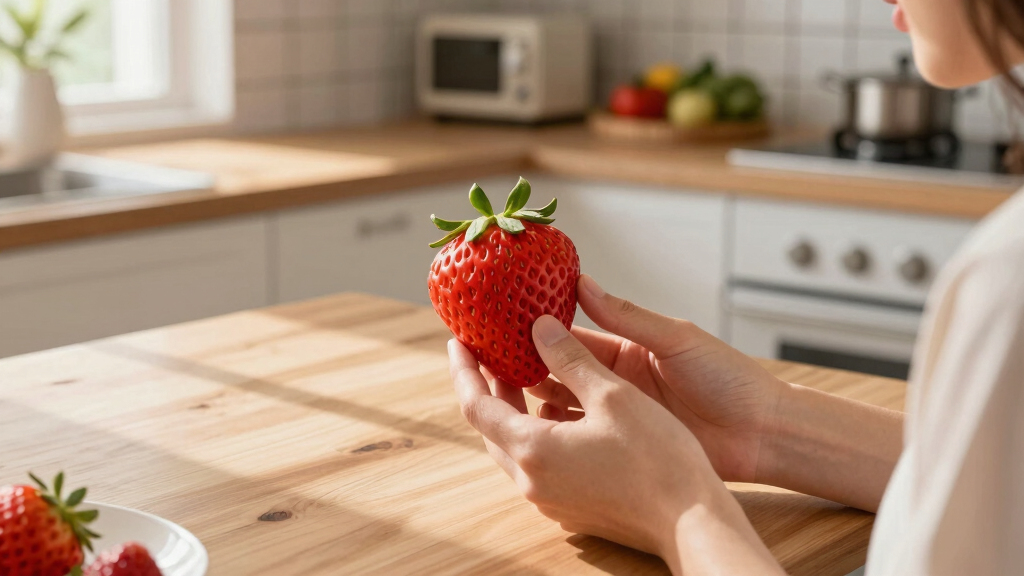
A developer posted a high-resolution, multi-perspective Gaussian splat visualization of a strawberry on Show HN. The image was created using advanced macro photography and AI training with slang-splat, highlighting new imaging capabilities. The project is available for download and has garnered interest for its technical detail.
A developer has shared a highly detailed Gaussian splat visualization of a strawberry on Hacker News, showcasing a combination of macro photography and AI training techniques, which has attracted significant attention in the tech community.

Get the latest gadgets delivered free with Prime
- Fast, free delivery on millions of items
- Prime Video, Amazon Music and more included
- Member-only deals all year
The visualization was created using 90 different perspectives, with 88 focus-stacked images, captured via a Nikon Z8 full-frame camera with a Laowa 180mm macro lens, LED lighting, and bluescreen background. The images were processed with slang-splat, an AI training tool available on GitHub, which allows for advanced image synthesis and rendering. The project is publicly accessible, with the dataset available on Patreon and the work licensed under CC BY, encouraging reuse and attribution.
The creator emphasized that the images were generated through a combination of high-resolution macro photography and AI-driven splatting techniques, which simulate the appearance of a strawberry in a highly detailed, multi-perspective manner. The process involved complex data collection, focus stacking, and training of AI models to produce the final visualization, which is intended to demonstrate new capabilities in digital imaging and AI-assisted rendering.
Why It Matters
This development highlights ongoing advancements in AI-assisted imaging and visualization, potentially impacting fields such as digital art, scientific imaging, and machine learning. The ability to produce highly detailed, multi-perspective renderings of objects like strawberries could influence future research, creative projects, and the development of more sophisticated visual AI tools. The open availability of the dataset and tools also encourages community engagement and further experimentation in this area.
Products Worth Considering
Apple Watch SE (2nd Generation) GPS 40mm Smartwatch with Midnight Aluminum Case and Midnight Sport Band (S/M)

Amazon Kindle Scribe (16GB) with Premium Pen, Tungsten

Bose QuietComfort Ultra Headphones (2nd Gen), Wireless Noise Cancelling Over-Ear Headphones, Driftwood Sand
As an affiliate, we earn on qualifying purchases.
Background
Recent years have seen rapid progress in AI-driven image synthesis, with tools like slang-splat enabling more realistic and detailed renderings. Focus stacking and macro photography have long been used in scientific imaging to capture fine details, but combining these techniques with AI training represents a new frontier. The project builds on prior work in neural rendering and multi-view synthesis, showcasing how these methods can be integrated for detailed object visualization. The sharing of such high-quality datasets and models on platforms like GitHub and Patreon reflects a broader trend toward open research and community collaboration in AI and imaging fields.
“This visualization demonstrates the potential of combining macro photography with AI training to produce highly detailed, multi-view renderings of complex objects.”
— Dany Bittel, the creator
“It’s impressive to see such a detailed multi-perspective rendering of a strawberry, especially considering the use of focus stacking and AI training.”
— Hacker News commenter
What Remains Unclear
It is not yet clear how this technique compares in efficiency and scalability to other AI rendering methods, or how it might be applied to larger or more complex objects. The practical applications and potential limitations of this approach are still being explored.
What’s Next
Further development may include refining the AI models for faster rendering, expanding datasets to include more objects, and exploring real-time applications. The creator plans to continue sharing datasets and tools to foster community experimentation and innovation in AI imaging.
Key Questions
What is a Gaussian splat in imaging?
A Gaussian splat is a rendering technique that simulates the appearance of a point spread or blob, often used in neural rendering to create detailed images from multiple perspectives.
How was the strawberry visualization created?
It was created using 90 perspectives with focus stacking, macro photography, and AI training with slang-splat, a tool for neural image synthesis.
Can I access the dataset and tools used?
Yes, the creator has made the dataset available on Patreon and the training tool under CC BY license, encouraging reuse with attribution.
What are the potential applications of this technology?
Potential applications include scientific imaging, digital art, product visualization, and advances in neural rendering techniques.
Source: Hacker News