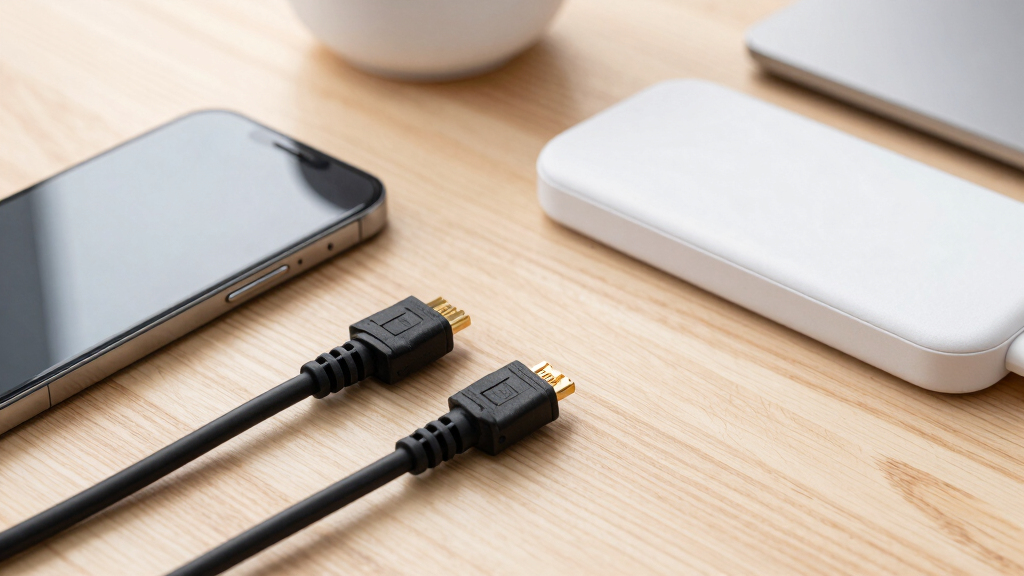

TL;DR
A DAC (Direct Attach Copper) cable is a fixed-length copper cable with modules at each end, used for short-distance high-speed device connections. It is cost-effective compared to optical solutions but limited in length and flexibility. Its role remains crucial within racks as speeds increase.
A DAC (Direct Attach Copper) cable is a fixed-length copper cable with modules at each end, used for high-speed device communication within racks. It is a cost-effective alternative to optical cables for short distances, but its length and flexibility are limited. This explanation clarifies what DACs are and why they remain relevant in data centers and enterprise networks.
DAC cables consist of twinax copper cables with modules at each end, typically with connectors like QSFP+ or QSFP28. They enable direct electrical communication between devices such as switches, NICs, and servers over short distances, generally up to 5 meters, depending on the speed and vendor specifications.
There are two main types: passive DACs, which use no power and are simpler, and active DACs, which require power but can reach slightly longer distances. As data rates increase beyond 100GbE, DACs tend to become thicker and stiffer due to increased shielding, making routing more challenging. Unlike fiber optic cables, DACs are less sensitive to bend radius, simplifying installation within racks.
DACs are favored mainly because of their lower cost and energy efficiency compared to optical transceivers and fiber cables. They are primarily used for intra-rack connections, where their limited length is not a constraint. The industry is moving toward optical solutions for longer distances, but DACs remain prevalent for high-speed, short-distance links.
Why It Matters
The continued use of DAC cables matters because they provide a cost-effective, reliable, and energy-efficient solution for high-speed intra-rack data transmission. As network speeds increase to 400GbE and beyond, understanding DAC limitations and advantages helps data center operators optimize infrastructure investments. Their simplicity and lower operating costs make DACs a preferred choice for short-range connections, although their role is expected to diminish for longer distances.
As an affiliate, we earn on qualifying purchases.
Background
In 2021, the networking industry is transitioning from copper-based DACs to optical solutions for longer-range links. DACs have historically supported speeds up to 40GbE and 100GbE, with newer models supporting higher speeds but at increased physical and cost complexity. The trend toward higher speeds, such as 400GbE, underscores the importance of understanding DAC limitations, including maximum length and rigidity, which influence rack design and deployment strategies.
“DAC cables are a cost-effective solution for short-distance high-speed connections within racks, but their physical and length limitations become more apparent at higher speeds.”
— Industry expert
“DACs are simpler, less power-hungry, and cheaper than optics, making them ideal for intra-rack connectivity, but their physical constraints limit their use at higher speeds and longer distances.”
— Hacker News source
high-speed copper DAC cable 40GbE
As an affiliate, we earn on qualifying purchases.
As an affiliate, we earn on qualifying purchases.
What Remains Unclear
It remains unclear how rapidly DACs will be phased out in favor of optical solutions, especially as data rates continue to climb beyond 100GbE. The exact future role of active versus passive DACs in evolving network architectures is also still developing, with some vendors introducing new models that may extend their usability.
As an affiliate, we earn on qualifying purchases.
What’s Next
Next steps include industry adoption of higher-speed DACs, advancements in shielding and flexibility, and increased deployment of optical solutions for longer distances. Monitoring vendor releases and standards updates will clarify how DACs evolve in the coming years.
short-range intra-rack DAC cable
As an affiliate, we earn on qualifying purchases.
As an affiliate, we earn on qualifying purchases.
Key Questions
What is a DAC cable used for?
A DAC cable is used for high-speed, short-distance connections between devices like switches, servers, and NICs within data centers or racks.
How long can a DAC cable typically be?
Most DAC cables are limited to about 5 meters or less, depending on speed and vendor specifications.
Are DACs better than optical cables?
DACs are generally cheaper, less power-consuming, and easier to install for intra-rack use, but optical cables support longer distances and higher speeds beyond 100GbE.
What are the main types of DACs?
There are passive DACs, which use no power and are simpler, and active DACs, which require power for slightly longer reach and better signal integrity.
Source: Hacker News