
TL;DR

Get the latest gadgets delivered free with Prime
- Fast, free delivery on millions of items
- Prime Video, Amazon Music and more included
- Member-only deals all year
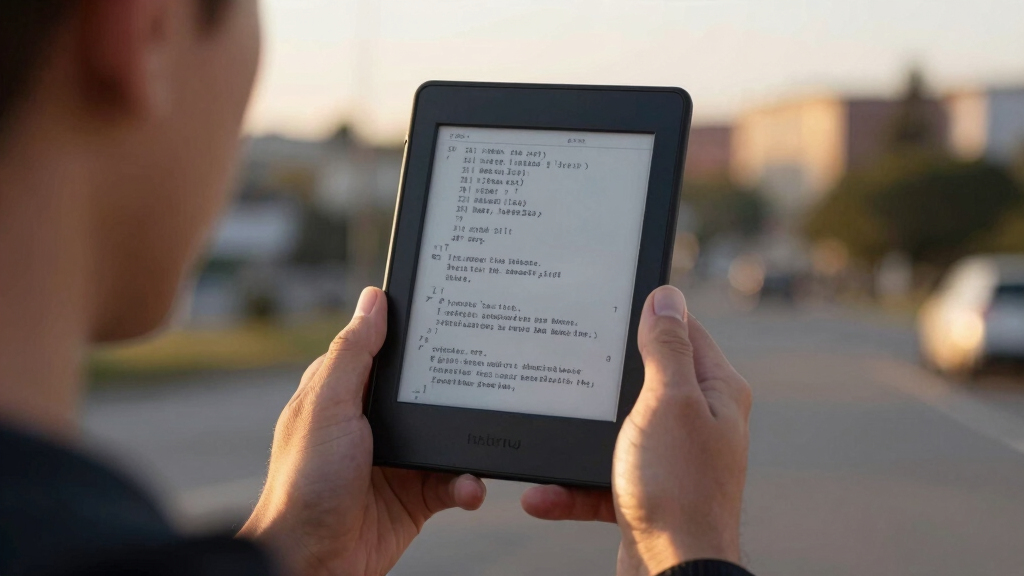
A hobbyist has jailbroken a Kindle Paperwhite and compiled Rust with the Slint UI library to run on its e-ink display. This demonstrates the device’s potential for custom software beyond e-readings, though some device-specific adjustments are needed.
A developer has successfully ported Rust and the Slint UI library to a jailbroken Kindle Paperwhite, enabling the device to run custom applications with graphical interfaces, marking a significant technical achievement for hobbyists and developers.
The developer, Pete Cordell, jailbroke his 7th generation Kindle Paperwhite and used cross-compilation tools such as cargo-zigbuild to compile Rust for the ARMv7 architecture supported by the device. He then established SSH access via USBNetwork, allowing him to transfer and run compiled binaries on the Kindle.
Using Slint, a lightweight UI library, Cordell managed to render graphics on the Kindle’s e-ink screen by writing rasterized output directly to the framebuffer at /dev/fb0. He also configured touch input handling by reading from /dev/input/event1, interpreting the Linux multi-touch protocol to generate input events that Slint could process. After extensive debugging, he achieved a working interface, including a simple button and counter application, demonstrating the device’s potential for custom graphical interfaces.
Why It Matters
This development showcases the potential for repurposing e-readers like the Kindle for custom computing projects, including dashboards, smart home controls, or other embedded applications. It highlights the flexibility of Linux-based devices and the possibilities unlocked by open-source tools and community hacking, expanding the device’s use cases beyond reading.
Products Worth Considering

Amazon Kindle Scribe Colorsoft, 64GB, 11-Inch Color Display with Premium Pen

Amazon Kindle Scribe (32GB) with Premium Pen, Tungsten

Amazon Kindle Scribe (64GB) with Premium Pen, Metallic Jade
As an affiliate, we earn on qualifying purchases.
Background
The Kindle Paperwhite runs a Linux kernel and has a history of being jailbroken by enthusiasts seeking to extend its functionality. Prior efforts have included installing alternative firmware or running simple applications, but this is the first documented effort to run a full Rust environment with a graphical UI library like Slint on the device. Cross-compilation for ARMv7 and the use of tools like cargo-zigbuild facilitated this process, leveraging the device’s Linux kernel and framebuffer interface.
“Getting Rust and Slint to run on the Kindle was a matter of cross-compiling, setting up device access, and carefully interfacing with the framebuffer and input devices.”
— Pete Cordell
“This shows how flexible and hackable the Kindle is, even years after its release, if you’re willing to tinker.”
— Hacker News user
What Remains Unclear
It is not yet clear how stable or portable this setup will be across different Kindle models or firmware versions. The current implementation may require device-specific adjustments, and performance or power management considerations are still untested.
What’s Next
The developer plans to refine the interface, improve stability, and explore additional features such as persistent storage of applications or integration with smart home systems. Further community efforts may adapt this work for other Kindle models or similar e-ink devices.
Key Questions
Can this method be used on all Kindle models?
Currently, this porting work is specific to the 7th generation Kindle Paperwhite. Other models may require different adjustments due to hardware or firmware differences.
Is jailbreaking a Kindle legal?
Jailbreaking is generally considered legal in many jurisdictions for personal use, but it may void warranties and violate terms of service. Users should research local laws and risks before proceeding.
What can I do with Rust and Slint on a Kindle?
Potential applications include custom dashboards, smart home controls, or experimental interfaces. The current project demonstrates proof of concept but is not yet optimized for everyday use.
Will this affect the Kindle’s battery life?
This has not been thoroughly tested. Running custom applications and graphics may impact battery consumption, especially on e-ink displays which are optimized for low power use during static images.
Source: Hacker News