

📊 Full opportunity report: Single Digits: The April That Closed the Open-Weight Gap on ThorstenMeyerAI.com — validation score, market gap, and execution plan.
TL;DR
In April 2026, multiple open-weight AI models achieved benchmark scores comparable to proprietary closed models, closing the performance gap to single digits. This shift impacts enterprise AI spending, model selection, and regulatory considerations.
In April 2026, the performance gap between open-weight and closed proprietary AI models has narrowed to single digits across major benchmarks, according to recent evaluations. This development challenges the longstanding dominance of closed models in enterprise AI and could significantly alter spending and deployment strategies.
Over the past month, six labs released new open-weight models, including DeepSeek V4-Pro, Qwen 3.6-35B-A3B, Llama 4, Gemma 4, Mistral Small 4, and Zhipu AI’s GLM-5.1. Benchmark scores across tasks such as reasoning, coding, long-context retrieval, multimodal understanding, and tool use now show the performance of open models within a few points of closed models like Anthropic’s Claude and OpenAI’s GPT-6.
For instance, on the GSM8K reasoning benchmark, the best open-weight model scored 92.4, compared to 95.1 for the closed frontier in March 2026, reducing the gap to just 2.7 points. Similarly, in code generation and multimodal tasks, the differences have shrunk significantly. This marks a dramatic shift from earlier in the year, when open models lagged by double-digit margins.
Industry analysts note that this convergence is driven by advances in distillation, open-base weights, and scaling efforts. The new benchmarks suggest that open models are now viable alternatives for a broad range of enterprise applications, from customer support to document analysis, at a fraction of the cost of proprietary APIs.
Implications for Enterprise AI Spending and Strategy
This convergence in performance means enterprises can now consider open-weight models as cost-effective alternatives to expensive API-based solutions. The economic calculus shifts dramatically: hosting open models may cost a fraction of API fees, and model selection will increasingly depend on routing and integration rather than raw performance. Additionally, this trend raises questions about the future of proprietary model licensing and regulatory oversight, especially as open models gain enterprise trust and adoption.
As an affiliate, we earn on qualifying purchases.
Recent Industry Movements and Benchmark Trends
Throughout April 2026, multiple AI labs released significant open-weight models, including DeepSeek V4-Pro with one trillion parameters, Qwen 3.6-35B-A3B by Alibaba, Llama 4 by Meta, Gemma 4 by Google, Mistral Small 4, and Zhipu AI’s GLM-5.1. These releases followed a pattern of rapid iteration, with benchmark scores published shortly after each launch. Historically, closed models like GPT-6, Claude 5, and Gemini 3 maintained a substantial lead, but recent evaluations show open models closing the gap to single digits across tasks like reasoning, code generation, and multimodal understanding.
Experts attribute this progress to advances in distillation techniques, open base weights, and increased access to large-scale compute. The shift signifies a potential paradigm change in how enterprises evaluate AI solutions, moving from reliance on proprietary APIs to self-hosted, open-weight models that offer comparable performance at lower costs.
“Our latest model demonstrates that open-weight architectures can achieve state-of-the-art performance, challenging the traditional reliance on proprietary models.”
— DeepSeek AI spokesperson
As an affiliate, we earn on qualifying purchases.
Remaining Questions About Long-Term Impact
It is still unclear how sustained this performance convergence will be, especially as closed labs plan to introduce next-generation models with potentially larger gaps. Regulatory responses to open-weight proliferation and the actual enterprise adoption rates remain uncertain. Additionally, the long-term implications for licensing, sovereignty, and compute restrictions are still developing and could influence future industry dynamics.
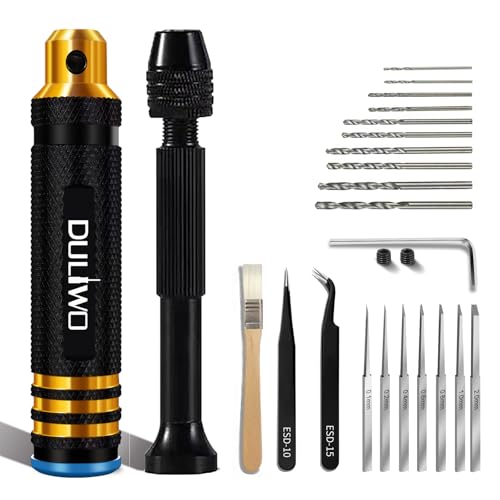
DULIWO Model Scriber Tool Kit, 7-Blade Chisel Set for Gunpla
- Complete Model Kit Tools: Includes scribe, drill, tweezers, and brush
- High-Quality Blades: Tungsten steel, wear-resistant, long-lasting sharpness
- Ergonomic Handle: Lightweight, non-slip aluminium alloy handle
As an affiliate, we earn on qualifying purchases.
As an affiliate, we earn on qualifying purchases.
Next Steps for Model Development and Industry Adoption
Expect closed labs to respond by raising the bar with new models like GPT-6 and Gemini 3, potentially re-establishing performance gaps temporarily. Meanwhile, enterprises are advised to pilot open-weight models for cost savings and flexibility. Regulatory bodies may also introduce new compute thresholds or licensing restrictions to control open-weight model proliferation, shaping the competitive landscape in the coming months.
As an affiliate, we earn on qualifying purchases.
Key Questions
What does the narrowing performance gap mean for enterprise AI costs?
It suggests that enterprises can achieve similar AI capabilities with open models at a fraction of the cost of API-based solutions, potentially reducing AI budgets significantly.
Will closed models maintain their competitive edge?
Likely, at least temporarily. Closed labs plan to release more advanced models soon, which could re-establish performance advantages. However, open models are rapidly catching up.
How does this affect AI licensing and sovereignty concerns?
Open-weight models are increasingly important as licensing restrictions on proprietary models tighten, and sovereignty considerations grow, especially with models originating from different jurisdictions.
What should companies do now?
Companies spending heavily on closed APIs should consider testing open-weight models for cost savings and flexibility. Building workflows and trust layers around open models can also provide strategic advantages.
What are the regulatory implications of this shift?
Regulators may introduce restrictions on open-weight training or inference to maintain control, which could influence the pace of open model proliferation and enterprise adoption.
Source: ThorstenMeyerAI.com