
📊 Full opportunity report: Avengers Labs: How Ukraine Turned Its Front Line Into the World’s Scarcest AI Dataset on ThorstenMeyerAI.com — validation score, market gap, and execution plan.
TL;DR
Ukraine has created a platform, Avengers Labs, that captures and shares battlefield drone data for AI training. This data-driven approach aims to enhance Ukraine’s autonomous drone capabilities and signals a shift in defense technology ownership.
Ukraine has transformed its battlefield drone footage into a highly sought-after AI training resource through the Avengers Labs platform, effectively turning combat data into a strategic asset. This development signals a shift in how defense AI is built and owned, with Ukraine asserting control over the world’s most extensive collection of verified combat imagery.
Avengers Labs, operated by Ukraine’s Ministry of Defense within the Brave1 defense-innovation cluster, provides domestic and international defense firms access to millions of annotated drone footage frames captured during real combat missions. The platform allows participants to train, validate, and refine AI models without exposing raw footage, maintaining data security while maximizing its utility.
Ukraine’s Defense Minister Mykhailo Fedorov has emphasized the value of this data, describing it as unmatched globally—comprising diverse imagery of battlefield scenarios, including thermal signatures, camouflaged targets, and targets in various weather conditions. This dataset is viewed as a sovereign export, giving Ukraine a strategic advantage in AI-driven defense technology.
The core of the initiative is the Avengers platform, which uses computer vision to detect, classify, and track enemy targets in real time, feeding into Ukraine’s battlefield management system. The goal is to equip all frontline drones with autonomous vision capabilities to counter electronic warfare, particularly GPS and radio jamming by Russian forces.
Avengers Labs
Ukraine’s Ministry of Defense is renting access to the world’s only large-scale, real-war computer-vision dataset. The terms: train your model inside the protected Dataroom — Ukraine keeps the finished AI.
Inside the Dataroom
- Structured visual & thermal imagery of aerial and ground targets
- Hard cases: camouflaged armor, night, fog, rain, multiple sensors
- Feeds the Avengers platform inside the DELTA / VEZHA system
- Focus track: automatic detection & interception of enemy drones
The goal
- 100% of frontline drones with onboard machine vision
- Autonomous navigation in GPS-denied / jammed (EW) skies
- Autonomous Shahed interception — human keeps the trigger
- Scaling vs. Shahed launches rising ~35% / month
Strategic Shift in Defense Data Ownership
Ukraine’s approach highlights a new model in defense technology: owning and controlling battlefield data as a sovereign asset. By creating a secure environment for AI training on real combat footage, Ukraine is setting a precedent that could influence global defense strategies. This shift could accelerate the development of autonomous weapons and surveillance systems, making battlefield data a key resource in modern warfare. The ability to train AI models on verified, diverse combat scenarios enhances operational effectiveness, especially in electronic warfare environments where conventional communication links are compromised.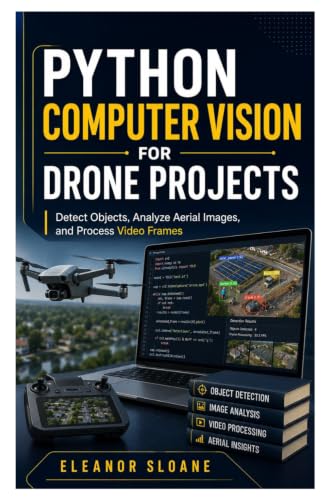
Python Computer Vision for Drone Projects: Detect Objects, Analyze Aerial Images, and Process Video Frames
As an affiliate, we earn on qualifying purchases.
As an affiliate, we earn on qualifying purchases.
Ukraine’s Battlefield Data as a Global Defense Asset
Ukraine has accumulated a vast repository of combat drone footage, capturing real-world scenarios under various conditions. This dataset, collected over tens of thousands of drone sorties, includes thermal signatures, camouflaged targets, and targets in adverse weather. Defense officials have described this as the most extensive and verified combat data set in the world, which Ukraine now treats as a strategic asset. The platform’s development aligns with Ukraine’s broader efforts to leverage digital transformation and AI for battlefield advantage, especially as Russian electronic warfare tactics intensify. International partners like the U.S. firm Palantir have helped build the secure infrastructure for data sharing and AI training, fostering a new defense-industrial model based on data sovereignty."Ukraine holds an unmatched body of battlefield data—millions of annotated frames—that is now a sovereign export, essential for AI development."
— Mykhailo Fedorov, Ukraine’s Defense Minister

Autel Robotics EVO II Dual 640T V3, 640x512 Thermal Imaging Drone, RemoteID
- Authorized Distributor: Autel Robotics USA authorized seller
- Thermal Imaging Sensor: 640x512 resolution for detailed thermal images
- Thermal Sensor Features: 13mm lens, 16x digital zoom, 100m recognition range
As an affiliate, we earn on qualifying purchases.
As an affiliate, we earn on qualifying purchases.
Uncertainties Over Data Security and Global Adoption
It remains unclear how widely other countries or non-Ukrainian defense firms will adopt Ukraine’s model. Questions also persist about the long-term security of the data, potential vulnerabilities in the platform, and the extent to which this approach will influence international defense procurement and AI development strategies.
Autonomous Drones II: Robotic, Computer Vision, AI
As an affiliate, we earn on qualifying purchases.
As an affiliate, we earn on qualifying purchases.
Next Steps in Expanding and Securing Ukraine’s AI Data Platform
Ukraine plans to expand Avengers Labs’ capabilities, increase international participation, and further develop autonomous drone systems powered by its data. Monitoring how other nations respond and whether Ukraine’s model influences global defense data strategies will be key. Additionally, efforts to enhance data security and prevent potential leaks or cyber threats will be prioritized as the platform scales.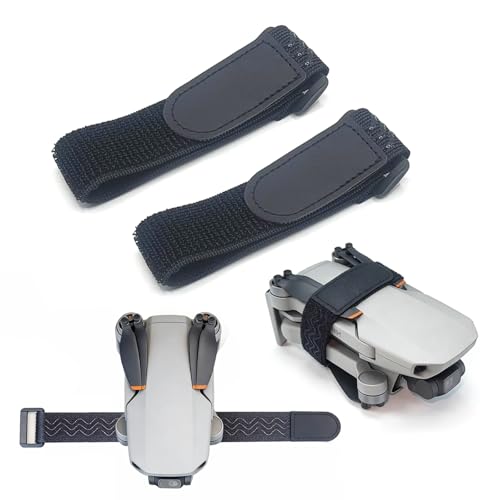
Mcokoe Universal Drone Propeller Holder Strap Accessories,Elastic Propeller Guard for Mini 2, 3, 4 Pro/Mavic 2 Pro, Air 2s, Air 3, 3 pro,FIMI X8SE/FIMI X8 Mini,Black 2-Pack(11.81inch)
- Universal Compatibility: Fits popular drone models and accessories
- Multi-Purpose Use: Also for bundling gear and luggage
- Heavy-Duty Elastic Material: Resists stretching and maintains shape
As an affiliate, we earn on qualifying purchases.
As an affiliate, we earn on qualifying purchases.
Key Questions
How does Ukraine control access to its battlefield data?
Data is shared within a secure environment called the Brave1 Dataroom, which restricts raw footage access and only allows training on structured, annotated datasets. Sensitive material remains protected, and only AI models or capabilities are exported.
What types of AI models are being trained with this data?
Models include computer vision systems for target detection, classification, and tracking, which are integrated into Ukraine’s battlefield management and autonomous drone systems.
Could this approach be adopted by other countries?
While technically feasible, adoption depends on geopolitical considerations, data security concerns, and the willingness of other nations to develop similar sovereign datasets. Ukraine’s model is unique due to its extensive combat data and strategic context.
What are the risks associated with owning such combat data?
Risks include potential cyberattacks, data leaks, or misuse. Ukraine is implementing strict security protocols, but the strategic value of the data makes it a target for adversaries.
Source: ThorstenMeyerAI.com