
TL;DR

Get the latest gadgets delivered free with Prime
- Fast, free delivery on millions of items
- Prime Video, Amazon Music and more included
- Member-only deals all year
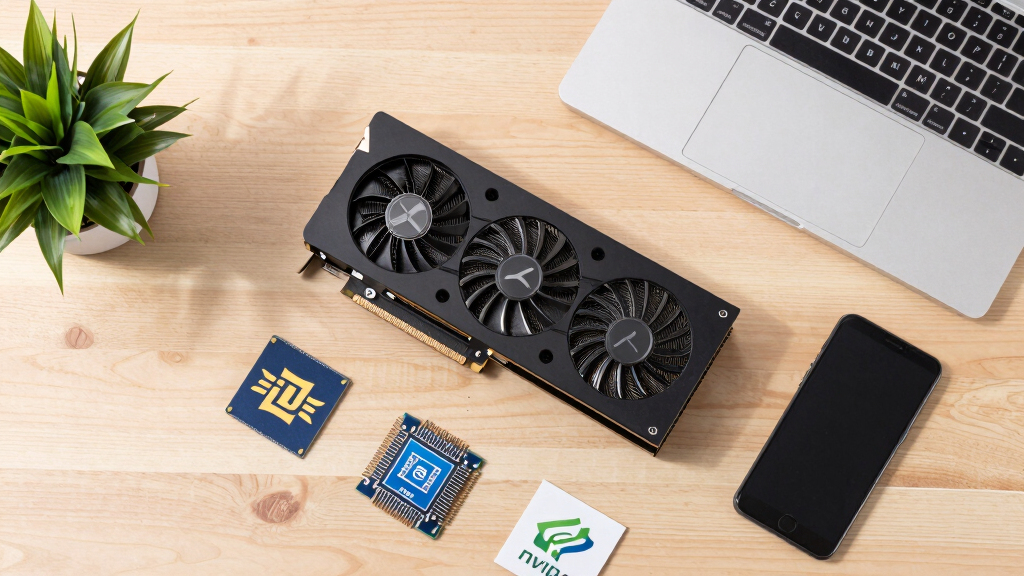
Nvidia and Asia’s leading chip companies are experiencing unprecedented profits due to the surge in AI chip demand. Nvidia’s earnings tripled, and TSMC, Samsung, and SK Hynix report record profits, revealing a major industry boom. However, benefits are uneven, raising questions about wealth distribution and industry sustainability.
Nvidia, the U.S. semiconductor giant, has reported its highest-ever quarterly earnings, with net profit tripling year-on-year, driven by the booming demand for AI chips. At the same time, Asia’s top chip manufacturers—TSMC, Samsung Electronics, and SK Hynix—have all announced record profits, underscoring a historic industry surge. This development highlights the significant financial gains generated by the AI-driven semiconductor market, affecting global industry dynamics and economic equity.
Nvidia’s latest quarterly earnings reveal a net profit nearly twice that of major cloud computing firms like Microsoft and Amazon, reflecting its dominant position in the AI chip market. The company’s market capitalization has soared to approximately $5 trillion, making it the world’s most valuable company, with valuations about 18 times higher than Toyota.
Meanwhile, TSMC, Samsung Electronics, and SK Hynix, key producers of high-performance chips and memory used in AI data centers, have all reported record profits. SK Hynix, in particular, achieved an operating margin exceeding 70% in its recent quarter, driven by strong sales of high-bandwidth memory (HBM) used in AI servers.
Why It Matters
This industry boom signifies a major shift in the global technology landscape, with chipmakers reaping enormous profits from AI infrastructure demand. It also highlights the concentration of wealth in a few companies and raises questions about economic inequality, especially in South Korea, where labor tensions and wealth disparities are growing. The surge underscores the importance of semiconductors as critical infrastructure for AI development, with potential implications for global supply chains and geopolitical strategies.
As an affiliate, we earn on qualifying purchases.
Background
The current industry boom follows years of cyclical volatility in the semiconductor sector, characterized by demand surges and supply shortages. Historically, such booms are followed by downturns caused by overinvestment. The present cycle is considered the largest in industry history, fueled by the rapid adoption of AI technologies and the need for high-performance chips. Notably, Nvidia’s rise and the profits of Asian chip giants reflect a broader shift towards AI-centric hardware, with large investments and valuations reflecting this trend.
“The boom is also generating enormous profits for Asia’s three chip giants, with SK Hynix posting an operating margin exceeding 70% in its recent quarter.”
— Akito Tanaka, Nikkei Asia
“We are in the largest boom phase the semiconductor industry has ever seen, but the cyclical nature means we should be cautious about potential downturns.”
— Industry analyst
high-performance AI memory modules
As an affiliate, we earn on qualifying purchases.
As an affiliate, we earn on qualifying purchases.
What Remains Unclear
It is not yet clear how sustainable these high profit levels are long-term, given historical industry cycles. Additionally, the distribution of wealth gains remains uneven, especially in South Korea, where labor tensions are rising. The geopolitical implications of AI chip dominance and supply chain dependencies are still evolving and could influence future industry dynamics.
TSMC semiconductor manufacturing equipment
As an affiliate, we earn on qualifying purchases.
As an affiliate, we earn on qualifying purchases.
What’s Next
Industry analysts expect continued growth in AI chip demand, with companies investing heavily in new manufacturing capacity. Regulatory and geopolitical developments may also influence supply chains and market valuations. Monitoring upcoming earnings reports and industry policy shifts will be essential to assess whether this boom persists or faces a correction.
Samsung high bandwidth memory (HBM)
As an affiliate, we earn on qualifying purchases.
As an affiliate, we earn on qualifying purchases.
Key Questions
Why are Nvidia and Asian chip companies experiencing such high profits now?
The surge in AI development and deployment has driven unprecedented demand for high-performance semiconductors, benefiting Nvidia and Asian manufacturers like TSMC, Samsung, and SK Hynix, which supply essential chips and memory for AI data centers.
Is this industry boom sustainable?
While current demand is exceptionally high, semiconductor cycles are historically volatile. Sustained growth depends on continued AI adoption, technological advancements, and supply chain stability, but a downturn could occur if investments overshoot or demand slows.
How is the wealth generated by this boom distributed?
Despite record profits, benefits are uneven. In South Korea, for example, labor tensions and wealth concentration are increasing, with debates over how gains should be shared among stakeholders.
What are the geopolitical implications of this semiconductor surge?
Dominance in AI chips could influence global power dynamics, supply chain security, and trade policies, especially as countries seek to secure critical technological infrastructure.
Source: Nikkei Asia
Fall Picks
fall essentials
As an affiliate, we earn on qualifying purchases.