TL;DR
Listen free for 30 days with Audible
Thousands of audiobooks and originals — cancel anytime.
As an affiliate, we earn on qualifying purchases.
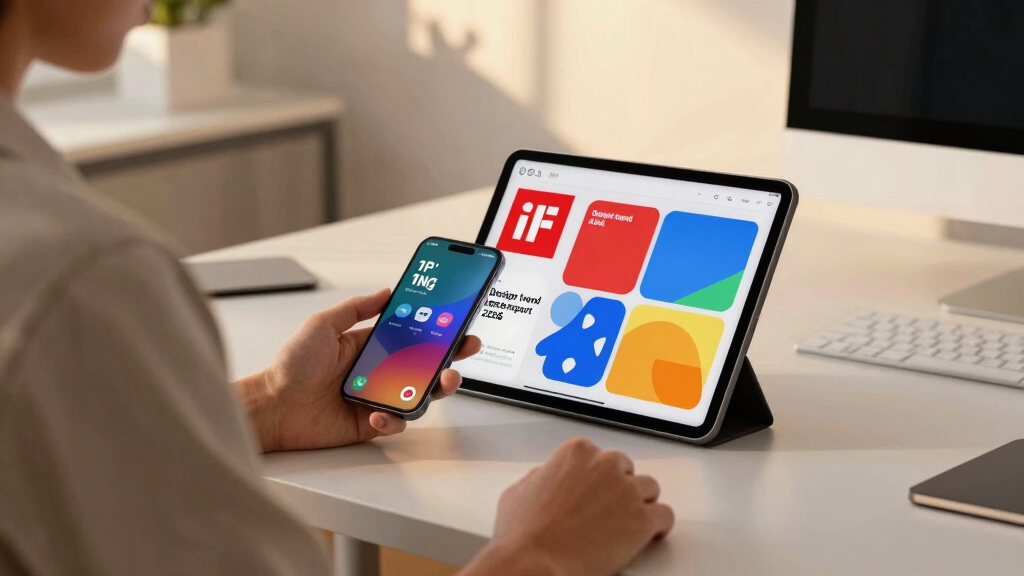
The iF Design Trend Report 2026 provides a comprehensive analysis of global macro shifts affecting commercial real estate (CRE). It maps out how design strategies must adapt to social, ecological, and technological transformations. The report emphasizes the importance of systemic thinking for future success.
The iF Design Trend Report 2026 was released today, offering a detailed analysis of how global social, ecological, and technological transformations are reshaping creative strategies across industries, including commercial real estate (CRE). The report emphasizes that success in the future will depend on strategic thinking that integrates systemic change, moving beyond surface aesthetics to address deeper societal needs.
Grounded in extensive research and enriched by insights from the iF DESIGN AWARD 2026, the report identifies four key diametrical trend pairs that reflect the intersection of technological, social, and ecological shifts. These pairs reveal how contemporary design must navigate complex tensions, such as the dominance of homogenized aesthetics versus authentic community-driven innovation, or the push for hyper-convenience versus skill-based engagement.
One notable trend highlighted is the shift from the ‘Age of Average’—characterized by homogenized global styles driven by AI—to Recoupling Design, which emphasizes organic cultural patterns and community-driven authenticity. This shift is particularly relevant for CRE, where authentic, localized experiences are increasingly valued. The report also discusses the move from convenience-focused solutions to skillization, encouraging designs that activate and empower users, fostering personal growth and engagement in physical and digital spaces.
Further, the report explores the ecological dimension, contrasting Next Nature—where buildings and infrastructure are conceived as living systems supporting non-human life—with Human Enhancement, which seeks to expand human biological limits through high-tech interventions. These trends influence how future urban environments and commercial spaces will be conceived, emphasizing sustainability and human-centric innovation.
Implications of Macro Shifts for Commercial Real Estate
The report underscores that understanding these macro societal shifts is crucial for CRE stakeholders aiming to develop resilient, future-proof properties. As urban environments evolve to incorporate ecological and technological innovations, real estate strategies must adapt to attract tenants and investors seeking authentic, sustainable, and engaging spaces. Recognizing systemic change enables CRE professionals to align their developments with emerging societal values, ensuring competitiveness in a rapidly changing landscape.
sustainable commercial building materials
As an affiliate, we earn on qualifying purchases.
As an affiliate, we earn on qualifying purchases.
Background of the iF Design Trend Report 2026
The iF Design Trend Report, now in its fifth edition, synthesizes insights from over 10,000 submissions to the iF DESIGN AWARD 2026 from around 70 countries. It combines quantitative data with expert analysis, reflecting diverse cultural and economic contexts. The report’s focus on systemic change aligns with ongoing global discussions about sustainability, technological integration, and social cohesion, making it a vital strategic tool for industries including CRE.
“The 2026 report emphasizes that success in design and CRE will depend on our ability to think systemically, integrating ecological, social, and technological dimensions into future strategies.”
— Martin Darbyshire, iF Design Jury Member
urban ecological infrastructure products
As an affiliate, we earn on qualifying purchases.
As an affiliate, we earn on qualifying purchases.
Uncertainties in Applying Macro Trends to CRE
While the report offers a comprehensive framework, specific strategies for integrating these macro shifts into CRE projects remain to be detailed. It is not yet clear how regional differences will influence the application of these trends or how quickly industry stakeholders will adapt to such systemic insights.
community-driven design furniture
As an affiliate, we earn on qualifying purchases.
As an affiliate, we earn on qualifying purchases.
Next Steps for CRE Stakeholders and Designers
Industry professionals should monitor ongoing discussions and pilot projects that incorporate these systemic trends. Further research and case studies are expected to clarify how to best embed ecological, social, and technological principles into CRE development. Engagement with the report’s insights will be crucial for developing resilient, future-oriented properties.
human-centric smart building technology
As an affiliate, we earn on qualifying purchases.
As an affiliate, we earn on qualifying purchases.
Key Questions
How does the iF Design Trend Report 2026 influence CRE development?
The report provides strategic insights into macro societal shifts, encouraging CRE developers to incorporate ecological, social, and technological trends into their planning and design processes to future-proof their assets.
What are the key design trends highlighted for 2026?
Key trends include the shift from homogenized aesthetics to community-driven authenticity, the move from convenience to skillization, and ecological approaches that treat buildings as living systems.
Are these trends applicable globally or regionally?
The report synthesizes global insights but emphasizes that local cultural, economic, and geographic conditions will influence how these trends are adopted and adapted in different regions.
What challenges do CRE professionals face in applying these insights?
Challenges include translating systemic macro trends into practical development strategies, managing regional differences, and aligning stakeholder interests around sustainable, innovative design principles.
When will we see these trends reflected in actual CRE projects?
Implementation is ongoing, with some projects already integrating these principles. Widespread adoption is expected to accelerate over the next few years as awareness and technological capabilities grow.
Source: designboom
Fall yard work Picks
leaf blowers
As an affiliate, we earn on qualifying purchases.