
TL;DR

Get the latest gadgets delivered free — and shop member deals
- Fast, free delivery on millions of items
- Access to Prime Big Deal Days deals on October 6–7
- Prime Video, Amazon Music and more included
Japan’s NSK and NTN announced a merger to form the world’s largest bearing manufacturer, aiming for economies of scale. The deal is confirmed and will reshape the industry landscape.
Japan’s NSK and NTN have announced their plan to merge, creating the world’s largest bearing manufacturer. The deal aims to improve competitiveness amid rising costs and intensifying global competition, making it a significant development in the industrial manufacturing sector.
The two companies, both based in Japan, confirmed the merger on May 13, 2026. NSK President Akitoshi Ichii and NTN President Eiichi Ukai jointly announced the agreement at a news conference. The merger will combine their operations, aiming to achieve significant economies of scale to better manage rising raw material and production costs. The companies did not specify the exact timeline for the completion but indicated the process is underway, with the goal of finalizing the deal later in 2026.
This strategic move comes amid a broader industry trend of consolidation driven by mounting global competition and cost pressures. Both firms have faced challenges from low-cost manufacturing regions and technological shifts requiring increased R&D investment. The merged entity is expected to strengthen their market position across automotive, industrial, and aerospace sectors, where bearings are critical components.
Why It Matters
This merger is significant because it will create the world’s largest bearing manufacturer, potentially reshaping industry dynamics. It allows the combined company to leverage greater scale for cost management, R&D, and global expansion. For customers, it could mean more integrated product offerings; for competitors, increased pressure in a competitive market. The deal also signals a broader trend among Japanese manufacturers to consolidate in response to global economic pressures.
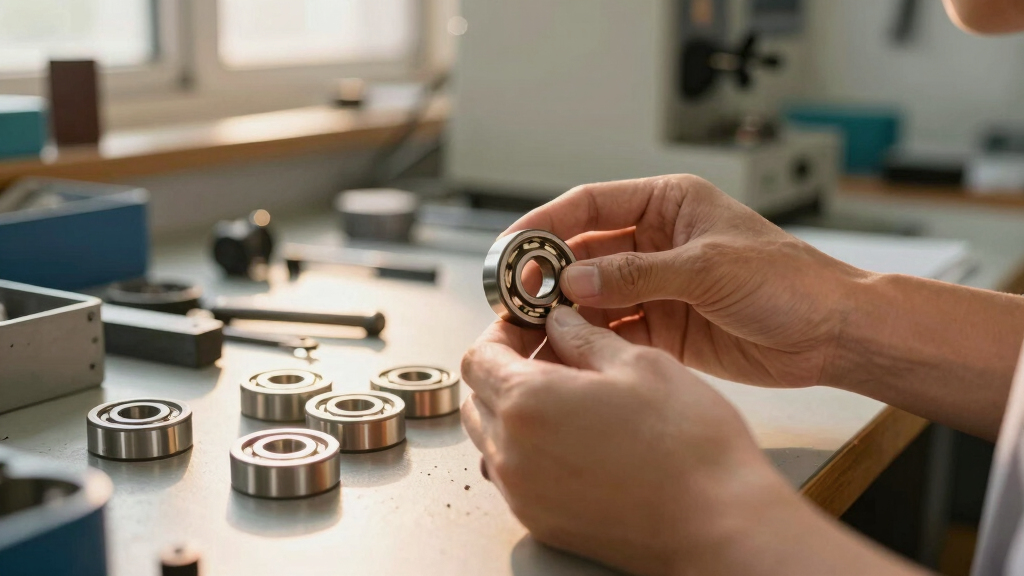
high precision industrial bearings
As an affiliate, we earn on qualifying purchases.
As an affiliate, we earn on qualifying purchases.
Background
Japan’s NSK and NTN have long been key players in the bearing industry, which is vital for automotive, machinery, and aerospace applications. Both companies have faced increasing competition from low-cost producers in Asia and technological shifts demanding innovation. Prior to this announcement, industry consolidation was seen as a way to maintain competitiveness and profitability. The deal follows similar trends in manufacturing sectors worldwide, where scale is increasingly necessary to survive rising costs and technological change.
“This merger will enable us to better serve our global customers and strengthen our technological capabilities.”
— NSK President Akitoshi Ichii
“By combining resources, we aim to lead the industry in quality and technological development.”
— NTN President Eiichi Ukai
As an affiliate, we earn on qualifying purchases.
What Remains Unclear
It is not yet clear how the integration process will unfold, including potential layoffs, restructuring, or the impact on existing customer relationships. Details on the merger timeline and regulatory approvals are still emerging.
As an affiliate, we earn on qualifying purchases.
What’s Next
The companies are expected to begin the integration process, with the merger likely to complete later in 2026. Stakeholders will watch for updates on regulatory approval, restructuring plans, and strategic initiatives post-merger.
As an affiliate, we earn on qualifying purchases.
Key Questions
Why are NSK and NTN merging?
The merger aims to create the world’s largest bearing manufacturer to achieve economies of scale, reduce costs, and strengthen global competitiveness amid rising industry pressures.
When will the merger be finalized?
The companies have not specified an exact date but aim to complete the merger later in 2026, pending regulatory approval and integration processes.
How will this affect existing customers?
Details are still emerging, but the merger could lead to more integrated product offerings and potentially improved service; however, restructuring may also cause short-term disruptions.
What does this mean for competitors?
The creation of the largest player in the industry could intensify competition, prompting other firms to consider their strategic options, including further consolidation or innovation efforts.
What industries will benefit from this merger?
Automotive, industrial machinery, aerospace, and other sectors that rely on bearings are expected to benefit from the increased capacity and technological capabilities of the merged company.
Evergreen bestsellers Picks
bestsellers
As an affiliate, we earn on qualifying purchases.