
TL;DR

Get the latest gadgets delivered free — and shop member deals
- Fast, free delivery on millions of items
- Access to Prime Big Deal Days deals on October 6–7
- Prime Video, Amazon Music and more included
Japan has raised visa fees by 500% to address overtourism, following a surge in international visitors. The government also reduced passport application costs to encourage travel. The move aims to balance tourism growth with sustainable management.
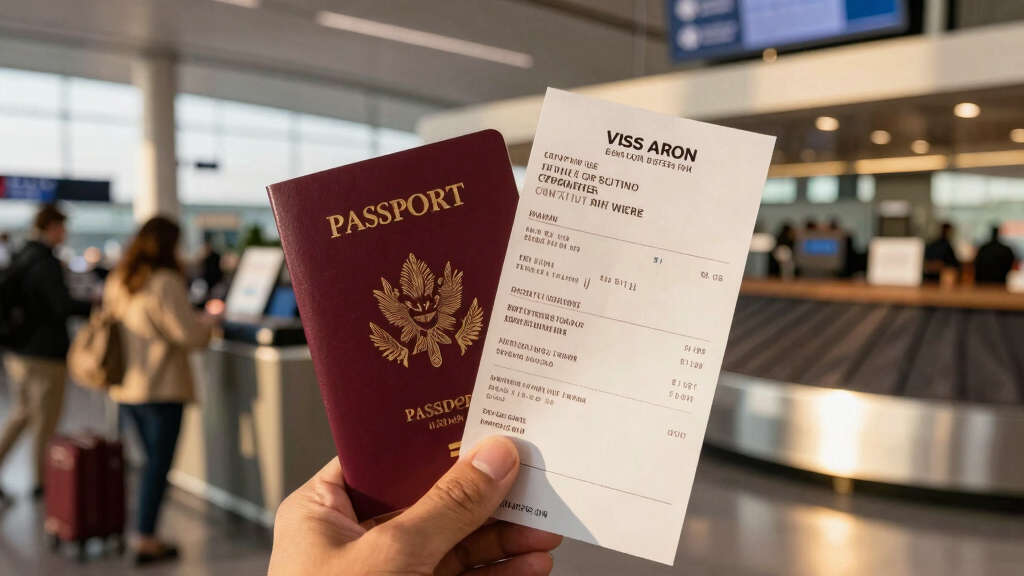
Japan has raised visa fees for overseas travelers by five times, effective immediately, as part of its efforts to manage the recent surge in international visitors and address overtourism concerns. The government also cut passport application fees to encourage more citizens to travel abroad, aiming to balance tourism growth with sustainable practices.
The Japanese government announced the fee hike on July 1, 2026, in response to a sharp increase in international arrivals, particularly at major airports like Narita and Kansai. The new visa fee now stands at approximately 20,000 yen, up from the previous 4,000 yen, according to official sources. This move is part of broader measures to regulate tourist inflows and prevent infrastructure strain in popular destinations.
Simultaneously, Japan reduced passport application fees from 16,000 yen to 11,000 yen, aiming to encourage Japanese citizens to travel abroad and diversify inbound tourism sources. Officials stated that these changes are part of a strategic effort to promote sustainable tourism management while supporting citizens’ travel needs.
Experts and industry insiders have expressed mixed reactions; some see the fee increase as a necessary step to prevent overtourism, while others warn it could deter casual travelers and impact the tourism sector. The government emphasized that these measures are temporary and subject to review based on tourism trends.
Implications for Japan’s Tourism and Economy
The fee increase signifies Japan’s recognition of overtourism as a challenge affecting infrastructure, local communities, and environmental sustainability. By raising visa costs, the government aims to temper the rapid growth of visitors, which has strained transportation, accommodation, and public services in key regions. The move could influence future tourism policies and international travel patterns, potentially making Japan less accessible for some travelers but more sustainable overall.
Reducing passport fees may encourage more Japanese citizens to travel abroad, potentially shifting some tourism demand outward and easing pressure on domestic destinations. Overall, these measures reflect a balancing act between economic benefits from tourism and maintaining quality of life for residents.
As an affiliate, we earn on qualifying purchases.
Japan’s Recent Tourism Trends and Policy Responses
Japan experienced a significant rebound in international visitors after the pandemic, with arrivals reaching record levels in 2025. Major gateways like Narita Airport have seen congestion, and popular tourist spots have faced overcrowding. In response, authorities have previously discussed measures to control growth, including infrastructure investments and visitor caps.
The government’s decision to hike visa fees follows similar policies in other countries seeking to manage tourism impacts. Historically, Japan has maintained relatively low visa fees, but the recent surge prompted a shift toward more restrictive measures to ensure sustainable tourism development.
This policy change aligns with broader efforts to balance economic gains from tourism with environmental and social considerations, amid ongoing debates about overtourism’s long-term effects.
“The visa fee increase is a necessary step to manage the surge in visitors and protect our communities and infrastructure.”
— an anonymous government official
As an affiliate, we earn on qualifying purchases.
Uncertain Impact on Tourism Growth and Visitor Behavior
It remains unclear how significantly the fee increase will influence overall visitor numbers or whether it will lead to a decline in international arrivals. The long-term effects on tourism revenue and local communities are still to be assessed, and official data on the immediate impact has yet to be released.
Additionally, the response from the travel industry and foreign governments remains uncertain, as some may view the fee hike as a barrier to travel, potentially affecting diplomatic and economic relations.
As an affiliate, we earn on qualifying purchases.
Monitoring Tourism Trends and Policy Adjustments
The Japanese government is expected to monitor the impact of the fee increase over the coming months, with potential adjustments based on visitor data and economic outcomes. Officials may also consider complementary measures, such as visitor caps or infrastructure investments, to further manage tourism growth.
Stakeholders from the tourism sector and international travelers will likely observe how these policies influence travel patterns and Japan’s attractiveness as a destination in the near future.
sustainable travel accessories Japan
As an affiliate, we earn on qualifying purchases.
As an affiliate, we earn on qualifying purchases.
Key Questions
Why did Japan raise visa fees now?
The government increased visa fees in response to a surge in international visitors and concerns over overtourism, aiming to regulate growth and protect local infrastructure.
How much are the new visa fees?
The visa fees have increased fivefold, now approximately 20,000 yen, up from 4,000 yen.
Will lowering passport fees encourage more travel?
Yes, reducing passport application costs from 16,000 yen to 11,000 yen aims to encourage Japanese citizens to travel abroad, diversifying tourism sources.
Could these measures affect Japan’s tourism industry?
Potentially, the fee hike might reduce some casual or budget travelers, but it is intended to promote sustainable tourism and prevent infrastructure strain.
Are these policies permanent?
Officials have indicated that these measures are temporary and will be reviewed based on their effectiveness and tourism trends.
Source: Nikkei Asia
Halloween Picks
halloween
As an affiliate, we earn on qualifying purchases.