TL;DR

Get the latest gadgets delivered free — and shop member deals
- Fast, free delivery on millions of items
- Access to Prime Big Deal Days deals on October 6–7
- Prime Video, Amazon Music and more included
Japan has doubled down on managing its tourism surge by raising visa fees fivefold and reducing passport costs. The move aims to control overtourism while encouraging more citizens to travel abroad.
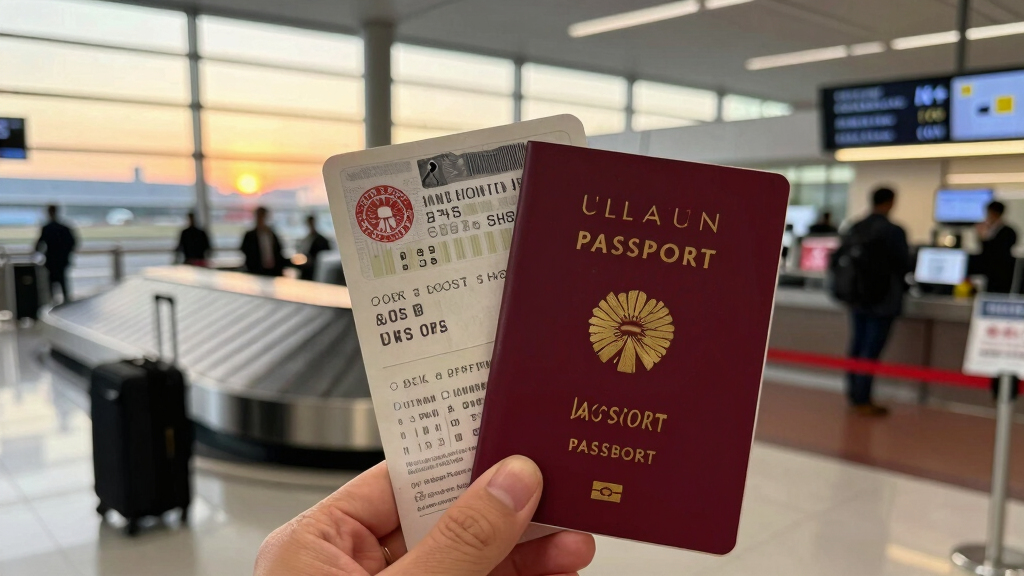
Japan has raised visa fees for international travelers entering the country by five times, effective immediately on July 1, 2026, as part of efforts to manage the sharp increase in overseas visitors and address overtourism concerns. The government also cut passport application fees to encourage Japanese citizens to travel abroad.
The Japanese government announced the immediate implementation of a fivefold increase in visa fees for most foreign visitors, a move aimed at reducing the strain on infrastructure and local communities caused by the recent surge in tourism. At the same time, the government reduced passport application fees to support domestic travel among Japanese citizens, according to officials.
Officials stated that the visa fee hike is part of a broader strategy to balance tourism growth with sustainable management of resources. The new visa fee structure varies by country, but the general increase applies across most categories of short-term visitors. The passport fee reduction is intended to promote outbound travel, easing the domestic travel burden and boosting Japanese outbound tourism.
While the government has not provided specific figures on the expected impact, the move has garnered mixed reactions from industry stakeholders, with some expressing concern over potential deterrence of international visitors, while others see it as a necessary step to prevent infrastructure overload.
Implications for Japan’s Tourism and Local Communities
This policy shift signals Japan’s intent to control the rapid growth of inbound tourism, which has led to overtourism in major cities and popular sites. The increased visa fees may slow the influx of visitors, helping to reduce congestion, environmental degradation, and strain on local services. Simultaneously, lowering passport fees aims to encourage Japanese citizens to explore abroad, potentially balancing domestic and international travel flows.
For travelers, these changes could mean higher costs for visiting Japan but more manageable tourism levels. For Japan’s economy, the move reflects an effort to sustain tourism without damaging infrastructure or quality of life for residents.
As an affiliate, we earn on qualifying purchases.
Japan’s Tourism Growth and Policy Response
Japan experienced a record surge in international visitors following the easing of pandemic restrictions, with numbers reaching over 32 million in 2025, according to official statistics. This growth has strained transportation, accommodation, and public services, prompting policymakers to seek measures to mitigate overtourism’s impacts.
Historically, Japan has balanced tourism promotion with sustainability concerns, but the recent influx has accelerated calls for stricter controls. The government’s decision to raise visa fees aligns with similar measures by other countries seeking to manage tourism growth sustainably.
Previous efforts included promoting domestic tourism and reducing passport costs to encourage Japanese citizens to travel abroad, aiming to diversify travel patterns and lessen pressure on popular sites.
“The visa fee increase is a necessary step to manage the surge in visitors and ensure sustainable tourism growth.”
— an anonymous government official
As an affiliate, we earn on qualifying purchases.
Unclear Impact on Tourism Numbers and Local Communities
It is not yet clear how significantly the visa fee increase will affect the volume of international visitors or whether it will effectively reduce overtourism. The long-term impact on Japan’s tourism industry and local communities remains to be seen, as other factors such as marketing and global travel trends could influence outcomes.
As an affiliate, we earn on qualifying purchases.
Monitoring Tourism Trends and Policy Adjustments
Japan’s government is expected to monitor tourism data closely over the coming months to assess the impact of the fee increase. Further policy adjustments may follow if visitor numbers decline significantly or if tourism-related economic activity is adversely affected. Officials may also refine fee structures or introduce additional measures to balance growth and sustainability.
As an affiliate, we earn on qualifying purchases.
Key Questions
Why did Japan raise visa fees now?
The government increased visa fees immediately to address the rapid rise in overseas visitors and prevent overtourism-related issues such as congestion and environmental degradation.
How much have visa fees increased?
Visa fees have been increased by five times for most categories of short-term travelers, though specific rates vary by country.
Will lower passport fees encourage more Japanese to travel abroad?
Yes, the government reduced passport application fees to promote outbound travel among Japanese citizens, aiming to balance domestic and international tourism.
Could this policy hurt Japan’s tourism industry?
Potentially, higher visa fees might deter some visitors, but officials argue that managing growth is necessary for sustainable tourism and infrastructure preservation.
What other measures is Japan taking to manage tourism?
Previous measures include promoting domestic tourism and reducing passport fees to encourage outbound travel, alongside discussions on infrastructure improvements and visitor management strategies.
Source: Nikkei Asia
Halloween Picks
halloween
As an affiliate, we earn on qualifying purchases.