
TL;DR

Get the latest gadgets delivered free — and shop member deals
- Fast, free delivery on millions of items
- Access to Prime Big Deal Days deals on October 6–7
- Prime Video, Amazon Music and more included
Pakistan has announced a reduction in fees at Gwadar port to encourage transit traffic from Iran. This move aims to position Pakistan as a key regional trade hub, especially for cargo related to Iran, amid ongoing geopolitical tensions. The development is confirmed, but the full impact remains to be seen.
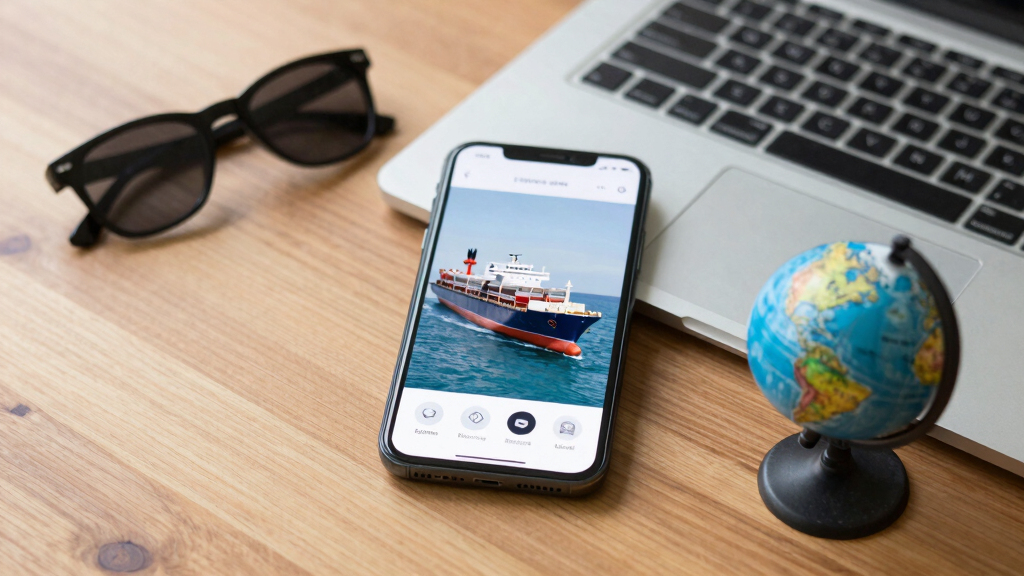
Pakistan has officially reduced fees at the Gwadar port to attract more transit cargo from Iran, aiming to position itself as a regional trade hub amid ongoing tensions in the Middle East.
The Pakistani government announced on May 15, 2026, that it has cut port fees at Gwadar, a strategic deep-sea port in southwestern Pakistan. The move is intended to incentivize foreign cargo carriers, particularly those transporting goods to and from Iran, to use Gwadar for transit. Officials believe this could increase traffic through the port, boosting regional trade and revenue.
Iran, which has faced sanctions and regional isolation, continues to seek alternative routes for its trade. Pakistan’s decision aligns with its broader strategy to become a logistics hub for Iran and other neighboring countries. The fee reductions are part of Pakistan’s efforts to capitalize on the shifting geopolitics in the Middle East, especially as Iran seeks to bypass U.S.-imposed sanctions and expand its trade networks.
Why It Matters
This development is significant because it signals Pakistan’s strategic push to become a key transit corridor connecting Iran to global markets. If successful, it could alter regional trade flows, reduce Iran’s dependence on traditional routes, and potentially increase Pakistan’s economic influence. The move also reflects Pakistan’s desire to capitalize on regional tensions and position itself as a neutral trade facilitator amid complex geopolitics.
As an affiliate, we earn on qualifying purchases.
Background
Pakistan’s Gwadar port, developed with Chinese investment as part of the China-Pakistan Economic Corridor (CPEC), has long been viewed as a strategic asset for regional trade. Historically, Iran has relied on overland routes through Pakistan for trade, but U.S. sanctions and regional tensions have complicated this. Recently, Iran has sought to diversify its trade routes, including through the northern and eastern corridors.
This fee reduction follows Pakistan’s broader efforts to attract more international shipping and transit traffic, especially from Iran, which faces sanctions that hinder its ability to trade freely. The move also comes amid ongoing tensions in the Middle East, with Iran seeking to maintain and expand its trade networks despite U.S. and regional pressures.
“We are offering substantial incentives to encourage transit cargo through Gwadar, especially from Iran, to strengthen regional connectivity.”
— Pakistani government official
“Pakistan’s move could provide Iran with a new route to bypass sanctions, but the actual volume of traffic remains uncertain.”
— Iranian trade analyst
As an affiliate, we earn on qualifying purchases.
What Remains Unclear
It is still unclear how much transit traffic from Iran will actually shift to Gwadar following the fee reductions. The full economic impact and regional response are also still developing, with logistical and political factors potentially influencing outcomes.
As an affiliate, we earn on qualifying purchases.
What’s Next
Next steps include monitoring actual cargo volumes passing through Gwadar, assessing Iran’s response, and observing regional diplomatic developments. Pakistan may further adjust policies to attract more traffic, while Iran evaluates alternative routes and partners.
As an affiliate, we earn on qualifying purchases.
Key Questions
Why is Pakistan reducing fees at Gwadar port?
Pakistan aims to attract more transit cargo, especially from Iran, to boost regional trade and port revenue, leveraging its strategic location.
How might this impact Iran’s trade routes?
If successful, it could provide Iran with a new overland route to bypass sanctions and access global markets via Pakistan’s Gwadar port.
What are the regional implications of this move?
The move could shift trade flows in the Middle East and South Asia, potentially increasing Pakistan’s influence as a regional logistics hub amid ongoing geopolitical tensions.
Are there any risks associated with this strategy?
Potential risks include logistical challenges, regional political opposition, and uncertain demand, which could limit the actual increase in transit traffic.
Fall Picks
fall essentials
As an affiliate, we earn on qualifying purchases.