
🔍 Read the full analysis: SpaceX Plans To Build AI Campuses And Support Infrastructure In Two States on ThorstenMeyerAI.com

Get the latest gadgets delivered free with Prime
- Fast, free delivery on millions of items
- Prime Video, Amazon Music and more included
- Member-only deals all year
TL;DR
SpaceX announced plans for two large AI computing projects: a facility near Brownsville, Texas, and a campus in Cochise County, Arizona. The company says the projects represent more than $74 billion in planned investment, but both require local approvals and some key details remain unresolved.
SpaceX announced plans on November 12 to build two large AI computing campuses, one near its Starbase launch site in Texas and another in Cochise County, Arizona. The company says the projects represent more than $74 billion in planned investment; both still need local approvals, and details about Texas power and water use remain incomplete.
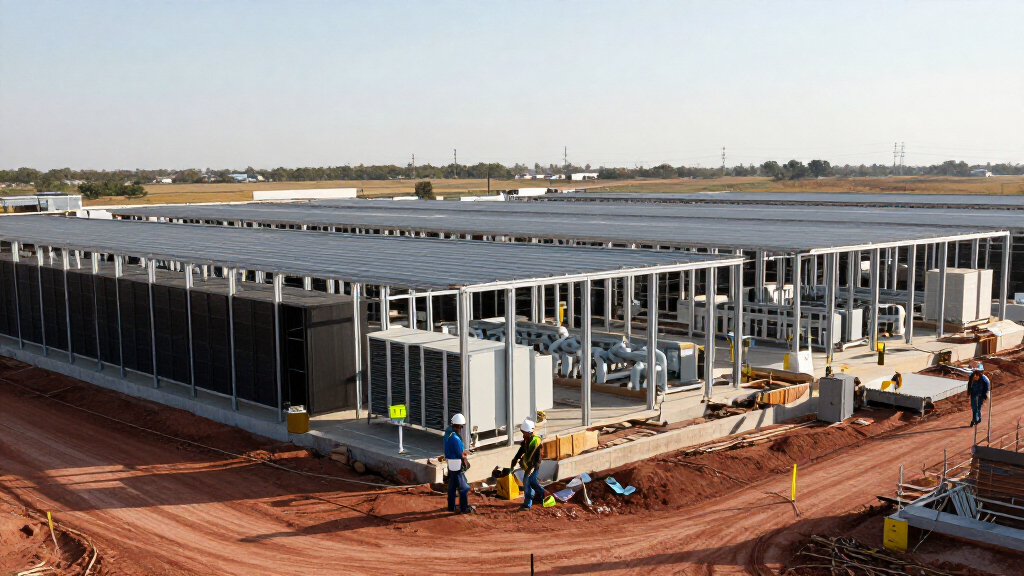
In Texas, SpaceX says it plans to invest more than $24 billion in computing infrastructure on an approximately 444-acre site near the Port of Brownsville. A Starbase city notice describes the project as a gas-fired power plant and super-compute facility, with an estimated initial-phase investment of about $24 billion and possible later expansion. SpaceX says the facility will generate its own electricity rather than draw from the public grid.
The company says the Texas project is intended to train AI systems and develop and test technology for future space-based computing. SpaceX reports that construction has generated more than 3,000 jobs so far and projects more than 500 permanent jobs once the facility is operating. It also says it has committed $220 million toward water and wastewater infrastructure in Brownsville and Cameron County, including $40 million already provided. Those regional infrastructure commitments do not establish how much water the computing facility itself will use.
In Arizona, SpaceX describes a roughly $50 billion campus planned across about 747 acres near Cochise. The county application, filed by Tombstone Resources L.L.C., proposes up to nine computing buildings, each about 493,000 square feet, built in four phases. The application projects power demand of about 1,500 megawatts in the first phase and approximately 6 gigawatts at full build-out, supplied through the grid. It estimates annual water use of 7 to 10 acre-feet at full build-out, mostly for staff, and describes dry cooling without cooling towers.
SpaceX plans two AI campuses with local approval ahead
The proposed Texas and Arizona projects represent more than $74 billion in planned investment. Their power, water and permitting details remain central to whether they can proceed.
Two campuses, different power plans
Both proposals would bring large computing facilities to local communities.
On-site generation
Near Brownsville, the proposed facility includes gas-fired power and super-computing. SpaceX says it would generate its own electricity.
Grid connection
The Cochise County application proposes up to nine computing buildings, with power supplied through the grid.
Arizona’s proposed resource demands
The application describes a phased campus that would reach its stated full-build scale over time.
What the plans could mean locally
- Texas construction has generated more than 3,000 jobs so far.
- SpaceX projects more than 500 permanent Texas jobs.
- SpaceX says Arizona cooperative members could see lower power bills.
- Texas infrastructure commitments include $220 million for water and wastewater systems.
- Texas facility water use and computing capacity are unspecified.
- Arizona’s final power arrangements and approvals remain unclear.
- Both projects still require local decisions.
- Final costs, schedules and full build-out are not established.
The next local decisions
The listed reviews are milestones, not final approval of every permit.
The Planning and Zoning Commission is scheduled to hear application SU26-22.
The City Commission is scheduled to consider a property-tax abatement related to the Texas project.
Additional filings could clarify power supply, environmental permits, water demand and construction phases.
Local Power and Water Stakes
The plans would add major electricity demand in two regions while placing different demands on local infrastructure. The Texas site is described by the city as including its own gas-fired generation; the Arizona application instead proposes a large grid connection. In Arizona, the stated full-build power requirement is about 6 gigawatts, making the electricity supply arrangement and its approvals central to whether the project can proceed as proposed.
For residents, the projects could mean construction work, permanent jobs, new infrastructure spending and local tax or utility decisions. SpaceX says the Arizona project could support lower power bills for members of the local electric cooperative, but that outcome depends on the electricity arrangements and regulatory approval. The proposed scale also makes public review of land use, power delivery, water, and emissions relevant beyond the company’s investment figure.
The projects also mark a shift in the immediate location of SpaceX’s AI infrastructure plans. The company has previously promoted space-based computing as a response to rising terrestrial electricity demand. These proposals put substantial computing facilities on the ground, though SpaceX says the Texas site will also help develop technology for future space-based systems.
Products Worth Considering

Logitech MX Master 4 Ergonomic Wireless Mouse with Haptic Feedback, Graphite

DJI Osmo Mobile 8 Phone Gimbal with Mic Mini Transmitter, Infinity Black

Samsung Odyssey G3 G30D 27-Inch FHD Gaming Monitor
As an affiliate, we earn on qualifying purchases.
From Orbital Computing to Local Sites
In February, when SpaceX announced it had acquired xAI, the company argued that global electricity demand for AI could not be met by terrestrial solutions in the near term without burdening communities and the environment. Its proposed answer included data centers in orbit. The November announcement adds two proposed land-based campuses, while SpaceX presents the Texas facility as supporting development of future space-computing technology.
The two projects are documented differently. SpaceX’s project materials identify it with the Texas plan and the Arizona campus, while the Arizona land-use application names Tombstone Resources L.L.C. and does not name SpaceX. Tombstone’s statement for a November 4 town hall said SpaceX would host the meeting, and SpaceX’s own project page identifies the Arizona investment. Local notices and filings describe the proposed sites and approval processes; they do not mean construction has been authorized.
SpaceX’s combined figure of more than $74 billion is a planned investment claim, not a report of money already spent. The Starbase notice puts initial Texas capital investment at approximately $24 billion, while SpaceX describes the Arizona commitment as $50 billion. Both figures concern proposed projects that remain subject to local decisions.
“Together, they represent more than $74 billion in planned American investment.”
— SpaceX, in its November 12 announcement
Power, Water and Approval Gaps
Neither project has received all the local approvals needed to proceed. The Starbase City Commission is scheduled to consider a property-tax abatement on December 9, while the Cochise County Planning and Zoning Commission is scheduled to hold a hearing on the Arizona application that day. A hearing or consideration of an abatement is not the same as final approval of all project permits.
Several Texas operating details are not specified in the cited company statement or city notice, including the computing facility’s capacity, its direct water use and the size of the proposed tax break. The 956 Report has described turbine figures based on an air-registration filing with the Texas Commission on Environmental Quality, but those reported details are separate from the information in the city notice and do not answer the facility’s water-use question.
For Arizona, the application sets out a proposed grid connection and SpaceX says cooperative members could see lower bills, but the final electricity arrangement and any required utility-regulator approval remain unclear. The county filing is under Tombstone Resources’ name, and the public materials cited here do not resolve every contractual or regulatory step connecting the project to power supply. Construction schedules, final costs and whether the projects will be built at their proposed full scale have not been established.
December Reviews Set the Next Test
The next listed local milestones are both scheduled for December 9, 2026. Cochise County’s Planning and Zoning Commission is due to hear the Arizona land-use application, SU26-22. In Starbase, the City Commission is expected to consider a property-tax abatement related to the Texas project. The outcomes and any conditions attached to them will help clarify whether the plans can advance locally.
Readers should also watch for additional filings and project disclosures on power supply, environmental permits, water demand and construction phasing. In Arizona, decisions on the proposed grid connection and the review of the county application will help establish whether the stated power and cost commitments are workable. In Texas, further city, environmental or utility-related documents could clarify the on-site generation and resource requirements. Until those steps are documented, the investment totals, job projections and promised community benefits remain company projections tied to proposed projects.
Key Questions
What did SpaceX announce?
SpaceX said it plans two AI computing projects: a facility near Starbase and the Port of Brownsville in Texas, and a campus in Cochise County, Arizona. It puts their combined planned investment at more than $74 billion.
How will the two campuses get electricity?
SpaceX says the Texas facility will generate its own electricity. The Arizona application proposes grid power delivered through local cooperatives, with demand reaching about 6 gigawatts at full build-out. The final arrangements and approvals are not yet clear.
How much water will the projects use?
The Arizona application estimates 7 to 10 acre-feet per year at full build-out, mostly for staff, and describes dry cooling. The cited Texas materials do not specify how much water the computing facility itself would use. SpaceX’s regional water-infrastructure commitment is separate from that facility-specific figure.
Have local officials approved the projects?
Not on the basis of the cited materials. Cochise County’s planning and zoning hearing and Starbase’s consideration of a property-tax abatement are scheduled for December 9, 2026. Those proceedings do not by themselves confirm that every required approval has been granted.
How many jobs are projected?
SpaceX reports more than 3,000 construction jobs so far and projects more than 500 permanent jobs for the Texas facility. The Arizona application projects about 5,500 construction workers at peak, roughly 250 staff when the first buildings open and about 1,000 at full build-out. These are project estimates, not confirmed future employment totals.
Source: ThorstenMeyerAI.com