
TL;DR
A new book by Geoffrey Cain explores Steve Jobs’s years at NeXT Computer, revealing how this period shaped his later success at Apple. The book emphasizes his learning curve and NeXT’s technological contributions.
A new book, “Steve Jobs in Exile,” by Geoffrey Cain, details the life and work of Steve Jobs during his years at NeXT Computer from 1985 to 1997, a period often overlooked in his legacy.

Get the latest gadgets delivered free with Prime
- Fast, free delivery on millions of items
- Prime Video, Amazon Music and more included
- Member-only deals all year
The book highlights how Jobs’s time at NeXT was marked by significant technological innovations, especially in software development, and how these years contributed to his later success at Apple. Cain conducted interviews with former colleagues and emphasizes that Jobs’s growth during this period was crucial to his later achievements.
Cain explains that NeXT was initially a failure, with the company laying off more than half of its employees and struggling to find a market. However, during this time, Jobs learned important lessons about product design, software integration, and market strategy that he later applied at Apple. The book also notes that many of the operating systems and software innovations pioneered at NeXT form the foundation of Apple’s current ecosystem.
Why It Matters
This book matters because it sheds light on a less-known chapter of Steve Jobs’s career, offering insights into his development as a leader and innovator. Understanding his NeXT years helps explain how he refined his vision for seamless hardware-software integration, which became central to Apple’s later success. The story also underscores how failure and learning can lead to future breakthroughs in technology and leadership.
Products Worth Considering
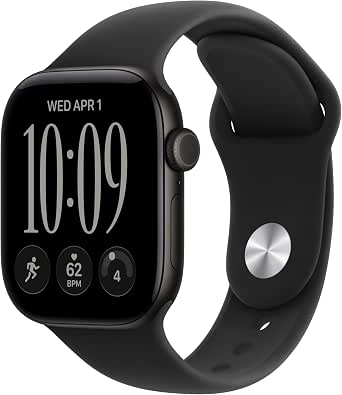
Apple Watch Series 12 GPS 42mm Smartwatch

Apple AirPods Pro 3 Wireless Earbuds

Apple iPad 11-inch (A16), 128GB, Wi-Fi, Silver
As an affiliate, we earn on qualifying purchases.
Background
Steve Jobs co-founded Apple in 1976, but was ousted in 1985 after internal conflicts. He then founded NeXT, which aimed at high-end computing for academic and professional markets. Despite initial struggles, NeXT developed pioneering software and hardware, including the first app store on a NeXT computer. Jobs returned to Apple in 1997, leading the company to a renaissance with products like the iMac, iPod, and iPhone. The NeXT software and hardware innovations directly influenced Apple’s ecosystem, making this period a critical, yet often overlooked, chapter of his career.
“The story we always hear about Steve Jobs is that he founded Apple, was fired, and then returned to create the iPhone. But his years at NeXT were just as formative, shaping many of the innovations that define Apple today.”
— Geoffrey Cain
“NeXT was a failure initially, but it was a crucible for Jobs’s growth as a leader and innovator, and its technological foundations are still present in Apple’s operating systems.”
— Cain interview with IEEE Spectrum
What Remains Unclear
It is not yet clear how much new archival material or interviews will be included in the book, or how it will reshape existing narratives about Jobs’s career. Details about the book’s specific content and revelations remain to be seen upon its release.
What’s Next
The book “Steve Jobs in Exile” will be published on May 19, 2026. Following its release, reviews and analyses are expected to explore its insights into Jobs’s development and NeXT’s technological innovations. Additional interviews or commentary from the author may further clarify the impact of this period on modern computing.
Key Questions
Why was Steve Jobs exiled from Apple?
Steve Jobs was ousted from Apple in 1985 following internal conflicts and disagreements over the company’s direction. This led him to focus on NeXT, where he continued to innovate.
What were the major innovations at NeXT Computer?
NeXT developed pioneering software, including object-oriented programming and the first app store on a computer. Its hardware and software laid the groundwork for many modern operating systems.
How did Jobs’s NeXT years influence his later work at Apple?
Jobs’s experiences at NeXT taught him about software integration, product design, and market strategy, which he applied when returning to Apple to lead the company’s resurgence.
Will the book reveal new, previously unknown details about Jobs’s time at NeXT?
It is not yet clear what specific new information the book will contain, but it aims to shed light on this overlooked chapter of his life and its impact on his legacy.