
TL;DR

Get the latest gadgets delivered free — and shop member deals
- Fast, free delivery on millions of items
- Access to Prime Big Deal Days deals on October 6–7
- Prime Video, Amazon Music and more included
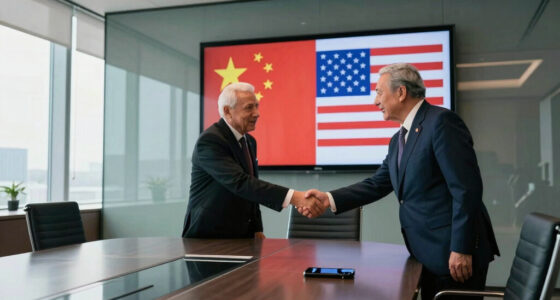
In 2025, China’s top automakers received the highest government subsidies, with Great Wall Motor leading. Meanwhile, a US-sanctioned oil refiner also benefited from subsidies, highlighting complex economic and geopolitical dynamics.
Chinese automakers received the largest government subsidies in 2025, with Great Wall Motor leading the list, while a US-sanctioned oil refiner also benefited, raising questions about subsidy allocation amid geopolitical tensions.
According to recent reports, two leading Chinese automakers—Great Wall Motor and BYD—were the top recipients of government subsidies in 2025. Great Wall Motor, known for its expanding export efforts, received the highest amount, reflecting ongoing government support for the domestic automotive sector as it shifts towards electric vehicles.
Simultaneously, a “teapot” oil refiner, recently sanctioned by the United States over alleged links to Iran, was identified as another major beneficiary of subsidies. This development has raised concerns about the transparency and strategic allocation of subsidies, especially given the refiner’s controversial status and sanctions.
Why It Matters
This development matters because it highlights the continued importance of government support in China’s automotive industry, especially as the sector strives to compete globally. The inclusion of a US-sanctioned oil refiner as a subsidy recipient also raises questions about the strategic use of subsidies amid ongoing geopolitical tensions, potentially affecting international relations and economic stability.
electric vehicle charging station
As an affiliate, we earn on qualifying purchases.
As an affiliate, we earn on qualifying purchases.
Background
In recent years, China has heavily supported its automotive industry through subsidies, particularly for electric vehicle manufacturers, to boost exports and domestic innovation. Last year, Great Wall Motor topped the list of subsidy recipients, reflecting its strategic push into international markets. Meanwhile, the US has imposed sanctions on several Iranian-linked entities, including some oil refiners, complicating international trade and economic diplomacy.
The 2025 subsidy data, released recently, indicates a shift in support patterns, with some controversial beneficiaries emerging. This follows broader trends of economic resilience and strategic positioning amid global geopolitical tensions.
“The fact that a sanctioned refiner is receiving subsidies suggests a complex interplay between economic support and geopolitical strategy.”
— industry analyst
“Supporting domestic industries remains a priority, even as we navigate international sanctions and economic challenges.”
— government official
As an affiliate, we earn on qualifying purchases.
What Remains Unclear
It is not yet clear how the subsidies were allocated to the US-sanctioned refiner, or whether this reflects a broader policy shift. Details about the specific amounts and criteria remain undisclosed, and the implications for international relations are still unfolding.
As an affiliate, we earn on qualifying purchases.
What’s Next
Authorities are expected to release more detailed data on subsidy allocations and criteria. Further investigation may reveal whether this pattern continues or if new policies are introduced to address concerns about sanctions and strategic support.
As an affiliate, we earn on qualifying purchases.
Key Questions
Why did a US-sanctioned oil refiner receive subsidies?
It appears that the refiner benefited from support intended for domestic energy producers, but the specific reasons and criteria are not yet publicly confirmed. This raises questions about policy exceptions or loopholes.
How much did the Chinese automakers receive in subsidies?
Exact figures are not specified here, but reports indicate that Great Wall Motor and BYD were the top recipients, with Great Wall Motor leading the list.
Does this indicate a change in China’s subsidy policy?
It is too early to confirm a policy shift. The inclusion of a sanctioned refiner suggests possible strategic or pragmatic considerations, but official statements have not clarified this.
What are the potential international implications?
The involvement of a US-sanctioned entity in Chinese subsidies could complicate diplomatic relations and impact international trade, especially if linked to sanctions or geopolitical tensions.
Fall Picks
fall essentials
As an affiliate, we earn on qualifying purchases.