
TL;DR

Get the latest gadgets delivered free — and shop member deals
- Fast, free delivery on millions of items
- Access to Prime Big Deal Days deals on October 6–7
- Prime Video, Amazon Music and more included
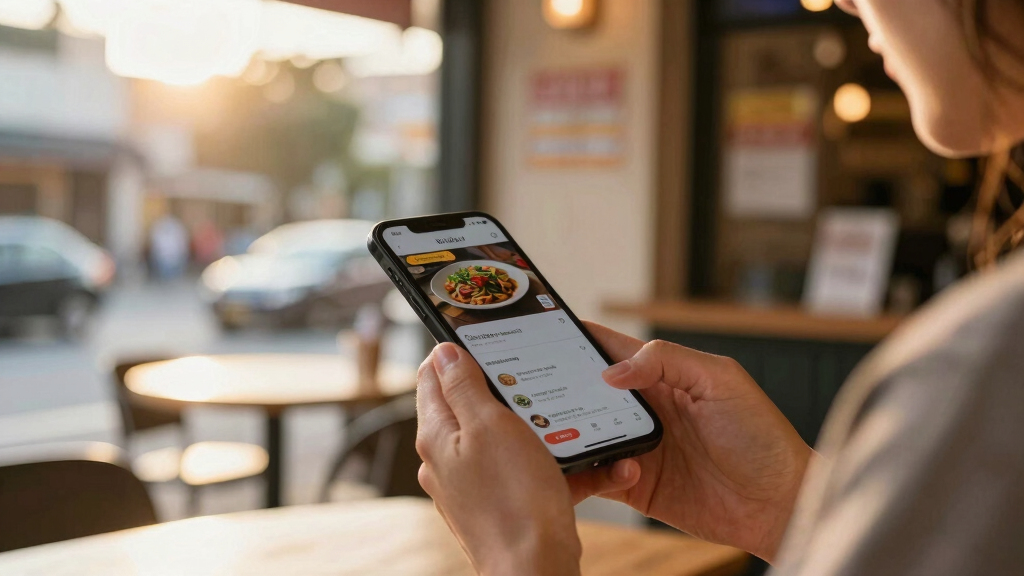
Restaurants across China are struggling to sustain revenue as customers increasingly favor food delivery over dine-in meals. This shift is intensifying financial pressures on eateries amid government austerity laws restricting official banquets.
Chinese restaurants are facing mounting financial difficulties as consumer preferences shift towards food delivery, leading to declining dine-in sales amid government austerity measures that restrict costly official banquets.
Recent reports indicate that revenue and profits at several restaurant chains, including well-known brands like Quanjude, have fallen for two consecutive years. Consumers are increasingly opting for cheaper delivery options rather than dining at restaurants, a trend that has accelerated since the implementation of austerity laws aimed at curbing extravagance. The government’s restrictions on official dinners and banquets have also contributed to the decline in high-margin dine-in revenue for many establishments. Industry insiders note that this shift is impacting both large chains and small local eateries, with some facing closure if the trend persists. Authorities have not yet announced specific measures to counteract these economic pressures but are monitoring the situation closely.
Why It Matters
This development matters because it highlights the economic strain on China’s restaurant industry amid austerity policies aimed at reducing government spending and official banquets. The shift toward food delivery could reshape the dining landscape, affecting employment, supply chains, and consumer habits. For consumers, it signals a broader trend of cost-conscious behavior, while for restaurant owners, it underscores the need to adapt to changing market dynamics.
As an affiliate, we earn on qualifying purchases.
Background
Over the past year, China has intensified its austerity measures, including restrictions on official dinners and banquets, which traditionally formed a significant part of restaurant revenue. Meanwhile, the rise of food delivery platforms has transformed consumer dining habits, especially among younger and middle-income groups seeking affordable options. The COVID-19 pandemic accelerated this trend, with many eateries pivoting to delivery services. Despite the growth of delivery apps, restaurants are now reporting that their dine-in sales are not recovering, leading to financial stress. Industry data from May 2026 shows a consistent decline in revenue, with some chains experiencing losses for two consecutive years. The government has yet to introduce targeted support measures for the struggling sector.
“The shift towards delivery is a double-edged sword; while it offers new revenue streams, it also erodes traditional dine-in profits, especially under current austerity policies.”
— industry analyst Li Wei
“We’re seeing fewer customers coming in, and the delivery orders don’t compensate for the lost dine-in revenue. It’s becoming increasingly difficult to stay afloat.”
— a restaurant owner in Beijing
As an affiliate, we earn on qualifying purchases.
What Remains Unclear
It is not yet clear whether the Chinese government will implement specific measures to support the restaurant industry or if consumer preferences will shift back toward dine-in as economic conditions evolve.
As an affiliate, we earn on qualifying purchases.
What’s Next
Authorities are expected to monitor the economic impact on the restaurant sector and may consider targeted support measures if the decline persists. Industry stakeholders are also exploring ways to adapt their business models to the new consumer landscape, including expanding delivery services and adjusting menus.
As an affiliate, we earn on qualifying purchases.
Key Questions
Why are Chinese consumers preferring delivery over dining out?
Consumers are choosing delivery due to economic austerity measures, cost savings, and convenience, especially amid restrictions on official banquets and high-cost dining.
How are restaurants coping with the decline in dine-in sales?
Many are expanding their delivery options, cutting costs, and seeking new revenue streams, but some are facing closures if the trend continues.
Will the government intervene to support struggling restaurants?
It is not yet clear whether the government will introduce specific aid measures; current focus appears to be on monitoring the situation.
How long might this trend last?
Uncertainty remains; the trend could persist as long as austerity policies and economic conditions favor cost-conscious consumption.
Fall Picks
fall essentials
As an affiliate, we earn on qualifying purchases.