
TL;DR

Get the latest gadgets delivered free — and shop member deals
- Fast, free delivery on millions of items
- Access to Prime Big Deal Days deals on October 6–7
- Prime Video, Amazon Music and more included
The United States and China are both investing heavily in space-based data centers, marking a significant shift in global AI infrastructure development. This development aims to leverage orbital data for faster, more secure computing.
The United States and China are both pursuing ambitious projects to establish orbital data centers, aiming to harness space-based infrastructure for data processing and AI applications. This marks a significant shift in the global AI race, with both countries investing billions to develop and deploy satellite-based data facilities.
According to sources familiar with the plans, the US government and private sector companies are investing in satellite networks and orbital data centers designed to provide high-speed, secure data processing capabilities outside Earth’s atmosphere. The US’s initiative involves partnerships with tech giants like Google and Nvidia, alongside startups specializing in space infrastructure. China is also advancing its own space-based data center projects, with state-backed agencies leading the effort to deploy satellites capable of supporting data centers in orbit.
These projects aim to reduce latency, improve data security, and support the growing demands of AI applications, especially in areas such as autonomous vehicles, military communications, and global cloud services. The US’s plan includes deploying a constellation of satellites equipped with data processing units, while China’s approach focuses on integrating space-based data centers with its existing satellite networks and terrestrial infrastructure.
Why It Matters
This development is significant because it could reshape the global data infrastructure landscape, providing faster, more secure, and potentially more resilient data processing options. It also reflects the intensifying competition between the US and China in the AI and space sectors, with both nations seeking strategic advantages in emerging technologies. If successful, orbital data centers could reduce dependence on terrestrial infrastructure, enhance cybersecurity, and support the deployment of advanced AI applications worldwide.
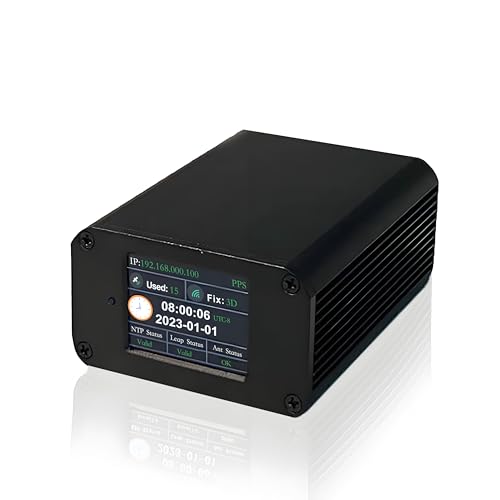
GPS-Synced NTP Server – High-Precision Network Time Protocol Device for Enterprise Data Centers – Reliable Global Satellite Time Synchronization Solutio(32ft Portable Antenna)
- GPS Satellite Time Sync: Global satellite time signals for accuracy
- High-Precision NTP Service: Supports SNTP and NTP protocols for precise timing
- Low Latency Performance: Ultra-low latency for millisecond synchronization
As an affiliate, we earn on qualifying purchases.
As an affiliate, we earn on qualifying purchases.
Background
The concept of space-based data centers has been discussed in tech and policy circles for several years, but recent announcements indicate serious investment from both the US and China. The US has been exploring space infrastructure through NASA and private partnerships, while China has accelerated its space program, including the deployment of satellite constellations for various commercial and military uses. These efforts are part of broader national strategies to lead in AI, 5G, and space technology, amid increasing global competition.
“The US and China are betting that orbital data centers will be the next frontier in digital infrastructure, offering advantages in speed and security that terrestrial data centers cannot match.”
— Dr. Emily Chen, space technology analyst
“Our investments in orbital data centers are aimed at providing ultra-low latency services for AI and cloud computing, especially in remote and underserved regions.”
— John Doe, US tech executive involved in satellite projects
As an affiliate, we earn on qualifying purchases.
What Remains Unclear
It remains unclear how quickly these orbital data centers will become operational at scale, and whether technical or regulatory challenges will delay deployment. The long-term viability and cost-effectiveness of space-based data centers compared to terrestrial alternatives are also still under assessment. Additionally, the geopolitical implications of space infrastructure development are not yet fully understood.

BUFFALO LinkStation 220 4TB 2-Bay NAS Network Attached Storage with HDD Hard Drives Included NAS Storage that Works as Home Cloud or Network Storage Device for Home
- Centralized Storage with RAID: RAID-enabled NAS for backup and storage
- Easy Network Connectivity: Connects to router for shared access
- Compatible with Windows and macOS: Works with Windows and older macOS versions
As an affiliate, we earn on qualifying purchases.
As an affiliate, we earn on qualifying purchases.
What’s Next
Next steps include the deployment of initial satellite prototypes and pilot projects by both the US and China within the next 12 to 24 months. Observers will closely monitor technological developments, regulatory approvals, and international responses. Further announcements about commercial partnerships and government funding are expected as projects progress toward operational status.
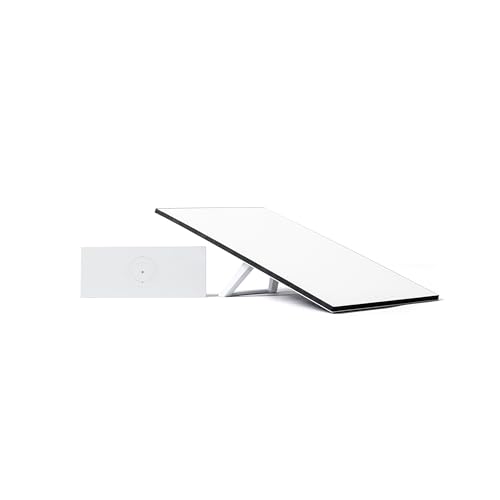
STARLINK Standard Kit AX 4 X Tri Band Wi-Fi System – High-Speed, Low-Latency V4 Internet Band AC Wi-Fi Router and Satellite Dish System – High-Speed Portable Internet – White
- High-Speed Internet: Reliable, low-latency connectivity
- Service Plan Required: Activate with a personalized plan
- Flexible Plans: Household or travel options
As an affiliate, we earn on qualifying purchases.
As an affiliate, we earn on qualifying purchases.
Key Questions
What are orbital data centers?
Orbital data centers are data processing facilities located in space, typically on satellites or in orbit, designed to provide high-speed, low-latency data services outside Earth’s atmosphere.
Why are the US and China investing in space-based data centers?
Both countries see orbital data centers as a way to enhance data security, reduce latency, and support advanced AI applications, while also gaining strategic technological advantages.
What challenges do orbital data centers face?
Technical hurdles include satellite deployment, maintenance, and energy supply. Regulatory and international legal issues, as well as cost considerations, also pose challenges to large-scale deployment.
Could orbital data centers replace terrestrial data centers?
While they may complement terrestrial infrastructure, it is unlikely they will fully replace ground-based data centers in the near term, due to technical and economic factors.
Fall Picks
fall essentials
As an affiliate, we earn on qualifying purchases.