
TL;DR

Get the latest gadgets delivered free with Prime
- Fast, free delivery on millions of items
- Prime Video, Amazon Music and more included
- Member-only deals all year
Cities are increasingly adopting AI-powered digital twins to improve urban management. While offering efficiencies, these systems pose significant privacy, dependency, and governance challenges that remain unresolved.
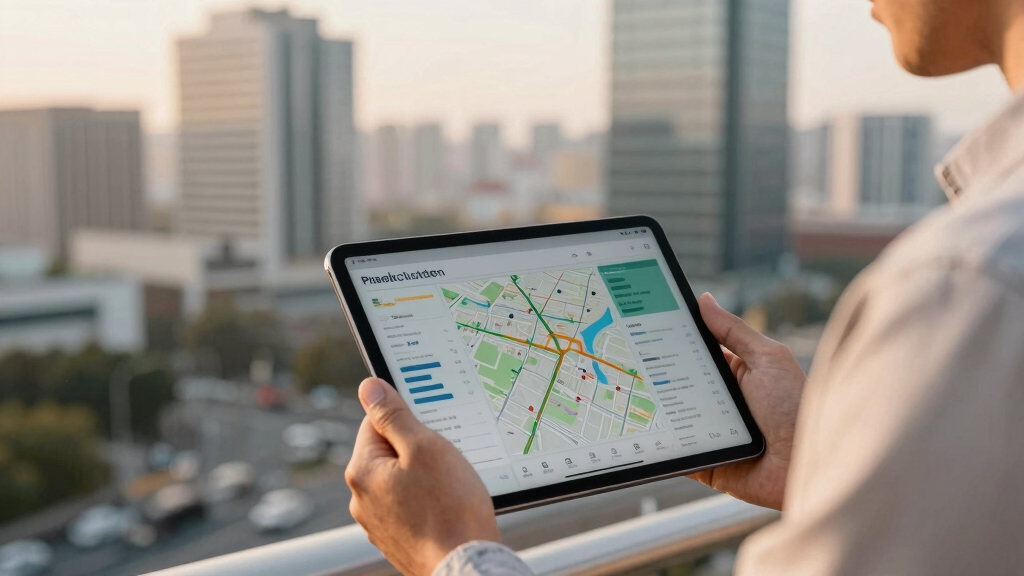
Urban digital twins powered by artificial intelligence are being adopted by cities worldwide to enhance planning, traffic management, and emergency response. However, concerns about data privacy, vendor lock-in, and governance are gaining prominence as these systems become more integrated into city infrastructure.
Recent initiatives, such as Barcelona’s twin project and Rotterdam’s shared ownership model, illustrate the growing use of AI-driven city replicas. These systems continuously ingest data from sensors, mobility patterns, satellite imagery, and more, enabling real-time decision-making and operational efficiencies. Yet, the commercial model often favors platform vendors, creating dependency and high exit costs for municipalities, according to experts from ThorstenMeyerAI.com.
Furthermore, the data collected—ranging from logistics flows to citizen movements—raises significant privacy concerns under European law, with critics pointing out that current privacy-by-design measures are superficial. Privacy-preserving techniques like differential privacy are emerging but are still in early stages of deployment. The societal implications are profound, including potential chilling effects on public assembly and increased algorithmic bias in urban planning decisions, as highlighted by academic literature.
Impacts of AI-Driven Digital Twins on Urban Governance
The adoption of AI-enabled digital twins in city governance offers potential benefits such as cost savings, improved emergency response, and reduced emissions. However, these systems also introduce risks of vendor lock-in, privacy violations, and erosion of public oversight. The social costs—like reduced contestability and increased surveillance—are significant and could reshape civic life if not properly managed. This makes governance reforms and transparent ownership structures critical to ensuring these tools serve public interests.
Products Worth Considering

LG 34GX90SA-W 34-inch Ultragear WQHD OLED Curved Gaming Monitor

Logitech MX Mechanical Wireless Illuminated Keyboard, Tactile Quiet, Graphite

Bose TV Speaker (2nd Gen) Compact Soundbar with Bluetooth and HDMI Connectivity
As an affiliate, we earn on qualifying purchases.
Development of Digital Twins and Governance Challenges
The concept of digital twins in cities has evolved rapidly since 2018, with applications expanding from flood modeling to traffic optimization and now to comprehensive urban management. Cities like Rotterdam are experimenting with shared ownership models to avoid vendor dependency, while others like Barcelona face criticism over opaque data practices. Academic warnings about platform dependency and social costs have been echoed in recent policy debates, emphasizing the need for purpose limitation and data transparency.
“Once a city’s planning, flood response, and traffic control run through a single vendor’s digital twin, exit costs become prohibitively high, creating a civilizational dependency.”
— Thorsten Meyer, AI researcher
Unresolved Governance and Data Control Issues
It remains unclear whether cities will adopt shared ownership models like Rotterdam, enforce purpose limitation effectively, or establish contractual rights for entities ingested into the twin systems. The long-term social and legal impacts of widespread twin deployment are still uncertain, and technological solutions alone cannot address these governance challenges.
Key Steps for Responsible Integration of AI in Cities
Future developments will likely focus on implementing shared ownership structures, enforcing purpose limitations, and establishing transparent data governance standards. Monitoring these indicators—such as adoption of Rotterdam-style models and contractual demands—will reveal whether cities can balance AI benefits with social accountability. Policymakers and stakeholders must act proactively to prevent unchecked dependency and privacy violations.
Key Questions
What are digital twins in city governance?
Digital twins are virtual, real-time replicas of urban environments that use AI and sensor data to support planning, traffic management, and emergency response.
What are the main risks associated with AI-driven city twins?
Risks include vendor lock-in, high exit costs, privacy violations, algorithmic bias, and erosion of public oversight and contestability.
How can cities ensure responsible use of digital twins?
Implement purpose limitations, establish shared ownership models, enforce transparency, and create clear contractual rights for data and system control.
Are privacy concerns with city twins justified?
Yes, especially under European law, as current privacy measures are often superficial, raising questions about data consent and control.
What is the future of AI in urban governance?
Progress depends on adopting governance reforms, shared ownership structures, and transparent data practices to balance benefits and social costs.
Source: ThorstenMeyerAI.com