

TL;DR
Thorsten Meyer AI published The Stake on June 2, 2026, opening a Post-Labor series that frames AI automation as an ownership problem rather than only a jobs problem. The essay argues for broad-based capital ownership through tools such as universal basic capital, sovereign funds and employee ownership, while acknowledging that AI may still reallocate workers rather than displace them at scale.
Thorsten Meyer AI published The Stake on June 2, 2026, opening a new Post-Labor track with an argument that AI automation should be treated as an ownership problem, not only a jobs or income-support problem, because the essay says value is moving from labor to capital.
The confirmed development is the publication of the essay and the launch of the series. The policy case remains an argument by Meyer, not a settled finding: the essay says AI agents can take over tasks that once generated wages, shifting income toward the owners of the systems that perform that work.
Meyer argues that retraining and income redistribution are incomplete responses if the source of value is moving away from labor. In the essay’s framing, retraining assumes enough new labor-side jobs will exist, while larger cash transfers leave recipients dependent on income created by assets they do not own.
The proposed answer is broad-based capital ownership, including universal basic capital, sovereign wealth funds, employee ownership and citizen dividends. The essay presents those mechanisms as market-compatible ways to put more people on the ownership side of automation rather than compensating them only after wages are lost.
Why It Matters
The argument matters because AI policy debates often focus on whether jobs will disappear and how governments should replace lost income. Meyer shifts the question to who owns the systems that may produce more of the economy’s value.
If policymakers accept that framing, the debate moves from larger tax-funded payments toward asset distribution, public investment vehicles and ownership rules inside companies. The essay says this approach could help even if AI does not cause mass unemployment, because ownership income can cushion workers during sector-level disruption and wage pressure.

Certified Public Funds Investment Manager Exam Study Guide Flashcards
- Exam Preparation: Includes 300+ updated flashcards
- Comprehensive Content: Aligned with latest exam blueprint
- Ease of Use: Perforated 8.5×11 inch cards
As an affiliate, we earn on qualifying purchases.
As an affiliate, we earn on qualifying purchases.
Background
The essay is described by Thorsten Meyer AI as the first foundation piece in a new Post-Labor track. It links the ownership thesis to earlier examples in the catalog, including publishers losing referral traffic, consultants losing engagements and analysts losing tasks.
The essay also presents a serious objection to its own premise: past technology waves displaced some workers but also created new work, and the U.S. labor share of income has remained within a rough 57% to 64% band for decades, according to the source material. Meyer says the case for broader ownership does not require mass job loss; it depends on whether a durable share of value moves toward capital.
“Stop asking whether AI takes the jobs. Ask where the value goes.”
— Thorsten Meyer AI essay
“A citizen who owns a share of the productive economy is on the capital side of the line when the line moves.”
— Thorsten Meyer AI essay
“The premise may be wrong.”
— Thorsten Meyer AI essay

Sovereign Wealth Funds: Legitimacy, Governance, and Global Power
As an affiliate, we earn on qualifying purchases.
As an affiliate, we earn on qualifying purchases.
What Remains Unclear
It is not yet clear whether AI will reduce labor demand at scale, raise productivity while preserving broad employment, or produce uneven effects across sectors. The essay’s policy conclusion depends on a claim about value shifting durably toward capital, which remains debated.
The source material cites examples including Alaska’s long-running citizen dividend and employee ownership as evidence that broad-based ownership can work, but the scale and design of any AI-era ownership system remain unresolved.
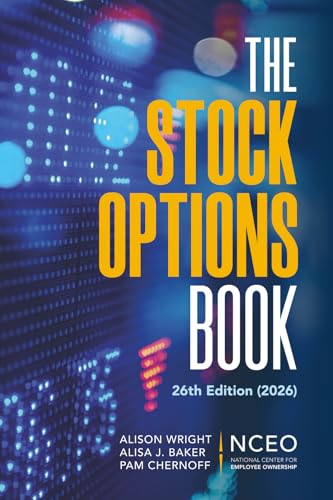
The Stock Options Book, 26th Ed (NCEO-CEPI 2026 Equity Compensation Books)
As an affiliate, we earn on qualifying purchases.
As an affiliate, we earn on qualifying purchases.
What’s Next
The Post-Labor track is expected to test the ownership thesis against specific cases, including media, consulting and analyst work. The next questions are which ownership mechanisms can scale, how they would be funded, and whether policymakers or companies adopt them before wider AI displacement is proven.

The Wealth of America: Every Citizen an Owner
As an affiliate, we earn on qualifying purchases.
As an affiliate, we earn on qualifying purchases.
Key Questions
What happened on June 2, 2026?
Thorsten Meyer AI published The Stake, an essay that launches a Post-Labor track and argues that automation should be addressed through broad ownership of productive assets.
What does broad-based ownership mean here?
It means giving more citizens a direct stake in productive capital, such as shares held through public wealth funds, employee ownership plans, citizen dividends or universal basic capital structures.
How is this different from UBI?
The essay describes UBI as an income transfer paid after wages are lost. Meyer argues that ownership gives people a claim on the asset-generated income itself, rather than only a payment funded by others’ ownership gains.
Does the essay claim AI will end work?
No. The essay says the ownership case does not depend on mass unemployment. It argues that even a durable increase in capital’s share of value would make broader ownership useful.
What remains unknown?
The scale of AI-driven labor displacement, the durability of any shift toward capital, and the political design of broad ownership programs are still unsettled.
Source: Thorsten Meyer AI