
TL;DR

Get the latest gadgets delivered free — and shop member deals
- Fast, free delivery on millions of items
- Access to Prime Big Deal Days deals on October 6–7
- Prime Video, Amazon Music and more included
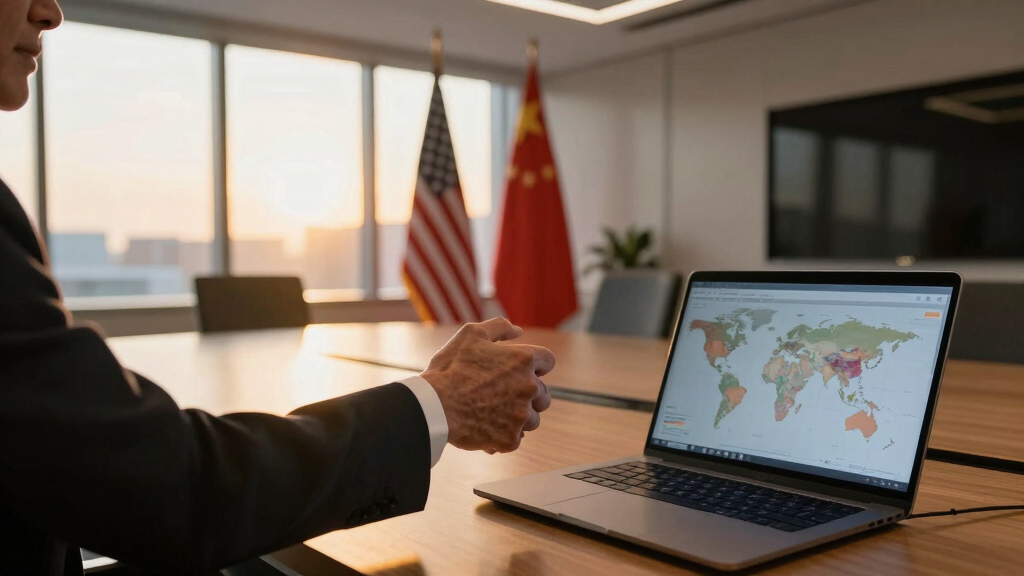
President Donald Trump’s visit to China marked his first in nearly nine years, involving high-level talks with Xi Jinping. The summit aimed to restore stability amid ongoing tensions over trade, Taiwan, and technology. No major breakthroughs were announced, but both sides expressed a desire for continued dialogue.
U.S. President Donald Trump concluded his first visit to China in nearly nine years on May 15, 2026, meeting with Chinese President Xi Jinping for high-level discussions aimed at stabilizing their bilateral relationship amid ongoing tensions.
Trump arrived in Beijing on May 15 and departed on May 16, after a series of formal meetings, including bilateral talks, a state banquet, and informal discussions. The leaders discussed key issues such as trade, Taiwan, Iran, and artificial intelligence. No major agreements or breakthroughs were announced, but both sides emphasized the importance of maintaining communication and stability.
During the summit, Chinese Foreign Minister Wang Yi highlighted the mutual benefits of China-U.S. economic ties and called for adherence to previously reached understandings. Trump’s team included notable corporate executives like Elon Musk and Tim Cook, reflecting the economic dimension of the visit. Trump also spoke with Japanese Prime Minister Sanae Takaichi by phone, reaffirming the U.S.-Japan alliance.
Why It Matters
This visit is significant because it represents the first high-level engagement between the U.S. and China since the escalation of tensions over trade, Taiwan, and technology. It signals a possible attempt to prevent further deterioration of relations and to create a platform for future dialogue, which could impact global economic stability and geopolitical dynamics.
artificial intelligence development kit
As an affiliate, we earn on qualifying purchases.
As an affiliate, we earn on qualifying purchases.
Background
President Trump’s previous interactions with China have been characterized by trade disputes, tariffs, and tensions over Taiwan and technology exports. His visit in 2026 marks a shift toward diplomacy after years of heightened rivalry. The summit follows recent efforts by both countries to manage their differences amid global economic uncertainties and regional security concerns.
“No major breakthroughs were expected and none were achieved, but both countries got what they needed: a bit of additional stability.”
— Stephen Olson, senior fellow at ISEAS-Yusof Ishak Institute
“China-U.S. economic trade ties are mutually beneficial and win-win in nature.”
— China’s foreign ministry spokesperson Guo Jiakun
“We need to properly handle each other’s concerns and strengthen communication and coordination.”
— Xi Jinping, Chinese President
diplomatic negotiation board game
As an affiliate, we earn on qualifying purchases.
As an affiliate, we earn on qualifying purchases.
What Remains Unclear
It remains unclear whether the summit will lead to substantive policy changes or new agreements, as no major breakthroughs were announced. The details of any future cooperation or conflict de-escalation are still developing, and the long-term impact on U.S.-China relations is uncertain.
international trade negotiation book
As an affiliate, we earn on qualifying purchases.
As an affiliate, we earn on qualifying purchases.
What’s Next
Next steps include continued diplomatic engagement and monitoring for any follow-up agreements or policy shifts. Both sides are expected to maintain high-level communication, with potential further summits or talks focusing on trade, security, and technology issues.
U.S.-China relations documentary DVD
As an affiliate, we earn on qualifying purchases.
As an affiliate, we earn on qualifying purchases.
Key Questions
Did the Trump-Xi summit result in any major agreements?
According to official statements, no major breakthroughs or agreements were announced, but both sides emphasized the importance of stability and continued dialogue.
Why is this summit important for global markets?
The summit’s emphasis on stability could help reduce uncertainties in global trade and financial markets, though its long-term impact remains uncertain.
What issues were discussed during the summit?
Key topics included trade, Taiwan, Iran, and artificial intelligence, with both sides seeking to manage tensions and promote cooperation.
Will this visit lead to improved U.S.-China relations?
While it signals a desire for dialogue, the long-term impact on relations depends on future negotiations and policy developments, which are still uncertain.
Fall Picks
fall essentials
As an affiliate, we earn on qualifying purchases.