
TL;DR

Get the latest gadgets delivered free — and shop member deals
- Fast, free delivery on millions of items
- Access to Prime Big Deal Days deals on October 6–7
- Prime Video, Amazon Music and more included
Ongoing conflicts, including tensions in the Middle East and US-China relations, are causing disruptions in critical tech supply chains. Some companies are exploring space-based data centers as a solution, though details remain uncertain.
Global technology supply chains are experiencing increasing disruptions due to ongoing conflicts in the Middle East and geopolitical tensions between the US and China. Reports indicate that some data center operators are exploring space-based solutions to mitigate these issues, though details are still emerging. This shift could significantly impact the future of cloud computing and data management infrastructure.
Recent disruptions in the tech supply chain are linked to the blockade of the Strait of Hormuz and export controls affecting helium and petrochemical supplies, critical for chip manufacturing. These supply issues have intensified amid geopolitical tensions, with key materials like helium, rare earths, and petrochemicals facing shortages.
In response, some tech companies and data center operators are reportedly considering deploying data centers in space to bypass terrestrial supply chain vulnerabilities. While this concept is still in early stages, industry insiders suggest that advancements in satellite and space technology are making such options increasingly feasible. However, no companies have officially announced mass deployment of space-based data centers yet.
Why It Matters
This development highlights how geopolitical conflicts are accelerating innovation in data infrastructure, potentially reshaping the future of cloud computing. If space-based data centers become viable, they could reduce dependency on terrestrial supply chains, but also raise questions about cost, security, and regulation. For readers, this signals a possible shift in how data is stored and processed globally, with implications for cybersecurity and international cooperation.
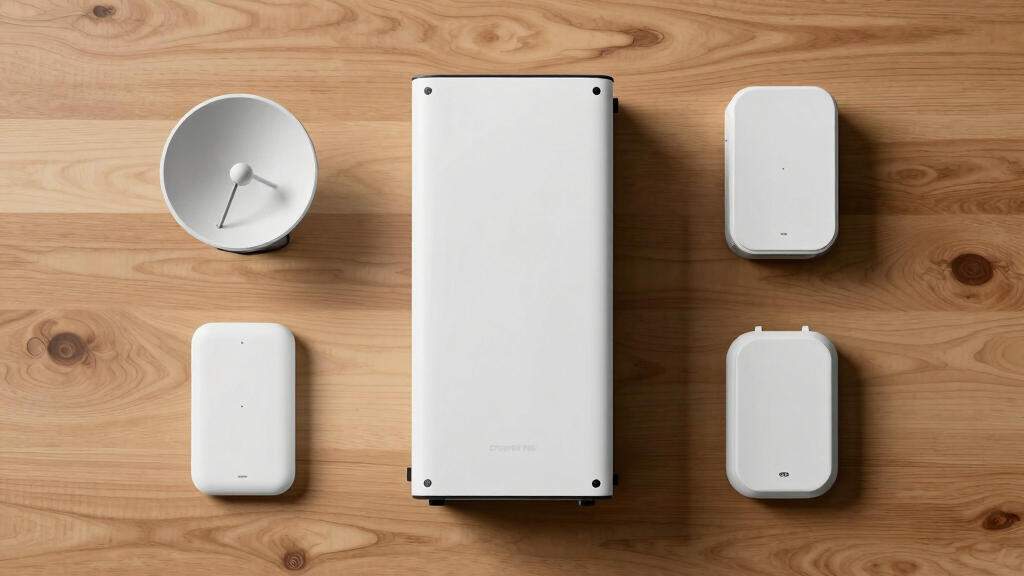
space-based data center solutions
As an affiliate, we earn on qualifying purchases.
As an affiliate, we earn on qualifying purchases.
Background
The ongoing war in Iran and tensions in the Middle East have disrupted oil and chemical supplies, impacting the manufacturing of components vital for tech industries. Simultaneously, US-China relations remain strained, affecting global trade and investments in advanced tech sectors like semiconductors and AI. These pressures are prompting industry stakeholders to consider alternative solutions, including space-based data centers, to ensure operational continuity.
“The impact of supply chain disruptions won’t be solved overnight and will influence all industries over time.”
— Henry Ho, chairman of Taiwan’s Tung Ho Steel Enterprise
“Exploring space-based data centers is an emerging trend driven by the need to bypass terrestrial vulnerabilities, but practical deployment is still in early development stages.”
— Industry analyst, unnamed
As an affiliate, we earn on qualifying purchases.
What Remains Unclear
It is not yet clear how quickly space-based data centers could become operational at scale, or whether major tech firms will adopt this approach widely. The regulatory, technical, and cost challenges remain significant, and no official timelines have been announced.
As an affiliate, we earn on qualifying purchases.
What’s Next
Industry stakeholders are likely to conduct pilot projects and feasibility studies over the coming months. Monitoring technological advancements and regulatory developments will be crucial to understanding if space-based data centers will become a mainstream solution.
As an affiliate, we earn on qualifying purchases.
Key Questions
What are space-based data centers?
They are data storage and processing facilities located in space, typically on satellites or space stations, designed to bypass terrestrial supply chain disruptions.
Why are companies considering space-based data centers?
To mitigate risks from geopolitical conflicts, supply chain disruptions, and material shortages affecting terrestrial infrastructure.
Are space-based data centers technically feasible now?
While advancements in satellite technology are promising, large-scale deployment faces significant technical, security, and cost challenges, and remains in early development stages.
What impact could this have on global tech infrastructure?
If successful, it could lead to more resilient, decentralized data storage solutions, but also raises questions about regulation, security, and international cooperation.
Fall Picks
fall essentials
As an affiliate, we earn on qualifying purchases.