
TL;DR

Get the latest gadgets delivered free — and shop member deals
- Fast, free delivery on millions of items
- Access to Prime Big Deal Days deals on October 6–7
- Prime Video, Amazon Music and more included
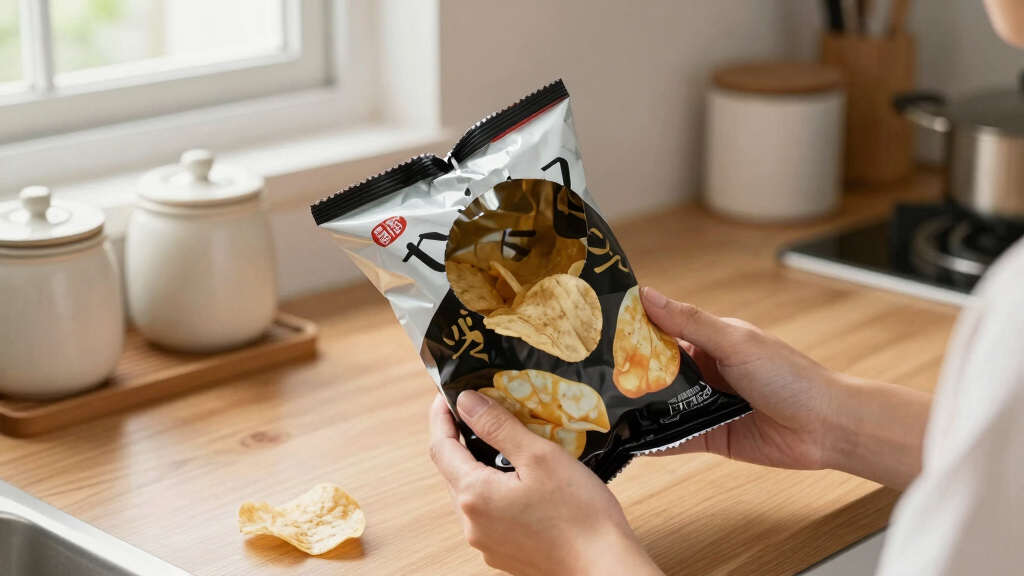
Calbee, a leading Japanese snack company, is changing its potato chip packaging from colorful designs to black-and-white. This move aims to reduce ink consumption and environmental impact. The change is set to roll out in May 2026, with broader industry implications possible.
Calbee, one of Japan’s most prominent snack brands, will begin selling its potato chips in black-and-white packaging instead of the traditional colorful designs, starting in May 2026. This change is part of the company’s initiative to reduce ink consumption and environmental impact, making it a notable development in the Japanese snack industry.
Calbee’s decision to switch to monochrome packaging was announced on May 14, 2026, by the company’s officials. The new packaging design will feature primarily black and white colors, replacing the vibrant, multicolored bags that have been standard for years. The move aims to cut ink usage significantly, aligning with broader sustainability goals. The change applies to several popular snack lines, including their flagship potato chips, and will be implemented gradually across stores nationwide starting in May 2026.
According to Calbee representatives, the switch is motivated by environmental concerns, particularly reducing the carbon footprint associated with ink production and waste. The company estimates that this change could reduce ink usage by up to 50% for its packaging. Industry analysts note that Calbee’s move could influence other snack brands to reconsider packaging strategies amidst increasing environmental awareness and consumer demand for sustainable products.
Why It Matters
This development matters because it signals a shift within Japan’s snack industry toward more sustainable packaging practices. If successful, Calbee’s monochrome approach could lead to a broader industry trend, potentially reducing environmental impact on a larger scale. For consumers, it reflects growing corporate responsibility and environmental consciousness, which could influence purchasing decisions. Additionally, the change may impact packaging costs and supply chain logistics for snack producers.
eco-friendly potato chip packaging
As an affiliate, we earn on qualifying purchases.
As an affiliate, we earn on qualifying purchases.
Background
Calbee has been a major player in Japan’s snack market for decades, known for its colorful potato chip bags. The company’s move to monochrome packaging aligns with a broader global push for sustainability in packaging. Similar initiatives have been undertaken by companies worldwide, but Calbee’s decision is notable given its market prominence in Japan. The shift also coincides with Japan’s national goals to reduce plastic waste and lower carbon emissions, part of the country’s broader environmental policies. Prior to this, some Japanese brands experimented with eco-friendly packaging, but Calbee’s initiative marks one of the most significant industry moves in recent years.
“Our goal is to reduce environmental impact by significantly cutting down ink use in our packaging, starting with our flagship potato chips.”
— Calbee spokesperson
“Calbee’s switch to black-and-white packaging could set a precedent in Japan’s snack industry, encouraging others to adopt eco-friendly practices.”
— Industry analyst, Takashi Saito
As an affiliate, we earn on qualifying purchases.
What Remains Unclear
It is not yet clear how consumers will respond to the new monochrome packaging or whether other brands will follow suit. The long-term environmental benefits are also still being assessed, and there may be logistical challenges in transitioning supply chains. Additionally, the aesthetic appeal and brand recognition associated with colorful packaging could influence sales and brand loyalty, but these effects remain to be seen.
As an affiliate, we earn on qualifying purchases.
What’s Next
Starting May 2026, Calbee will roll out the black-and-white packaging across its product lines in Japan. Monitoring consumer response and sales performance will be key in the coming months. Industry observers will watch whether other snack brands adopt similar eco-friendly packaging strategies, potentially leading to a broader shift in the market. Calbee also plans to evaluate the environmental impact of the change after one year.
environmentally friendly chip bags
As an affiliate, we earn on qualifying purchases.
As an affiliate, we earn on qualifying purchases.
Key Questions
Why is Calbee switching to black-and-white packaging?
Calbee aims to reduce ink consumption and environmental impact by switching to monochrome packaging, aligning with sustainability goals.
Will the packaging design affect the product’s sales?
It remains to be seen how consumers will respond, but the company believes the environmental benefits outweigh aesthetic concerns.
Are other snack companies planning similar changes?
There is no confirmed information yet, but industry analysts suggest Calbee’s move could influence others to consider eco-friendly packaging options.
What environmental benefits does this change bring?
The switch could reduce ink usage by up to 50%, decreasing plastic waste and lowering carbon emissions associated with ink production and disposal.
Evergreen bestsellers Picks
bestsellers
As an affiliate, we earn on qualifying purchases.