
To keep sheets from pilling and feeling rough, choose durable fabrics like long-staple cotton or bamboo with a tight weave and moderate thread count. Wash your sheets on gentle cycles with cold water, avoid overloading, and use mild detergents. Dry on low heat or air-dry, and fold them properly to prevent wear. Using fabric softeners and anti-pilling products can also help maintain softness—learn more tips to keep your sheets plush and smooth.

Get the latest gadgets delivered free with Prime
- Fast, free delivery on millions of items
- Prime Video, Amazon Music and more included
- Member-only deals all year
Key Takeaways
- Choose high-quality sheets with a thread count between 200-400 and tight weaves like percale or sateen.
- Wash sheets in cold water on gentle cycles and turn inside out to minimize friction.
- Use mild, liquid detergents and avoid overloading the washing machine to reduce fiber stress.
- Dry sheets on low heat or air-dry to prevent heat damage and friction during drying.
- Apply anti-pilling treatments and gentle fabric softeners regularly to maintain smoothness and reduce fiber tangling.
As an affiliate, we earn on qualifying purchases.
Why Sheets Pilling and How It Affects Softness
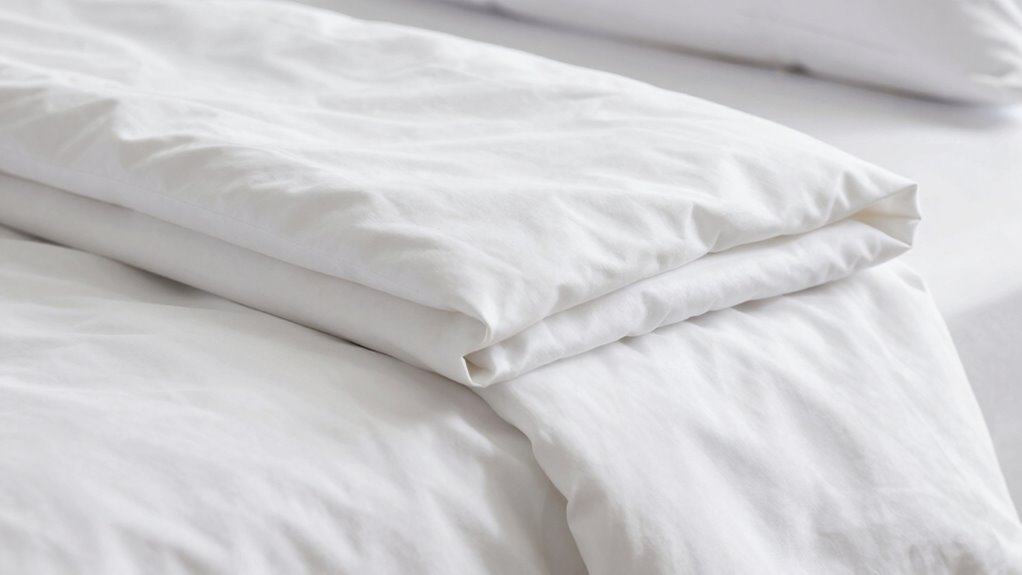
Sheets pilling happens when tiny fibers on the fabric’s surface loosen and tangle into small balls, known as pills. This occurs because of the fiber structure; weaker or shorter fibers are more prone to breaking away from the fabric. Pilling causes are often linked to the types of fibers used, with natural fibers like cotton sometimes more susceptible than synthetic blends. When fibers break free, they gather on the surface, forming pills that make your sheets feel rough and less inviting. Over time, repeated friction from washing and use exacerbates this process. As pills build up, they compromise the softness you seek, making sheets feel scratchy and uncomfortable. Choosing the right fabric can also influence how quickly pilling occurs and how long your sheets remain soft. Additionally, fabric finishings can play a role in reducing the likelihood of pilling and maintaining the fabric’s smoothness longer. Being aware of fiber quality and how it impacts durability can help you select sheets that resist pilling better and stay soft longer. Understanding pilling causes helps you take steps to keep your sheets smoother and more comfortable longer. For example, selecting fabrics with pilling-resistant treatments can significantly extend the softness and lifespan of your sheets. Furthermore, choosing proper laundry techniques can help minimize friction and reduce pilling over time.
As an affiliate, we earn on qualifying purchases.
Choosing Fabrics and Thread Counts That Last
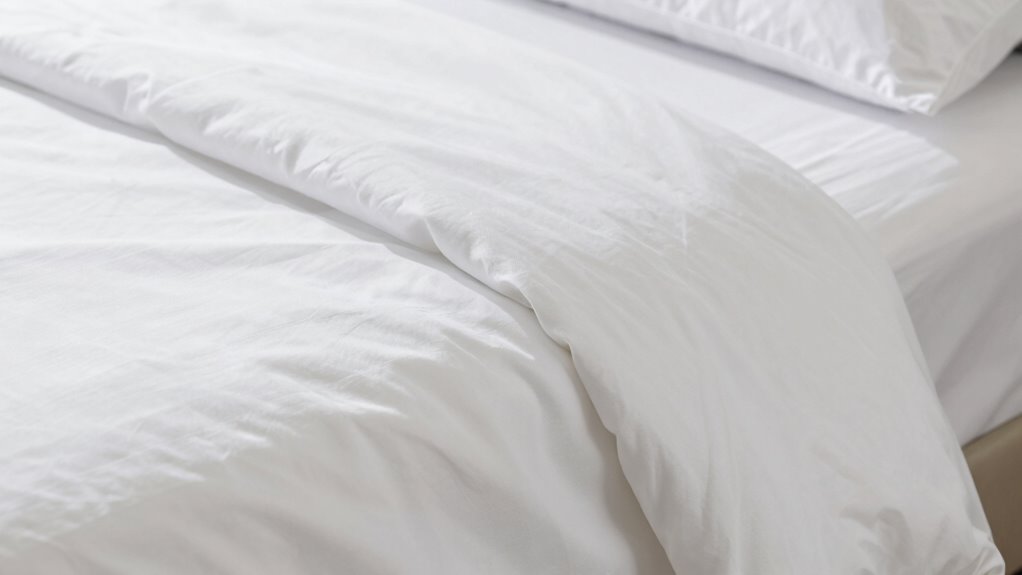
When selecting sheets, pay attention to the ideal thread count range for durability, typically between 200 and 400. Choose fabrics like Egyptian cotton or bamboo that are known for their strength and longevity, and look for tight, consistent weaves such as percale or sateen. These choices help guarantee your sheets stay soft and resist pilling over time. Additionally, selecting high-quality essential oils with antimicrobial properties can help maintain the cleanliness and freshness of your bedding. Incorporating appropriate fabric finishes can further enhance durability and resistance to pilling, ensuring your sheets remain comfortable and long-lasting. For added durability, consider fabrics with electric properties that can help resist static and pilling, ensuring your sheets remain comfortable and long-lasting. Understanding fabric weave can also aid in selecting materials less prone to pilling and wear, extending the life of your sheets.
Optimal Thread Count Range
Choosing the right thread count is essential for selecting durable sheets that resist pilling. For maximum longevity, aim for a thread count between 200 and 400. While higher counts might seem better, they can lead to thinner, less durable fabric if the fiber quality isn’t high. The key is balancing thread count with fiber quality; quality fibers like long-staple cotton produce stronger, softer sheets at lower counts. Sheets with a thread count too low, under 180, may feel coarse and wear out quickly. Conversely, overly high counts, above 400, often rely on multi-ply threads, which can increase pilling. Sticking within the 200-400 range ensures you get a soft, durable sheet that maintains its quality over time, especially when considering the content formats that enhance longevity. Additionally, paying attention to fiber quality can make a significant difference in sheet durability and feel over time. Understanding the fiber weave also contributes to choosing sheets that resist pilling and maintain softness longer. Selecting the proper fabric finish can further improve the sheet’s resistance to roughness and pilling as well. A well-chosen fiber blend can also enhance durability and overall comfort.
Durable Fabric Choices
Opting for durable fabrics and the right thread counts can considerably extend the life of your sheets and reduce pilling. Natural fibers like long-staple cotton or linen are known for their strength and longevity, making them an excellent choice for lasting sheets. Synthetic blends, such as cotton-polyester, often offer added durability and resistance to pilling when crafted properly. Look for fabrics labeled with higher thread counts within the preferable range, as they tend to be denser and more resilient. Avoid very low or excessively high thread counts, which can compromise fabric strength or lead to pilling. Selecting high-quality natural fibers or well-made synthetic blends ensures your sheets stay smooth and durable over time, saving you from frequent replacements. Additionally, choosing fabrics with sustainable textile innovations can further enhance their durability and environmental friendliness. Incorporating environmentally conscious manufacturing practices can also improve the overall longevity and eco-friendliness of your sheets. Understanding fabric construction can help you make more informed choices about material quality and durability. Moreover, paying attention to fiber treatment processes can significantly impact the fabric’s resistance to pilling and wear. Using advanced finishing techniques can add extra durability and reduce pilling even further.
Proper Fabric Weaves
Selecting the right fabric weave and appropriate thread count is essential for creating sheets that resist pilling and last over time. A tightly woven fabric with high fiber density reduces friction, minimizing pilling and prolonging softness. Look for percale or sateen weaves, which offer durability and smoothness when made with strong fibers. Avoid loose or open weaves that can snag or wear down quickly.
Key considerations include:
- Fabric weave: Choose tighter weaves like percale for durability.
- Fiber density: Higher fiber density means fewer pills and longer-lasting sheets.
- Thread count: Aim for 200-400 threads for a balance of softness and resilience.
As an affiliate, we earn on qualifying purchases.
How to Properly Wash and Dry Sheets to Prevent Pilling
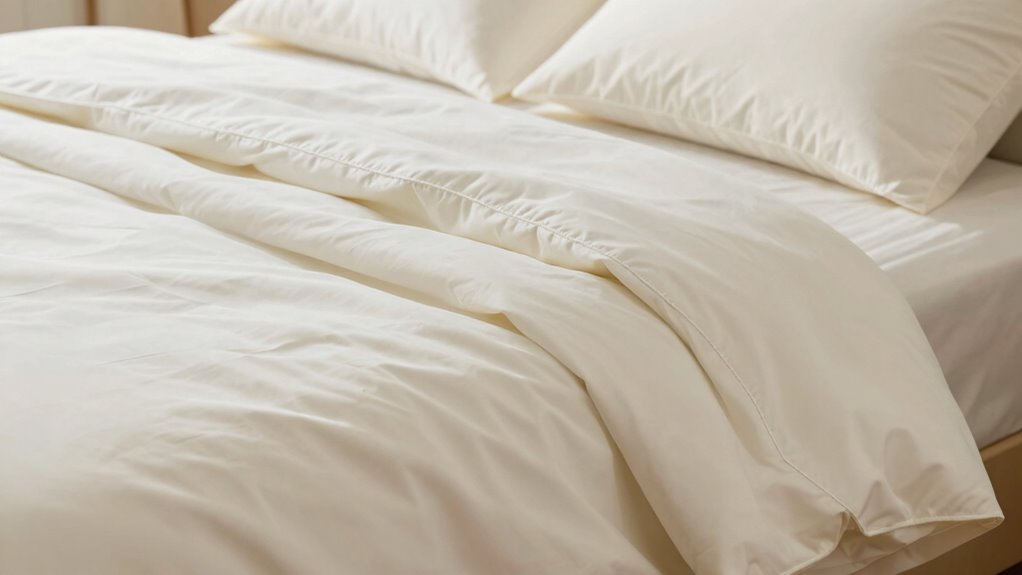
To prevent sheets from pilling, it’s essential to wash and dry them correctly. Use gentle laundry shortcuts like selecting a delicate cycle and cold water, which reduce friction and fiber damage. Always turn sheets inside out before washing to protect the fabric surface. Avoid overloading your washer, as overcrowding causes excessive agitation, leading to pilling. After washing, promptly remove sheets to prevent wrinkles and fiber stress. When drying, opt for low or air-dry settings to minimize friction and heat exposure. Proper bed linen storage also matters—store sheets folded neatly in a cool, dry place to prevent unnecessary wear. Taking these steps helps maintain the fabric’s integrity, keeps sheets feeling smooth, and extends their lifespan.
As an affiliate, we earn on qualifying purchases.
Picking Gentle Detergents and Not Overloading Your Washer
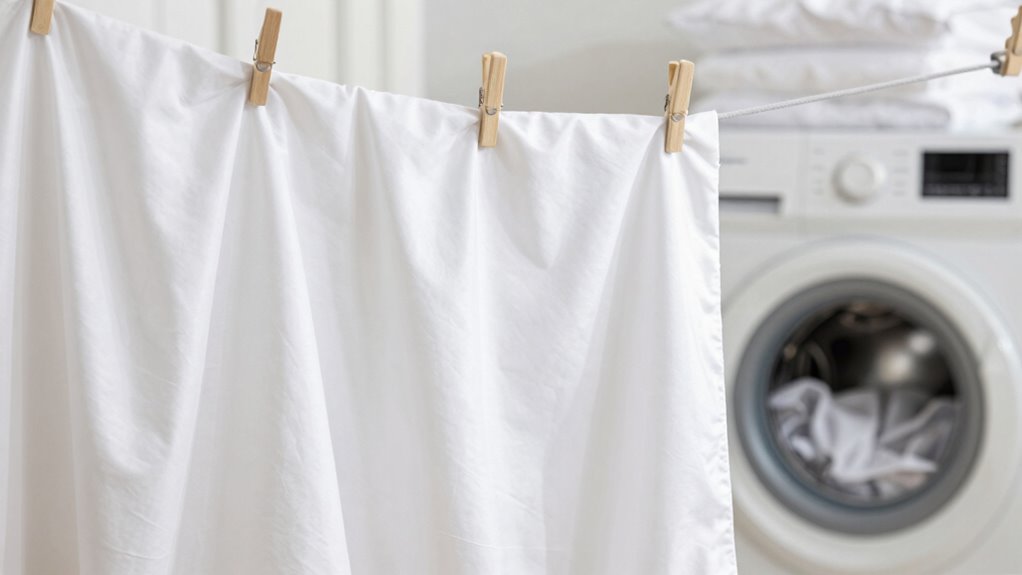
Have you considered how the detergents you use can impact your sheets’ fabric? Choosing the right detergent selection is key. Use gentle, liquid detergents that are free of harsh chemicals and dyes to prevent fiber damage. Overloading your washer can also cause excessive friction, leading to pilling and roughness. To avoid this, keep these tips in mind:
- Follow washer capacity guidelines to prevent overstuffing
- Use small amounts of detergent for effective cleaning
- Avoid heavy-duty or bleach-based detergents unless necessary
Using Fabric Care Products to Keep Sheets Smooth and Plush
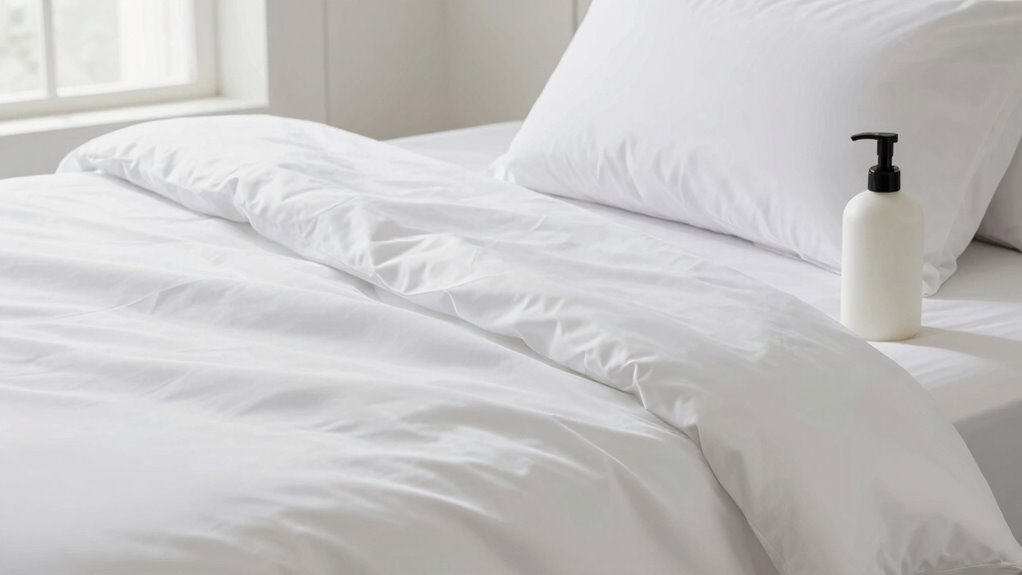
Using the right fabric care products can make a big difference in maintaining soft, plush sheets. Choosing gentle fabric softeners, applying wrinkle-release sprays, and using anti-pilling treatments help prevent pilling and keep your sheets looking new. Incorporate these tools into your routine for smoother, more comfortable bedding. Additionally, selecting products that are compatible with your fabric type can further enhance the longevity and softness of your sheets fabric maintenance tips. Regularly washing and following care instructions can also prevent pilling and preserve your sheets’ plush feel over time. Proper fabric care practices are essential for maintaining the overall quality and comfort of your bedding.
Choosing Gentle Fabric Softeners
Choosing gentle fabric softeners can make a significant difference in maintaining your sheets’ smoothness and plushness. They help reduce friction, preventing pilling and roughness over time. When selecting a softener, consider the fabric softener benefits, such as making sheets feel cozy and reducing static. Additionally, many softeners offer scent customization, allowing you to choose fragrances that keep your sheets smelling fresh and inviting. To get the best results, look for softeners labeled as gentle or hypoallergenic if you have sensitive skin. Using appropriate fabric softeners can also help extend the lifespan of your sheets by maintaining their fabric integrity and ensuring they stay soft and comfortable longer.
Using Wrinkle-Release Sprays
Ever wonder how to keep your bed linen looking smooth and plush without constant ironing? Using wrinkle-release sprays is a simple, effective solution. These sprays relax fabric fibers, reducing creases and giving your sheets a freshly laundered appearance. Just lightly mist your sheets before hanging or laying them flat, then smooth out wrinkles with your hands. This not only improves the look and feel of your bed linen but also helps maintain fabric durability by minimizing unnecessary stress on fibers. Regular use of fabric care products supports Caregivers’ Emotional Well-Being by reducing the stress of daily chores and creating a more calming environment. Perfect for busy mornings or quick touch-ups, wrinkle-release sprays keep your sheets feeling soft and inviting without damaging the fabric. With consistent use, your sheets stay smoother longer, preserving their quality and making your sleep environment more comfortable.
Applying Anti-Pilling Treatments
Applying anti-pilling treatments helps keep your sheets looking smooth and plush over time. Using fabric softening products or anti pilling sprays can markedly reduce fiber abrasion that causes pilling. To maximize their effectiveness, follow the instructions on the product label carefully. Regularly applying anti pilling sprays can help maintain a soft, smooth feel, preventing fibers from tangling and forming pills. Additionally, fabric softening treatments can reduce friction during washing and drying, extending the lifespan of your sheets. Consider these tips:
- Spray anti pilling products evenly on clean, dry sheets before washing
- Use fabric softening agents during laundry to keep fibers smooth
- Avoid overloading the washer to minimize friction and pilling
- Proper cleaning methods can further prevent pilling and fabric damage.
Consistent care with these treatments helps your sheets stay plush longer.
Regular Tips to Maintain Soft, Fresh Sheets
To keep your sheets soft and fresh, it’s vital to follow some simple, regular maintenance tips. Start by understanding your sheet fiber types, as natural fibers like cotton or linen tend to stay softer longer than synthetic blends. Always wash sheets in cold or warm water to prevent fiber breakdown and maintain thread durability. Avoid overloading your washing machine, which can cause friction and pilling. Use a gentle cycle and mild detergent to preserve the integrity of the fibers. When drying, opt for low heat or line dry to prevent weakening the threads. Regularly flipping or rotating your sheets also helps distribute wear evenly, keeping them feeling plush and comfortable over time. Consistent care is key to prolonging softness and freshness.
Frequently Asked Questions
Can Using Fabric Softener Prevent Sheet Pilling Long-Term?
Using fabric softener might seem like a good idea, but it’s a fabric softener myth that it prevents sheet pilling long-term. In fact, over time, it can weaken fibers and make sheets feel rougher. For proper long-term fabric care, avoid excessive softener use. Instead, wash sheets with gentle detergents and dry them properly to keep them soft and pill-free, ensuring your sheets stay comfortable and durable.
Are There Specific Wash Cycles Best for Maintaining Sheet Softness?
Think of your sheets like a delicate dance partner. To keep them soft, choose gentle wash cycles like delicate or permanent press. Use fabric softener sparingly, as it helps maintain softness and reduces pilling. Avoid heavy-duty or aggressive cycles that can wear down fibers. By treating your sheets with care during washing, you preserve their smoothness and prolong their lifespan, ensuring they stay cozy and inviting.
How Often Should I Replace Old Sheets to Avoid Pilling?
You should replace your sheets every 1 to 2 years to prevent excessive pilling and maintain softness. As your sheets reach the end of their lifespan, their fibers weaken, increasing the likelihood of pilling. Regular replacement ensures you sleep comfortably on smooth, pill-free sheets. Keep an eye on signs like thinning fabric or persistent pilling, and don’t hesitate to upgrade your sheets to keep your bedding feeling fresh and cozy.
Do Different Colors or Patterns Affect Sheet Durability?
Bright, bold colors and intricate patterns won’t turn your sheets into fragile, ancient scrolls—if you choose quality, colorfast fabrics. While some dyes may fade or cause colorfastness issues over time, durable patterns often withstand countless washes. However, darker or vibrant hues might show wear faster than subtle shades, impacting aesthetic durability. So, select high-quality, colorfast sheets to keep your bedding looking fresh and vibrant longer.
Can Storage Methods Impact the Longevity of Sheet Fabric?
Yes, storage conditions can impact fabric longevity. You should store your sheets in a cool, dry, and well-ventilated place to prevent moisture and mold, which can weaken fibers over time. Avoid overcrowding your storage space, as folding sheets tightly can cause creases and fabric stress. Proper storage helps preserve the quality of your sheets, keeping them soft and durable for longer, ensuring they stay comfortable and in good condition.
Conclusion
By blending proper practices with patience, you’ll banish bothersome pilling and bask in the bliss of beautifully plush sheets. Consistently caring for your textiles through gentle washing, thoughtful product choices, and regular maintenance keeps your bedding soft, smooth, and stunning. Remember, a little diligence delivers dazzlingly delicate sheets day after day. So, stay steadfast in your sheet care routine, and savor the comfort of consistently cozy, crisp covers that invite relaxation and rest.
Halloween Picks
halloween
As an affiliate, we earn on qualifying purchases.