To stay safe with extension cords, always use cords rated for your intended task and avoid overloading them. Keep cords away from high-traffic areas, moisture, and heat sources, and never run them through water or under rugs. Regularly inspect for damage, fraying, or loose connections, and replace any worn cords immediately. Proper placement and use can prevent shocks and fires—if you’re curious about more critical safety tips, you’ll discover them below.

Get the latest gadgets delivered free with Prime
- Fast, free delivery on millions of items
- Prime Video, Amazon Music and more included
- Member-only deals all year
Key Takeaways
- Never overload extension cords; match the cord’s gauge and rated wattage to your device’s power requirements.
- Use outdoor-rated cords for outdoor applications and keep indoor cords away from water, moisture, and high-traffic areas.
- Regularly inspect cords for damage, such as frayed wires or cracked insulation, and replace damaged cords immediately.
- Avoid daisy-chaining multiple extension cords, and unplug cords when not in use to prevent overheating and fire hazards.
- Keep cords properly supported, organized, and away from high-traffic zones to prevent tripping, damage, and electrical hazards.
outdoor extension cords with safety ratings
As an affiliate, we earn on qualifying purchases.
As an affiliate, we earn on qualifying purchases.
Why Extension Cord Safety Is Critical in Your Home
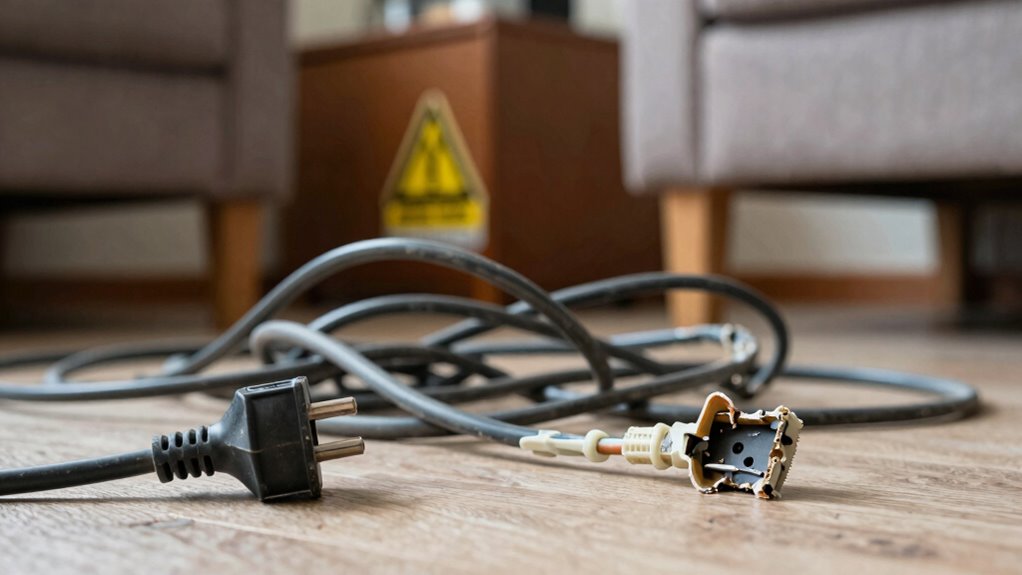
Extension cord safety is vital because improper use can lead to electrical hazards that threaten your home and family. Poor cord management can cause tripping hazards, damage to the cord’s insulation, or overheating, increasing the risk of fire or electric shock. Safety education is essential because understanding proper extension cord practices helps prevent accidents before they happen. By knowing how to safely use and position cords, you reduce the chance of electrical malfunctions or injuries. Always avoid overloading cords, keep them away from water, and never run them under rugs or furniture. Proper cord management combined with safety education ensures you’re aware of potential dangers and can take steps to minimize them, keeping your household safe and protected. Additionally, familiarizing yourself with electrical safety guidelines can further help prevent accidents. Maintaining awareness of proper cord length and placement also helps prevent unnecessary strain and potential damage to the cords. Being aware of the dangers of damaged cords is equally important to prevent shock or fire hazards. Regular inspection for cord wear and tear can further reduce the risk of electrical failure or injury. Practicing safe extension cord use is essential to maintain a secure and hazard-free environment.
heavy-duty extension cords for power tools
As an affiliate, we earn on qualifying purchases.
As an affiliate, we earn on qualifying purchases.
Common Extension Cord Mistakes That Lead to Hazards
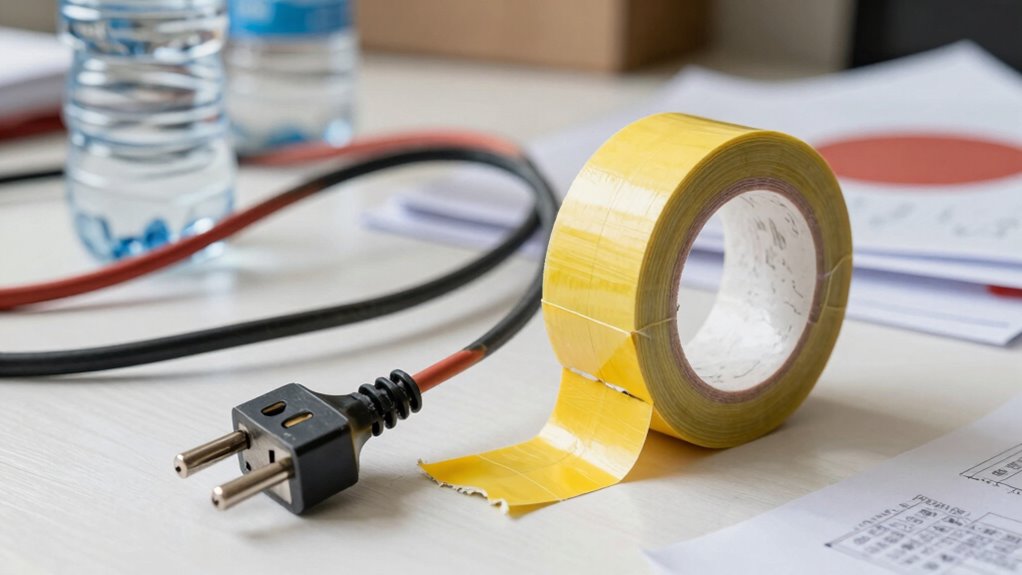
One common mistake is overloading your extension cords, which can cause overheating and fires. Another hazard occurs when cords are placed in high-traffic areas or under rugs, increasing the risk of damage or tripping. Being aware of these mistakes helps keep your home safe and your electrical system protected. Additionally, using appropriate extension cord types for specific tasks can prevent electrical issues and enhance safety. Ensuring that extension cords are properly rated for your intended use can further reduce the risk of accidents and electrical failures. Recognizing hazardous extension cord practices can help you avoid unnecessary dangers and maintain a safer environment. Paying attention to electrical safety guidelines can also significantly reduce potential hazards. Understanding extension cord ratings can help you select the safest options for your needs.
Overloading Circuits Risks
Overloading a circuit with an extension cord can quickly lead to dangerous conditions. When you plug in too many devices, you risk circuit overloads that can cause overheating or fires. Power surges may occur, damaging your electronics and creating hazards. To understand the risks better, consider this table:
| Device Type | Power Draw | Risk of Overload |
|---|---|---|
| Heavy tools | High wattage | High; needs dedicated circuits |
| Multiple small gadgets | Low to moderate | Moderate if combined on one cord |
| High-power appliances | Very high | Very high; avoid daisy chaining |
| Multiple devices | Varies | Can cause surges and overloads |
Knowing your device wattage and avoiding daisy chaining prevents dangerous circuit overloads and power surges. Additionally, understanding the importance of circuit capacity helps you stay within safe electrical limits and avoid hazards. Proper electrical usage practices, such as using the right extension cords for the intended load, are essential for safety when using extension cords around your home. To further reduce risks, always check that your extension cords are rated for the appropriate power levels before use. It is also crucial to be aware of overcurrent protection devices, like circuit breakers, which help prevent overloads and potential fires.
Improper Cord Placement
Placing extension cords improperly can create immediate hazards that often go unnoticed until it’s too late. When you run cords across walkways or doorways, you risk someone tripping and falling. Indoor placement requires keeping cords away from high-traffic areas and ensuring they don’t pinch or crush against furniture, which can damage the insulation and cause shorts. Outdoor placement adds risks like exposure to moisture, which can lead to electrical shocks or fires. Avoid running cords through water or over damp surfaces, and never secure them with staples or nails that can puncture the wire. Always use outdoor-rated extension cords for exterior use, and keep cords away from puddles, snow, or standing water. Proper placement helps prevent accidents and prolongs your cord’s lifespan. Additionally, understanding leash etiquette can help maintain a safe environment for pets around electrical cords and other hazards. Being aware of water exposure risks is crucial for preventing electrical fires and shocks in both indoor and outdoor settings. Properly assessing cord placement is essential to ensure safety and avoid unnecessary damage or hazards. Ensuring cords are properly secured and organized can further reduce trip hazards and prevent accidental disconnection or damage. Regular inspections and cord management are key practices to maintain a safe environment and prevent potential electrical issues.
As an affiliate, we earn on qualifying purchases.
How to Choose the Right Extension Cord for Your Needs
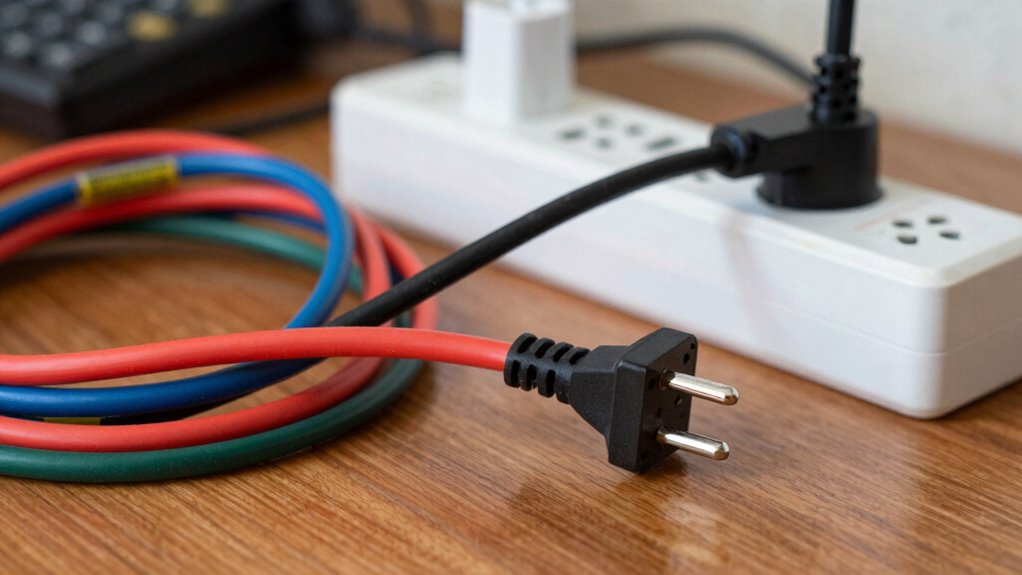
To choose the right extension cord, start by evaluating the power requirements of your devices. Make certain to match the cord’s gauge and length to handle the load safely. Selecting the proper characteristics ensures your setup stays safe and functional. Proper support and boundaries in your setup can prevent hazards and promote safe device operation. Additionally, considering extension cord standards can help ensure your cords meet safety regulations and reduce the risk of electrical issues. Understanding electrical safety practices is essential for maintaining a secure environment. Being aware of drone bee and hive health concepts can also inform safe electrical setups in agricultural or apicultural contexts. Recognizing hazard prevention strategies can further minimize the risk of electrical accidents and ensure ongoing safety.
Assess Power Requirements
Before choosing an extension cord, it’s essential to determine your power needs and voltage requirements. Knowing how much power your device consumes helps you select a cord that can handle the load safely. Check the device’s label for wattage or amperage ratings, and compare these with the cord’s capacity. Using an underpowered cord can cause overheating or fire hazards, while an overly thick cord may be unnecessary and cumbersome. Also, consider whether your device needs a specific voltage, especially if working with high-power tools or appliances. Properly understanding bank swift codes can help ensure secure and accurate transactions if you’re making payments for equipment or supplies. By accurately evaluating your power needs and voltage requirements, you ensure the extension cord you choose not only works efficiently but also keeps you safe during use.
Match Cord Characteristics
Choosing the right extension cord depends on matching its characteristics to your specific needs. First, consider cord insulation; thicker insulation offers better protection against moisture and abrasion, making it suitable for outdoor use. For indoor applications, lighter insulation may suffice. Next, pay attention to cord length. Longer cords provide flexibility, but they can also cause voltage drops, reducing power at the device. Keep the cord as short as possible for safety and efficiency. Also, ensure the cord’s gauge matches your power requirements—thicker gauges support higher wattages without overheating. By matching cord insulation and length to your tasks, you reduce risks of electrical hazards and guarantee peak performance. Always select a cord designed for your environment and device needs.
waterproof indoor extension cords
As an affiliate, we earn on qualifying purchases.
As an affiliate, we earn on qualifying purchases.
Safe Ways to Connect and Use Extension Cords
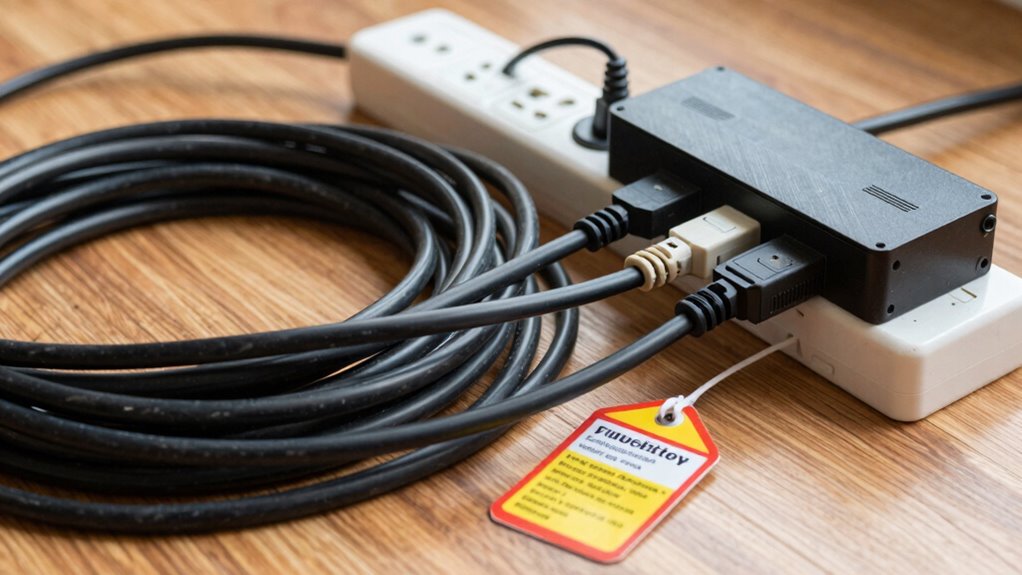
Using extension cords safely starts with understanding how to connect and handle them properly. Proper cord management prevents tripping hazards and damage. Always check extension cord labels to verify they’re rated for your intended use. When connecting cords, follow these steps:
- Keep connections off the ground and avoid pinching or kinking the cord.
- Use heavy-duty cords for outdoor or high-power tools.
- Unplug cords when not in use, and avoid daisy-chaining multiple cords together.
When and Why You Should Avoid Using Extension Cords
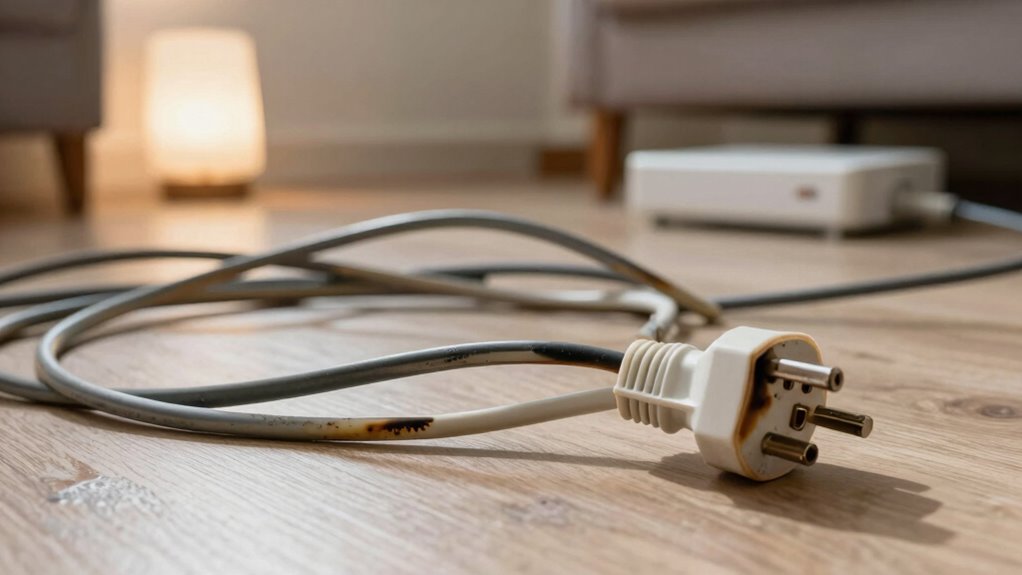
While extension cords are handy, there are times when avoiding their use is the safest choice. If you’re working outdoors, always use outdoor-rated cords, as indoor cords aren’t designed for weather exposure and can pose safety risks. Conversely, indoor extension cords should never be used outside, as they lack proper insulation and grounding. You should also avoid using extension cords when their length causes excessive voltage drop or if the cord is too long for the task. Long cords can increase fire risk and reduce power to your devices. When possible, it’s safer to plug appliances directly into a wall outlet or use permanently installed wiring. In these situations, abstaining from extension cords helps prevent electrical hazards and ensures your safety.
How to Spot Damage and Overloading in Your Extension Cords
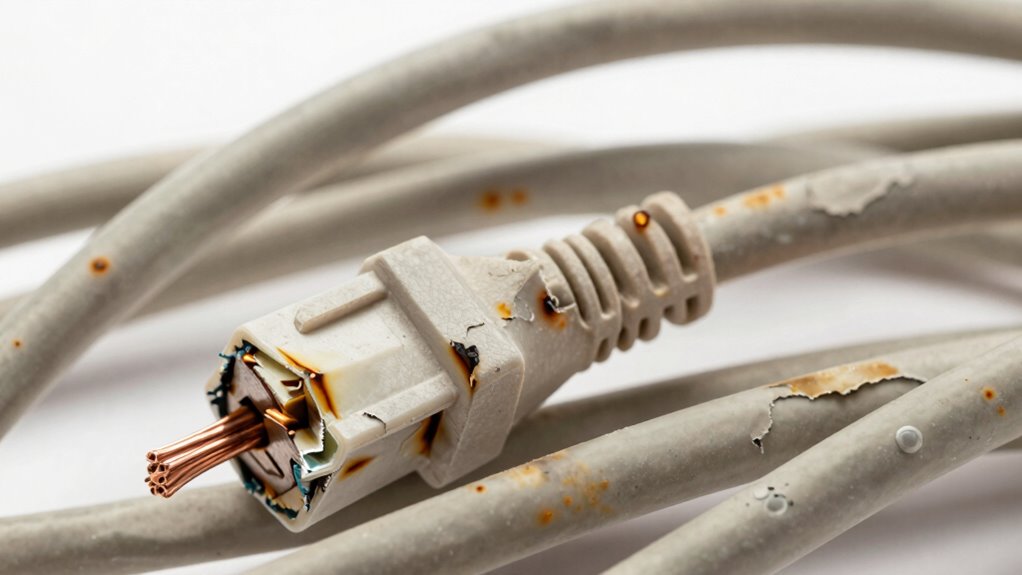
To keep your extension cords safe, it is vital to regularly inspect them for signs of damage and overloading. Start with a visual inspection: check for cracks, frayed wires, or exposed insulation. Next, perform electrical testing by plugging in the cord to see if it trips your circuit breaker or causes outlets to feel warm. Finally, examine the cord’s connections—loose or damaged plugs can be a hazard. Be especially cautious with cords that show any of these signs, as they indicate potential electrical failure or fire risk. Remember, overloading your extension cord by plugging in too many devices can cause overheating and damage. Consistent inspections help catch issues early, keeping you safe and extending the lifespan of your cords.
Maintenance Tips to Keep Your Extension Cords Safe Over Time
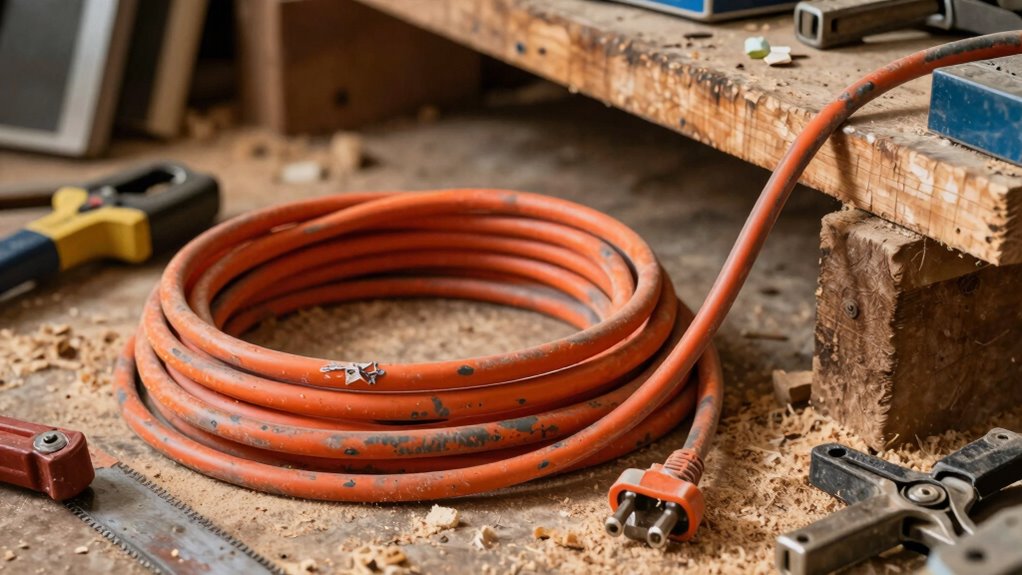
Regular maintenance is essential to guarantee your extension cords remain safe and functional over time. Implementing consistent inspection routines helps you catch potential issues early, preventing accidents. Check your cords regularly for signs of wear, such as frayed insulation, cracks, or exposed wires. Keep cords away from moisture, heat sources, and sharp objects that can cause damage. When inspecting, test for proper grounding and ensure plugs and connectors are secure. Coil cords loosely to prevent internal damage and avoid twisting or bending them excessively. Store your extension cords in a cool, dry place when not in use. Proper cord maintenance prolongs their lifespan and minimizes safety risks. Staying vigilant with routine inspections is key to keeping your extension cords safe for all your electrical needs.
Frequently Asked Questions
Are There Specific Extension Cords for Outdoor Versus Indoor Use?
Yes, there are specific extension cords for outdoor versus indoor use. Outdoor cords feature a weatherproof design that resists moisture and temperature changes, making them safer outside. You should also pay attention to cord gauge specifications; thicker gauges handle higher power loads and are more durable for outdoor tasks. Using the right type guarantees safety and efficiency, preventing electrical hazards in various environments.
How Can I Tell if My Extension Cord Is Rated for High-Power Devices?
To determine if your extension cord is rated for high-power devices, check its gauge measurement and power rating. A lower gauge number (like 12 or 14) indicates thicker wire, suitable for high-power use. Also, look for a label that specifies the maximum wattage or amperage it can handle. If your device requires more power, verify the cord’s ratings meet or surpass those needs to prevent overheating or hazards.
What Are the Legal Regulations Regarding Extension Cord Usage?
Think of your extension cord as a bridge that connects power safely. You must follow legal regulations to guarantee regulatory compliance and meet safety standards. These laws typically specify proper cord ratings, usage limits, and grounding requirements. Always check local codes and manufacturer instructions before plugging in high-power devices. By respecting these rules, you protect yourself and your surroundings, ensuring your power connections are both legal and safe.
Can Using Multiple Extension Cords Create Additional Hazards?
Using multiple extension cords can definitely create additional hazards. When you connect several cords, you increase the risk of a power surge, which can damage devices or cause a fire risk. Overloading cords also causes overheating, making fires more likely. To stay safe, avoid daisy-chaining cords and use a single, appropriately rated extension cord for your needs. Always inspect cords regularly for damage and never overload them.
How Long Can an Extension Cord Safely Remain Plugged In?
Think of your extension cord as a busy highway—longer cords and excess power can cause traffic jams. You should unplug your extension cord when not in use, ideally within a few hours, to prevent overheating and electrical hazards. Keep in mind that longer cords may diminish power capacity, so stick to the recommended cord length for your device to ensure safety. Always follow manufacturer guidelines for safe use.
Conclusion
By following these safety tips, you can keep your home as safe as a fortress. Remember, using extension cords correctly is like steering a ship—control and awareness prevent accidents. Don’t wait until it’s too late; inspect, choose wisely, and use cords responsibly. Staying vigilant guarantees you avoid hazards and protect your loved ones. Safety isn’t just a rule—it’s your best defense against unexpected dangers lurking in everyday tasks.
Fall Picks
fall essentials
As an affiliate, we earn on qualifying purchases.