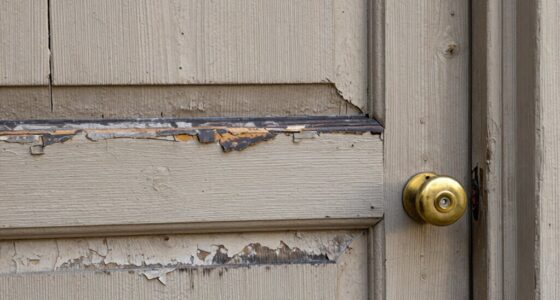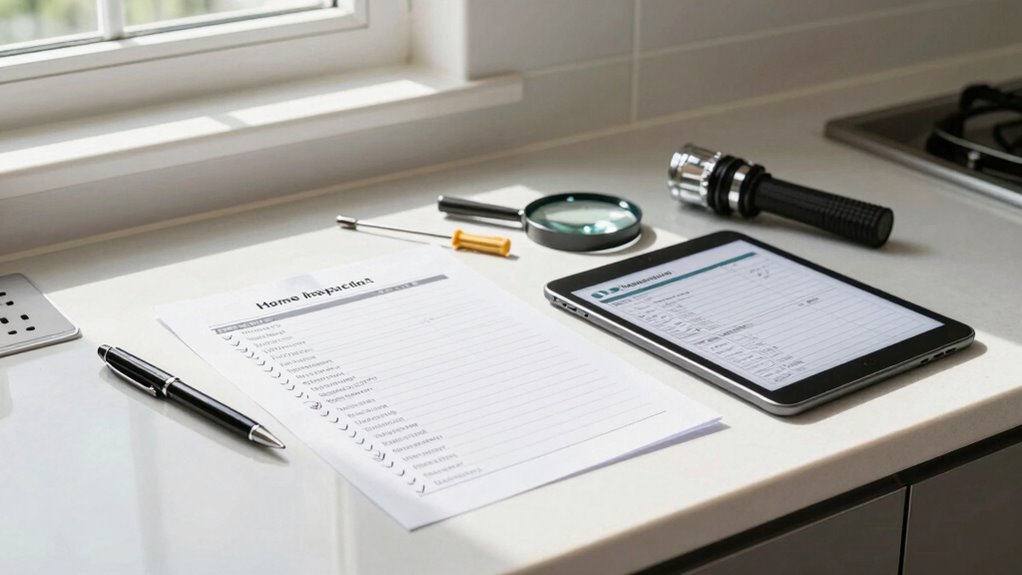

Each month, conduct a thorough home inspection by checking outdoor areas for debris, pests, and water issues, and indoors for cracks, mold, or leaks. Examine plumbing fixtures and drainage for signs of moisture or blockages and test electrical safety features like GFCI outlets and circuit breakers. Keep an eye on HVAC filters, windows, and doors for drafts or damage. Staying vigilant helps spot problems early—continue exploring how to maintain your home effectively for long-term safety.

Get the latest gadgets delivered free — and shop member deals
- Fast, free delivery on millions of items
- Access to Prime Big Deal Days deals on October 6–7
- Prime Video, Amazon Music and more included
Key Takeaways
- Inspect and clean gutters, downspouts, and roof overhangs for debris or damage.
- Check for cracks, leaks, or moisture issues in foundation, walls, and basement areas.
- Test all smoke, carbon monoxide detectors, and GFCI outlets for proper operation.
- Examine windows and doors for drafts, damage, or sealing issues; replace weatherstripping as needed.
- Review plumbing fixtures and drains for leaks, clogs, or unusual odors; address problems promptly.
As an affiliate, we earn on qualifying purchases.
How to Conduct Your Monthly Home Inspection
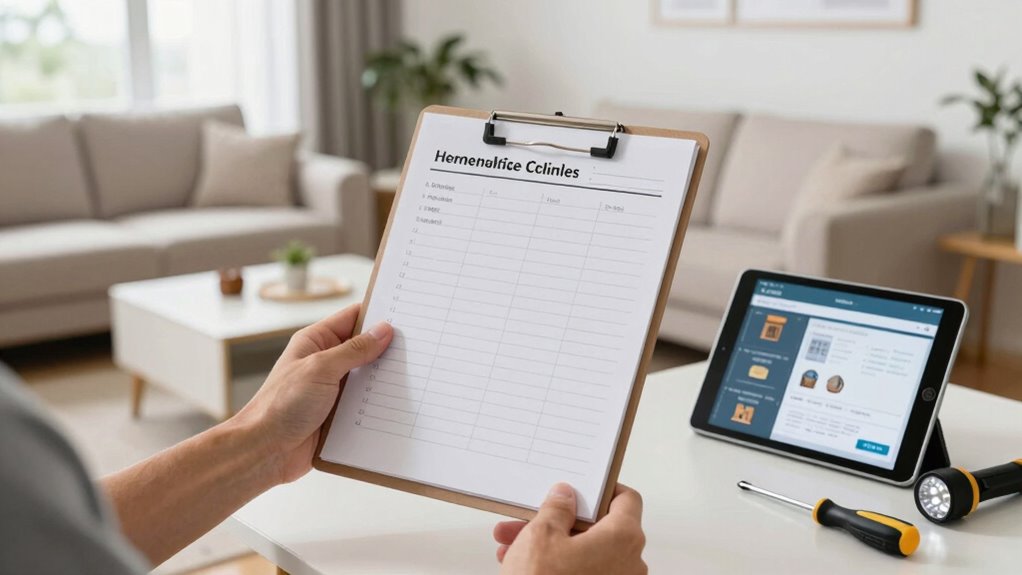
Regularly inspecting your home each month helps catch small issues before they become costly repairs. Start outside by checking your garden maintenance; trim overgrown plants, clear debris, and ensure gutters are free of leaves. This outdoor check can also help identify early signs of damage that might need immediate attention. This routine inspection can also reveal potential pest entry points, allowing you to address issues before they escalate. Look for signs of pest control problems, such as droppings or chewed wires, which could indicate an infestation. Inside, examine your home’s foundation for cracks and inspect windows and doors for proper sealing. Pay attention to areas prone to moisture, like bathrooms and kitchens, to prevent mold growth. Regularly scanning these spots helps you spot potential problems early, saving money and effort. Additionally, understanding your home’s whole-home water system can help identify leaks or issues that might contribute to moisture problems. Staying proactive with home security measures can also prevent unauthorized access and protect your property. Conducting a comprehensive home inspection each month keeps you aware of potential issues, allowing timely repairs and maintenance. Keeping up with these inspections keeps your home safe, comfortable, and pest-free while maintaining its value over time.
As an affiliate, we earn on qualifying purchases.
What Are the Main Areas to Check During Your Inspection
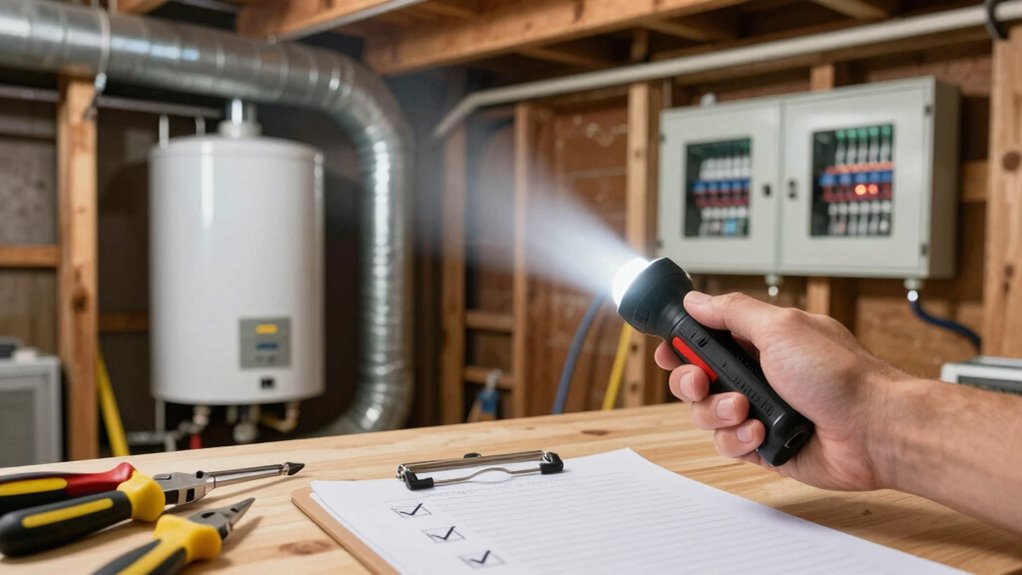
When conducting your home inspection, it’s crucial to focus on key areas that reveal the most about your property’s condition. Start with HVAC filters; check if they’re dirty or clogged, and replace them if needed to guarantee efficient heating and cooling. Examine windows and doors for drafts or damage that could affect energy efficiency. Inspect for signs of pests or pest control issues around the foundation, vents, and entry points. Look at your attic and basement for moisture, mold, or pest activity. Don’t forget to review your ventilation systems and exhaust fans. Paying attention to these main areas helps catch problems early, saving you money and maintaining a safe, comfortable home. Regular checks on HVAC filters and pest control measures are essential parts of your monthly routine. Additionally, inspecting DIY tools and safety equipment can help ensure you are prepared for any minor repairs or maintenance tasks. To further enhance your home’s safety, consider air quality and ventilation systems that can improve indoor air and prevent issues related to moisture or pollutants. Incorporating home maintenance schedules into your routine can help you stay consistent and proactive in identifying potential issues before they escalate. Regularly reviewing these areas also allows you to spot early signs of damage, and being aware of water-related issues can prevent costly repairs down the line.
As an affiliate, we earn on qualifying purchases.
How to Inspect Plumbing, Fixtures, and Drainage for Leaks and Blockages
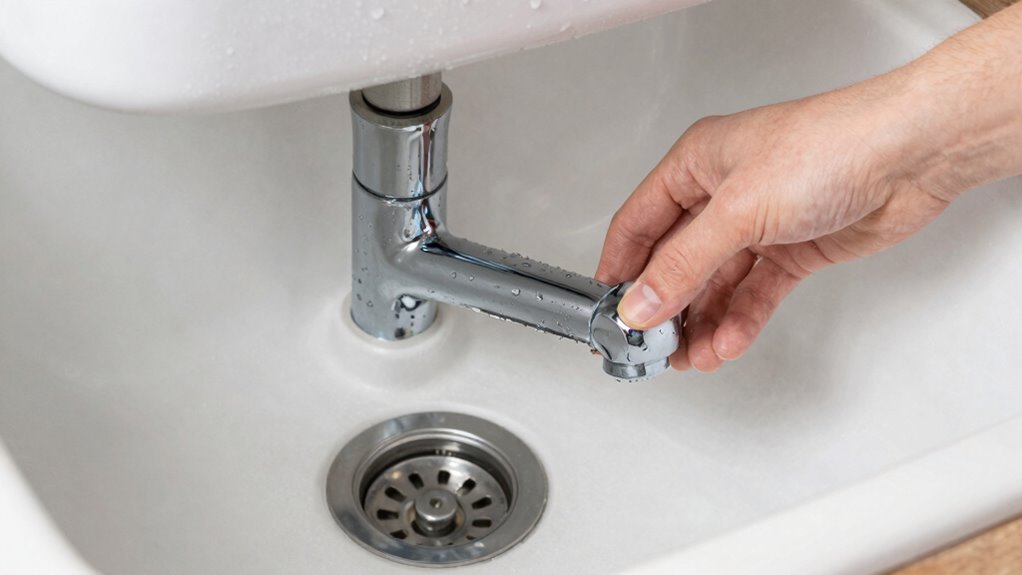
To effectively inspect your plumbing, fixtures, and drainage systems for leaks and blockages, start by visually examining pipes under sinks, in the basement, and around the foundation for signs of moisture, corrosion, or water stains. Look for corrosion on pipes, which can indicate deterioration. Next, perform water pressure checks by turning on faucets and showers; consistently low pressure may signal blockages. Also, listen for dripping sounds or running water when fixtures are off. Regularly inspecting plumbing systems can help prevent future issues with leaks and mold growth. Additionally, ensure that drainage is smooth, with no standing water or unusual odors indicating blockages. Monitoring ventilation and airflow in your plumbing can also help detect hidden problems early. Using appropriate measurement tools such as pressure gauges or moisture meters can further assist in identifying potential issues before they become major repairs.
As an affiliate, we earn on qualifying purchases.
How to Check Your Electrical System and Safety Features
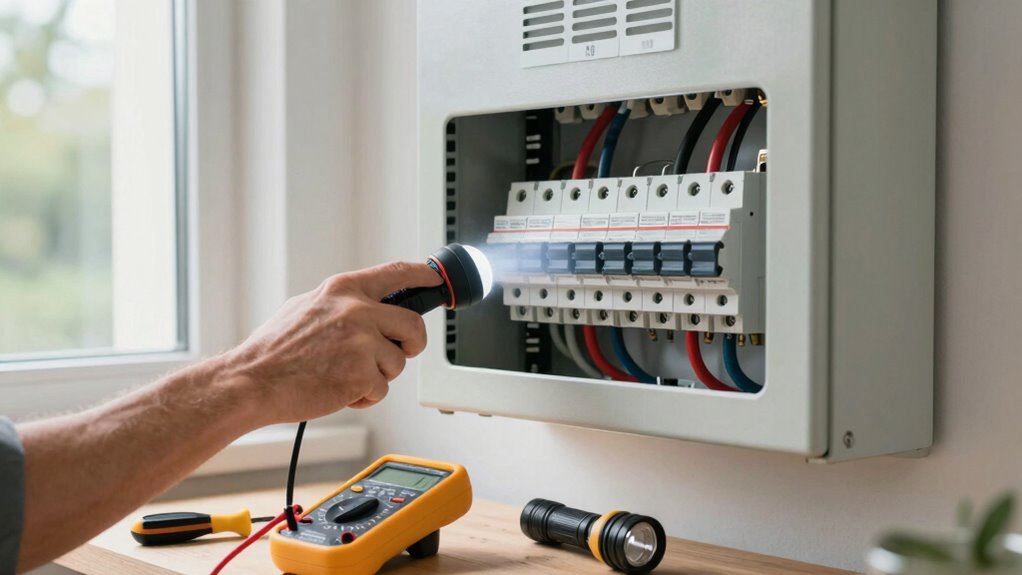
Before inspecting your electrical system, confirm the power is turned off to prevent accidents. Start by checking your circuit breaker safety; ensure all switches are in the off position and look for signs of wear or damage. Test GFCI outlets by pressing the test button, then pressing the reset button to confirm they trip properly. This guarantees your safety features are functioning correctly. Examine outlets and switches for cracks, discoloration, or loose covers, which can indicate electrical issues. Inspect cords for fraying or damage, and avoid overloading outlets. Regular GFCI outlet testing and circuit breaker safety checks help prevent electrical fires and shocks. Additionally, understanding electrical system safety can help you identify potential hazards early. Incorporating home safety practices can further reduce risks associated with electrical malfunctions. Staying vigilant with these simple monthly checks keeps your electrical system safe and reliable. Being aware of electrical hazards can help you respond quickly to prevent accidents. Moreover, learning about fire prevention techniques related to electrical components can enhance your overall safety measures. Regularly reviewing safety guidelines for electrical systems ensures you stay informed about new risks and safety updates.
Recording Maintenance and Spotting Trends Over Time
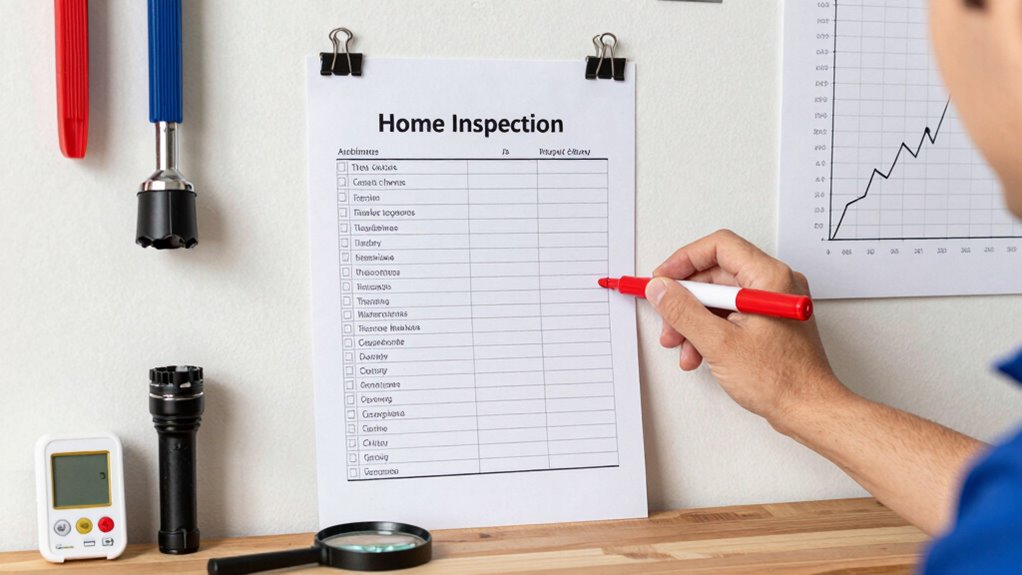
Keeping detailed records of your home maintenance tasks allows you to track the condition of your systems over time. This helps you identify patterns and catch issues early. To get started:
Maintaining detailed home records helps you spot issues early and track system health over time.
- Track garden maintenance activities and note any changes in plant health or soil conditions, which can indicate underlying problems. Recognizing regional flavor profiles can also help you select appropriate plants and treatments for your climate.
- Record pest prevention efforts, such as sealing entry points or applying treatments, so you can see what works best and prevent future infestations. Developing media literacy can assist you in interpreting information about pest control methods and choosing effective strategies.
- Document repairs or replacements of appliances, plumbing, or electrical systems to spot recurring issues and plan proactive maintenance. Learning about preventive maintenance techniques can further help you extend the lifespan of your home components.
- Incorporate digital wall art displays or interactive murals to visually monitor and review your maintenance logs over time, making it easier to spot long-term trends. Regularly updating these displays can also enhance your overall home organization and motivate consistent upkeep.
Frequently Asked Questions
How Do I Prioritize Repairs During My Monthly Inspection?
You should prioritize repairs by first addressing safety hazards, like faulty wiring or leaks, to protect everyone. Then, follow your maintenance schedule to fix issues that could cause bigger problems later, such as HVAC or plumbing. Regularly inspecting these areas helps you catch small problems early and keeps your home safe and efficient. Always tackle urgent repairs first before moving on to less critical maintenance tasks.
What Tools Are Essential for an Effective Home Inspection?
For an effective home inspection, you need essential tools like a flashlight, screwdriver, moisture meter, and a ladder for DIY maintenance. Use the flashlight to check dark corners, and a screwdriver for testing outlets and fixtures. Always follow safety precautions, such as turning off power when inspecting electrical systems. These tools help you identify issues early, ensuring your home stays safe and well-maintained during your monthly inspection.
How Can I Identify Hidden Mold or Pest Issues?
You can spot hidden mold or pest issues by paying close attention to subtle signs like persistent odors or discoloration. Enhancing ventilation improvements and moisture control helps prevent hidden problems from developing. Regularly check dark, damp areas such as basements and behind appliances. Look for small leaks or water stains, which can signal trouble. Staying vigilant and maintaining good airflow makes it easier to catch issues early before they become serious.
When Should I Call a Professional Instead of Inspecting Myself?
You should call a professional if your DIY safety inspection reveals signs of hidden mold, pest infestations, or structural damage that you can’t safely assess. Also, if you notice persistent issues despite regular inspections, it’s time for expert help. Remember, inspection frequency varies, but annual professional inspections complement your monthly DIY checks, ensuring you catch problems early and maintain a safe, well-maintained home.
How Do Weather Conditions Affect My Inspection Routine?
Weather conditions are like a weather vane, guiding your inspection routine. Seasonal maintenance is essential because climate impact varies; for example, heavy rain can cause leaks, while snow buildup stresses your roof. During extreme weather, inspect more frequently to catch issues early. In milder weather, you can space out your inspections. Adjust your routine based on current conditions to keep your home safe and in top shape year-round.
Conclusion
By following this focused, friendly, and thorough monthly home inspection checklist, you’ll catch small issues before they escalate. Regularly reviewing your residence helps you spot sneaky leaks, sizzling safety flaws, and subtle structural signs early on. Staying vigilant saves you stress, sums up your safety, and secures your space. So, stay sharp, scan systematically, and safeguard your sanctuary—because consistent care keeps your home happy, healthy, and hassle-free.
Fall Picks
fall essentials
As an affiliate, we earn on qualifying purchases.