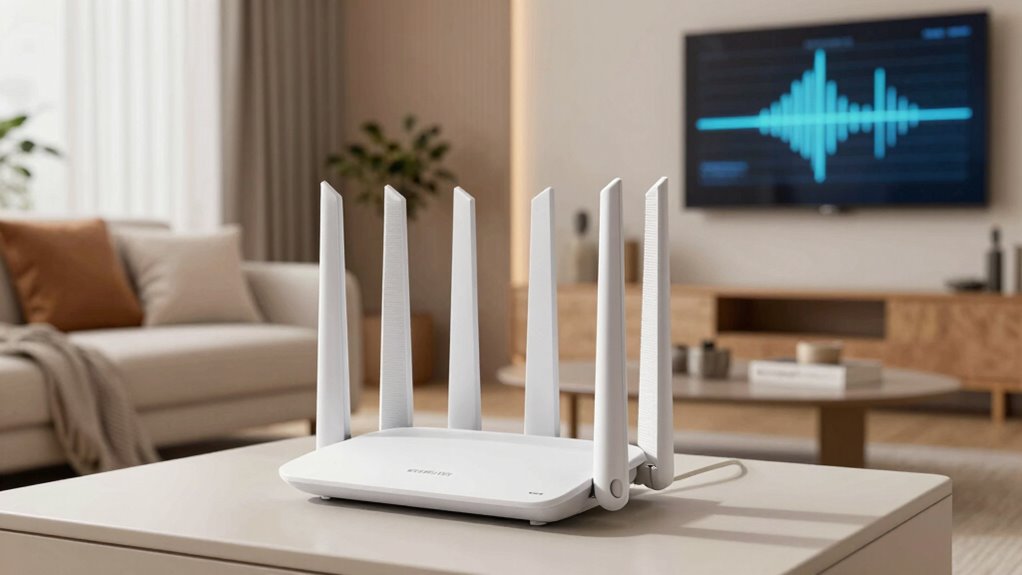

Mesh Wi‑Fi systems work by connecting multiple devices to create a seamless, reliable internet network across large or complex spaces. They eliminate dead zones, support many devices, and are easy to expand. However, they may be unnecessary for small homes or where existing Wi-Fi coverage is good. Proper placement and management are key to performance. To discover if mesh Wi‑Fi suits your needs and learn more, explore the details below.

Get the latest gadgets delivered free — and shop member deals
- Fast, free delivery on millions of items
- Access to Prime Big Deal Days deals on October 6–7
- Prime Video, Amazon Music and more included
Key Takeaways
- Mesh Wi‑Fi systems provide seamless coverage for large or complex spaces, eliminating dead zones and weak signals.
- Ideal when multiple devices need reliable, high-speed connections across expansive or multi-floor environments.
- Less effective in small areas where a single, well-placed router suffices or if existing Wi‑Fi coverage is adequate.
- Performance depends on proper node placement, stable power, and avoiding interference from obstacles or other devices.
- Cost and system complexity may outweigh benefits for users with simple or limited coverage needs.
mesh Wi-Fi system for large homes
As an affiliate, we earn on qualifying purchases.
As an affiliate, we earn on qualifying purchases.
What Is Mesh Wi-Fi and How Does It Work?
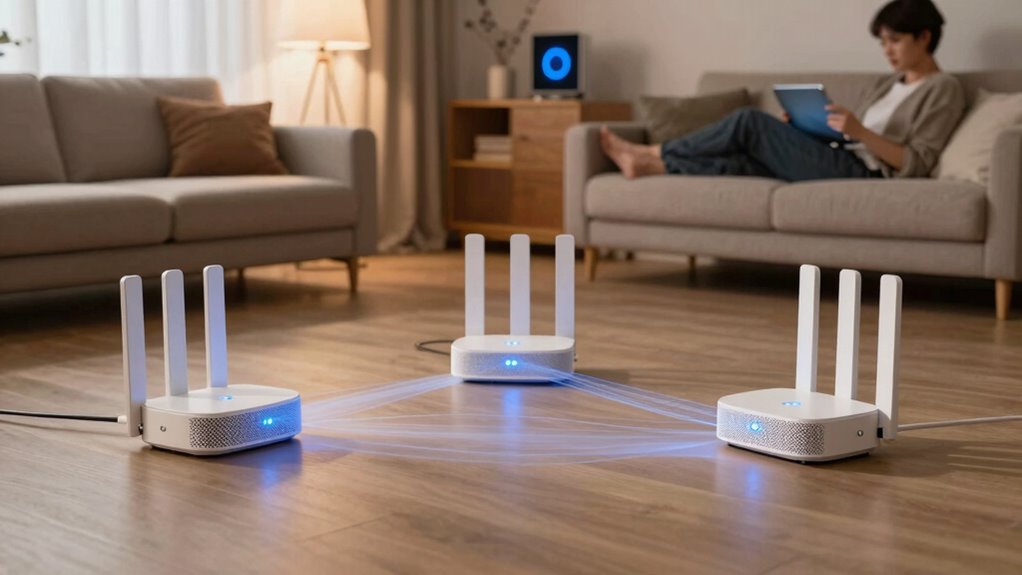
Ever wonder how some homes get seamless Wi-Fi coverage even in the hardest-to-reach spots? That’s where mesh Wi-Fi comes in. It uses multiple nodes to create a unified network, eliminating dead zones. It also adapts to changing network demands, optimizing performance dynamically. Unlike traditional routers that rely on a single device, mesh systems communicate with each other, spreading Wi-Fi evenly throughout your home. This setup helps reduce network congestion by efficiently managing data traffic across nodes. To keep your mesh network running smoothly, firmware updates are essential—they fix bugs and improve performance. These updates ensure your system stays secure and optimized for the best coverage. With mesh Wi-Fi, you get a reliable, consistent connection, even when multiple devices are streaming or gaming, without the hassle of dead zones or slow speeds. Additionally, high refresh rates in compatible mesh devices can improve overall stability and responsiveness for activities like gaming and streaming. Regular updates and network optimization techniques further enhance the reliability and speed of your mesh network. Incorporating adaptive routing can also help dynamically prioritize traffic, ensuring optimal performance for all connected devices. Moreover, understanding body piercing aftercare can help prevent infections and maintain overall health while enjoying your piercings.
As an affiliate, we earn on qualifying purchases.
The Benefits of Mesh Wi-Fi
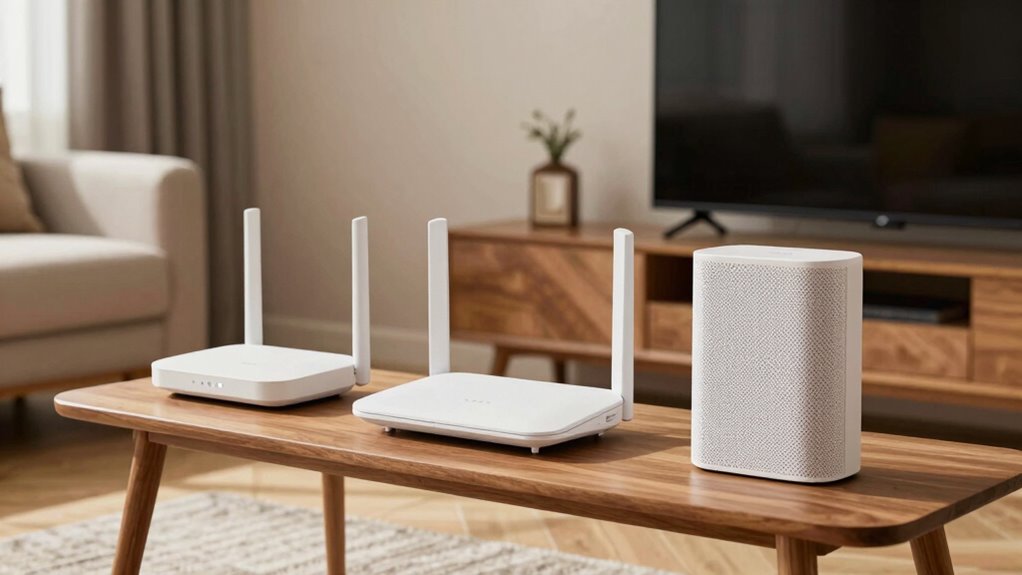
With mesh Wi-Fi, you get seamless network coverage that eliminates dead zones in your home. The setup process is straightforward, so you can get your network running quickly without hassle. Plus, your devices stay connected reliably, even as you move around your space. Additionally, mesh systems can be configured to support Free Floating environments, making them versatile for various backyard and outdoor setups. Properly configured mesh networks can also enhance home automation performance by ensuring consistent connectivity for smart devices. Understanding the mesh network topology helps optimize coverage and performance across all connected devices. Recognizing potential environmental stressors, such as extreme temperatures, can also improve the longevity and reliability of your mesh system. Being aware of potential interference sources, like nearby wireless devices or thick walls, can further help maintain optimal performance.
Seamless Network Coverage
Have you ever experienced dead zones or weak signals in certain parts of your home? Mesh Wi-Fi can fix that by providing seamless network coverage. Unlike traditional routers, mesh systems use multiple nodes that work together to extend your Wi-Fi signal evenly throughout your space. This setup helps eliminate dead zones and guarantees a strong connection wherever you go. Since mesh systems are designed for scalability, you can add more nodes without worrying about bandwidth limitations or hardware compatibility issues. This creates a unified network, so your devices switch smoothly between nodes without interruptions. With mesh Wi-Fi, you don’t have to compromise on coverage or speed, making it ideal for larger homes or environments with many connected devices. Additionally, just as electric dirt bikes feature high horsepower for performance, mesh Wi-Fi systems are engineered for optimal network efficiency, ensuring fast and reliable internet across your entire home. Properly setting up and maintaining your mesh network can further enhance its performance and reliability.
Simplified Setup Process
Setting up a traditional Wi-Fi router can be complicated and time-consuming, but mesh Wi-Fi simplifies the process considerably. With mesh systems, you usually just connect the main unit to your modem and use a mobile app to add additional nodes. The app guides you through each step, making setup quick and straightforward. Mesh networks are designed to minimize issues caused by wireless interference, ensuring a more reliable connection. Plus, they typically support a wide range of device compatibility, so your smartphones, smart home devices, and laptops all connect easily without compatibility worries. This streamlined setup reduces frustration and saves time, so you can enjoy a strong, stable Wi-Fi signal across your home faster and with less hassle.
Enhanced Device Connectivity
One of the key advantages of mesh Wi-Fi is its ability to provide seamless connectivity across multiple devices throughout your home. This is especially beneficial for your smart home gadgets and gaming setup. With mesh, you’ll experience:
- Better connection stability for smart home devices, reducing lag and disconnections.
- Consistent gaming performance, even in farthest corners of your house.
- Simplified management of numerous devices through a unified network.
- Reduced dead zones, ensuring every device stays connected without interruptions.
- Enhanced device compatibility ensures that your smart devices and gaming equipment work smoothly with the mesh network. Additionally, mesh systems often feature automatic band steering, which intelligently directs devices to the optimal frequency for improved performance.
This enhanced device connectivity makes your smart home more reliable and your gaming sessions smoother. Mesh Wi-Fi adapts to your device needs, providing the bandwidth and stability necessary for modern connected lifestyles.
Wi-Fi mesh extender for dead zones
As an affiliate, we earn on qualifying purchases.
As an affiliate, we earn on qualifying purchases.
Limitations of Mesh Wi-Fi Systems

While Mesh Wi-Fi systems offer many advantages, they also have notable limitations that can affect performance and user experience. Hardware limitations can restrict the range and speed, especially if the nodes are outdated or not designed for high-bandwidth tasks. These systems often depend on a stable power source and proper placement; poor positioning can create dead zones. Firmware updates are vital for security and performance improvements, but they can sometimes cause issues if updates are faulty or incompatible. Additionally, some mesh systems lack advanced features or customization options found in traditional routers. Interference from other wireless devices and physical obstructions may also degrade performance, making it necessary to fine-tune your setup. Recognizing these limitations helps you make informed decisions about deploying mesh Wi-Fi in your home. Harnessing feedback loops can also assist in optimizing setup and performance over time. Moreover, understanding the environmental factors that influence signal quality can help you better position your mesh nodes for optimal coverage. Paying attention to Hardware limitations ensures that your network setup remains reliable and efficient in the long run. Being aware of potential interference sources allows you to troubleshoot connectivity issues more effectively. Additionally, environmental factors like wireless interference from other devices can significantly impact your network’s stability and should be monitored regularly.
As an affiliate, we earn on qualifying purchases.
When Should You Use Mesh Wi-Fi? Key Use Cases

If you have a large home or need reliable coverage everywhere, mesh Wi-Fi can be a game-changer. It’s especially useful when managing multiple devices and wanting a seamless roaming experience across your space. Understanding these key use cases will help you decide if mesh Wi-Fi fits your needs. Additionally, implementing home soundproofing can improve your overall environment by reducing noise disruptions, creating a more comfortable living space. Proper placement of mesh nodes and considering network security are also important to maximize performance and safety in your connected home. Being aware of essential DIY tools and safety tips can help you set up your network equipment correctly and securely. For optimal results, understanding wireless standards can guide you in selecting compatible devices and ensuring robust connectivity.
Large Home Coverage
Do you struggle with dead zones or weak Wi-Fi signals throughout your large home? If so, mesh Wi-Fi can be a game-changer. Consider it if you want:
- Seamless coverage across multiple floors and rooms
- Reliable connections for your smart home devices
- Improved gaming performance with low latency
- Easy scalability as your home expands
- Enhanced gear care tips to maintain optimal router performance
Mesh systems eliminate dead zones by creating a unified network, ensuring your smart home stays connected everywhere. They also provide a stable, high-speed connection vital for online gaming. If you have a big house and want consistent Wi-Fi, mesh Wi-Fi is a smart choice. It simplifies management and keeps all your devices linked without signal drops, making it perfect for large homes with diverse connectivity needs. Additionally, understanding the performance benefits of mesh Wi-Fi can help you optimize your network setup for the best experience. When selecting a mesh system, consider factors like network scalability and compatibility with your existing devices to ensure a seamless upgrade.
Multiple Device Management
Managing multiple devices efficiently becomes essential when your household has numerous smart gadgets, streaming devices, and work-related tools all vying for bandwidth. Mesh Wi-Fi helps by intelligently managing device connections, ensuring each device gets the necessary bandwidth without congestion. This setup improves network security by reducing the risk of unauthorized access through better network segmentation and control. It also allows for better bandwidth allocation, prioritizing work devices during business hours or streaming devices during entertainment time. With multiple devices, a mesh system maintains a stable, secure connection across your entire home, preventing bottlenecks. This makes it ideal when you need reliable, fast internet for all your connected gadgets, ensuring everything runs smoothly without sacrificing security or performance.
Seamless Roaming Experience
A seamless roaming experience becomes essential when you move around your home or workspace, guaranteeing your device stays connected without interruptions or signal drops. Mesh Wi-Fi is ideal when you want consistent coverage and smooth handovers. Consider these scenarios:
- You frequently move between rooms, avoiding signal drops during video calls or streaming.
- Your home faces network congestion, and a mesh system helps distribute traffic evenly.
- You have multiple devices with varying compatibility, and mesh setups ensure all stay connected effortlessly.
- You work or play in different areas, needing reliable connectivity without manually switching networks.
In these cases, mesh Wi-Fi provides a unified network that supports device compatibility and minimizes disruptions, creating a truly seamless roaming experience.
Mesh Wi-Fi vs. Extenders and Routers: What’s the Difference?

While traditional routers, extenders, and mesh Wi-Fi systems all aim to improve your home’s internet coverage, they do so in different ways. Routers are the core device, but they can struggle with interference issues, especially in larger homes or environments with many devices. Extenders boost coverage by repeating the signal, but they often create dead zones and can slow your network. Mesh Wi-Fi systems, on the other hand, use multiple nodes to provide seamless coverage and reduce interference issues. They’re designed to work together, simplifying network management. However, mesh systems require firmware updates to optimize performance and security. Unlike extenders, they typically offer better stability and flexibility, making them ideal for larger or more complex homes.
Is Mesh Wi-Fi Right for Your Network? How to Decide
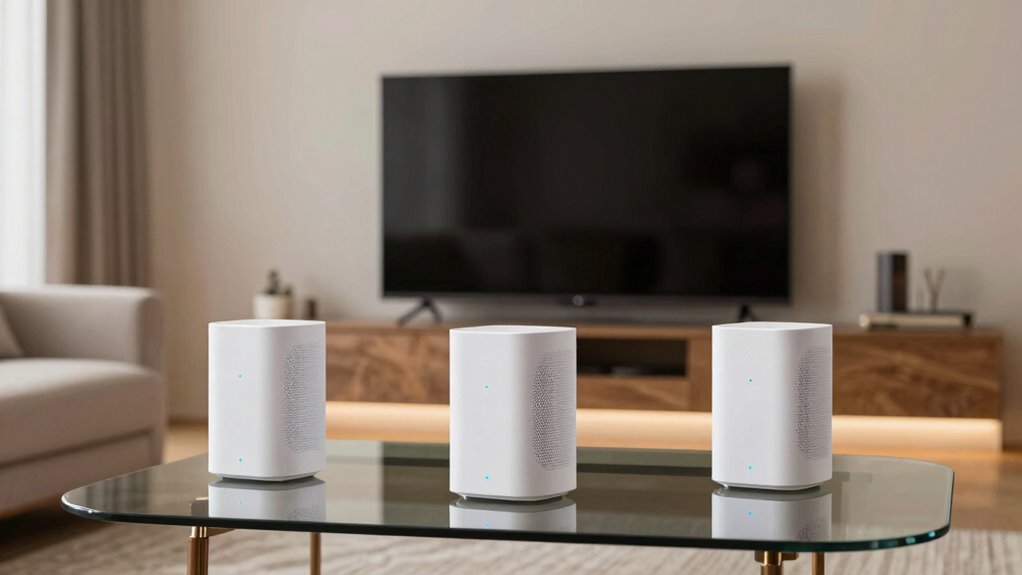
Deciding whether mesh Wi-Fi is right for your network depends on your home’s size, layout, and the number of devices you use. If you have a large, multi-story home or a smart home with many connected devices, mesh systems can improve coverage and reduce dead zones. Consider these factors:
- Your home’s size and layout—large or irregularly shaped homes benefit most.
- The number of devices—more devices mean better load distribution with mesh.
- Network security needs—mesh systems often include advanced security features.
- Future expansion plans—mesh makes adding devices or nodes easy.
If you prioritize seamless coverage, a smart home setup, and strong network security, mesh Wi-Fi could be a good fit. Otherwise, traditional routers might suffice for smaller, simpler networks.
Tips for Setting Up and Optimizing Your Mesh Wi-Fi Network

Getting your mesh Wi-Fi network set up and running smoothly requires careful placement and configuration. Position your nodes centrally and avoid obstructions to guarantee maximum coverage. Regular firmware updates are essential—they fix bugs, enhance performance, and address security concerns. Check for updates periodically and apply them promptly. Secure your network by changing default passwords and enabling strong encryption settings. Avoid leaving default credentials or insecure configurations that could expose your network to threats. Use a dedicated network for your smart devices to minimize security risks. Monitor your network’s performance and tweak node placement if you notice dead zones or slow speeds. Keeping firmware current and maintaining strong security practices ensures your mesh Wi-Fi remains reliable, fast, and protected from potential vulnerabilities.
Is Mesh Wi-Fi Worth It? Final Tips and Considerations
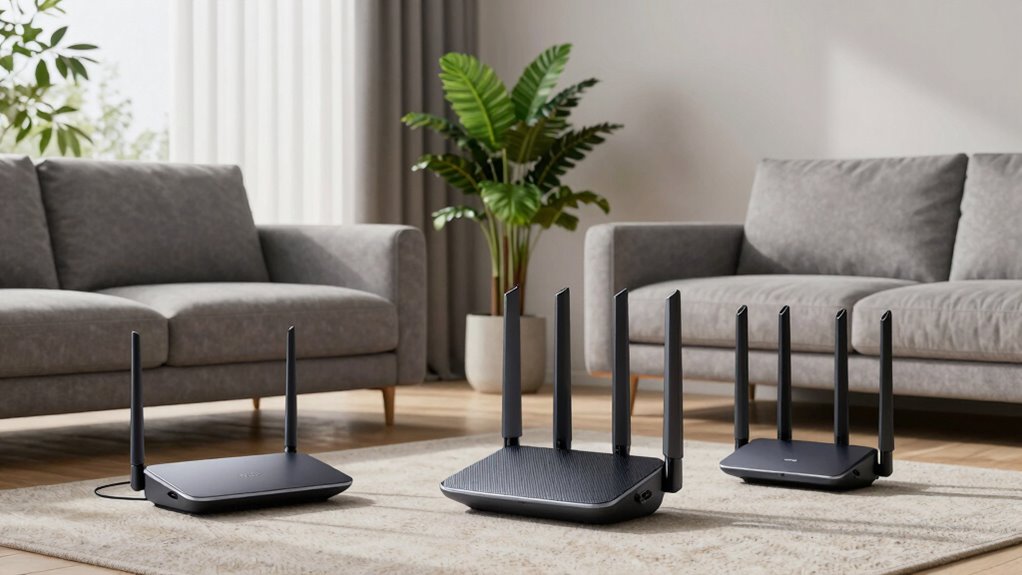
Considering the growing number of connected devices and the demand for reliable internet throughout your home, mesh Wi-Fi often proves to be a worthwhile investment. It enhances coverage and simplifies management, but weigh these final tips:
With many devices and high internet needs, mesh Wi-Fi can be a smart, reliable choice for your home.
- Prioritize wireless security by updating firmware and using strong passwords to protect your network.
- Assess your bandwidth allocation needs—mesh systems help distribute bandwidth evenly, preventing bottlenecks.
- Consider your home’s size and layout; the right mesh system can eliminate dead zones.
- Evaluate your budget and compare features to ensure you’re getting value without overpaying.
Ultimately, if seamless coverage and secure, efficient networks matter to you, mesh Wi-Fi is worth it. Just stay mindful of your specific needs and network demands.
Frequently Asked Questions
How Secure Is a Mesh Wi-Fi Network Compared to Traditional Setups?
A mesh Wi-Fi network is generally secure, but your safety depends on proper setup. It uses network encryption to protect your data and device authentication to verify connected devices, making it harder for outsiders to access your network. However, you should keep firmware updated and use strong, unique passwords. With these precautions, your mesh Wi-Fi can be just as secure as, if not more secure than, traditional setups.
Can Mesh Wi-Fi Systems Support Smart Home Device Integration Effectively?
Yes, mesh Wi-Fi systems support smart home device integration effectively. They offer strong device compatibility, allowing you to connect various smart gadgets seamlessly across your home. With a mesh network, you get reliable coverage and stable connections, which are essential for smart home automation. This setup guarantees your smart devices communicate smoothly, reducing lag or disconnection issues, and providing a more integrated and efficient smart home experience.
What Are the Typical Costs Associated With Installing a Mesh Wi-Fi Network?
You’ll typically spend between $150 and $500 on installation costs for a mesh Wi-Fi network, depending on the system’s size and features. Maintenance expenses, like replacing nodes or upgrading firmware, usually stay low but can add up over time. Imagine upgrading your entire home’s internet seamlessly—those costs cover the initial setup and occasional upkeep, ensuring your network runs smoothly without unexpected surprises.
How Does Mesh Wi-Fi Perform in Large, Multi-Story Buildings?
In large, multi-story buildings, mesh Wi-Fi performs well for multi-story coverage because it uses multiple nodes to extend signal reach. However, you might face issues due to signal attenuation caused by thick walls and floors, which can weaken the connection between nodes. To optimize performance, verify your mesh system is strategically placed on each floor and avoid obstructions that could hinder signal strength.
Are There Compatibility Issues With Existing Routers or Modems When Switching to Mesh?
Switching to mesh Wi-Fi isn’t like fitting a new puzzle piece; compatibility concerns can block your perfect picture. Some mesh systems may not seamlessly integrate with your existing router or modem, causing connection hiccups. To guarantee smooth router integration, check compatibility details before buying. If your current gear is outdated or proprietary, you might need a compatible mesh system or even a new setup to keep your network humming effortlessly.
Conclusion
Ultimately, mesh Wi-Fi is your trusty compass, guiding you through the tangled woods of dead zones and weak signals. But like any tool, it’s not a magic wand—know its limits and when to call in backup. If you choose wisely, it’ll weave a seamless web of connectivity, turning your home into a connected sanctuary. Trust your instincts, and let your network flourish like a well-tended garden, vibrant and thriving.
Fall Picks
fall essentials
As an affiliate, we earn on qualifying purchases.