To make your apartment feel quieter without renovations, start by sealing gaps around doors and windows with weatherstripping or draft stoppers. Arrange furniture like bookshelves and couches against shared walls to block sound. Add soft furnishings such as rugs, heavy curtains, and cushions to absorb noise. Use sound-masking devices like white noise machines, and layer window treatments to reduce outside noise. Implement quiet routines to maintain a peaceful environment—if you keep exploring, you’ll find even more simple ways to enhance your space.
Key Takeaways
- Seal gaps around doors and windows with weatherstripping, door seals, or window plugs to block noise leaks.
- Use furniture, rugs, and curtains strategically to absorb sound and reduce echo within rooms.
- Position soft furnishings like cushions and upholstered furniture against shared walls to dampen noise transmission.
- Incorporate white noise machines or fans to mask residual sounds and create a peaceful atmosphere.
- Establish quiet routines, schedule noisy activities wisely, and use noise-canceling headphones to minimize disturbances.

MAXTID Large Door Draft Stopper for Bottom of Doors 36” Under Door Sweep Noise Blocker Black Gap Stoppers Adjustable Doors Seal Sweep Guard Draft, Window Breeze Stoppers, Home Essentials Gadgets
Large door draft stopper foam is 2 inches in diameter, which is larger than most sellers' foam and…
As an affiliate, we earn on qualifying purchases.
As an affiliate, we earn on qualifying purchases.
Find and Seal Noise Leaks in Your Apartment
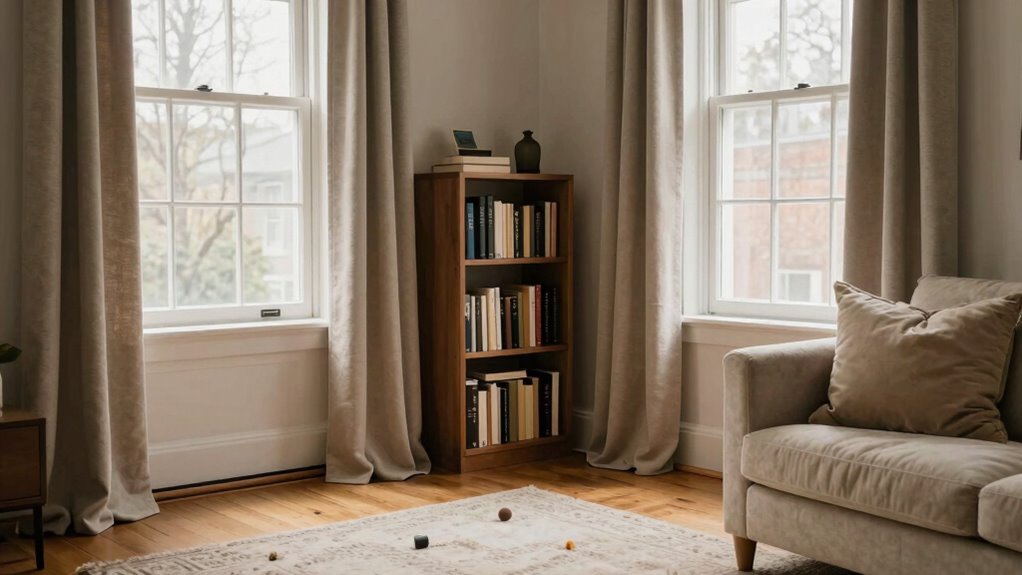
To effectively reduce noise in your apartment, start by identifying and sealing any gaps or cracks that allow sound to pass through. Check around door frames for gaps and install door seals to block noise from hallways or neighboring units. For windows, consider using window plugs—removable inserts that fill the gaps and prevent sound from leaking in or out. Use weatherstripping on doors and window frames to create an airtight seal. Don’t forget to inspect small cracks or holes in walls, as these can also transmit sound. Sealing these leaks is simple and cost-effective, making a noticeable difference in soundproofing. Additionally, incorporating natural landscaping elements around your apartment can help absorb exterior noise and enhance overall quietness. Being mindful of sound transmission pathways allows you to target problem areas more effectively, ensuring a quieter, more peaceful environment. Understanding how zoning and building design influence sound can help you better understand the sources of noise and address them accordingly. Recognizing the importance of building materials can guide you in choosing the most effective soundproofing solutions for your space. Taking these steps helps contain noise within your space and creates a quieter, more peaceful environment.
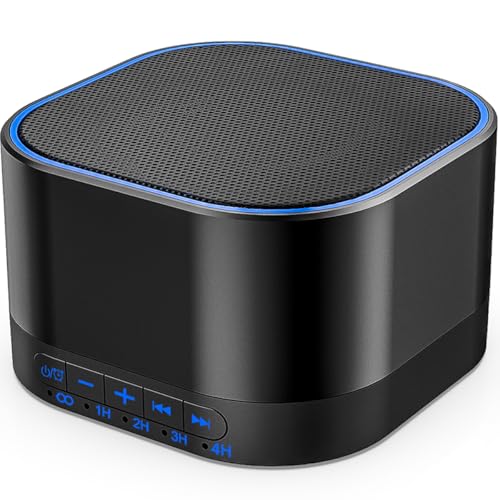
Magicteam Sound White Noise Machine with 20 Non Looping Natural Soothing Sounds and Memory Function 32 Levels of Volume Powered by AC or USB and Sleep Sound Timer Therapy for Baby Kids Adults
❤20 Non-Looping Sleep Sounds: White noise ,Brown noise, pink noise, blue noise, fan,brook, rain, ocean,bird and Bonfire,suitable for…
As an affiliate, we earn on qualifying purchases.
As an affiliate, we earn on qualifying purchases.
Arrange Furniture to Block Noise Paths
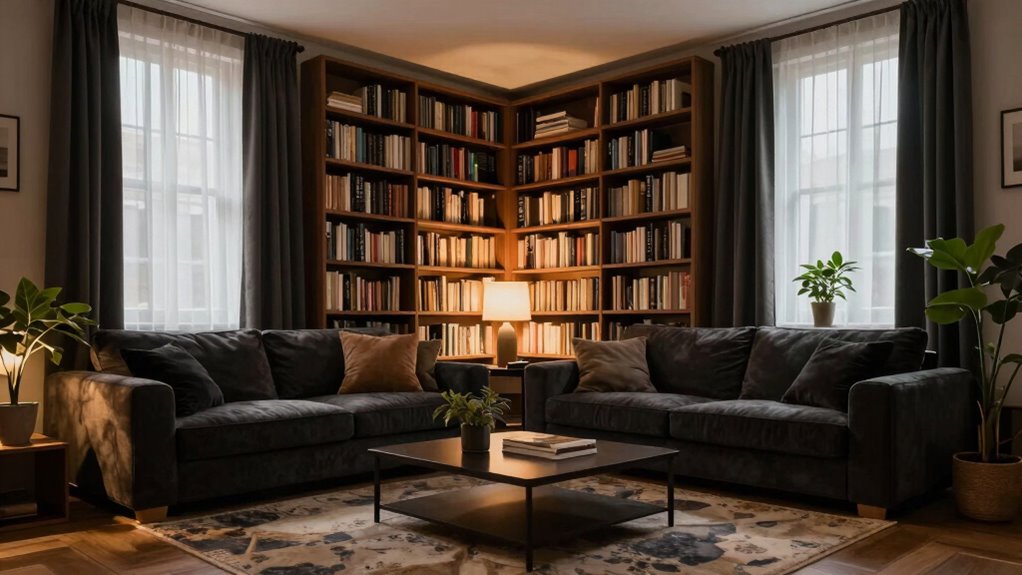
You can reduce noise by placing furniture in key locations to block sound paths. Positioning bookshelves, couches, or dressers against shared walls creates a barrier that minimizes noise transfer. Using soft sound barriers like rugs or curtains can further dampen sound and improve your space’s quietness. Incorporating cabling solutions such as organized cables and mounts can help prevent clutter that might contribute to sound reverberation and disruption. Additionally, eco-friendly garden decor made from recycled materials in gardening can also help create a more peaceful and sustainable environment indoors. Implementing drone bee principles about hive stability and pollination may inspire innovative ways to enhance your acoustic environment by promoting harmony and balance within your space. Choosing soundproofing techniques such as acoustic panels or door seals can further enhance the effectiveness of these strategies. Incorporating water features like small fountains or aquariums can add soothing background sounds that mask intrusive noise and promote tranquility.
Positioning Furniture Strategically
Strategically arranging your furniture can considerably reduce noise transfer between rooms. By focusing on furniture placement, you create natural barriers that block sound paths, enhancing your apartment’s quietness. Proper room zoning with large pieces, like sofas or bookshelves, directs noise away from quiet zones. For example, position a sofa against shared walls to absorb sound, and use tall cabinets to serve as sound buffers. Incorporating soundproofing elements such as upholstered furniture or thick curtains can further improve sound absorption. Additionally, choosing furniture with mass and density helps to dampen noise more effectively. Using sound-absorbing materials in your furniture selection can complement these strategies. Here’s a quick guide:
| Room Zone | Furniture Placement |
|---|---|
| Living Room | Use sofas to block entrances |
| Bedroom | Place wardrobes against walls |
| Kitchen | Position tall shelves nearby |
| Entryway | Add console tables as buffers |
| Office | Use bookcases to create sound barriers |
This approach makes your space feel calmer without renovations.
Using Soft Sound Barriers
Arranging furniture to create soft sound barriers effectively blocks noise paths and enhances your apartment’s quietness. Position large pieces like bookshelves or dressers against shared walls to absorb sound and reduce transmission. Incorporate acoustic panels on walls or behind furniture for added noise control, especially near noisy rooms or appliances. Use soft, upholstered furniture such as sofas and armchairs to dampen sound vibrations. By strategically placing these elements, you can direct unwanted noise away from your living space. Additionally, adding white noise machines or fans helps mask residual sounds, making your environment feel calmer. Effective soundproofing can also involve sealing gaps around doors and windows to prevent noise leaks. This approach doesn’t require renovations—just thoughtful furniture placement and acoustic solutions to create a more peaceful, quiet atmosphere. Incorporating sound absorption materials can further improve noise reduction and comfort in your apartment.

Focusound 52 Pack Acoustic Foam Panels 1" x 12" x 12" Sound Proof Foam Panles Soundproofing Noise Cancelling Wedge Panels for Home Office Recoding Studio with 300PCS Double-Side Adhesive
Soundproofing – Acoustic foam panels triangular grooves structure for better noise absorption, helps to reduce and absorb unwanted…
As an affiliate, we earn on qualifying purchases.
As an affiliate, we earn on qualifying purchases.
Add Soft Furnishings Like Rugs and Curtains
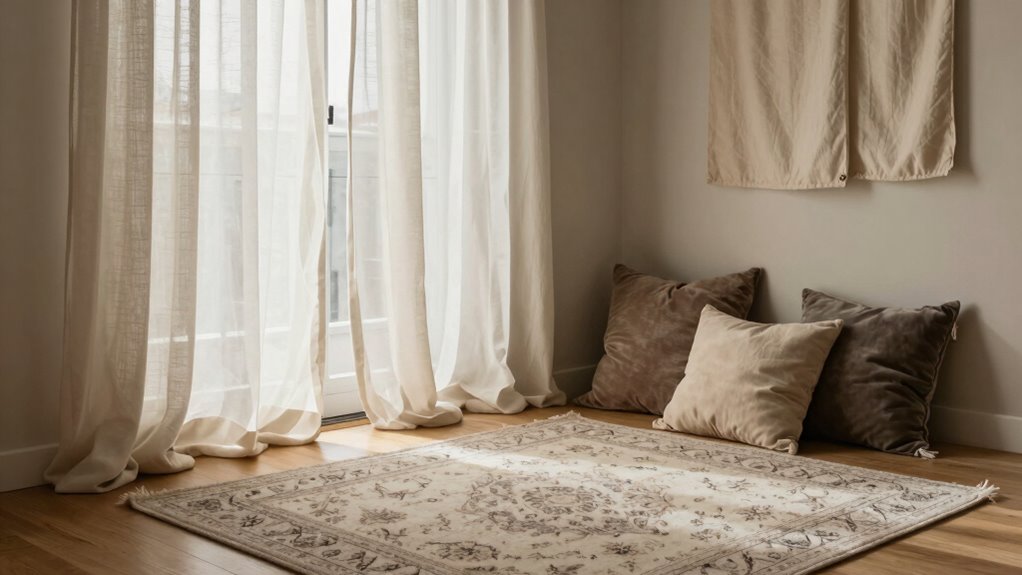
Adding soft furnishings like rugs and curtains can substantially reduce noise levels in a noisy apartment. Thick rugs absorb footstep sounds, while heavy curtains block outside noise. Incorporate textured wall art or plush seat cushions to add softness and visual warmth, further dampening sound reflections. These elements create a cozy atmosphere and help you feel more secluded from noisy neighbors or street sounds. Embracing acoustic treatment through decorative elements can also enhance the aesthetic appeal while improving acoustics. Choosing the right sound-absorbing materials can make a significant difference in creating a peaceful environment. Additionally, selecting proper placement for these furnishings maximizes their noise-reducing effectiveness. Understanding room acoustics can guide you in arranging these items for optimal sound dampening.
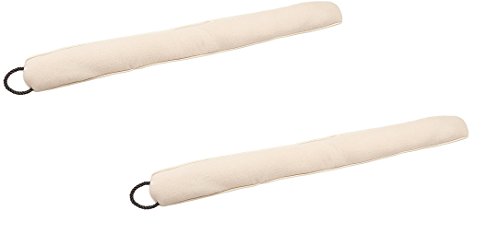
Frost King DS2 Door or Window Draft Stop Cloth Seal, 3-Feet, Beige (3 FEET PACK OF 2)
3-foot long draft stop cloth seal that fits most doors, Includes a woven satin handle
As an affiliate, we earn on qualifying purchases.
As an affiliate, we earn on qualifying purchases.
Use Easy, Non-Renovation Soundproofing Solutions
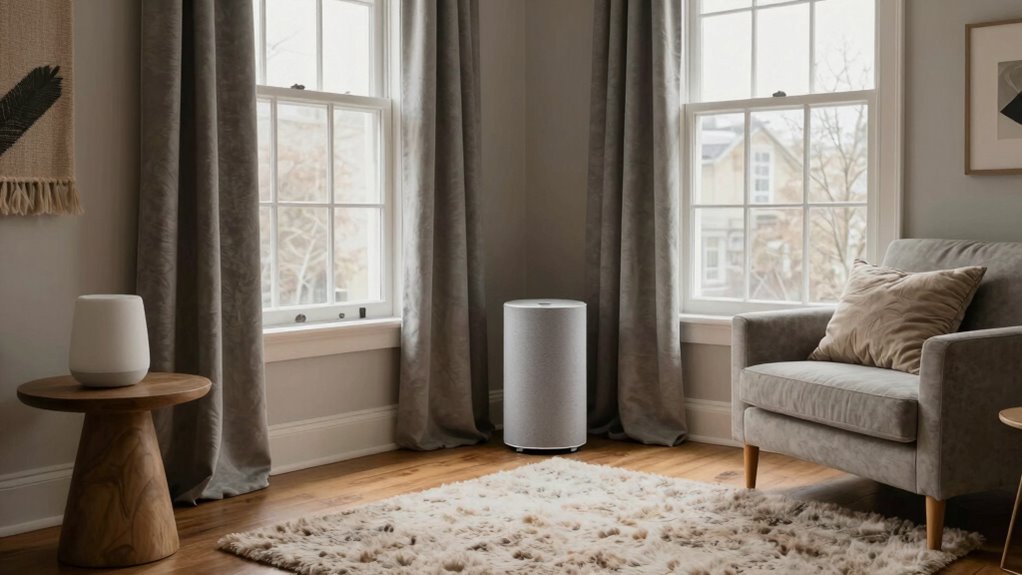
If you want to quickly improve your apartment’s soundproofing without major renovations, there are simple solutions you can try. Adding floor insulation, like rugs or foam underlays, can dampen noise traveling through the floor. These materials absorb sound and reduce vibrations, making your space feel quieter. Also, check your door seals—installing or upgrading these can block sound leaks around doors. Proper door seals prevent noise from entering or escaping, without the need for structural changes. Utilizing soundproofing techniques can further enhance your efforts by targeting specific noise issues. For example, incorporating insulation in walls can be an effective way to increase overall soundproofing. Additionally, paying attention to floor scrubber techniques, such as pre-soaking pads and applying appropriate pressure, can help maintain a quiet environment by reducing the noise generated during cleaning. These solutions are affordable, easy to implement, and effective for minimizing noise transfer. By focusing on floor insulation and sealing gaps around doors, you can notably enhance your apartment’s soundproofing and create a calmer, quieter environment.
Apply Noise-Masking Techniques to Create Calm
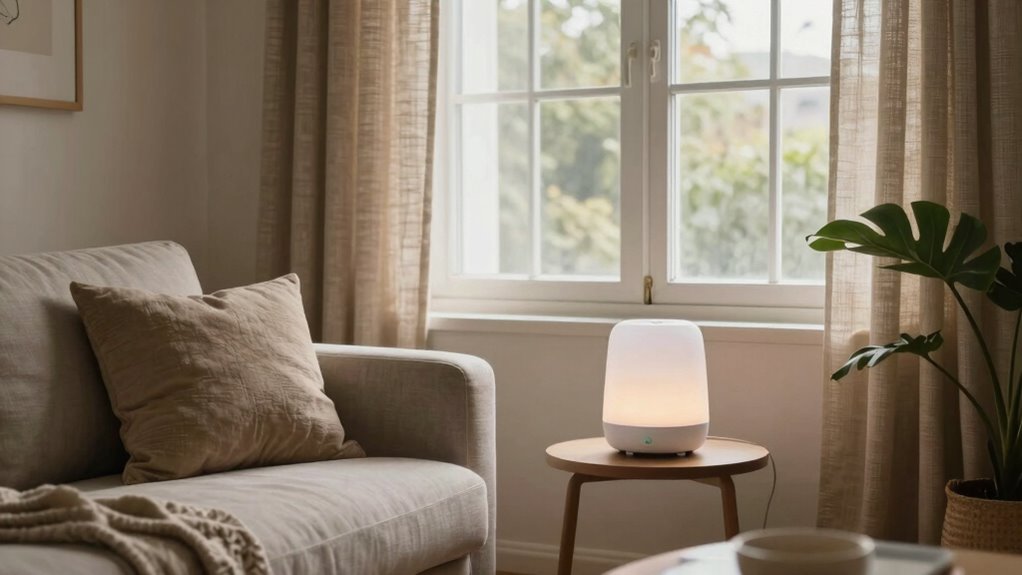
Using sound-absorbing decor like rugs and curtains can considerably reduce background noise. Strategic sound masking, such as white noise machines or gentle fans, helps create a calm environment. Combining these techniques makes your apartment feel quieter and more peaceful.
Sound Absorbing Decor
To create a calmer atmosphere in your apartment, incorporating sound-absorbing decor is essential. These elements help reduce echo and dampen external noise, making your space feel quieter and more peaceful. Acoustic panels are effective; place them on walls where sound reflection occurs most. Soundproof curtains also work well—hang them over windows and doorways to block out noise.
| Decor Item | Benefit |
|---|---|
| Acoustic panels | Absorb sound, reduce echo |
| Soundproof curtains | Block external noise, add privacy |
Strategic Sound Masking
While sound-absorbing decor reduces echo and blocks outside noise, adding strategic sound masking techniques can further enhance your apartment’s tranquility. Using devices that emit white noise or gentle ambient sounds, you create a consistent auditory environment that masks disruptive noises. White noise, like a soft fan or dedicated sound machine, helps drown out street sounds or loud neighbors, making your space feel calmer. Ambient sounds, such as nature recordings or gentle rain, can also promote relaxation and reduce perceived noise levels. Position these sound sources thoughtfully—near windows or shared walls—to maximize their effectiveness. Incorporating sound masking isn’t about eliminating all noise but creating a subtle, soothing background that fosters a sense of quiet and calm throughout your apartment.
Optimize Window Treatments to Reduce Outside Noise
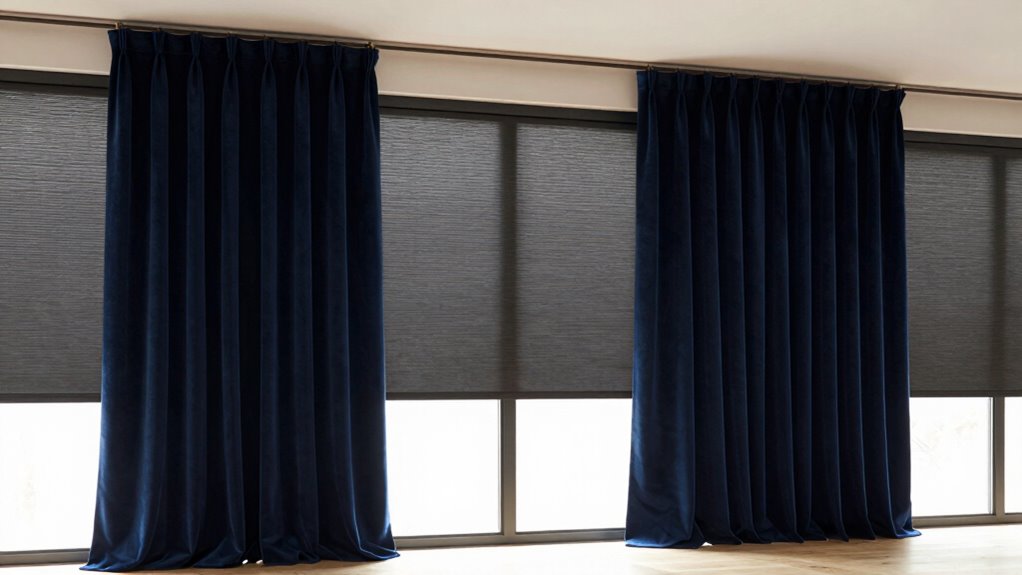
Window treatments play an essential role in blocking out outside noise and creating a quieter apartment. To maximize their effectiveness, focus on choosing the right window coverings. Heavy, layered curtains made from dense fabrics like velvet or suede can absorb sound and reduce noise transmission. When installing curtains, opt for a proper curtain installation that ensures they hang close to the wall and cover the entire window frame. Consider adding a soundproof curtain liner for extra noise reduction. If you have multiple windows, use a combination of blinds and curtains to create a layered barrier against outside sounds. Properly optimized window treatments can considerably diminish street noise, sirens, or neighbor sounds, making your space more peaceful without any renovations.
Establish Quiet Routines for a Peaceful Home
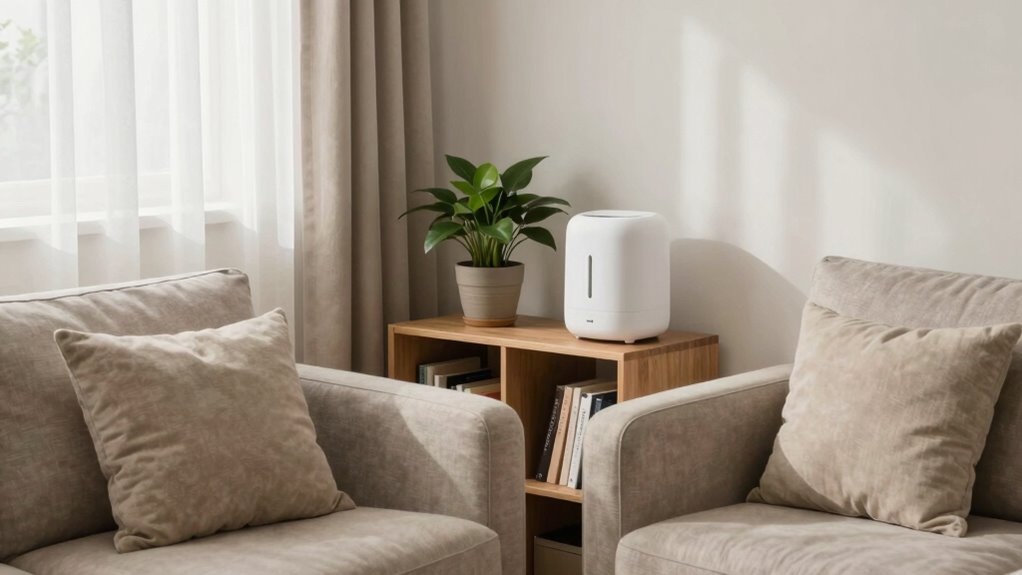
Creating a peaceful home starts with establishing quiet routines that promote calm and reduce noise disruptions. Set specific times for activities that generate noise, like cleaning or phone calls, so others aren’t caught off guard. Use noise-canceling headphones during busy periods or when focusing, and turn on white noise machines to mask household sounds. Consistent routines help train everyone in the home to respect quiet times, reducing unexpected noise. To illustrate, consider this table:
| Quiet Routine | Effective Method |
|---|---|
| Morning Meditation | Use white noise machines for calm |
| Focused Work Sessions | Wear noise-canceling headphones |
| Rest Periods | Maintain consistent quiet hours |
| Evening Wind-Down | Limit loud activities |
| Sleep Time | Use white noise for better sleep |
These routines foster tranquility without renovation.
Frequently Asked Questions
How Can I Reduce Noise From Neighbors Upstairs or Below?
To reduce noise from neighbors upstairs or below, you can place door mats at entry points and use area rugs on your floors. These items absorb sound and lessen impact noise. Also, consider adding cushions or padding under furniture to further dampen sound. Keep windows closed or use heavy curtains, and position furniture strategically to block noise paths. These simple steps can make your apartment noticeably quieter.
What Are the Best Materials for Soundproofing on a Budget?
Did you know that DIY solutions can cut noise levels by up to 50%? For budget-friendly soundproofing, consider using dense materials like mass-loaded vinyl or thick blankets. Decorative panels made from foam or cork also work well to absorb sound. Attach these to walls or ceilings to create a barrier. These simple, inexpensive options help make your apartment quieter without the need for costly renovations.
Can Electronic Devices Help Block Out Household Noises Effectively?
Electronic devices can help block out household noises effectively by providing white noise or sound masking. When you turn on a white noise machine or a sound masking device, it creates a consistent background sound that masks distracting noises. This makes your environment feel quieter and more peaceful. You’ll find that these devices are simple, affordable solutions that improve your comfort without any renovations or major changes.
How Do I Handle Noise Issues With Noisy Building Infrastructure?
You can handle noise from building infrastructure by sealing your windows tightly and adding window insulation to block sounds effectively. Don’t worry if it sounds complicated; these simple steps drastically reduce noise transfer. Additionally, check your building’s insulation, and if it’s lacking, consider temporary solutions like thick curtains or draft stoppers. These measures keep external noise out and create a quieter, more peaceful living environment without any renovations.
Are There Specific Plants That Help Absorb Sound in Apartments?
You can use indoor plants like snake plants, pothos, or peace lilies, as they help with sound absorption in apartments. These plants not only improve air quality but also reduce noise levels by dampening sound waves. Place them near noisy areas, windows, or walls to maximize their soundproofing benefits. Regularly caring for these indoor plants creates a calmer, quieter environment, making your apartment feel more peaceful without any renovations.
Conclusion
Think of your apartment as a delicate boat sailing through a noisy sea. By sealing leaks, arranging furniture, and adding soft touches, you create a cozy cabin amidst the storm. Noise-masking techniques and thoughtful window treatments become your guiding stars, steering you toward tranquility. With quiet routines, you anchor yourself in peace. Though the world roars outside, your space remains a serene vessel—calm, steady, and beautifully untouched by the chaos around you.