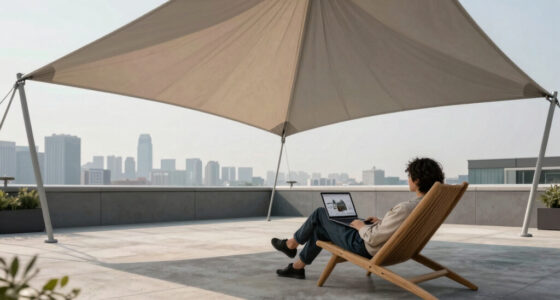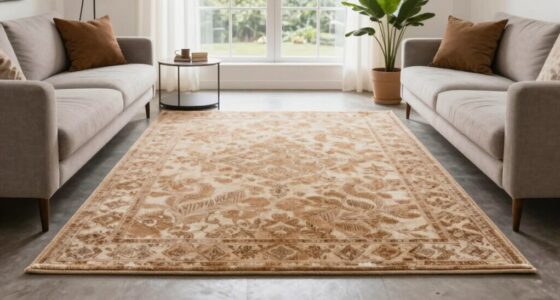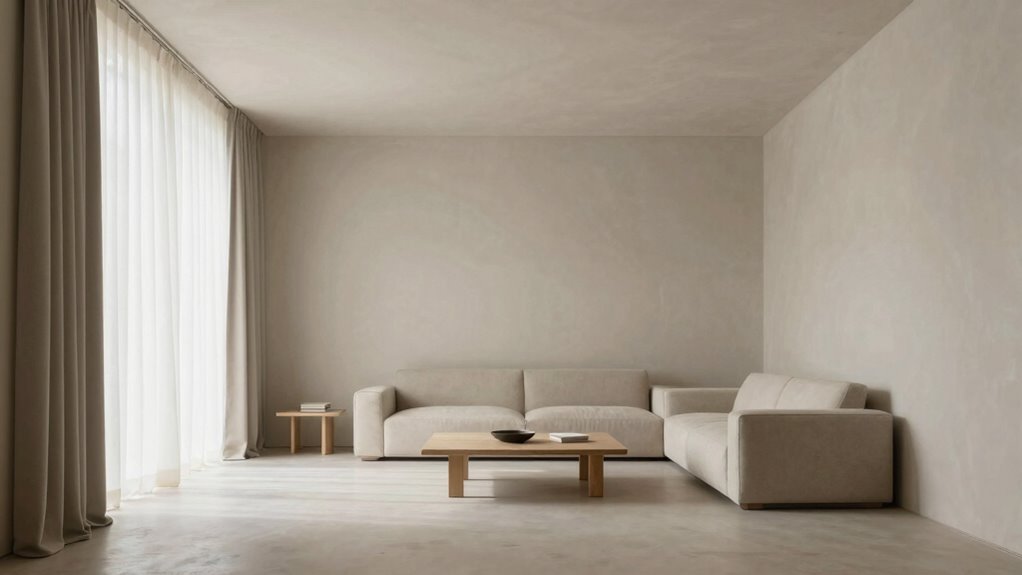

The “sightline” trick helps you create calm spaces by guiding your eyes smoothly through the environment, reducing visual clutter and minimizing distractions. Designers use soft, neutral tones, natural or warm lighting, and strategic furniture placement to keep views open and unobstructed. Framing key areas and controlling visual pathways promote a sense of harmony and relaxation. Keep exploring to discover simple tips that can transform any space into a serene sanctuary.

Get the latest gadgets delivered free — and shop member deals
- Fast, free delivery on millions of items
- Access to Prime Big Deal Days deals on October 6–7
- Prime Video, Amazon Music and more included
Key Takeaways
- Designers use framing and strategic furniture placement to create unobstructed, harmonious sightlines that promote visual calm.
- Soft, neutral color schemes and layered lighting minimize visual noise, enhancing a tranquil environment.
- Architectural elements like archways and partial walls guide focus and create visual pauses without cluttering space.
- Natural light and glare reduction techniques highlight key areas and soften shadows for a soothing atmosphere.
- Organizing space and reducing clutter ensure clear sightlines, preventing distraction and fostering serenity.
As an affiliate, we earn on qualifying purchases.
What Is the Sightline Trick: and Why Does It Make Spaces Feel Calm?
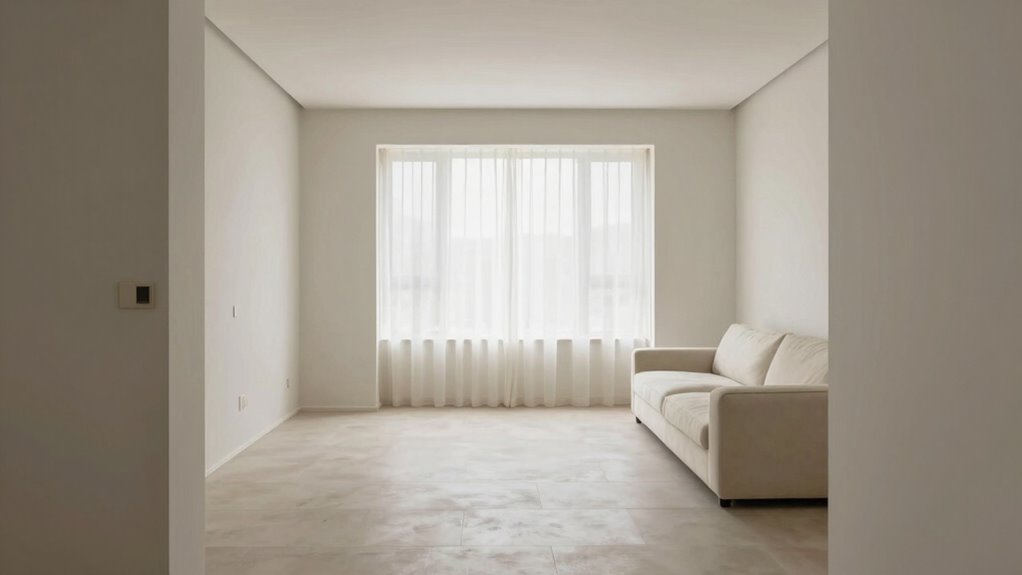
The sightline trick is a simple design strategy that enhances a space’s sense of calm by carefully managing what you see and how your eyes move through the area. It leverages color psychology to create soothing atmospheres, using soft, neutral tones that reduce visual noise and foster relaxation. Lighting effects also play a crucial role; natural light or warm, indirect lighting minimizes harsh shadows and glare, encouraging a peaceful vibe. By controlling sightlines, you prevent visual clutter and guide your eyes smoothly across the space, promoting tranquility. This approach helps you feel more centered and at ease in your environment. Additionally, understanding how visual flow influences mood can help optimize space design for relaxation. Incorporating landscaping elements that blend seamlessly with indoor spaces can further enhance the calming effect. Recognizing the importance of spatial harmony allows designers to create environments that naturally foster comfort and serenity. When carefully managed, visual pathways can significantly impact overall ambiance. Ultimately, the sightline trick simplifies visual flow, making spaces feel more harmonious and calming.
layered ambient lighting for living room
As an affiliate, we earn on qualifying purchases.
As an affiliate, we earn on qualifying purchases.
How Sightline Planning Guides the Eye and Creates Flow
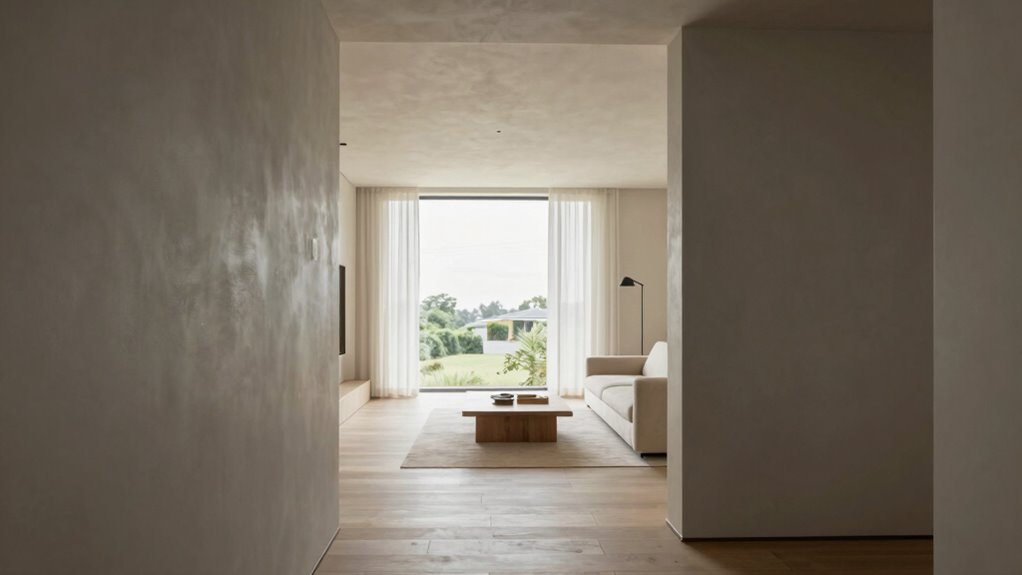
When you plan sightlines thoughtfully, you direct the eye naturally through a space, creating a seamless visual flow that feels effortless and calming. Good sightline planning considers how color psychology influences mood, guiding attention toward soothing hues that promote relaxation. Incorporating natural lighting enhances this effect, highlighting key areas and softening harsh shadows, which helps the eye move smoothly from one point to another. By aligning furniture, artwork, and architectural features along these sightlines, you establish a rhythm that guides the viewer effortlessly through the room. This intentional flow reduces visual clutter and creates a sense of harmony, making the space feel more open and tranquil. Proper sightline planning is essential for crafting environments that feel both balanced and inviting. Creating visual harmony is a key principle that echoes the importance of thoughtful design in establishing calm and order. Additionally, understanding how visual flow impacts emotional response can help designers tailor spaces that promote comfort and well-being. Recognizing the role of curiosity in exploring and understanding spatial arrangements can further enhance the viewer’s experience, fostering a deeper connection with the environment. Moreover, space perception plays a crucial role in how viewers interpret and emotionally respond to a room, emphasizing the importance of strategic sightline placement.
architectural archway room divider
As an affiliate, we earn on qualifying purchases.
As an affiliate, we earn on qualifying purchases.
How to Use Sightlines to Frame Views and Reduce Visual Clutter
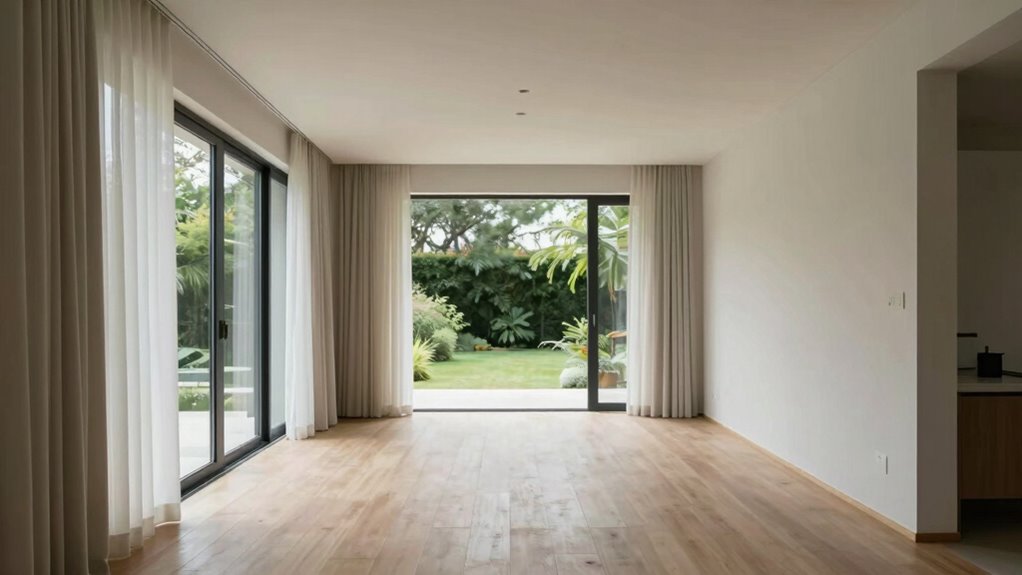
By carefully shaping sightlines, you can frame stunning views and minimize visual clutter, making your space feel more organized and inviting. Use natural light to highlight key areas and create a sense of openness, guiding the eye toward focal points. Incorporate color psychology by choosing calming hues that enhance the view and reduce visual noise. Keep sightlines clear of unnecessary objects or furniture, allowing your eyes to relax and focus on the intended scene. Use architectural elements like archways or partial walls to frame views intentionally, directing attention and creating visual pauses. Properly designed sightlines reduce distractions, making spaces feel calmer and more cohesive. Additionally, understanding how visual perception influences our environment can help you design spaces that promote tranquility and focus. With thoughtful planning, your environment becomes a sanctuary that invites tranquility and visual clarity.
As an affiliate, we earn on qualifying purchases.
The Role of Furniture and Architecture in Shaping Sightlines
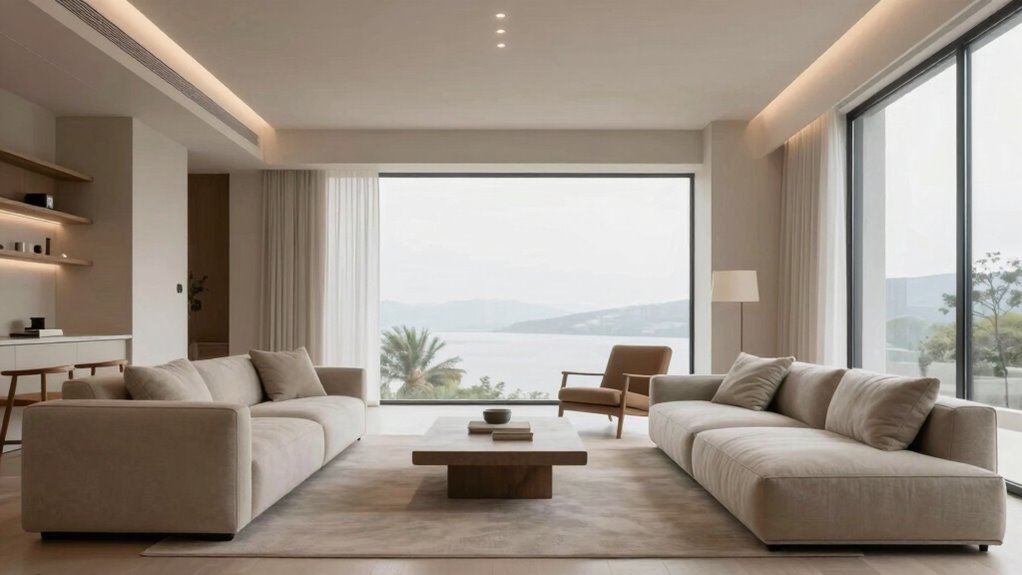
Your furniture choices and architectural layout can greatly influence how your space feels. Open floor plans create unobstructed sightlines, making areas seem larger and more inviting. Strategic furniture placement helps frame views and minimizes visual clutter, enhancing a calming environment. Incorporating natural light through thoughtfully designed windows and skylights further enhances the sense of openness and tranquility. Additionally, utilizing visual pathways guides the eyes naturally through the space, reinforcing a sense of order and calm. Paying attention to spatial balance can also prevent overcrowding and maintain a peaceful atmosphere. Recognizing the significance of positive thoughts and intentions can also amplify the calming effects of your design choices. Moreover, implementing indoor air quality measures such as proper ventilation and humidity control can support overall comfort and well-being, contributing to a more serene living environment.
Open Floor Plans
Open floor plans create unobstructed sightlines that foster a sense of spaciousness and connection within a space. To enhance calmness, consider how color psychology influences mood and how lighting design highlights key areas. Light, neutral hues promote serenity, while layered lighting reduces harsh shadows. Strategic furniture choices prevent clutter, maintaining clear sightlines. The table below illustrates how different elements shape these views:
| Element | Effect |
|---|---|
| Soft, neutral colors | Create a calm, cohesive environment |
| Layered lighting | Enhances depth and reduces visual noise |
| Minimal furniture | Keeps sightlines open and uncluttered |
| Architectural features | Define zones without blocking views |
Implementing visual continuity through consistent materials and design details further ensures the space feels harmonious and tranquil. Additionally, incorporating natural elements such as plants can soften the environment and promote a sense of well-being. Understanding spatial perception can help designers optimize sightlines for a more peaceful atmosphere. Creating a cohesive design flow helps maintain open sightlines and a peaceful atmosphere throughout the space. Emphasizing AI-driven design tools can also assist in accurately planning sightlines and spatial harmony.
Strategic Furniture Placement
Strategic furniture placement plays an essential role in maintaining clear sightlines and fostering a sense of calm within a space. By arranging furniture thoughtfully, you create visual flow and reduce clutter, making rooms feel more open. Consider color psychology when choosing pieces—soothing hues like blues and greens promote relaxation. Lighting design also enhances sightlines; soft, layered lighting minimizes harsh shadows and highlights focal points. To optimize your space, keep these tips in mind:
- Position larger furniture away from entry points to avoid obstructing views.
- Use low-profile or streamlined pieces to maintain open sightlines.
- Incorporate calming colors that enhance tranquility.
- Layer lighting to soften spaces and eliminate visual clutter.
- Be mindful of furniture placement to ensure unobstructed views and a tranquil atmosphere.
Incorporating natural elements and understanding visual flow can further enhance the calming effect of your space. Additionally, understanding how architectural features influence sightlines can help you design more harmonious environments. Paying attention to design principles can significantly improve the overall serenity of your interiors.
Together, these strategies help craft a space that feels calm and inviting.
Real-World Examples of Sightline Tricks for a Calm, Inviting Space
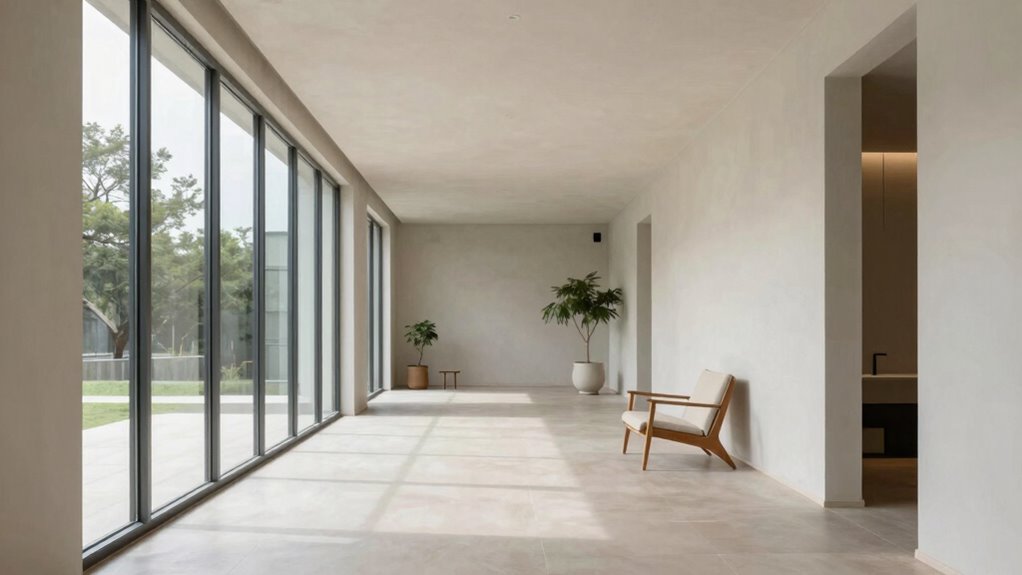
You’ll notice that clear sightlines make a space feel more open and inviting. When visual flow is maintained, it promotes tranquility and reduces stress. By applying these tricks, you can create environments that naturally foster comfort and calm. Additionally, maintaining organized and clutter-free areas enhances the effectiveness of sightline strategies, further contributing to a serene atmosphere visual flow. Ensuring proper cabling organization minimizes visual clutter, helping to sustain the sense of calm and openness in a space. Properly managing visual clutter also supports a peaceful environment by preventing distractions and overwhelming views.
Clear Sightlines Create Calm
Clear sightlines are a powerful tool for creating calm and inviting spaces because they reduce visual clutter and prevent feelings of confinement. When you maintain open views, the space feels more spacious and less overwhelming. Consider these real-world examples:
- Use neutral colors rooted in color psychology to promote relaxation and reduce stress.
- Incorporate acoustic design to minimize noise distractions, enhancing overall tranquility.
- Keep furniture low-profile and strategically placed to avoid obstructing sightlines.
- Opt for transparent or unobtrusive partitions that allow visual flow without sacrificing privacy.
Open Spaces Promote Tranquility
Open spaces naturally foster a sense of tranquility by allowing your eyes to move freely across a room without interruption. When you create open areas, natural light floods the space, reducing shadows and brightening the environment, which enhances your sense of calm. These open layouts also improve acoustic comfort by minimizing clutter and barriers that can cause echoes or noise buildup. With fewer obstructions, sound travels more softly, making conversations more intimate and the environment more peaceful. By maintaining open sightlines, you avoid visual chaos and create a serene atmosphere that feels inviting and restful. Whether in a living room or office, open spaces help you breathe easier, relax more fully, and enjoy a space that feels balanced and calming.
Visual Flow Enhances Comfort
Creating a sense of visual flow in a space guides the eye smoothly from one area to another, making the environment feel cohesive and calming. When designing for comfort, consider how color psychology influences mood—soothing hues like blues and greens promote relaxation. Use sightlines that lead naturally across the room, avoiding visual clutter that disrupts flow. Acoustic considerations also play a role; gentle background sounds or soft materials help maintain a peaceful atmosphere. Here are four ways to enhance visual flow:
- Use consistent color schemes to unify spaces.
- Arrange furniture to create clear sightlines.
- Incorporate low-profile decor to prevent visual interruption.
- Employ natural light to guide the eye effortlessly.
Common Mistakes to Avoid When Using Sightlines to Create Calm
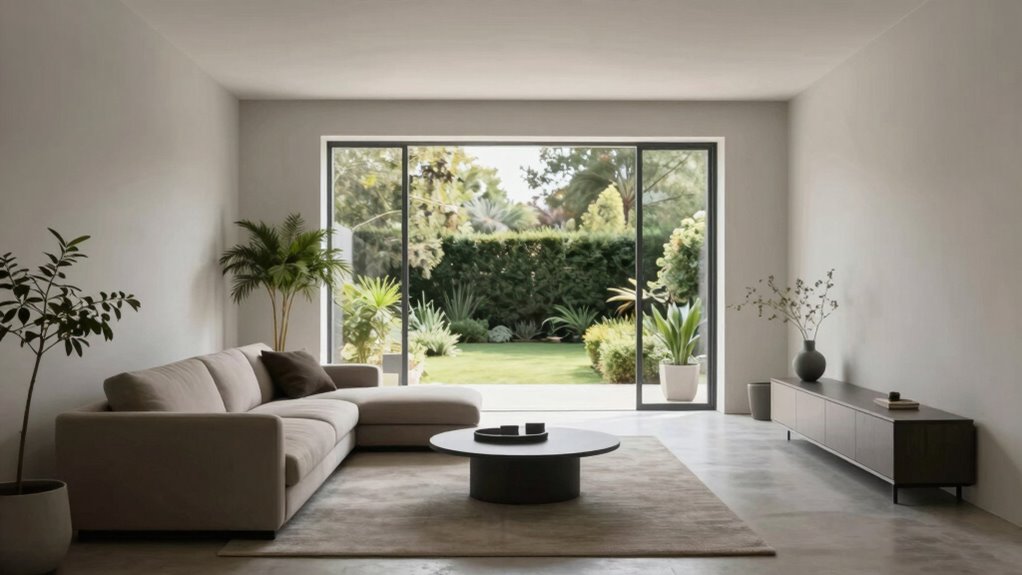
While sightlines can be powerful tools for fostering calm in a space, it’s easy to make mistakes that undermine their effectiveness. One common error is neglecting lighting considerations; poor lighting can create harsh contrasts or shadows that disrupt the visual flow. Guarantee natural light is maximized and supplemented with soft, diffuse artificial lighting. Additionally, overlooking color coordination can lead to chaos rather than calm. Clashing or overly vibrant hues in sightlines distract the eye and increase tension. Stick to a harmonious color palette that promotes serenity and consistency throughout the space. Avoid cluttered views or obstructed sightlines, which can create visual noise. By paying attention to lighting considerations and maintaining cohesive color coordination, you can create clear, calming sightlines that truly enhance relaxation.
Easy Tips to Apply Sightline Techniques and Instantly Make Your Space More Relaxing
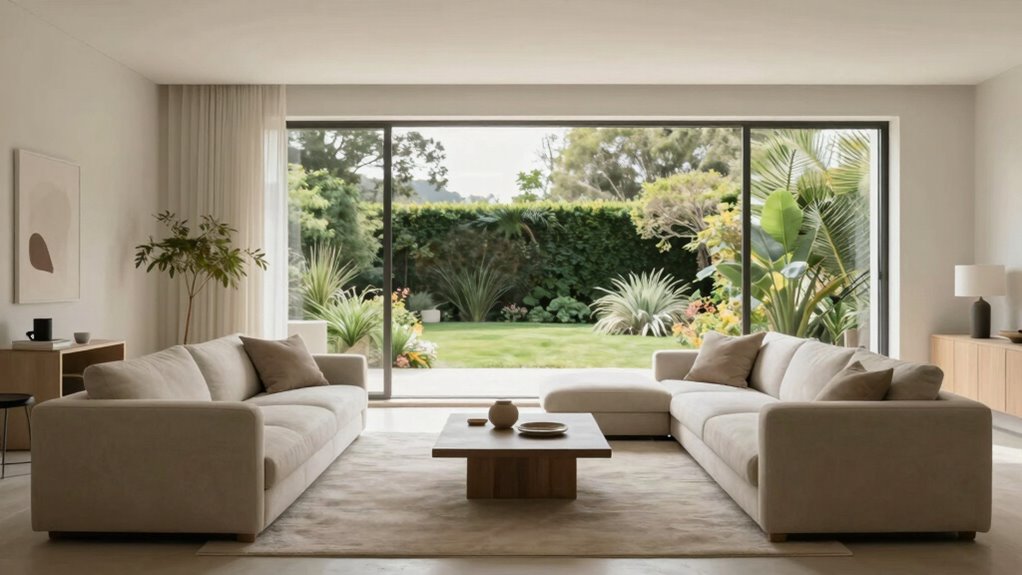
To instantly make your space more relaxing using sightline techniques, start by simplifying what you see. Clear clutter and maintain clean lines to promote a calm atmosphere. Focus on creating a smooth lighting ambiance with soft, warm lighting that reduces harsh shadows and glare. Use color coordination to unify your space; choose harmonious hues that flow naturally and don’t overwhelm the eye.
Here are four easy tips:
- Keep sightlines open by removing obstacles and unnecessary furniture.
- Incorporate layered lighting—ambient, task, and accent lights—for a soothing ambiance.
- Use a cohesive color palette to avoid visual chaos.
- Highlight focal points with gentle lighting to draw the eye calmly across the space.
These steps help your sightlines promote serenity and relaxation instantly.
Frequently Asked Questions
Can Sightline Tricks Be Used Effectively in Small or Crowded Rooms?
Yes, sightline tricks work well in small or crowded rooms. You can improve space perception by strategic furniture placement, directing the eye to open areas. Use visual barriers like screens or plants to block clutter and create a sense of order. These tricks help make a cramped space feel more spacious and calm, making it more comfortable without overwhelming the room.
How Do Sightlines Influence Natural Light Distribution in a Space?
A picture is worth a thousand words, and sightlines play a key role in natural illumination and spatial perception. By keeping sightlines clear, you allow light to flow unobstructed, brightening the space and creating a sense of openness. Strategic placement of furniture and openings guides the eye and light, making the room feel larger and more inviting. Proper sightline management transforms how you experience both light and space, enhancing comfort and harmony.
Are There Specific Colors That Enhance the Calming Effect of Sightlines?
You’ll find that soft, muted colors like pale blues, gentle greens, and warm neutrals enhance the calming effect of sightlines. Using principles of color psychology, these hues promote relaxation and tranquility. When you choose colors that create color harmony, your space feels balanced and soothing. Focus on cohesive palettes to reinforce a peaceful atmosphere, making it easier for your eye to rest and your mind to relax as you move through the space.
How Can Sightline Principles Be Adapted for Outdoor or Mixed-Use Spaces?
To adapt sightline principles for outdoor or mixed-use spaces, focus on landscape integration by maintaining clear, unobstructed outdoor sightlines that blend with natural elements. Use strategic planting, low fencing, or pathways to guide views without blocking them, creating a seamless flow between built and natural environments. Keep outdoor sightlines open and inviting, encouraging relaxation and connection with nature, which enhances the calming effect and makes the space feel more expansive.
What Are the Best Tools or Software for Planning Sightlines During Design?
You should explore visualization software like SketchUp or Lumion, which allow you to create detailed 3D models and easily assess sightlines. Floor plan tools such as AutoCAD or Revit help you map out precise layouts, ensuring unobstructed views and balanced spaces. These tools streamline planning, letting you visualize sightlines early in your design process, so you can effectively craft calm, inviting environments that feel harmonious and well thought out.
Conclusion
By mastering sightline techniques, you can transform any space into a calm, inviting retreat. Studies show that well-planned layouts reduce stress and boost well-being — in fact, spaces with clear sightlines can improve mood by up to 25%. So, start paying attention to how your furniture and architecture guide your eye. With a few simple tweaks, you’ll create a more relaxing environment that feels both balanced and welcoming every time you step inside.
Fall Picks
fall essentials
As an affiliate, we earn on qualifying purchases.