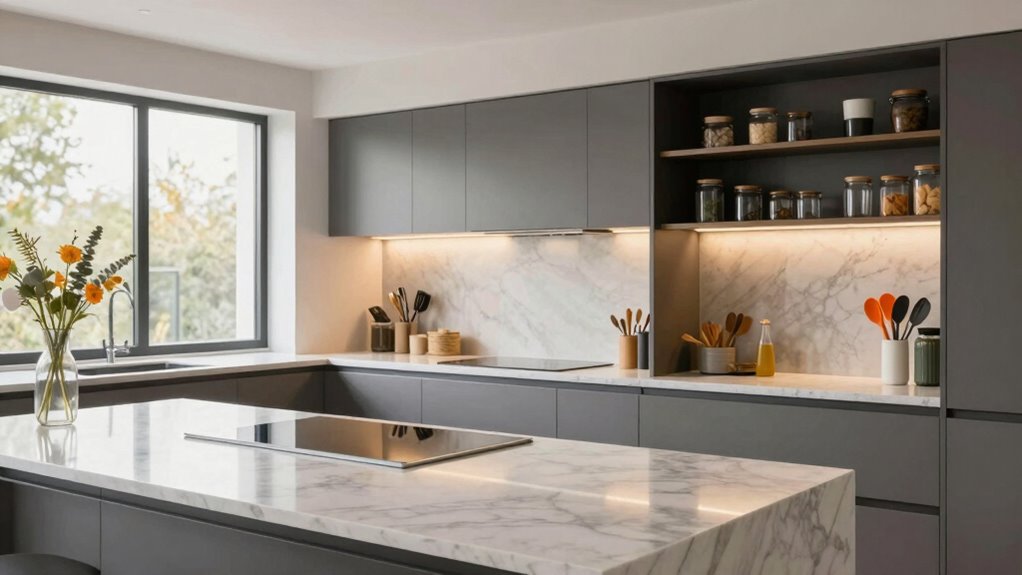
A 3-zone kitchen makes cooking effortless by dividing your space into preparation, cooking, and cleanup areas, streamlining your workflow. By placing tools, appliances, and storage strategically in each zone, you reduce unnecessary movement and clutter. This setup improves efficiency, safety, and comfort, allowing you to focus on creating meals with less stress. Keep each zone organized, and you’ll find meal prep becomes faster and more enjoyable—if you want to discover how to set it up perfectly, keep exploring.
Key Takeaways
- Divide your kitchen into dedicated prep, cooking, and cleanup zones to streamline workflow and reduce unnecessary movement.
- Position appliances and frequently used tools within each zone for quick access and efficient task completion.
- Maintain clear surfaces and organized storage to minimize clutter and facilitate smooth transitions between tasks.
- Design wide, unobstructed pathways connecting zones to improve traffic flow and prevent congestion.
- Regularly reassess and adjust zone placement to optimize ergonomics, safety, and overall cooking ease.
What Is a 3-Zone Kitchen and Why It Makes Cooking Easier
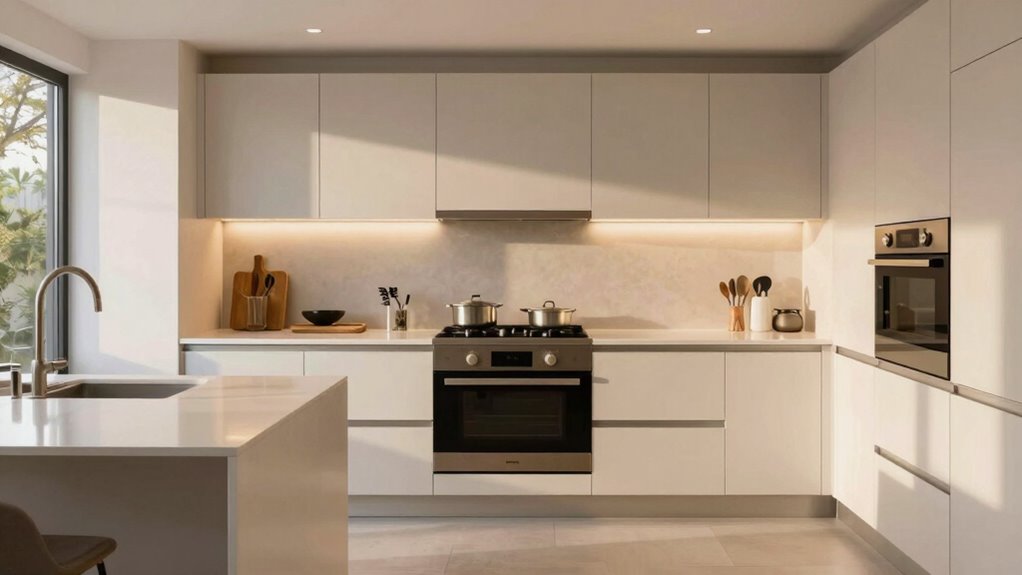
A 3-zone kitchen is designed to streamline your cooking process by dividing the space into three dedicated areas: preparation, cooking, and cleanup. This setup improves kitchen ergonomics, making each task more efficient and comfortable. Proper appliance placement is key; you want your tools and appliances within easy reach, minimizing unnecessary movement. For example, placing the dishwasher near the sink speeds up cleanup, while keeping the stove and oven close to prep areas reduces steps. This zoning reduces clutter and confusion, allowing you to focus on cooking without interruptions. By clearly defining these zones, you create a logical flow that saves time and energy. Additionally, kitchen ergonomics play a crucial role in designing an efficient layout that minimizes strain and maximizes comfort. Incorporating ergonomic principles into your layout ensures you maintain comfort during extended cooking sessions. A well-planned layout can even enhance kitchen safety by reducing hazards and improving accessibility, especially when considering preventive safety measures to avoid accidents. Paying attention to lighting and ventilation across the zones further supports a safe and comfortable cooking environment.
How to Plan Your Kitchen: Designing Clear Preparation, Cooking, and Cleaning Areas

Start by designating separate zones for preparation, cooking, and cleaning to keep your workspace organized. Make certain to optimize traffic flow so you and others can move smoothly without congestion. Keep surfaces clear to ensure safety and efficiency in each area. Incorporate inclusive design principles to accommodate diverse users to create a more accessible and welcoming kitchen environment.
Designate Distinct Zones
To guarantee your kitchen functions efficiently, you need to clearly designate distinct zones for preparation, cooking, and cleaning. Properly zoning improves workflow and enhances your kitchen decor, making it more inviting. Think about where you’ll chop vegetables, where appliances like the stove and microwave will sit, and where cleanup tools are stored. Organize each area to minimize movement, keeping essentials within reach. Use the table below to visualize zone placement:
| Zone | Key Features | Example Items |
|---|---|---|
| Preparation | Clear counters, knife storage | Cutting boards, utensils |
| Cooking | Appliance placement, stovetop accessibility | Pots, pans, oven |
| Cleaning | Sink, trash, dish storage | Dish soap, drying rack |
Additionally, incorporating ergonomic principles into your layout can further optimize your workflow, making cooking even more effortless. Thoughtful space planning ensures that your kitchen remains comfortable and efficient during busy meal prep times. Designing these zones streamlines your workflow and creates a cohesive kitchen decor.
Optimize Traffic Flow
Ensuring smooth traffic flow in your kitchen requires thoughtful planning of each zone’s placement to minimize unnecessary movement. Focus on effective traffic management by positioning the preparation, cooking, and cleaning areas in a logical sequence that aligns with your workflow. Keep pathways clear and wide enough to prevent congestion, especially during busy cooking times. Good kitchen ergonomics involve designing a layout that allows you to move seamlessly between zones without obstruction. Avoid placing frequently used appliances or tools in awkward spots that force you to backtrack or weave around obstacles. By understanding how traffic flows naturally through your kitchen, you can reduce clutter and create a more efficient space. Incorporating ergonomic principles into your layout can further improve comfort and efficiency. Consider the design similarities between different types of kitchen setups to optimize overall functionality. Being mindful of traffic patterns helps you anticipate movement and arrange your workspace accordingly. Additionally, observing workflow efficiency allows you to identify potential bottlenecks before they become problematic. Recognizing common kitchen workflow mistakes can save you time and effort in the long run. This careful planning makes cooking smoother and less stressful, saving you time and effort.
Maintain Clear Surfaces
Maintaining clear surfaces is essential for an efficient and safe kitchen. When your countertops are free of clutter, you can prepare ingredients quickly and avoid accidents. Focus on surface organization by designating specific spots for frequently used tools and ingredients, so they’re always within reach but not cluttering your workspace. Regularly clear off any unnecessary items, especially after cooking sessions, to keep your surfaces tidy. Use storage solutions like trays or baskets to contain small items and prevent counter clutter from accumulating. A clean, organized surface not only speeds up meal prep but also makes cleaning easier. Additionally, incorporating smart storage solutions can maximize space and keep your countertops clear. By keeping your preparation, cooking, and cleaning areas clear, you create a streamlined kitchen that feels effortless to use.
Essential Tools and Storage Ideas for Your Kitchen Zones
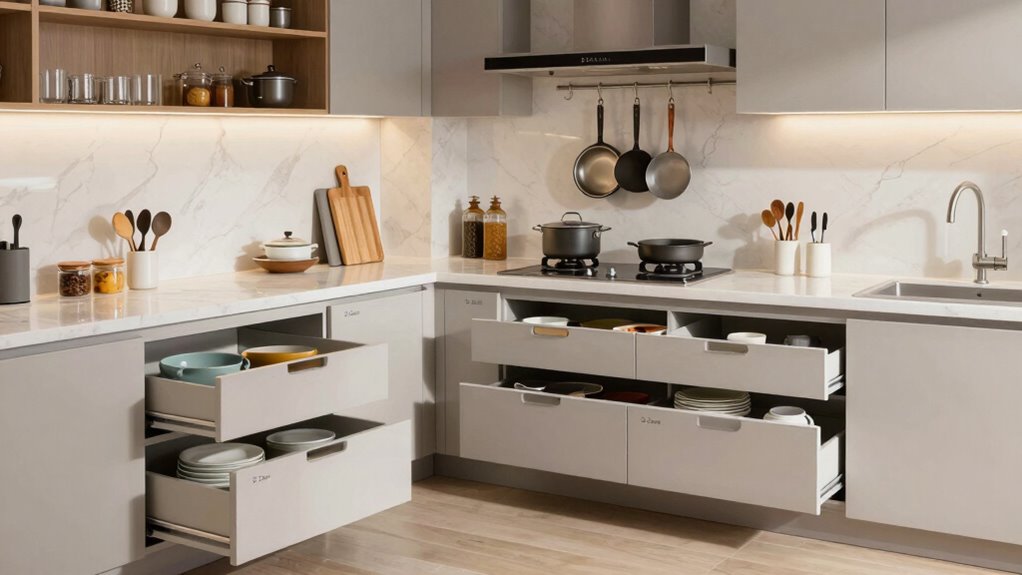
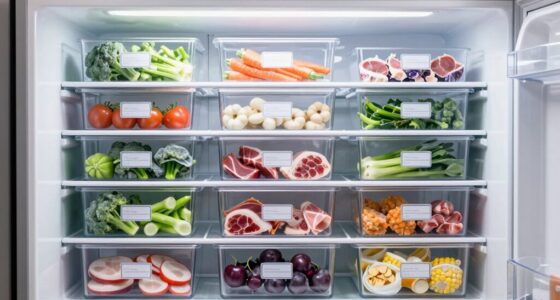
Organizing your kitchen zones starts with selecting the right tools and storage solutions that enhance efficiency. For each zone, choose essential tools that fit your cooking habits—sharp knives, spatulas, or measuring cups—keeping them within easy reach. Use dedicated storage solutions like drawer inserts, wall-mounted racks, or pull-out shelves to keep tools organized and accessible. Clear containers for pantry items help prevent clutter and make ingredients easy to find. Labeling storage areas adds an extra layer of organization, saving time when searching for supplies. Incorporating zoning principles into your kitchen layout can further optimize workflow and reduce unnecessary movement. Understanding storage optimization techniques can also help you maximize space and improve overall organization. Focusing on natural pool design and sustainable practices can also create a more eco-friendly and harmonious backyard environment. Focus on streamlining each zone by storing frequently used tools nearby and minimizing clutter. Effective kitchen organization ensures your tools are always ready, making your cooking process smoother and more enjoyable.
Common Mistakes to Avoid When Setting Up Your 3-Zone Kitchen
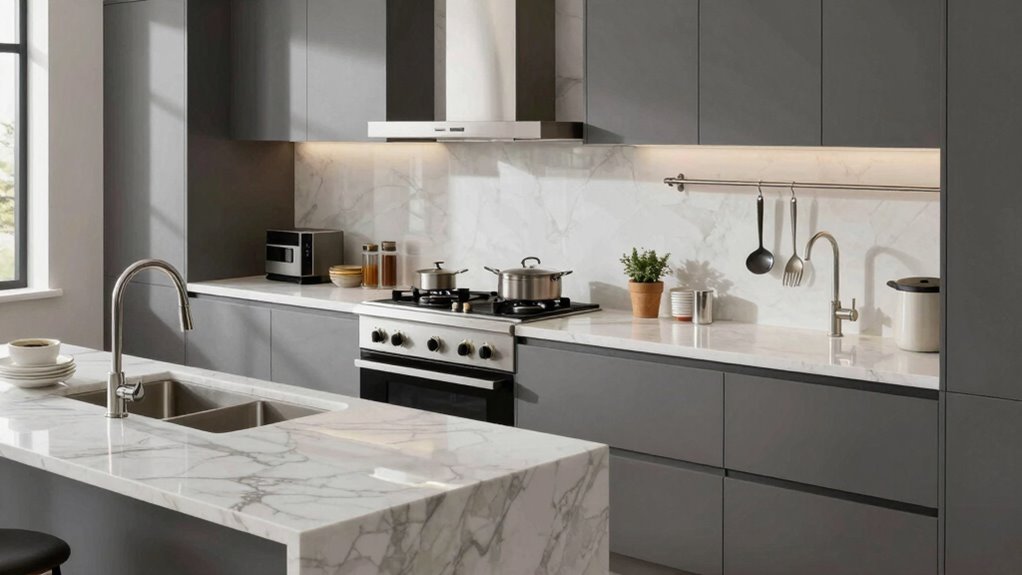
Avoid overcrowding your zones, as it can make movement awkward and cluttered. Pay attention to workflow flow so you can move smoothly between prep, cooking, and cleaning areas. Also, guarantee proper zone separation to prevent congestion and keep each area focused on its specific function. Additionally, considering household organization can help optimize space and maintain an efficient kitchen layout. Incorporating storage solutions can further support an organized and functional design. Being mindful of space utilization ensures your kitchen remains both practical and comfortable for everyday use.
Overcrowding the Zones
Overcrowding the zones is a common mistake that can quickly turn your kitchen into a chaotic workspace. When you try to fit too many appliances or tools into each zone, it becomes harder to work efficiently. Avoid relying on counterfeit appliances, which may seem like a good deal but often lack durability and proper functionality, leading to clutter and frustration. Additionally, an outdated design can cause you to underestimate space needs, causing zones to become congested. Too many items in one area hinder movement and slow down your workflow. Keep each zone focused and organized, reserving space for only essential tools and appliances. This clarity ensures your kitchen remains functional, streamlined, and stress-free during busy cooking sessions. Incorporating performance cookies into your setup process can help analyze how effectively your kitchen layout supports your cooking style.
Ignoring Workflow Flow
Have you ever noticed how a poorly planned kitchen workflow can slow down your cooking process? When you ignore the flow between zones, your movements become inefficient, and cooking feels more stressful. Properly connecting your prep, cooking, and cleanup areas keeps everything running smoothly. Don’t overlook this aspect in favor of just focusing on kitchen aesthetics or decorative accents. While visual appeal is important, a disjointed workflow hampers your efficiency and enjoyment. Make sure your zones are arranged for natural movement, with clear pathways between them. Ignoring workflow flow can lead to clutter and frustration, undoing the benefits of a well-designed 3-zone setup. Prioritize an intuitive layout that supports your natural cooking rhythm, and your kitchen will truly feel effortless.
Poor Zone Separation
One common mistake in setting up a 3-zone kitchen is failing to create clear distinctions between each area, which can cause confusion and inefficiency. Poor zone separation leads to counterproductive clutter and uneven zone distribution, making cooking less smooth. To avoid this, you should:
- Clearly define each zone’s purpose—prep, cook, and clean—to prevent overlap.
- Keep frequently used tools within easy reach in their designated zones.
- Use visual cues like color coding or different layouts to differentiate areas.
- Regularly reassess zone boundaries to ensure they remain functional and balanced.
Neglecting these steps results in a chaotic workspace, where zones blend together and clutter accumulates. Proper separation keeps your kitchen organized, streamlining your workflow and making cooking more effortless.
Tips for Optimizing Each Zone for Efficiency and Comfort
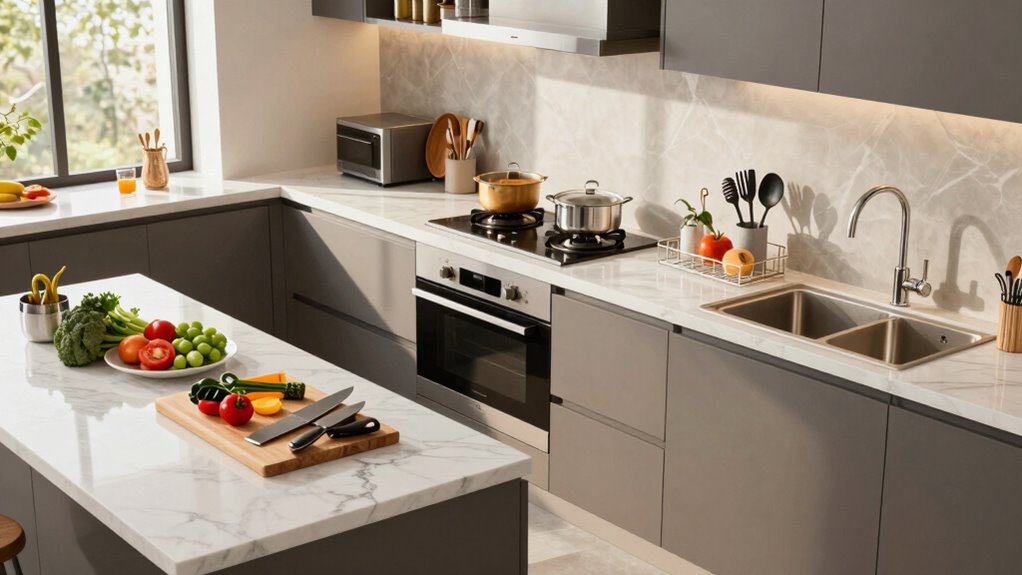
To maximize efficiency and comfort in each zone of your kitchen, start by carefully arranging tools and frequently used items within easy reach. Proper appliance placement is key—place your microwave, toaster, and coffee maker where they’re accessible but don’t clutter your workspace. Use lighting strategies like task lighting over prep areas and ambient lighting for overall illumination, ensuring each zone is well-lit without harsh glare. Keep your countertops clear of unnecessary items to streamline workflow and reduce clutter. Position knives, cutting boards, and utensils near your prep zone for quick access. Remember, a well-lit, organized space minimizes movement and frustration, making cooking feel effortless. Regularly reassess your setup to identify and adjust any bottlenecks or awkward spots for continued efficiency. Additionally, staying informed about U.S. tax law updates can help you plan your kitchen upgrades or investments more strategically, ensuring your efforts are both functional and financially sound. Being aware of regulatory changes can also help you make compliant and safe modifications to your space.
Personalizing Your Kitchen Layout to Fit Your Cooking Style
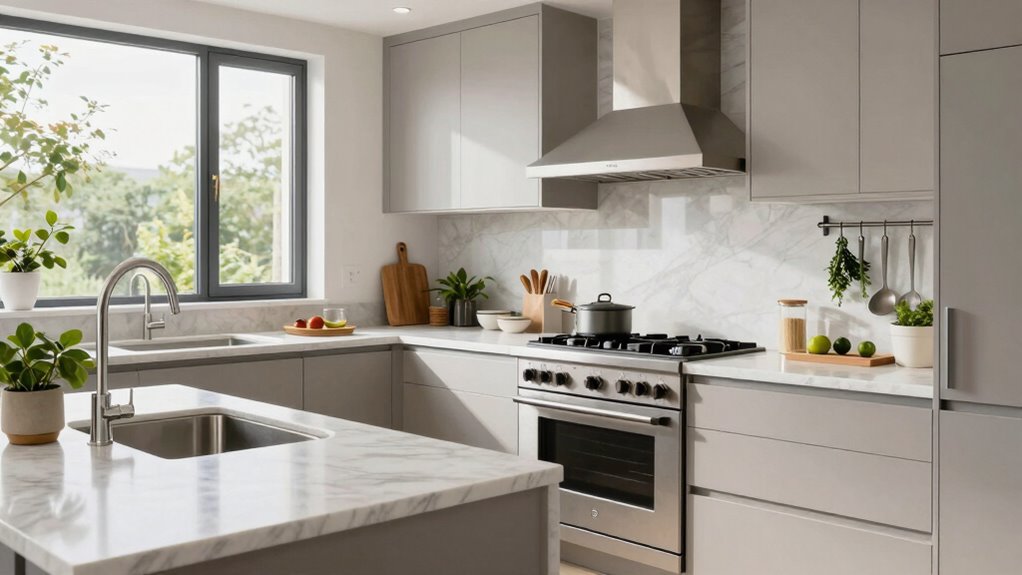
By tailoring your kitchen layout to match your unique cooking habits and preferences, you create a space that feels intuitive and welcoming. Personalization begins with selecting custom cabinetry that fits your storage needs and style. Next, choose a color scheme that energizes you or promotes calm, making the space enjoyable to spend time in. To further customize your layout:
Design your kitchen around your habits for a personalized, welcoming space.
- Incorporate specific tools and appliances you use daily.
- Design workspaces that suit your cooking techniques.
- Add personal touches like artwork or unique hardware.
- Use lighting that enhances your mood and task visibility.
These adjustments ensure your kitchen reflects your personality and workflow, making cooking more effortless and enjoyable. Personalization turns a functional space into one that truly feels like your own.
How a 3-Zone Kitchen Can Save You Time and Make Meal Prep Faster
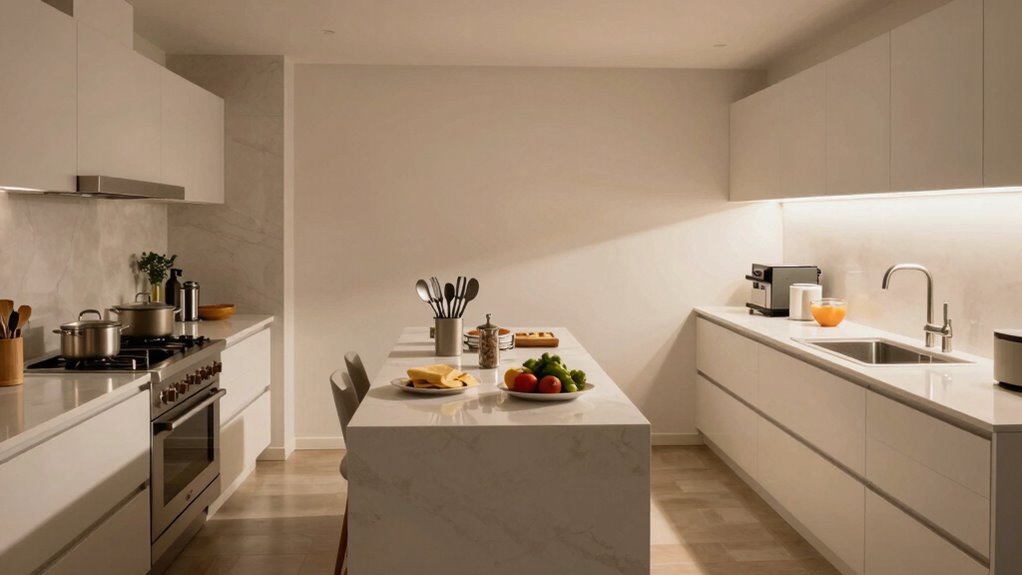
Organizing your kitchen into three dedicated zones can considerably speed up meal prep and streamline your workflow. With clear areas for prep, cooking, and cleanup, you reduce unnecessary movement and make ingredient storage more efficient. This setup helps you access tools and ingredients faster, saving valuable time during busy mornings or dinner rushes. Here’s how the zones improve efficiency:
| Zone | Focus Area |
|---|---|
| Prep | Chopping, assembling ingredients |
| Cook | Stovetop, oven, appliances |
| Clean | Washing, drying, storage of leftovers |
Frequently Asked Questions
How Do I Choose the Best Location for Each Zone?
You should position each zone based on your workflow, placing the prep area near ergonomic seating for comfort and easy access. Keep the cooking zone close to the stove and oven, and the cleanup area near the sink. Incorporate decorative accents to define each space visually, making the layout inviting. Make certain each zone is functional and flows naturally, minimizing movement and making cooking effortless.
Can I Customize a 3-Zone Kitchen for Small Spaces?
Yes, you can customize a 3-zone kitchen for small spaces by focusing on multi-functional storage and ergonomic design. Opt for compact, space-saving cabinets and shelves that maximize storage without cluttering. Arrange zones close to each other to improve flow and reduce movement. Incorporate adjustable or fold-away features to adapt to your needs. This way, you create an efficient, comfortable cooking area tailored perfectly to your small space.
What Are Cost-Effective Ways to Create Distinct Zones?
Think of your kitchen as a bustling city—each zone needs its own neighborhood. You can craft budget-friendly organization by using open shelving, rugs, or painted lines to define areas. DIY zone separation with curtains, portable islands, or repurposed furniture adds personality without breaking the bank. These simple, cost-effective tricks help you create distinct zones, making your kitchen feel organized and efficient, even in small spaces.
How Do I Maintain Cleanliness Across All Zones?
To keep your kitchen clean across all zones, establish regular cleaning schedules tailored to each area’s needs, like wiping counters daily and deep cleaning weekly. Use effective storage solutions to keep clutter at bay and prevent messes from spreading. Consistently tidying as you go and designating specific spots for utensils and ingredients help maintain cleanliness effortlessly, making your cooking zone more enjoyable and efficient.
Are There Specific Lighting Tips for Each Kitchen Zone?
Brighten your zones with brilliant lighting! For task lighting, focus on focused fixtures like under-cabinet lights in prep zones to illuminate workspaces clearly. Use ambient lighting to create a cozy, consistent glow in dining and lounging areas, preventing shadows and enhancing ambiance. Combine warm and cool tones thoughtfully, ensuring each zone gets the right type of light, making your kitchen both functional and inviting for every activity.
Conclusion
Imagine your 3-zone kitchen transforming your cooking chaos into a smooth, lightning-fast symphony. With every tool at your fingertips, prep, cook, and clean become effortless dances rather than dreaded chores. Say goodbye to endless searching and wasted minutes—your kitchen becomes a well-oiled machine that makes meal prep feel like a breeze, freeing up your time for what truly matters. Get ready to conquer your culinary adventures with ease and confidence!