
Creating a shade map helps you track how sunlight moves across your yard throughout the year. By observing shadows at different times and marking shaded areas, you identify spots best suited for various plants. Regular updates guarantee accuracy as seasons change. This simple trick makes matching plants to the right light conditions easier, reducing guesswork and boosting success. Keep exploring how this approach can transform your gardening experience.
Key Takeaways
- Create a shade map by observing sunlight movement throughout the day to identify shaded and sunny zones accurately.
- Use stakes and strings to physically outline shaded areas, making it easier to visualize ideal planting spots.
- Regularly update the shade map seasonally to reflect changing sun angles and shadow patterns for optimal plant placement.
- Match plants to their preferred light conditions by referencing the shade map, reducing guesswork and improving growth.
- Incorporate nearby structures and trees into your map to predict future shade patterns and plan for year-round gardening success.

TREEVEX 55% Shade Cloth for Garden, Sunblock Mesh UV Resistant Net for Vegetables Flowers Greenhouse Raised Bed, Plant Shade Cover from Sun, Black (6.5X10 FT)
SIZE: Measures 6.5 feet in width and 10 feet in length (2 meters x 3 meters). you can…
As an affiliate, we earn on qualifying purchases.
As an affiliate, we earn on qualifying purchases.
Why Is Finding the Right Garden Spot So Hard?
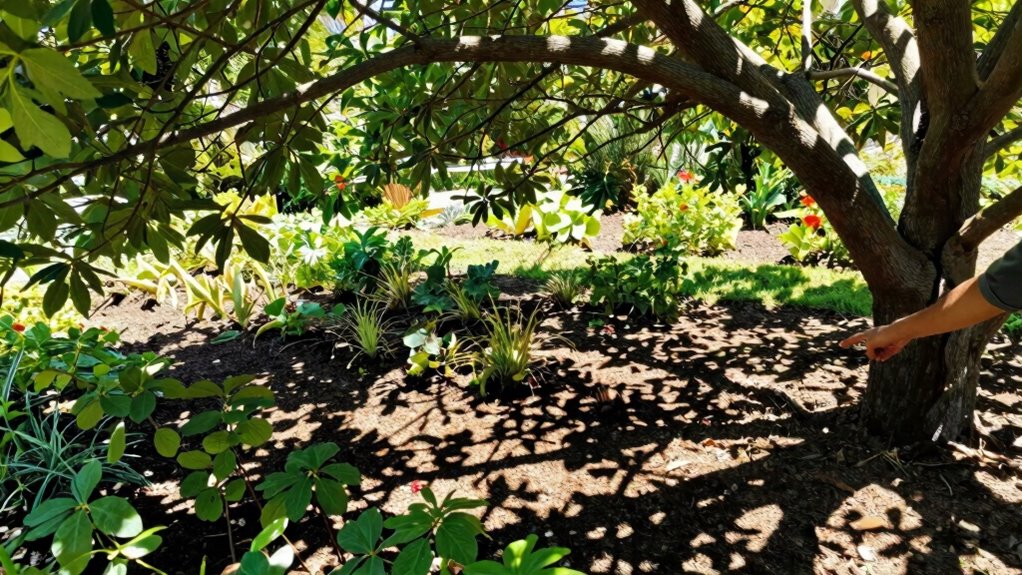
Finding the perfect spot for your garden can be more challenging than it seems because many factors influence plant growth. Soil fertility varies across your yard, affecting how well plants thrive without extra amendments. Poor soil can hinder root development and reduce yields. Additionally, pest management plays a vital role; choosing a location prone to pests or with poor natural defenses can lead to ongoing issues. You might think a sunny spot is ideal, but if the soil isn’t fertile or pests are a problem, your plants won’t flourish. Balancing these factors is key. You need a spot with healthy soil, minimal pest activity, and good drainage. Understanding these core issues helps you find a location that supports healthy, productive plants. Soil quality directly impacts plant health and productivity, making it a crucial factor in your selection process. Moreover, considering natural pest barriers can further improve your chances of success by reducing the need for chemical controls. Recognizing the role of soil amendments can also help improve less-than-ideal spots and increase your gardening success. Incorporating soil testing helps determine specific deficiencies and tailor amendments effectively. Additionally, observing the existing shade map of your yard can guide you toward the most suitable planting locations based on sunlight and shadow patterns.

B002XZLLXU
As an affiliate, we earn on qualifying purchases.
As an affiliate, we earn on qualifying purchases.
How Sunlight Movement Affects Plant Placement

Understanding how sunlight moves across your yard is key to placing plants effectively. Sunlight patterns change throughout the day and seasons, directly impacting plant growth. By observing these patterns, you can identify the best spots for sun-loving or shade-preferring plants. This ongoing observation can also help you develop effective tracking strategies for your garden, making plant placement more precise. Incorporating scent balance tips can further enhance your gardening environment, creating a more inviting space. This knowledge is crucial for optimizing performance parts like flywheels and engine upgrades, as it enhances your overall gardening or automotive projects. This awareness helps prevent frustration from choosing the wrong location and ensures healthier, more vigorous growth. Recognizing natural sunlight cycles enhances your gardening skills and helps you make more informed planting decisions. Additionally, noting how shadows vary during different times can reveal the impact of seasonal changes, allowing for even more precise plant placement. Consider these emotional benefits:
- Feel confident in your planting choices
- Watch your garden flourish with proper sunlight
- Enjoy the satisfaction of a thriving, balanced landscape
Pay close attention to how shadows shift and how sunlight hits different areas over time. This knowledge empowers you to optimize plant placement, making gardening easier and more rewarding.

Gulfmew Construction String Line Kit, 20 Pc 12'' Wooden Garden Stakes, 1 Pcs #18 540ft Mason Line String with Handle & 5 Pcs Built in Levels Outdoor Projects DIY, Yard & Gardening Work, Construction
Complete Landscape & construction string line kit: The string level line kit includes 1 Pack of orange construction…
As an affiliate, we earn on qualifying purchases.
As an affiliate, we earn on qualifying purchases.
How to Create Your Own Shade Map in 3 Simple Steps
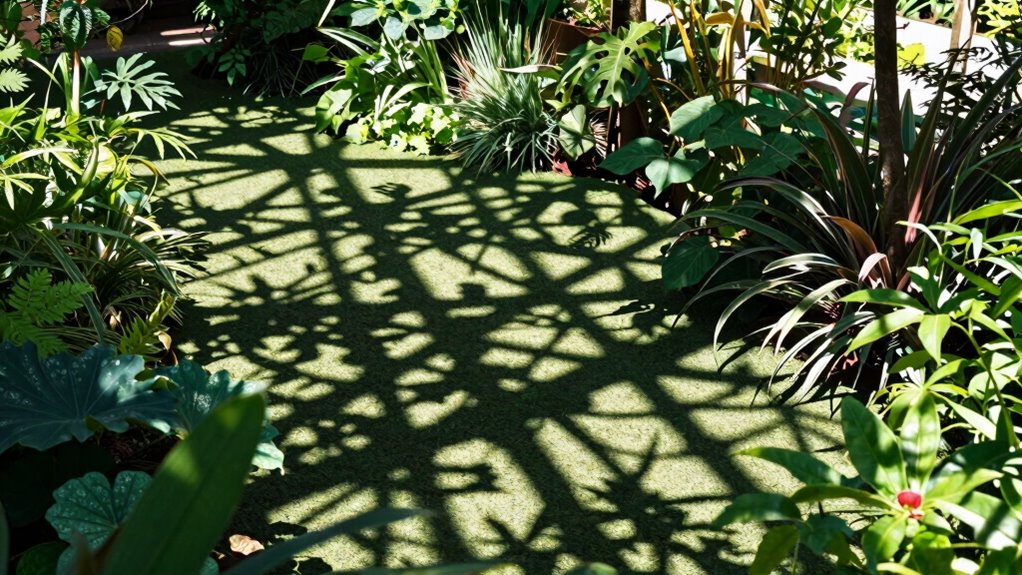
Start by observing how sunlight moves across your space throughout the day to assess sunlight patterns. Then, use this information to identify and map out the shaded areas. With these steps, you’ll create an accurate shade map that guides your plant placement decisions. Consider minimalist design when planning your layout to ensure a clean and functional garden space. Paying attention to precious metal investment options can also help you incorporate valuable resources into your planning process. Additionally, understanding color accuracy can aid in selecting plants that thrive under specific light conditions, ensuring your garden’s success. Recognizing the best woods for farmhouse tables can inspire you to incorporate natural textures into your outdoor or indoor spaces, enhancing your overall garden aesthetic. Exploring AI ethicist jobs can also provide insights into developing ethical frameworks for smart garden systems and automation tools.
Assess Sunlight Patterns
To accurately assess sunlight patterns, you need to observe how shadows move and change throughout the day. This helps you understand the sunlight intensity your garden receives and how it affects plant growth. Tracking these patterns reveals the best spots for sun-loving plants and shaded areas for others.
Consider these key points:
- Feel the difference in light during morning, noon, and evening to identify consistent sun or shade zones.
- Notice how shadows cast by trees, buildings, or structures shift, indicating the duration of sunlight exposure.
- Recognize areas that remain shaded, which can support shade-tolerant plants and prevent sunburn.
Map Shading Areas
Wondering how to identify shaded areas in your garden? Start by observing sunlight patterns throughout the day. Mark these shaded zones on a simple map or use stakes and string to outline them physically. This shading map helps you plan soil preparation, ensuring you plant shade-loving crops in suitable areas, which promotes healthy growth. It also aids pest control by keeping vulnerable plants away from direct sunlight, reducing stress and pest attraction. When creating your map, consider nearby structures or trees that cast shadows, adjusting your planting spots accordingly. Using a shade map can also help you determine the best placement for your small wood stoves or other outdoor equipment, ensuring efficiency and safety. Additionally, understanding temperature variation across your garden can help you select appropriate plants and optimize growing conditions, especially when combined with microclimate analysis. Incorporating soil moisture levels into your planning can further improve plant health and yield. Recognizing microclimates within your garden allows for more precise placement of plants based on their specific needs. A clear shading map streamlines your gardening process, making planting more efficient and effective. By understanding shading patterns, you optimize soil conditions and minimize pest issues, setting your garden up for success.

3-Pack, Clyde's Garden Planner
3-Pack, Clyde's Garden Planner .. Chart Provides Both Indoor & Outdoor Seeding Dates for 22 Common Garden Veggies,…
As an affiliate, we earn on qualifying purchases.
As an affiliate, we earn on qualifying purchases.
How Seasonal Changes Impact Your Shade Map
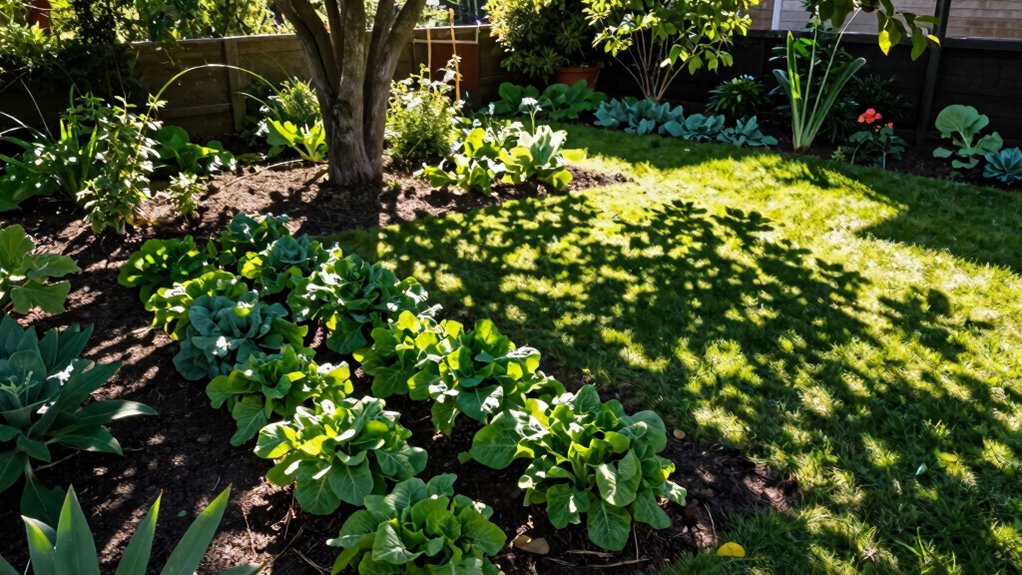
Seasonal changes considerably alter the sunlight patterns that affect your shade map, making it crucial to update it regularly. As seasons shift, the sun angle changes, causing shadows to move and grow longer or shorter. These seasonal variations can dramatically influence where sunlight hits your yard throughout the year. Failing to adjust your shade map risks planting in areas that end up shaded or overexposed. By monitoring how shadows evolve with each season, you can guarantee your plants thrive in ideal light conditions. Staying aware of these shifts keeps your garden productive and vibrant. Recognizing seasonal sunlight patterns helps you anticipate changes and plan accordingly, ensuring your garden remains healthy year-round. Additionally, understanding the impact of sustainable fabric technology can inspire eco-friendly practices in your gardening tools and accessories. Being mindful of solar movement can further enhance your ability to adapt your planting strategies effectively. Furthermore, paying attention to shade tolerance levels of different plants ensures optimal growth based on shifting light conditions.
How to Use Your Shade Map to Find the Best Planting Spots
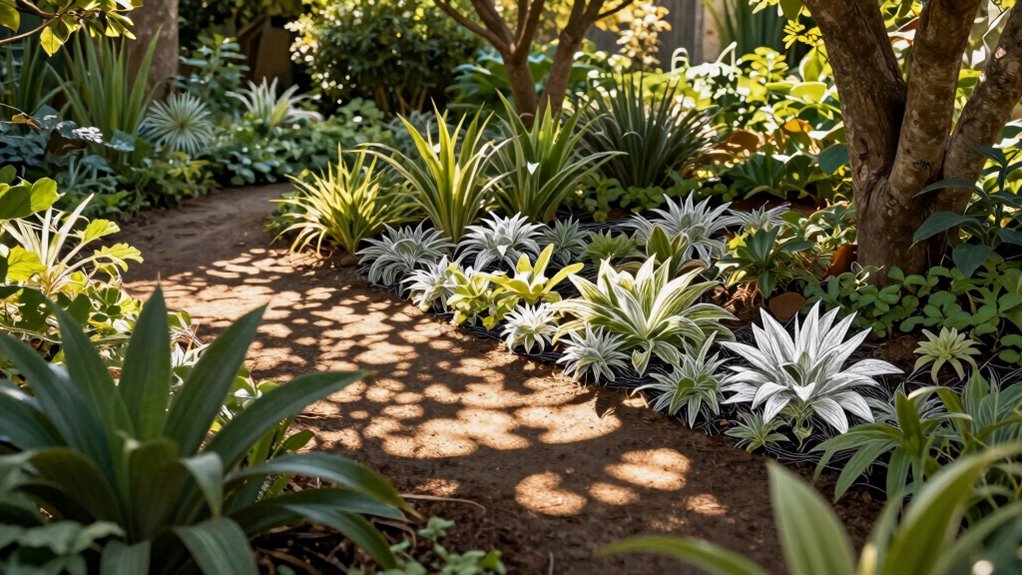
Start by observing your shade map to identify sunlight patterns and shaded areas throughout the day. Then, match those spots with the needs of your plants, choosing locations where they’ll thrive. This approach guarantees you place each plant in the best environment for healthy growth.
Identify Sunlight Patterns
Understanding how sunlight moves across your yard is essential for selecting the best planting spots. By observing these patterns, you can optimize your garden design and improve soil health. Notice where the sun hits strongest, and identify areas with dappled or limited light. This helps you choose plants suited to each spot’s conditions, boosting growth and importance.
You’ll feel confident knowing your plants get the right amount of light, avoiding wasted effort. Recognizing sunlight patterns also prevents planting in areas prone to harsh sun or deep shade, saving time and resources.
- Experience the satisfaction of a thriving, healthy garden
- Feel empowered by making smart, informed decisions
- Watch your garden flourish with less trial and error
Map Shaded Areas
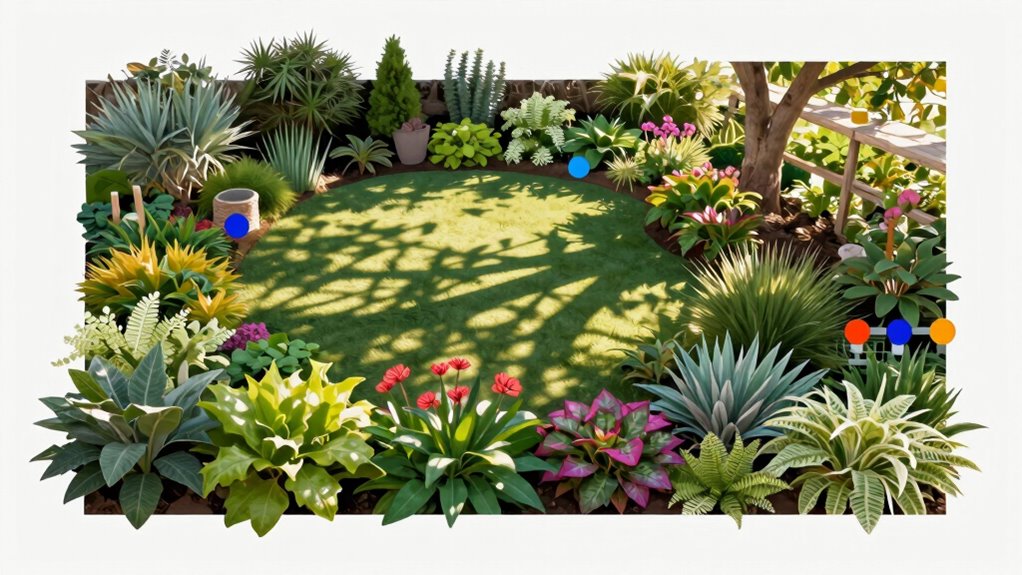
Once you’ve observed and mapped out the sunlight patterns in your yard, it’s time to focus on shading areas. Use your shade map to identify spots with consistent shade during different times of day. This helps you plan your garden with proper shade analysis, ensuring plants thrive in their ideal environment. To visualize shaded zones, create a simple table like this:
| Shaded Areas | Sunlit Areas |
|---|---|
| Under large trees | Open lawn |
| North-facing wall | South-facing yard |
| Fence shadows | Unobstructed spots |
| Behind structures | Sun-exposed areas |
| Dense shrubs | Clear sun zones |
This map guides your garden planning, helping you choose plants suited for shaded or sunnier spots, maximizing growth potential and ease of planting.
Match Plants Accordingly
Using your shade map, you can select the best spots for different plants based on their sunlight needs. This is essential for effective garden planning and ensuring plant compatibility. By matching plants to their ideal light conditions, you’ll set yourself up for success and healthier growth.
- Feel confident knowing your plants thrive where they’re happiest, reducing stress and guesswork.
- Watch your garden flourish as each plant receives exactly what it needs, creating a harmonious landscape.
- Save time and effort by avoiding trial-and-error, making your planting process more enjoyable and rewarding.
Matching plants accordingly transforms your garden into a vibrant, balanced space. It’s a simple step that guarantees better growth, fewer problems, and a more beautiful outdoor haven.
What Common Mistakes Should You Avoid With Your Shade Map?
One common mistake to avoid when creating your shade map is overlooking the importance of accurate measurements. If your measurements are off, your map won’t reflect the true shading patterns, leading to poorly placed plants. Also, don’t forget to contemplate your watering schedule; neglecting how often you water can cause plants to struggle, especially if they’re in shaded areas that retain moisture differently. Additionally, avoid skipping soil testing before planting. Knowing your soil’s pH and nutrient levels ensures your plants will thrive in the shaded spots. Failing to account for these factors can result in unhealthy plants or unnecessary replanting. Be precise with measurements, and incorporate soil testing and watering needs into your planning to maximize your shade map’s effectiveness.
How Can You Adjust Your Shade Map Throughout the Year?
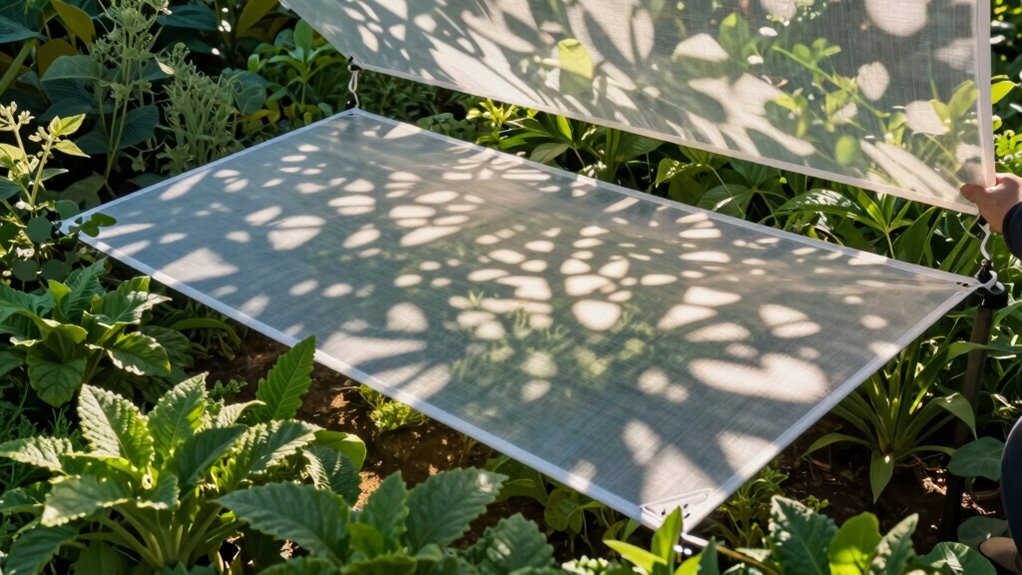
As the seasons change, so do the patterns of sunlight and shade on your property. To maintain shade continuity, you need to make seasonal adjustments to your shade map. Regularly reassess how sunlight hits your yard as the sun’s path shifts. This helps you adapt your planting plan and avoid surprises when the seasons change.
- Feel the thrill of perfect shade, even in winter’s chill
- Stay confident knowing your plants will thrive year-round
- Enjoy the peace of knowing your shade map evolves with the seasons
Frequently Asked Questions
Can a Shade Map Help Improve Overall Garden Health?
Yes, a shade map can considerably improve your garden’s health. It helps you understand sun and shade patterns, guiding you to plant in ideal spots. This knowledge allows you to choose the right plants, improve soil testing, and implement pest control more effectively. By matching plants to their perfect light conditions, you promote healthier growth, reduce stress, and increase yields, making your garden more robust and productive.
What Tools Are Best for Creating an Accurate Shade Map?
You should use tools like digital mapping technology or smartphone apps for accurate shade analysis. These tools help you create detailed shade maps by capturing sunlight patterns throughout the day. A good GPS device or drone with mapping capabilities can also enhance precision. By combining these technologies, you can easily identify shaded areas, plan your garden layout efficiently, and guarantee your plants get ideal sunlight exposure for healthy growth.
How Often Should I Update My Shade Map?
You should update your shade map at least twice a year, ideally during seasonal adjustments, to maintain up with changing shading patterns. Did you know that shading patterns can shift by up to 30% due to tree growth or seasonal sun angles? Regular updates ensure your planting plans stay accurate, helping your garden thrive. Stick to this schedule, and your shade map will remain a reliable tool year-round.
Are There Specific Plants That Thrive in Shaded Areas?
Yes, you’ll find many shade-loving, sun intolerant plants thrive in shaded areas. Consider options like ferns, hostas, and caladiums, which flourish with limited sunlight. These plants are perfect if you want vibrant greenery without direct sun exposure. To guarantee healthy growth, match your plant choices to your shade map, and make sure you provide adequate moisture and soil conditions tailored to these shade-tolerant varieties.
How Does Nearby Construction Affect My Shade Map Accuracy?
Like a gust of wind shifting a sandcastle, nearby construction can influence your shade map accuracy. It temporarily alters sunlight patterns and shadows, making your map less reliable. Heavy machinery and new structures may cast unexpected shadows, so you might need to update your map regularly. Stay alert to construction impact, and adjust your planting plans accordingly to ensure your plants thrive in the right light conditions.
Conclusion
By embracing the gentle dance of sunlight and shade, you’ll discover the secret to a thriving garden with less guesswork. Your shade map is like a trusted compass, guiding you to the perfect spots for each plant’s needs. As seasons shift, so can your plan—adapting with grace. With a little patience and attention, you’ll turn your garden into a harmonious oasis, where each plant finds its happy place under your thoughtful guidance.