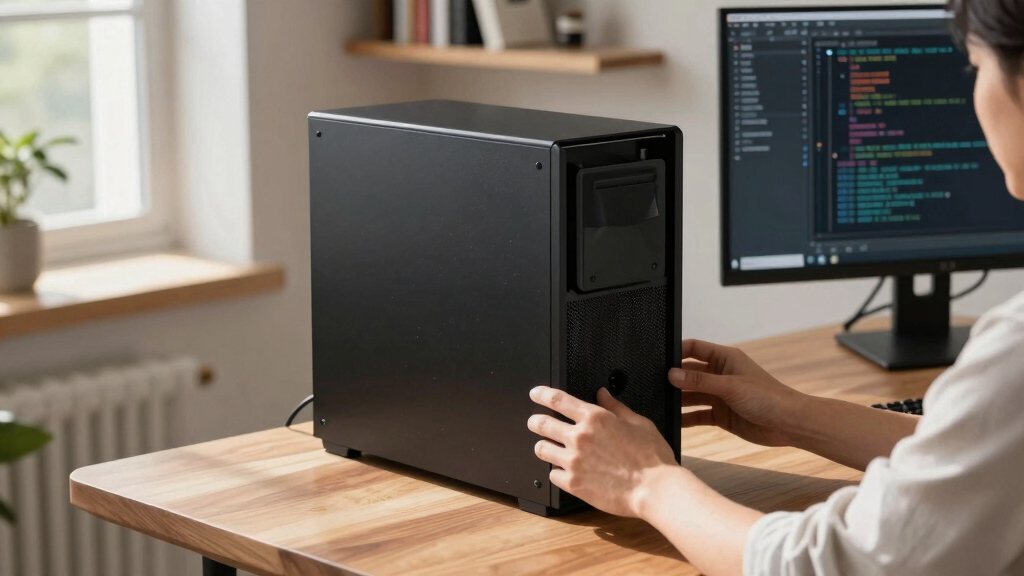

📊 Full opportunity report: Build vs Buy a Prebuilt AI Workstation on ThorstenMeyerAI.com — validation score, market gap, and execution plan.

Get the latest gadgets delivered free — and shop member deals
- Fast, free delivery on millions of items
- Access to Prime Big Deal Days deals on October 6–7
- Prime Video, Amazon Music and more included
TL;DR
In 2026, prebuilt AI workstations can be more cost-effective and faster to deploy than building your own, thanks to component shortages and bulk purchasing. The choice depends on your need for speed, control, and long-term management, with hybrid options gaining popularity.
Prebuilt AI workstations now often match or outperform DIY builds in cost and deployment speed in 2026, driven by component shortages and market conditions. For a detailed comparison, see the original analysis on build vs buy a prebuilt AI workstation. This shift impacts organizations and individuals choosing between custom builds and ready-made systems, emphasizing the importance of speed, reliability, and total ownership costs.
In 2026, the landscape for AI workstation procurement has changed significantly. Prebuilt systems from vendors like Lambda and Puget now frequently match or beat the cost of DIY builds, primarily due to bulk purchasing and supply chain constraints that have increased component prices for individual builders. These prebuilt systems come fully assembled, tested, and optimized, with warranties and support, reducing setup time and operational risk.
Conversely, building your own AI workstation involves sourcing high-end GPUs, CPUs, and cooling solutions, which has become more expensive and time-consuming. While DIY offers maximum control over hardware and software customization, it requires significant technical expertise, time, and ongoing management. Hidden costs such as troubleshooting, maintenance, and security updates can also add up, sometimes exceeding initial savings.
Deployment timelines have shortened for prebuilt options, with delivery often within 1–2 weeks, compared to several months for DIY setups. This is especially critical for organizations needing rapid deployment to meet project deadlines or capitalize on market opportunities. The decision ultimately hinges on priorities: speed and reliability favor prebuilt, while control and customization favor building from scratch.
Build vs buy
an AI workstation.
The real question behind this whole series: do you pull the five heat-and-noise levers yourself, or buy a prebuilt where the vendor pulled them for you? And in 2026, the old “building is cheaper” rule has broken. Match your situation in Part 3.
Why the 2026 Shift in AI Workstation Choices Matters
This shift impacts how organizations and individuals plan their AI infrastructure investments, highlighting the importance of understanding the build vs buy decision in AI hardware procurement. Faster deployment and reduced operational risks make prebuilt systems attractive for many, especially startups and teams with limited technical resources. Meanwhile, the increased costs and complexity of DIY builds highlight the importance of evaluating total ownership expenses, including hidden costs like maintenance, talent, and compliance. The rise of hybrid solutions further suggests that a balanced approach may offer the best value, combining the reliability of prebuilt systems with the flexibility of custom upgrades.
As an affiliate, we earn on qualifying purchases.
Market Changes and Supply Chain Impact on AI Hardware in 2026
Over the past year, global chip shortages and supply chain disruptions have driven up component prices, making DIY AI workstations more expensive and less predictable. This market shift is analyzed in detail in the original analysis. Bulk purchasing by vendors has allowed prebuilt systems to benefit from economies of scale, often matching or undercutting DIY costs. These market conditions have shifted the traditional build vs buy calculus, emphasizing deployment speed and reliability over initial cost savings.
Historically, building your own system was seen as cheaper and more customizable, but recent market dynamics have altered this assumption. Additionally, supply chain delays and component scarcity have increased lead times for DIY builds, making prebuilt options more appealing for urgent needs.
"Choosing between build and buy depends heavily on your timeline and control needs; prebuilt offers rapid deployment and validated performance, while building gives you full hardware control."
— John Smith, CTO of TechSolutions
As an affiliate, we earn on qualifying purchases.
Uncertainties in Long-Term Reliability and Support
While prebuilt systems currently offer advantages in cost and deployment speed, it remains unclear how they will perform over the long term compared to custom builds, especially regarding hardware upgrades and flexibility. Additionally, supply chain stability and vendor support quality may vary, affecting reliability. The evolving market conditions and rapid technological advances could also influence future cost dynamics and performance expectations.
As an affiliate, we earn on qualifying purchases.
Future Trends in AI Workstation Procurement Strategies
Expect continued growth in hybrid solutions that combine prebuilt reliability with customizable components. Vendors may also expand support services and flexible upgrade options to address long-term control concerns. Monitoring supply chain developments and technological advances will be critical for organizations planning their AI infrastructure investments in the coming months. Additionally, more detailed cost analyses and case studies are likely to emerge, helping users make more informed decisions.
As an affiliate, we earn on qualifying purchases.
Key Questions
Is it still worth building my own AI workstation in 2026?
It depends on your priorities. If you need maximum control and customization and have the technical expertise, building may still be worthwhile. However, for most users, prebuilt systems offer better value, speed, and reliability given current market conditions.
How do the costs of prebuilt systems compare to DIY builds today?
Prebuilt AI workstations often match or beat DIY costs due to bulk purchasing and supply chain efficiencies, despite higher initial sticker prices in some cases. Hidden costs for DIY, such as troubleshooting and maintenance, can further widen the gap.
What are the main advantages of prebuilt AI workstations?
Prebuilt systems provide ready-to-run hardware, validated performance, warranty support, and faster deployment, reducing operational risks and setup time.
What should I consider when choosing between build and buy?
Focus on your deployment timeline, need for customization, long-term control, and available technical expertise. Total cost of ownership, including hidden expenses, should also guide your decision.
Source: ThorstenMeyerAI.com
Fall Picks
fall essentials
As an affiliate, we earn on qualifying purchases.