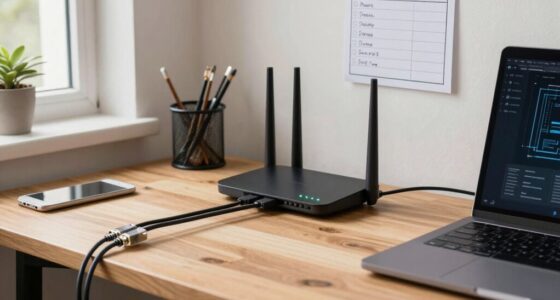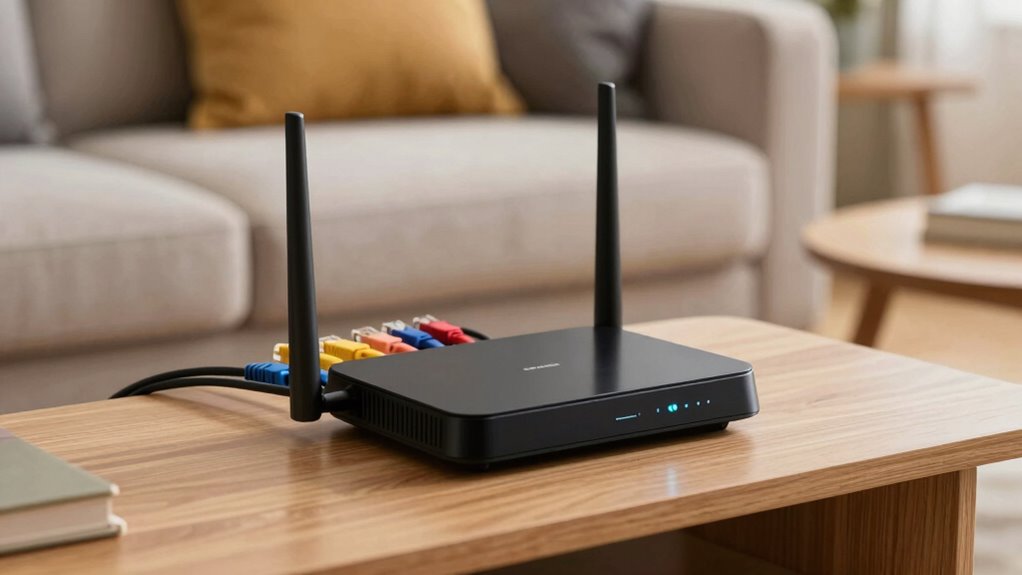

The Wi-Fi fix that solves 80% of home internet problems is repositioning your router to a central, elevated spot away from electronic interference and obstacles. Adjusting your Wi-Fi channel to reduce congestion also helps, as many devices automatically choose crowded bands. Regularly updating your router’s firmware and restarting it can boost performance. Keep your network secure and stay mindful of overloads. Want to learn more about these simple tweaks and how to implement them effectively?
Key Takeaways
- Place your router centrally and elevate it to reduce obstructions and improve signal coverage.
- Change your Wi-Fi channel to a less congested frequency using network analyzers.
- Regularly restart your router to clear temporary issues and maintain optimal performance.
- Keep firmware updated to fix bugs, enhance security, and boost speed.
- Minimize interference from electronics and metal objects near your router for a more stable connection.

TP-Link AC1200 WiFi Extender, 2023 Engadget Best Budget Pick, 1.2Gbps Signal Booster for Home, Dual Band 5GHz/2.4GHz, Covers Up to 1500 Sq.ft and 30 Devices,Support Onemesh, One Ethernet Port (RE315)
𝐒𝐭𝐫𝐨𝐧𝐠𝐞𝐫 𝐖𝐢-𝐅𝐢 𝐢𝐧 𝐄𝐯𝐞𝐫𝐲 𝐂𝐨𝐫𝐧𝐞𝐫 – Enjoy extended coverage with strong performance powered by Adaptive Path Selection and…
As an affiliate, we earn on qualifying purchases.
As an affiliate, we earn on qualifying purchases.
Why Is My Wi-Fi So Slow? Common Causes Explained
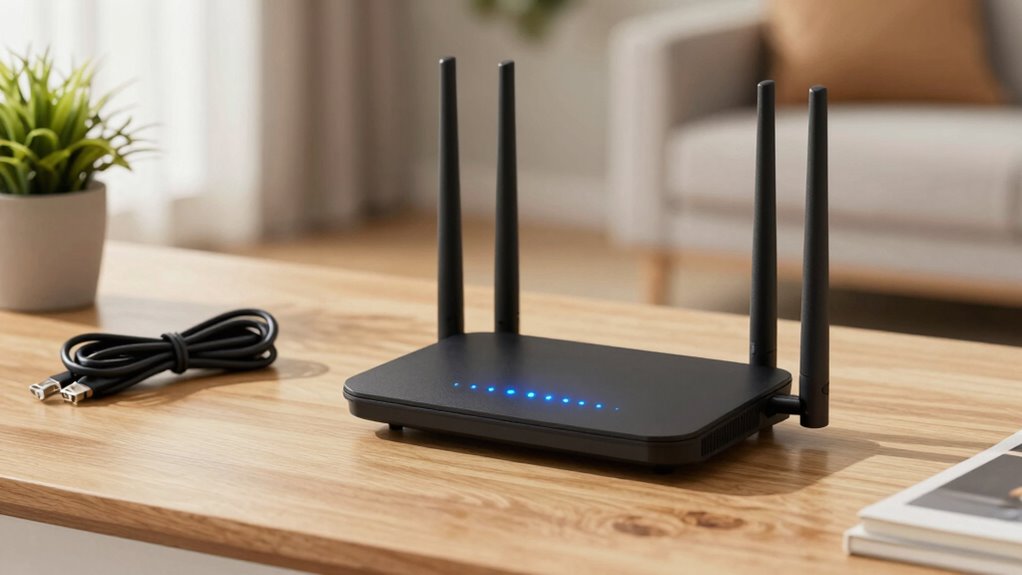
If your Wi-Fi feels sluggish, there are several common reasons behind the slowdown. One major factor is signal strength. Weak signals can cause slow speeds or dropped connections, especially if your router is far away or obstructed by walls. Another key issue is device compatibility. Not all devices support the same Wi-Fi standards, so older gadgets might struggle to connect at higher speeds, dragging down overall performance. Interference from other electronics, such as microwaves or cordless phones, can also disrupt the signal, further reducing speed. Ensuring your device supports the latest Wi-Fi technology and positioning your router for ideal signal strength can profoundly improve your internet experience. Recognizing these causes helps you troubleshoot effectively and get faster, more reliable Wi-Fi. Additionally, understanding the impact of high refresh rates and other technological factors can help optimize your network setup. Moreover, optimizing network configuration settings, such as channel selection and firmware updates, can also enhance overall speed and stability. Being aware of electromagnetic interference sources can help you take steps to minimize disruptions and improve your connection quality. Regularly checking for firmware updates ensures that your router benefits from the latest performance improvements and security patches. Sometimes, simply rebooting your router can resolve temporary issues and improve your connection quality.
Wi-Fi Analyzer
Generates a snapshot view of nearby Wi-Fi signals
As an affiliate, we earn on qualifying purchases.
As an affiliate, we earn on qualifying purchases.
How to Find the Best Placement for Your Router
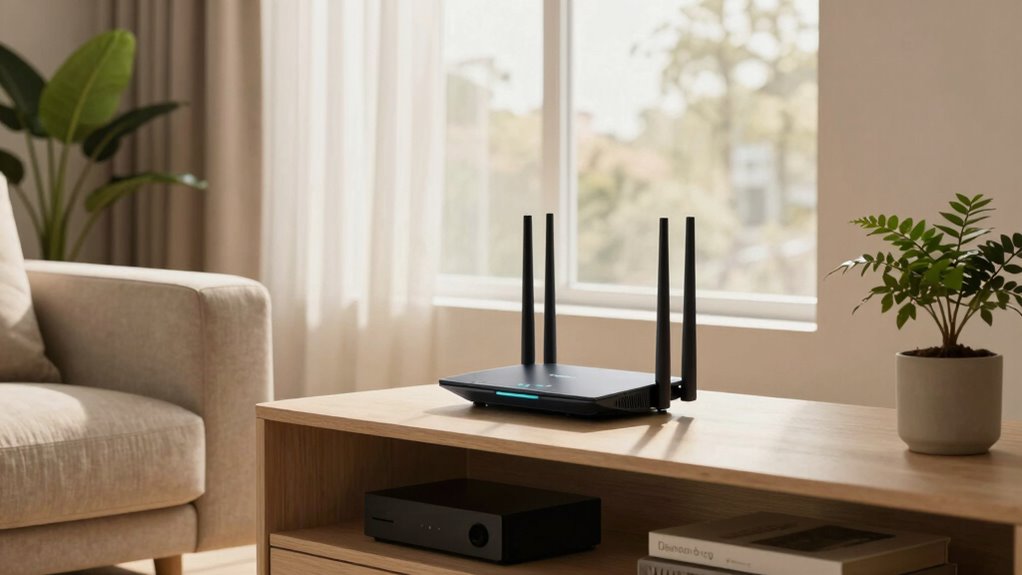
To improve your Wi-Fi signal, start by placing your router in a central location so it reaches all areas of your home. Keep it away from thick walls, metal objects, and other electronics that can cause interference. Elevating your router on a shelf or high surface can also boost coverage and connection quality. Additionally, positioning your router away from metal objects can help prevent signal disruption. When planning your installation, consider cabling solutions such as using quality cables and proper mounting techniques to maintain optimal signal integrity. For optimal performance, consider the wall surfaces and finishes in your space, as certain materials can absorb or reflect Wi-Fi signals, impacting coverage. Being mindful of interference sources like microwaves or cordless phones can also significantly improve your connection quality. Moreover, selecting the right router placement can make a noticeable difference in your overall internet experience.
Centralize Your Router Location
Placing your router in the right spot can greatly improve your Wi-Fi signal throughout your home. Centralizing your router location helps ensure even coverage and minimizes dead zones. Aim to position it in a central area, away from exterior walls and large metal objects that can block signals. Good router placement also aids in interference reduction, preventing signals from bouncing off other electronics or appliances. Keep it elevated, like on a shelf or high table, to maximize range. Avoid placing it near cordless phones, microwaves, or other devices that emit radio waves, as these can cause interference. Additionally, understanding radio frequency interference can help you choose the best spot to reduce signal disruptions. Using the appropriate capacity of your router can also contribute to better performance, especially in homes with multiple devices. Being aware of signal congestion can further help you optimize your placement to prevent overcrowded channels. To further enhance your Wi-Fi, consider adjusting your router’s channel settings, which can reduce interference from neighboring networks. By choosing a central, open spot, you’ll optimize your router placement and substantially boost your Wi-Fi performance across your entire home. Incorporating proper ventilation around your router can also prevent overheating, maintaining optimal performance.
Avoid Obstructions and Interference
Obstructions like walls, furniture, and large appliances can substantially weaken your Wi-Fi signal, so it’s important to find a spot where these barriers are minimized. Wireless obstacles and signal interference caused by nearby electronics or metal objects can also degrade performance. To optimize placement, consider the environment carefully. Keep your router away from microwaves, cordless phones, and thick walls. Place it on a central, open shelf, elevated off the ground. Use the following guide:
| Obstacle Type | Location to Avoid | Ideal Placement |
|---|---|---|
| Thick walls | Corners, basements | Open, central shelf |
| Large furniture | Directly behind | Clear line of sight |
| Electronic devices | Near router | Far away from interference |
Additionally, choosing proper placement can help prevent signal degradation and improve overall Wi-Fi performance. Proper placement reduces interference and ensures a strong, reliable connection. Considering home layout and the placement of other electronics can further enhance network stability. Being aware of interference sources in your environment can make a significant difference in Wi-Fi quality. Regularly adjusting the router’s position can help adapt to changing interference patterns and maintain optimal performance.
Elevate for Better Coverage
Elevating your router can substantially improve Wi-Fi coverage throughout your home. Place it on a high shelf or mount it on a wall to reduce obstructions and maximize signal distribution. Avoid hiding it behind furniture or inside cabinets, as these block signals. For larger spaces, consider using mesh networking systems that provide multiple access points, ensuring even coverage. Signal boosters or extenders can also help reach dead zones, but their placement is vital—position them halfway between your router and the area needing better coverage. Experiment with different locations to find the spot that offers the strongest, most consistent signal. Proper placement minimizes dead zones and improves overall Wi-Fi performance, making your internet faster and more reliable across your entire home. Understanding how to optimize placement can be key to resolving many common connectivity issues. Additionally, ensuring your router is powered with a safe power storage system can prevent interruptions caused by power fluctuations. Using a surge protector or uninterruptible power supply (UPS) can further enhance performance and protect your equipment. Proper placement combined with a reliable power supply ensures consistent performance and minimizes disruptions.

PzewMo Floating Metal Wall Mount Shelf,Shelf for Projector,TV Cable Box,Router,Speaker,Sound Bar,Camera,Gaming,Decor Display (1, Medium)
【Versatile Sizes】 Offering three different sizes, this Wall-Mounted Floating Shelf provides ample flexibility to store a wide range…
As an affiliate, we earn on qualifying purchases.
As an affiliate, we earn on qualifying purchases.
How to Reduce Wi-Fi Interference From Other Devices
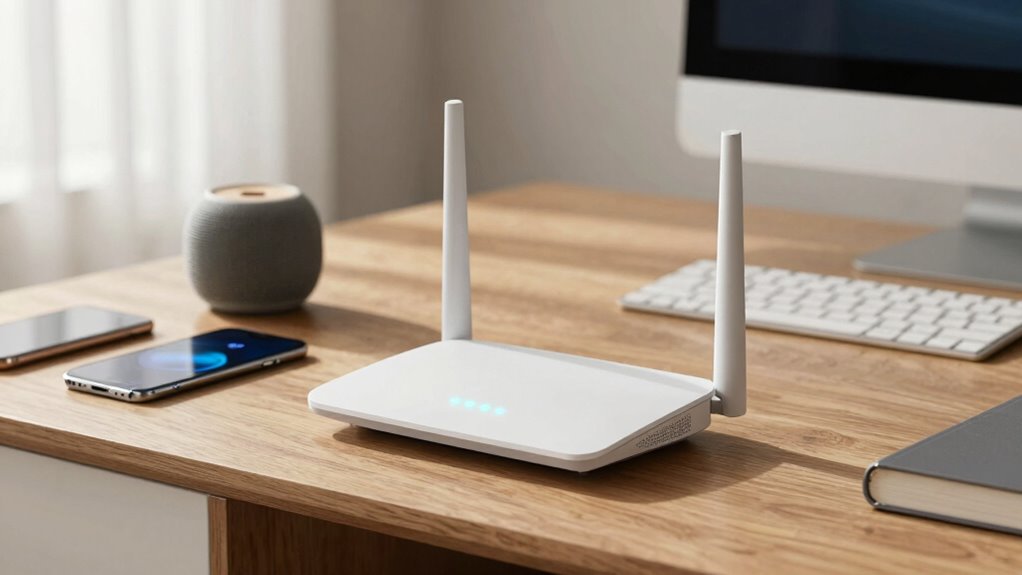
To reduce Wi-Fi interference from other devices, you need to identify and minimize sources that disrupt your signal. Wireless interference and device conflicts often cause slow or unstable internet. Start by:
- Keeping your Wi-Fi router away from cordless phones, microwaves, and baby monitors, which emit signals that interfere with wireless communication.
- Limiting the use of Bluetooth devices near your router, as they operate on similar frequencies and can create conflicts.
- Turning off or relocating other electronics that use the 2.4 GHz band when not in use.
- Ensuring your router is placed in an open, central location free from metal objects and thick walls, reducing potential interference sources.
These steps help minimize wireless interference and resolve device conflicts, boosting your Wi-Fi performance.
TP-Link AC1200 WiFi Extender, 2023 Engadget Best Budget Pick, 1.2Gbps Signal Booster for Home, Dual Band 5GHz/2.4GHz, Covers Up to 1500 Sq.ft and 30 Devices,Support Onemesh, One Ethernet Port (RE315)
𝐒𝐭𝐫𝐨𝐧𝐠𝐞𝐫 𝐖𝐢-𝐅𝐢 𝐢𝐧 𝐄𝐯𝐞𝐫𝐲 𝐂𝐨𝐫𝐧𝐞𝐫 – Enjoy extended coverage with strong performance powered by Adaptive Path Selection and…
As an affiliate, we earn on qualifying purchases.
As an affiliate, we earn on qualifying purchases.
How to Change Your Wi-Fi Channel for Faster Speeds
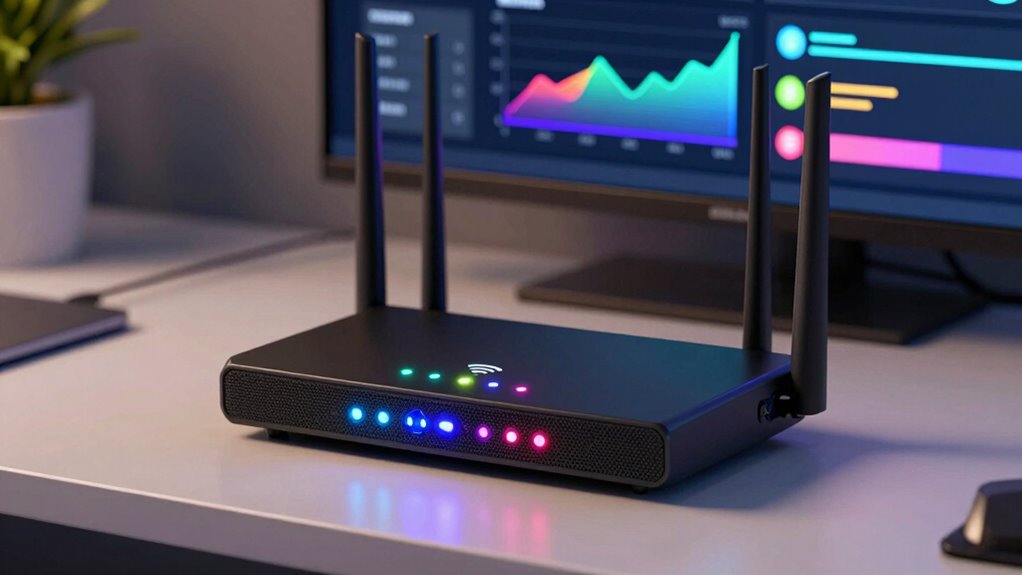
To improve your Wi-Fi speeds, you need to find the best channel for your network. Start by identifying which channels are least crowded in your area, then access your router settings to switch to a better one. Once you’ve changed the channel, test your signal to see if your connection has improved.
Identifying Optimal Channels
Finding the best Wi-Fi channel can substantially improve your internet speed and reduce interference. To identify ideal channels, start by scanning your environment to see which channels are crowded. Use tools like Wi-Fi analyzers to gather data on nearby networks. Focus on selecting channels with the least interference to optimize channel selection and interference management. Consider these steps:
- Scan your Wi-Fi environment to identify crowded channels.
- Choose channels with minimal overlapping signals.
- Prefer less congested channels within your router’s frequency band.
- Regularly re-scan to adapt to changing interference patterns.
This process helps you find the optimal channel, reducing interference and boosting speeds. Proper channel selection is key to maintaining a stable, fast home network, especially in crowded Wi-Fi environments.
Accessing Router Settings
Once you’ve identified the best Wi-Fi channel through analysis, the next step is to access your router’s settings to make the switch. Start by opening a web browser and typing your router’s IP address, typically something like 192.168.1.1 or 192.168.0.1. You’ll be prompted to enter your router login credentials; this usually involves your admin username and password, often found on a label on the device or in its manual. If you’ve never changed these details, the default admin password might still be in place. Enter the credentials to log in. Once inside, navigate to the wireless or Wi-Fi settings, where you can find the channel options. From there, select the *most suitable* channel you identified earlier and save your changes.
Testing Signal Improvements
After changing your Wi-Fi channel, testing whether the new settings improve your connection speed and stability is vital. Start by checking your signal strength in different areas of your home to identify coverage gaps. Then, perform these steps:
- Use a Wi-Fi analyzer app to measure signal strength and interference before and after the change.
- Run speed tests on multiple devices across various rooms to confirm speed improvements.
- Observe if coverage gaps have decreased, especially in previously weak spots.
- Monitor connection stability over time, noting any drops or lag spikes.
How to Restart and Update Your Router for Better Performance
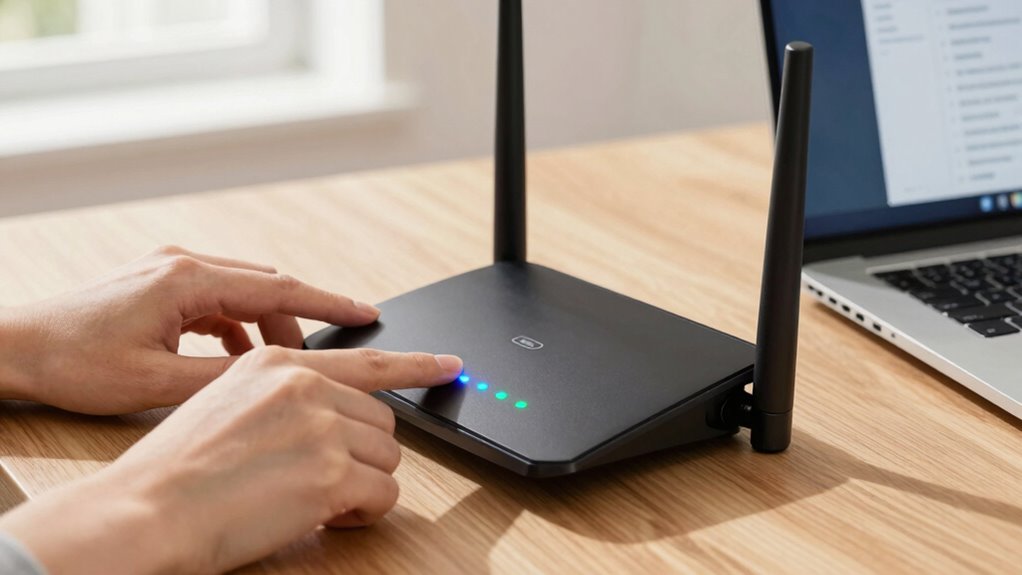
To improve your Wi-Fi performance, restarting your router is a simple yet effective step. Regularly restarting helps clear out memory leaks and resets connections, which can improve speed. Set a restart schedule—perhaps weekly or bi-weekly—to keep your network running smoothly. Before restarting, check if your router has pending firmware updates, as outdated firmware can cause performance issues. Updating the router firmware ensures you’re running the latest software, fixing bugs and improving stability. To do this, log into your router’s admin panel, usually via a web browser, and follow the manufacturer’s instructions for updating firmware. Once updated, restart the router manually or automatically if available. This routine maintenance can markedly enhance your Wi-Fi speed and reliability.
How to Secure Your Wi-Fi Network and Prevent Slowdowns
Securing your Wi-Fi network is essential to prevent unauthorized access that can slow down your internet speeds. To do this effectively, focus on these key steps:
- Use strong encryption protocols like WPA3 or WPA2 to protect your network from intruders.
- Create a complex password with a mix of letters, numbers, and symbols to enhance password complexity.
- Change your default router login credentials to prevent unauthorized changes.
- Disable WPS (Wi-Fi Protected Setup), which can be vulnerable to attacks.
Implementing these measures guarantees your network remains secure, reducing the risk of slowdowns caused by unauthorized users or malicious activity. Regularly updating your router’s firmware also helps patch security vulnerabilities and maintain ideal performance.
How to Test Your Internet Speed Before and After Fixes

Before making any changes to your Wi-Fi setup, it’s important to test your internet speed to establish a baseline. This step is key in Wi-Fi troubleshooting, helping you understand if your connection improves after fixes. Use a reliable internet speed testing tool to measure your download and upload speeds. Conduct tests at different times of day to account for network congestion. Record your results for comparison. Here’s a quick reminder:
| Test Timing | Expected Speed Range | Notes |
|---|---|---|
| Before fixing | Current baseline | Initial test |
| After fix (improved) | Targeted speeds | Check improvement |
| Peak hours | Typical network use | Real-world performance |
Regular testing helps confirm if your Wi-Fi troubleshooting was successful.
When to Upgrade Your Router or Internet Plan

If your internet speeds remain sluggish despite troubleshooting, it might be time to contemplate upgrading your router or internet plan. Consider these factors:
- Router Compatibility: Confirm your current router supports the latest Wi-Fi standards and your devices’ needs.
- Internet Speed Plans: Check if your plan provides adequate bandwidth for your household’s usage—streaming, gaming, or multiple devices.
- Device Demands: As you add smart home devices or new gadgets, your current setup may no longer suffice.
- Performance Issues: Persistent buffering, dropped connections, or slow downloads suggest an upgrade could be necessary.
Upgrading your router or switching to a higher-tier internet plan can greatly boost your connection, especially if your existing equipment or plan no longer meets your household’s demands.
Frequently Asked Questions
Can a Wi-Fi Extender Improve My Home Network’s Speed?
A Wi-Fi extender can boost your home network’s coverage, but it might not improve your speed considerably. To get better speeds, consider using a mesh network, which provides seamless connections throughout your home. Also, make sure your router uses the best Wi-Fi channels to reduce interference. Extenders are helpful for coverage, but for maximum speed, upgrading to a mesh system and optimizing channels works best.
How Do I Identify if My Router Is Outdated?
You can tell if your router’s outdated by checking its firmware updates—if it hasn’t received recent updates, it might be time for a new one. Also, monitor your signal strength; if it’s weak or inconsistent despite placement adjustments, your router may be outdated. Modern routers typically support the latest standards and offer better performance, so consider upgrading if your device is old or no longer receives firmware updates regularly.
What Is the Best Way to Prioritize Devices on My Network?
You should access your router’s settings and look for Quality of Service (QoS) options. Prioritize devices by assigning higher device bandwidth to your most important gadgets, like work computers or streaming devices. Use network segmentation if available, creating separate networks for different device groups. This helps manage traffic effectively, ensuring essential devices get the bandwidth they need without interruption. Regularly check and update these settings for peak performance.
How Do I Troubleshoot Connection Issues on Specific Devices?
Think of your device as a musician tuning their instrument. Start with device diagnostics to identify any issues, like loose strings. Check for interference sources—other electronics or thick walls—that could disrupt the signal. Restart the device and your router to clear potential glitches. If problems persist, update device software or reset network settings. This process helps isolate and fix connection issues, ensuring your device hits the right note every time.
Are There Any Security Settings That Also Boost Wi-Fi Speed?
Yes, adjusting security settings can boost your Wi-Fi speed. Use strong network encryption like WPA3 to prevent interference from unauthorized devices, which can slow your network. Also, guarantee your Wi-Fi password is complex but not overly complicated to avoid connection issues. By optimizing these security settings, you maintain a secure network while improving overall speed and performance, giving you a faster, more reliable internet experience.
Conclusion
By fixing your Wi-Fi with these simple tips, you’ll open speeds so fast, your streaming will feel like a rocket launch and downloads will be faster than lightning! No more buffering nightmares or dead zones — just smooth, lightning-quick internet that’ll make your friends think you’ve got a superpower. Get ready to conquer the web like a tech superhero, because once you apply these fixes, your Wi-Fi will be unstoppable!