
TL;DR

Get the latest gadgets delivered free — and shop member deals
- Fast, free delivery on millions of items
- Access to Prime Big Deal Days deals on October 6–7
- Prime Video, Amazon Music and more included
Google rolled out a major Antigravity update at I/O 2026 that replaced existing IDEs with a chatbot interface without user consent. Users report loss of settings and workflow disruption, sparking criticism over update practices.
Google’s Antigravity software was automatically updated during I/O 2026, replacing users’ IDEs with a chatbot interface without prior warning, causing significant workflow disruption for developers.
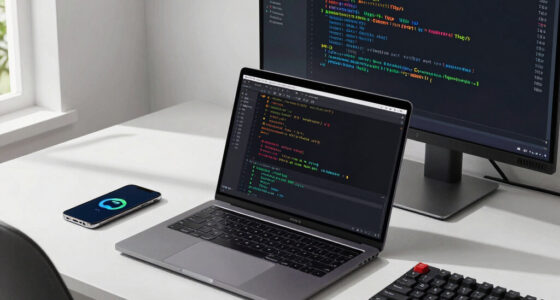
Users of Google’s Antigravity, a developer tool integrated into the Google AI Ultra plan, experienced an unexpected update that replaced their familiar IDE with a chatbot interface. The update, launched at I/O 2026, was delivered as a standalone experience but automatically migrated existing installations, effectively deleting the previous IDE environment.
Many users, including the source, found that the new version, labeled 2.0, rewrote default application paths, making it impossible to run both the new and old versions simultaneously. Reinstalling the old IDE did not restore functionality, prompting a widespread purge of Antigravity files. After a complete removal, a clean reinstall allowed the IDE to function normally, but user settings and chat history were lost. The process left a backup folder, but restoring data remains uncertain.
Why It Matters
This incident highlights the risks of background updates that alter core developer tools without explicit user approval. The forced transition disrupted workflows, caused data loss, and has raised broader concerns about update transparency and control in software used by developers. It underscores the importance of predictable, user-controlled updates in enterprise and developer environments.
developer IDE backup and restore tools
As an affiliate, we earn on qualifying purchases.
As an affiliate, we earn on qualifying purchases.
Background
Antigravity, part of Google’s AI ecosystem, has been evolving rapidly, with recent updates announced at I/O 2026. Historically, updates have been incremental, but the latest rollout introduced a significant change—replacing the IDE with a chatbot interface. Similar issues with forced updates and compatibility have been reported in other developer tools, but this incident is notable for its scale and impact on professional workflows.
“Forcing this kind of transition on users via a background update is in incredibly poor taste. Background updates are meant for performance patches and version upgrades, not for secretly shipping an entirely different piece of software.”
— source
“I’m now going to look for ways to stop auto-updates altogether, if it’s even possible in the first place. We should be able to trust that our tools will remain the tools we actually signed up to use.”
— source
auto-update control software for developers
As an affiliate, we earn on qualifying purchases.
As an affiliate, we earn on qualifying purchases.
What Remains Unclear
It is still unclear whether Google plans to roll back the update, provide a fix, or improve transparency for future updates. The full scope of data loss and whether users can fully restore their previous environments remains uncertain. Additionally, Google’s official stance or response to user complaints has not been publicly confirmed.
version management tools for IDEs
As an affiliate, we earn on qualifying purchases.
As an affiliate, we earn on qualifying purchases.
What’s Next
Users and developers will likely await an official response from Google regarding the update’s rationale and whether a rollback or patch is forthcoming. Further updates may include improved update controls or new user options to prevent automatic overwriting of tools.
developer workflow backup solutions
As an affiliate, we earn on qualifying purchases.
As an affiliate, we earn on qualifying purchases.
Key Questions
Why did Google replace the Antigravity IDE with a chatbot interface?
Google announced the update at I/O 2026 as part of a new version rollout, but the company has not publicly explained the specific reasons for replacing the IDE with a chatbot interface.
Can I restore my old Antigravity environment after the update?
Users report that deleting all Antigravity files and reinstalling the old IDE can restore functionality, but chat history and settings may be lost or incomplete.
Is there a way to prevent future automatic updates of Antigravity?
It is not yet clear if Google offers options to disable auto-updates for Antigravity. Users are considering manual controls or workarounds to prevent similar incidents.
Will Google address this issue publicly?
There has been no official statement from Google as of now. The company’s response will likely determine how quickly the issue is resolved or mitigated.
Source: Hacker News
Halloween Picks
halloween
As an affiliate, we earn on qualifying purchases.