
TL;DR
A developer has built a fully functional computer the size of a credit card, using DIY methods and off-the-shelf components. The project aims to create ultra-thin, portable devices for various applications, with a prototype already demonstrated.
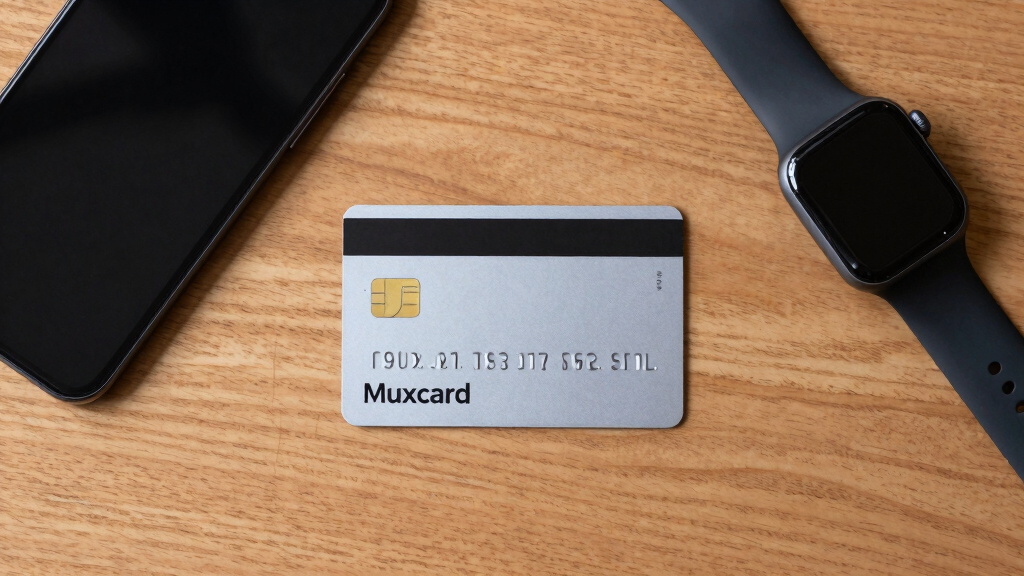
A developer has created a fully working computer the size of a credit card, built around an ESP32-C3 microcontroller, an e-paper display, and NFC capabilities. The project aims to produce a minimalist, portable device for multiple uses, including digital wallets, security keys, and offline authentication.
The project, initiated by an individual with a focus on extreme space constraints, has resulted in a prototype that stays within approximately 1mm thickness, matching the dimensions of an ISO7816 smartcard. The developer built a custom flex PCB using DIY lithography techniques, including a 3D-printed setup and chemical etching, to fit components within the ultra-thin profile. The current prototype is fragile, with hand-built parts and minimal soldering, but demonstrates that a fully functional, credit card-sized computer is feasible. The device features a small battery, a display, and NFC, with plans to improve durability and battery life in future versions.
Why It Matters
This development is significant because it pushes the boundaries of miniaturization for personal electronics, potentially enabling new forms of digital wallets, security tokens, and portable computing devices. Its DIY approach also lowers barriers for hobbyists and developers interested in custom hardware design, potentially influencing future portable device concepts.
credit card size e-paper display
As an affiliate, we earn on qualifying purchases.
As an affiliate, we earn on qualifying purchases.
Background
The concept of smartcards with displays is not new, but most prototypes are larger or thicker than a standard credit card. Previous efforts have struggled to balance size, functionality, and durability. This project builds on past ideas but emphasizes true credit card dimensions and DIY manufacturing methods, including custom PCB etching and component placement.
“The core concept works. No external power. No hidden electronics outside the card. Just a ridiculously thin computer.”
— The developer
“It was worth going the extra mile to save those seemingly insignificant mils of thickness.”
— The developer
As an affiliate, we earn on qualifying purchases.
What Remains Unclear
It remains unclear how durable the prototype will be under daily use, and whether the DIY manufacturing process can be scaled for wider production. The battery capacity and longevity are still under testing, and future iterations may require refinement to address fragility and component stability.
ultra thin microcontroller development board
As an affiliate, we earn on qualifying purchases.
As an affiliate, we earn on qualifying purchases.
What’s Next
The developer plans to continue testing the prototype for durability and battery life, with upcoming updates on hardware improvements. There are also plans to release schematics and design files for community use, and to explore commercial viability.
credit card sized portable computer
As an affiliate, we earn on qualifying purchases.
As an affiliate, we earn on qualifying purchases.
Key Questions
What are the main components used in the Muxcard?
The core components include an ESP32-C3 microcontroller, an e-paper display, NFC module, and a small battery, all integrated into a credit card-sized form factor.
How was the custom PCB created?
The PCB was made using DIY lithography techniques involving a 3D-printed setup, copper foil, Kapton tape, and chemical etching, enabling ultra-thin, single-layer circuit boards.
What applications could this device support?
The device could serve as a minimalist wallet for QR codes, NFC keys, tickets, boarding passes, or as a secure offline password and crypto wallet device.
Is this prototype ready for commercial use?
No, the current prototype is a proof of concept. Durability, battery life, and manufacturing scalability are still under development.
When will the device be available to the public?
The developer plans to launch the project soon and is accepting sign-ups for notifications at https://muxcard.com, but no specific release date has been announced yet.
Source: Hacker News