
TL;DR
Listen free for 30 days with Audible
Thousands of audiobooks and originals — cancel anytime.
As an affiliate, we earn on qualifying purchases.
Software hackathons are increasingly seen as less innovative due to software solutions becoming more mature. Hardware hackathons are emerging as the new frontier, encouraging creative, often nostalgic, physical projects. This shift signals a change in hackathon culture and innovation focus.
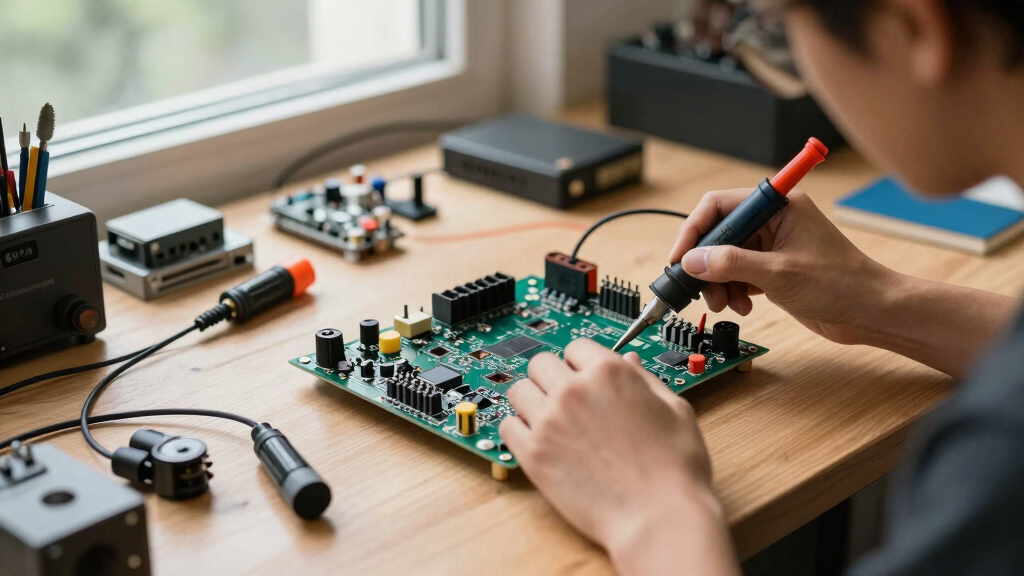
Hardware hackathons are gaining renewed attention as the traditional software hackathon scene appears to be plateauing, with participants increasingly focusing on physical projects and nostalgic tech revival, signaling a shift in innovation trends.
During a recent hackathon in Vilnius, a team built a rotary phone interfaced with a Raspberry Pi, demonstrating complex hardware integration within 48 hours. The project included AI-driven music research and playback via a vintage phone, showcasing the growing emphasis on tangible, hardware-based projects.
Participants noted that modern software hackathons have become less challenging as coding has become more accessible and streamlined, shifting focus toward system design and hardware interfacing. This trend is prompting a cultural shift, with more hackathons emphasizing physical devices and retro tech revival.
Experts and organizers suggest that hardware hackathons encourage more creative and unorthodox projects, often driven by nostalgia or humor, which may foster different kinds of innovation compared to traditional software-focused events.
Implications of Hardware-Centric Hackathon Culture
This shift towards hardware hackathons could diversify innovation, revive interest in vintage technology, and foster more tangible, hands-on problem solving. It also challenges the software-centric dominance that has characterized hackathons for years, potentially broadening the scope of what constitutes impactful hacking and invention.
As an affiliate, we earn on qualifying purchases.
Evolution of Hackathon Focus from Software to Hardware
Over the past decade, hackathons have predominantly centered around software development, with participants building web apps, APIs, and AI models. Recently, however, there has been a noticeable decline in groundbreaking software projects, as many problems have been ‘solved’ or become routine. Meanwhile, hardware hackathons are emerging, emphasizing physical devices, old tech revival, and experimental projects. This change reflects a broader cultural shift in maker communities and innovation spaces, driven by the ease of software development and the desire for more tactile, memorable projects.
“As software becomes more ‘solved,’ hardware offers a playground for creativity that isn’t limited by code alone.”
— an anonymous researcher
“We want to build ridiculous, over-the-top devices that make you question reality, not just solve a business problem.”
— a hackathon participant
vintage rotary phone repair parts
As an affiliate, we earn on qualifying purchases.
As an affiliate, we earn on qualifying purchases.
Unclear Future of Hardware Hackathon Trends
It is not yet clear whether the hardware hackathon trend will sustain long-term growth or remain a niche activity. The extent to which these projects influence mainstream innovation or commercial applications remains uncertain, and the cultural shift may be temporary or part of a broader evolution.
As an affiliate, we earn on qualifying purchases.
Next Steps for Hardware Hackathon Development
Expect to see more hardware-focused events, possibly revived interest in vintage tech, and experimental projects that push the boundaries of physical computing. Organizers and communities may also explore hybrid formats combining software and hardware to foster new forms of innovation. Monitoring participation levels and project impact will be key to understanding this trend’s trajectory.
As an affiliate, we earn on qualifying purchases.
Key Questions
Why are hardware hackathons gaining popularity now?
As software development becomes more streamlined and routine, hardware projects offer fresh opportunities for creativity, nostalgia, and tangible problem solving that are less common in software-focused hackathons.
What are some example projects emerging from hardware hackathons?
Examples include turning old tech like Game Boy Advances into Bloomberg terminals, building AI-driven devices like voice-activated microwaves, and reviving vintage hardware such as Apple II applications.
Are hardware hackathons more challenging than software ones?
They can be, especially because hardware projects often require a broader range of skills, including electronics, mechanical design, and interfacing with physical components, making them more complex but also more creative.
Will hardware hackathons replace software events completely?
It is unlikely they will fully replace software hackathons; instead, they may complement each other, expanding the scope of hackathon culture to include more physical, nostalgic, and experimental projects.
What is the significance of reviving old tech in hackathons?
Reviving vintage hardware encourages innovation through nostalgia and can inspire new ideas by reimagining old technology in modern contexts, fostering a playful and inventive environment.
Source: Hacker News
Fall Picks
fall essentials
As an affiliate, we earn on qualifying purchases.