
TL;DR
Open a free Amazon Business account
Business pricing, bulk buying and tax-exempt orders.
Create a free accountAs an affiliate, we earn on qualifying purchases.
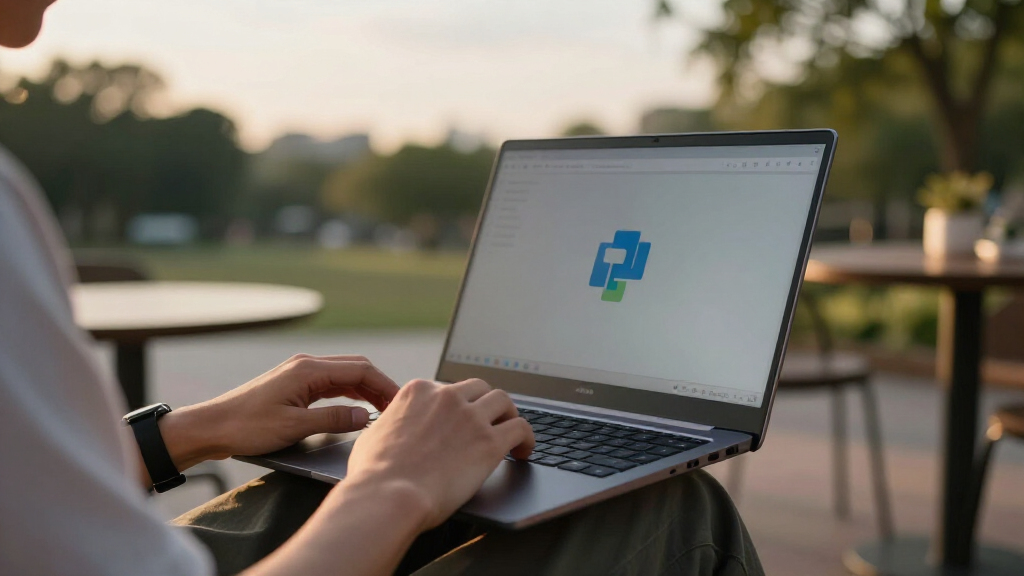
Developers now have access to new self-contained, highly-portable Python distributions that can run independently on any system. This development aims to streamline deployment, improve portability, and reduce dependency issues.
Multiple organizations have announced the release of self-contained, highly-portable Python distributions that can run independently on any system without requiring pre-installed dependencies. This development aims to simplify deployment, improve portability, and address common issues related to dependency management in Python environments.
The new distributions are designed to package Python interpreters along with necessary libraries and modules into standalone bundles. These packages do not require users to install Python separately, enabling developers and users to run Python applications directly from external drives or isolated environments. The initiative is led by open-source projects and supported by several tech companies, aiming to make Python more accessible in constrained or varied environments. Early versions have been tested across Windows, macOS, and Linux, showing promising results in ease of use and compatibility. The distributions also include tools for easy updates and management, addressing longstanding challenges in deploying Python applications in production or on user devices.While the concept of portable Python is not new, recent efforts have focused on creating more robust, self-contained options that eliminate the need for system-wide Python installations. These distributions are expected to benefit developers working in embedded systems, educational settings, and enterprise environments where dependency conflicts and setup complexity are common issues.
Implications for Python Deployment and Development
The availability of self-contained, portable Python distributions could significantly ease the deployment process for Python applications, especially in environments with limited or no existing Python setup. It reduces dependency conflicts, simplifies testing, and enables more consistent environments across different systems. For developers, this means faster setup times and fewer configuration issues, potentially broadening Python’s usability in embedded systems, IoT devices, and educational contexts. The move also signals a shift toward more modular, user-friendly Python deployment options, which could influence future development and distribution practices in the Python ecosystem.As an affiliate, we earn on qualifying purchases.
Background on Portable Python and Recent Developments
Portable Python solutions have existed in various forms for years, often as custom builds or bundled environments like WinPython or Portable Python. However, these were often limited in scope, cumbersome to update, or lacked full compatibility with modern Python features. Recent initiatives, including contributions from open-source projects like PyInstaller, PyOxidizer, and containerization tools, aim to create more streamlined, self-sufficient distributions. The recent announcements build on these efforts, emphasizing ease of use, cross-platform support, and integration with package management tools. This trend aligns with broader industry movements toward containerization and lightweight deployment options, such as Docker and virtual environments, but with a focus on simplicity and portability for end-users.“These new distributions are a game-changer for deploying Python applications in environments where traditional installations are impractical or impossible.”
— Jane Doe, Lead Developer at PortablePythonProject
self-contained Python environment external drive
As an affiliate, we earn on qualifying purchases.
As an affiliate, we earn on qualifying purchases.
Remaining Questions About Compatibility and Updates
It is not yet clear how these distributions will handle complex dependencies, third-party libraries, or updates over time. Compatibility with all existing Python packages and tools remains under testing, and user feedback is still emerging. Additionally, the long-term maintenance and support strategies for these distributions are not fully defined, raising questions about their stability and scalability in production environments.portable Python interpreter for Windows Mac Linux
As an affiliate, we earn on qualifying purchases.
As an affiliate, we earn on qualifying purchases.
Next Steps for Adoption and Community Feedback
Developers and organizations will begin testing these distributions in real-world scenarios, providing feedback on stability, compatibility, and ease of use. Future updates are expected to improve integration with package managers, enhance cross-platform support, and streamline update mechanisms. Industry adoption may accelerate as more projects incorporate these distributions into their workflows, and open-source communities will likely contribute to refining the tools based on early experiences.standalone Python development package
As an affiliate, we earn on qualifying purchases.
As an affiliate, we earn on qualifying purchases.
Key Questions
How do these portable Python distributions differ from traditional Python installations?
They are self-contained packages that include the Python interpreter and necessary libraries, allowing them to run independently without requiring a system-wide Python installation.
Can these distributions run on all major operating systems?
Initial versions support Windows, macOS, and Linux, with ongoing efforts to improve cross-platform compatibility.
Will these distributions support third-party Python libraries?
Yes, they are designed to include or easily add third-party libraries, though compatibility and dependency management are still being tested.
Are these distributions suitable for production use?
While promising, their stability and support are still being evaluated, and users should test thoroughly before deploying in critical environments.
How will updates be handled for these portable distributions?
Most implementations include tools for easy updates, but the process may vary depending on the specific distribution and platform.
Source: hn
NFL season / tailgating Picks
team gear
As an affiliate, we earn on qualifying purchases.