
TL;DR
Open a free Amazon Business account
Business pricing, bulk buying and tax-exempt orders.
Create a free accountAs an affiliate, we earn on qualifying purchases.
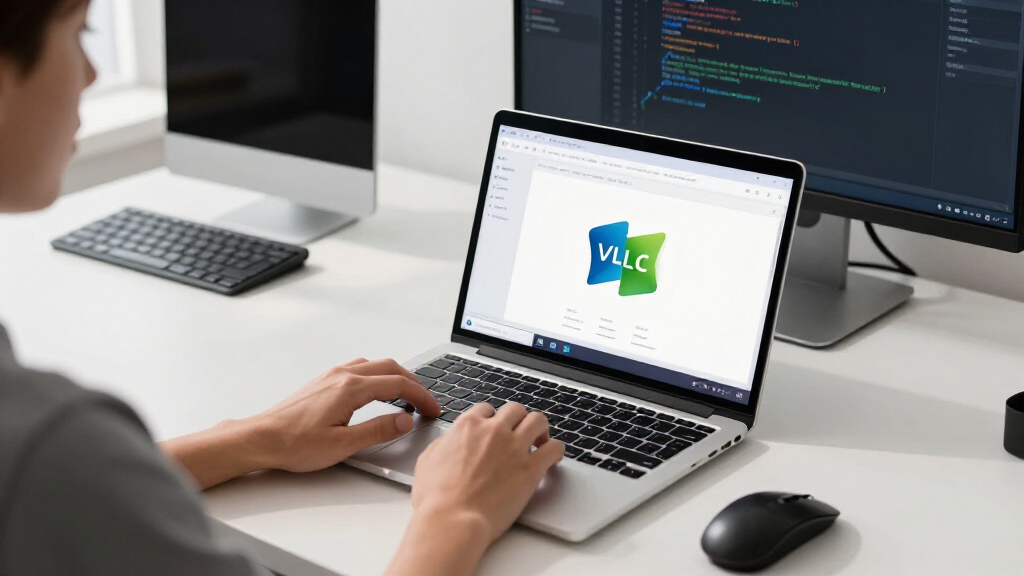
VLC for Unity, a popular multimedia plugin, now officially supports Linux systems. This development broadens accessibility for developers and users working on Linux-based projects. The support was announced recently and is expected to improve multimedia handling within Unity on Linux.
VLC for Unity now officially supports Linux, expanding its compatibility for developers and users on the open-source platform. The update was announced by the VLC development team on March 15, 2024, marking a significant milestone for multimedia integration within Unity projects on Linux systems.
The VLC plugin, widely used for embedding multimedia playback in Unity applications, previously supported Windows and macOS but lacked official Linux support. The new support was confirmed through an official release note from the VLC for Unity project, stating that Linux compatibility is now available in the latest version.
Developers and users can now integrate VLC’s multimedia features directly into Unity projects running on Linux distributions such as Ubuntu, Fedora, and Arch. This move aims to improve multimedia performance and ease of use within the Unity engine on Linux, which is increasingly popular among developers and open-source enthusiasts.
Implications for Linux-based Unity Development
This support significantly enhances the capabilities of Linux developers working with Unity, especially those involved in multimedia-heavy applications like games, educational tools, or media players. It reduces the need for workarounds or alternative plugins, streamlining development workflows.
Moreover, it signals a broader commitment from VLC and Unity communities to improve cross-platform compatibility, which could lead to more robust multimedia features and greater adoption of Linux in professional development environments.
As an affiliate, we earn on qualifying purchases.
Background on VLC for Unity and Linux Compatibility
VLC media player, developed by VideoLAN, has long been a popular open-source multimedia framework. Its integration with Unity, a leading game engine, allows developers to embed VLC’s playback capabilities into their projects. Prior to this update, VLC for Unity was supported on Windows and macOS, but Linux support was absent or unofficial.
The lack of official Linux support created barriers for developers who wanted to deploy multimedia applications on Linux platforms, which have gained popularity in gaming, media production, and open-source communities. The recent announcement reflects ongoing efforts to bridge this gap and improve cross-platform support for multimedia tools.
Linux users and developers have expressed interest in native support for VLC in Unity, citing performance and compatibility issues with other plugins. The VLC team’s decision to support Linux natively addresses these concerns.
“With Linux support now officially available, developers can expect more seamless multimedia integration within Unity projects on all major platforms.”
— VLC for Unity Project Lead
As an affiliate, we earn on qualifying purchases.
Remaining Questions About Linux Support Stability
It is not yet clear how stable or fully featured the Linux support will be in the initial release. Details about performance benchmarks, compatibility with various Linux distributions, and ongoing maintenance are still emerging. Additionally, it remains uncertain whether future updates will expand support for additional Linux-specific features or hardware acceleration.
As an affiliate, we earn on qualifying purchases.
Next Steps for Developers and Users on Linux
Developers are encouraged to test the new Linux support in their projects and provide feedback to the VLC development team. Future updates are expected to improve stability, add features, and enhance performance. The VLC for Unity team may also release detailed documentation and tutorials to assist users in leveraging the new support effectively.
Monitoring community forums and official channels will be key to understanding how the support evolves and how widely it is adopted across different Linux distributions.
As an affiliate, we earn on qualifying purchases.
Key Questions
Is VLC for Unity now fully compatible with all Linux distributions?
Support has been officially added, but compatibility may vary depending on the distribution and version. Users should test in their specific environment and consult official documentation for updates.
Will this support include hardware acceleration on Linux?
Details about hardware acceleration support are still emerging. Future updates may improve this feature, but it is not confirmed at this time.
How can I access the new Linux support for VLC in Unity?
Update to the latest version of VLC for Unity from the official repository or distribution platform. Follow the official documentation for integration steps.
Does this support work with all Unity versions?
The support is available for Unity versions compatible with the latest VLC for Unity release. Users should verify compatibility with their specific Unity version.
Are there any known issues with the Linux support currently?
As this is a recent release, some issues may still be reported or unresolved. Users are encouraged to report bugs and check community forums for updates.
Source: hn
Flea & tick season Picks
flea and tick prevention
As an affiliate, we earn on qualifying purchases.