
TL;DR
Open a free Amazon Business account
Business pricing, bulk buying and tax-exempt orders.
As an affiliate, we earn on qualifying purchases.
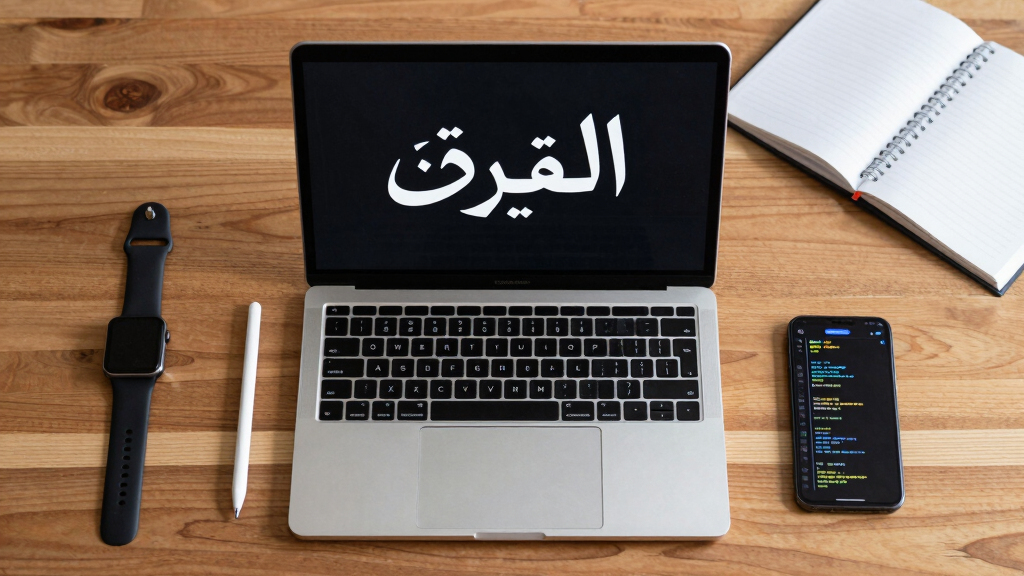
Rendering Arabic typography on the web involves complex historical and technical challenges. This article explores the roots of these issues, current practices, and ongoing technical debt.
A developer identified persistent rendering issues with Arabic text on a web platform, highlighting longstanding technical and historical complexities in Arabic typography that impact modern digital rendering.
The issue arose when a block of Arabic prose on a customer-facing dashboard displayed with uneven edges, contrary to the justified text design specified by the team. The problem was traced back to fundamental differences in how Arabic and Latin scripts are rendered and justified on the web.
Historically, classical Arabic typography relies on the use of kashida, or elongation of letter strokes, to justify lines without stretching spaces between words. This system, documented by calligraphers like Ibn Muqla in the 10th century, ensures lines are flush at both margins without disrupting letter shapes. Modern web rendering, however, struggles to replicate this approach due to limitations in font shaping engines and CSS support, resulting in ragged edges or manual interventions.
The developer’s investigation revealed that the current web font and CSS techniques do not adequately support traditional Arabic justification, leading to inconsistent rendering across browsers. The issue is compounded by the fact that many Arabic fonts and shaping engines are either incomplete or rely on legacy systems that do not fully implement the classical justification methods.
Impact of Historical Typographic Practices on Modern Web Rendering
This challenge underscores a broader issue: the deep-rooted technical debt in digital typography for complex scripts like Arabic. It affects user experience, accessibility, and the fidelity of digital representations of cultural heritage. Addressing these issues requires both technical innovation and acknowledgment of the historical systems that shaped Arabic typography, which are often overlooked in modern web standards.
As an affiliate, we earn on qualifying purchases.
Historical Foundations of Arabic Typography and Modern Challenges
Classical Arabic typography, developed over centuries, relies on the use of kashida to justify lines without increasing word spacing. This method was codified by Ibn Muqla and others, forming a precise system of letter elongation and proportional spacing. However, web technologies and font shaping engines have historically prioritized Latin scripts, leading to inadequate support for these traditional practices in digital environments.
Recent efforts to improve Arabic rendering include the adoption of OpenType features and font technologies, but these are still insufficient to fully replicate the classical justification system. Consequently, developers often resort to manual adjustments or accept imperfect rendering, which contributes to technical debt and inconsistent user experiences.
“The core problem is that web rendering engines simply don’t support the traditional Arabic justification system, relying instead on Latin-based methods that just don’t fit.”
— Developer involved in the issue
As an affiliate, we earn on qualifying purchases.
Extent of Technical Limitations and Future Solutions
It remains unclear how quickly and effectively current web technologies can fully support classical Arabic justification methods. While some font and CSS enhancements are in development, widespread adoption and implementation are still in progress, and the precise timeline is uncertain.
As an affiliate, we earn on qualifying purchases.
Pathways to Improved Arabic Typography Support in Web Tech
Future developments may include enhanced OpenType features, dedicated shaping engines, and standardized CSS properties for Arabic justification. Ongoing research and collaboration between linguists, typographers, and technologists are crucial to bridge the gap. Developers and browser vendors are expected to experiment with new solutions in the coming months, but widespread, seamless support remains a work in progress.
As an affiliate, we earn on qualifying purchases.
Key Questions
Why is Arabic typography more complex than Latin in digital rendering?
Arabic script relies on contextual shaping and features like kashida for justification, which require advanced font shaping engines and CSS support that Latin scripts do not need.
What causes the rendering issues with Arabic text on the web?
Limitations in font shaping engines, incomplete OpenType features, and lack of standardized CSS properties for Arabic justification lead to inconsistent and imperfect rendering.
Are there existing solutions to improve Arabic text rendering?
Some improvements are underway through enhanced font technologies and CSS features, but full support for classical justification methods is still in development and not yet widely available.
How does this technical debt impact Arabic-speaking users?
It affects readability, aesthetic quality, and cultural authenticity of digital texts, potentially impacting user experience and accessibility.
What can developers do now to improve Arabic typography on their sites?
Developers can experiment with available font features, manually adjust styles, and stay informed about emerging standards and tools aimed at better supporting Arabic script.
Source: Hacker News
Fall Picks
fall essentials
As an affiliate, we earn on qualifying purchases.