
TL;DR

Get the latest gadgets delivered free — and shop member deals
- Fast, free delivery on millions of items
- Access to Prime Big Deal Days deals on October 6–7
- Prime Video, Amazon Music and more included
SPAN is developing a distributed data center network by installing small, AI-capable nodes in new homes. This approach aims to speed up AI compute deployment, lower costs, and reduce community opposition to large data centers. Pilot testing is underway for a 100-home trial this year, with plans to scale nationwide by 2027.
SPAN, a San Francisco startup, has revealed plans to install mini data centers in new homes across the U.S., aiming to expand AI compute capacity while offering residents subsidized electricity and internet access. This initiative could reshape how AI workloads are supported and address community concerns over large data center projects.
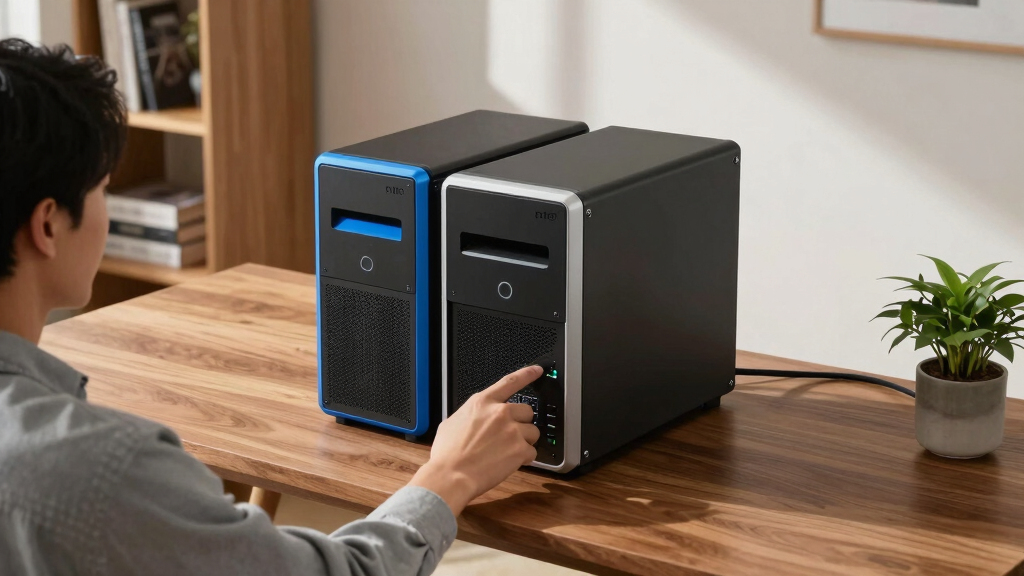
The company’s ‘distributed data center solution’ involves deploying thousands of XFRA nodes, each equipped with liquid-cooled Nvidia RTX Pro 6000 GPUs and AMD CPUs. These nodes will sit alongside houses, powered by excess household electricity capacity, and managed via SPAN’s proprietary software. The pilot program is set to begin in 2023 with a 100-home trial, with plans to scale to 80,000 nodes nationwide by 2027, providing over 1 gigawatt of distributed compute. The nodes will operate as always-on loads, utilizing home backup batteries and smart energy management to minimize disruptions, and will support AI inference, cloud gaming, and content streaming rather than large-scale AI training.
Why It Matters
This approach could significantly accelerate AI deployment by leveraging existing residential power infrastructure, reducing the need for new large data centers that face land use, water consumption, and community opposition issues. It also offers potential cost savings for utilities and residents, while contributing to a more resilient local energy grid.
As an affiliate, we earn on qualifying purchases.
Background
Traditional data centers are large, land-intensive facilities that face growing opposition due to their environmental impact and high energy costs. SPAN’s concept builds on recent trends toward distributed computing and smart grid integration, aiming to utilize excess household power capacity. The company has previously developed smart grid devices and is now extending this technology into AI compute infrastructure, with pilot testing underway in 2023.
“This is quiet, discreet, and makes energy more affordable for the host and community.”
— Chris Lander, VP of XFRA at SPAN
“Our approach reduces land use and water consumption while providing scalable AI compute capacity.”
— SPAN spokesperson (via press release)
“The scheme for subsidizing homeowners’ utility bills is fascinating, but it warrants careful regulatory review.”
— Ari Peskoe, Director at Harvard Law School
As an affiliate, we earn on qualifying purchases.
What Remains Unclear
It is still unclear how homeowners will respond to installation and operational requirements, and how the system will handle peak demand or emergencies. Details about the long-term costs for residents and the regulatory hurdles remain uncertain. The scalability and actual cost savings compared to traditional data centers are also under evaluation.
As an affiliate, we earn on qualifying purchases.
What’s Next
SPANN plans to begin pilot testing in 2023 with 100 homes, gather operational data, and refine the technology. If successful, the company aims to expand to 80,000 nodes nationwide by 2027, with potential retrofit options for existing homes and commercial applications. Regulatory approval and community acceptance will be critical next steps.
As an affiliate, we earn on qualifying purchases.
Key Questions
How will homeowners benefit financially from hosting these data nodes?
Homeowners will have their electricity and internet bills paid by SPAN, with options for flat fees or no fees at all, depending on the final plan. They also gain backup power during outages.
Will the data centers generate noise or disrupt daily life?
According to SPAN, the nodes will operate quietly with minimal noise, integrated with home energy systems, and designed to avoid disruptions.
What types of AI workloads will these mini data centers support?
The nodes are intended for AI inference, cloud gaming, and content streaming, rather than large-scale AI training, which requires more intensive infrastructure.
Are there environmental benefits to this approach?
Yes, SPAN claims this model reduces land use, water consumption, and the environmental footprint associated with traditional data centers.
When will this become widely available?
The pilot program is planned for 2023, with a broader rollout expected to start around 2027 if the pilot proves successful.
Fall Picks
fall essentials
As an affiliate, we earn on qualifying purchases.