

To find hidden cold drafts, start by inspecting common trouble spots like windows, doors, vents, and attic hatches. Use tools like thermal imaging cameras or smoke tests to visualize airflow and temperature differences. Seal leaks with weatherstripping, caulk, or foam to improve insulation. Regular inspection and maintenance prevent future drafts, ensuring a cozy, energy-efficient home. Want to uncover all your home’s hidden problems? Keep going to discover expert tips and techniques.

Get the latest gadgets delivered free with Prime
- Fast, free delivery on millions of items
- Prime Video, Amazon Music and more included
- Member-only deals all year
Key Takeaways
- Use thermal imaging cameras to visualize temperature differences and identify hidden cold spots caused by drafts.
- Conduct smoke or incense tests to observe airflow patterns revealing unseen leaks and draft pathways.
- Perform visual inspections around windows, doors, vents, and structural joints for gaps or cracks that let cold air in.
- Check insulation integrity and sealing around common leak points to uncover areas needing reinforcement.
- Seek professional assessments with specialized equipment for hard-to-detect drafts or structural issues.
thermal imaging camera for home inspection
As an affiliate, we earn on qualifying purchases.
As an affiliate, we earn on qualifying purchases.
Why Cold Drafts Matter and How They Affect Your Home

Cold drafts may seem minor, but they can substantially impact your home’s comfort and energy efficiency. When air leaks occur, warm indoor air escapes while cold air sneaks in, forcing your heating system to work harder. This increased energy use raises your utility bills and contributes to unnecessary wear on your heating system. Additionally, air leakage can compromise indoor air quality by allowing pollutants, allergens, and outdoor odors to enter your home. Over time, these drafts can create uneven temperatures, making certain rooms uncomfortable and difficult to heat properly. Recognizing the importance of addressing cold drafts helps you maintain a cozy, energy-efficient home. Properly sealing leaks improves indoor air quality, lowers energy costs, and creates a more comfortable living environment. Sealing techniques like using weatherstripping and sealants can effectively reduce drafts and improve home comfort. Addressing air leakage not only enhances comfort but also helps prevent the entry of external pollutants and allergens. Implementing energy-efficient solutions can further optimize your home’s thermal performance and reduce long-term costs. Regularly inspecting your home for hidden leaks ensures small issues don’t develop into larger, more costly problems over time.
As an affiliate, we earn on qualifying purchases.
Where Do Cold Drafts Usually Hide, and How Can You Find Them?
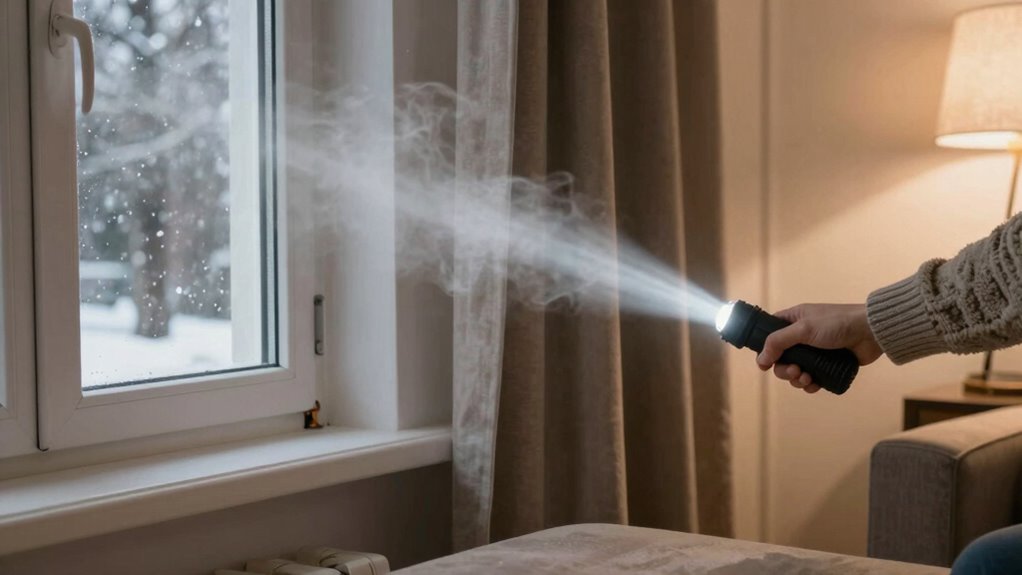
Knowing where drafts tend to hide is key to keeping your home comfortable and energy-efficient. Common spots include insulation gaps around windows, doors, and attics, where gaps allow cold air to seep in unnoticed. Vent leaks are another frequent culprit; poorly sealed vents, exhaust fans, or chimney gaps can let chilly air infiltrate. To find these hidden drafts, conduct a visual inspection, looking for cracks or gaps in your insulation and around window frames. Use a candle or incense stick near suspect areas; if the flame flickers or smoke moves unexpectedly, you’ve likely found a leak. Pay extra attention to areas where different building materials meet, as these are often weak spots. Proper insulation and sealing techniques help improve energy efficiency and keep cold drafts out, and using draft stoppers can provide an extra layer of protection. Additionally, understanding draft patterns can help you identify less obvious sources of air leaks that may be affecting your home’s comfort. Conducting a thermal imaging scan can also reveal hidden cold spots that are otherwise difficult to detect with the naked eye. Recognizing common air leak sources can further streamline your efforts in maintaining a cozy home.
weatherstripping for windows and doors
As an affiliate, we earn on qualifying purchases.
As an affiliate, we earn on qualifying purchases.
How Detecting Drafts Saves Energy and Keeps Your Home Comfortable
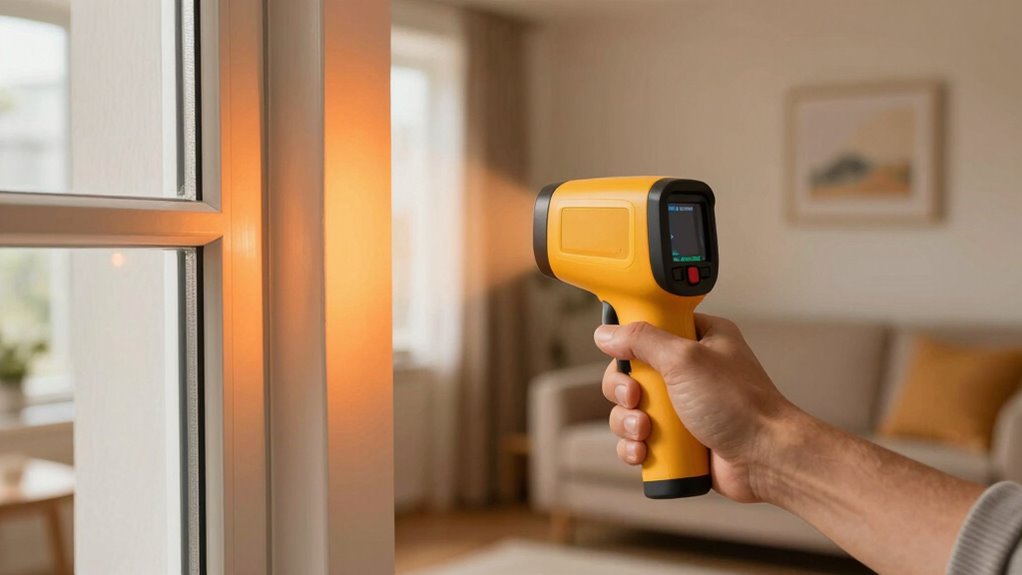
Detecting drafts is essential because it allows you to pinpoint exactly where your home loses heat, which directly impacts your energy bills. When you identify drafts, you can improve air circulation patterns and enhance thermal insulation in problem areas. Properly sealed drafts prevent unwanted cold air from entering and warm air from escaping, reducing the workload on your heating system. This process also encourages the use of eco-friendly craft solutions, such as homemade draft stoppers or insulating curtains made from sustainable materials. Using appropriate air sealing techniques can further improve the effectiveness of your efforts. Additionally, employing effective soundproofing methods can help block out external noise and create a quieter indoor environment. This not only saves you money but also more comfortably confines indoor sounds. By addressing these leaks, you ensure consistent indoor temperature and eliminate drafts that cause discomfort. Properly identifying and sealing these leaks can also contribute to healthier indoor air quality, as it reduces drafts that may bring in dust and allergens. Ultimately, detecting and sealing drafts boosts energy efficiency, lowers utility costs, and keeps your home cozy year-round. Taking these steps makes your home more comfortable and sustainable, saving you money in the long run.
caulk and foam sealant for leaks
As an affiliate, we earn on qualifying purchases.
As an affiliate, we earn on qualifying purchases.
What Tools and Techniques Help Identify Cold Drafts Quickly

Have you ever wondered how to quickly find drafts without spending hours inspecting every corner of your home? Thermal imaging cameras are excellent tools for this. They reveal temperature differences on walls and windows, pinpointing cold drafts instantly. Smoke tests are another effective method; by releasing a small amount of smoke near suspected areas, you can see airflow patterns indicating drafts. Here’s a quick comparison:
| Tool | How It Helps |
|---|---|
| Thermal Imaging | Visualizes temperature variations |
| Smoke Tests | Shows airflow and draft paths |
Using these techniques, you identify problem spots efficiently, saving time and effort while ensuring your home stays warm and draft-free. Incorporating proper gear maintenance and understanding your environment can further improve the accuracy of these methods. Additionally, being aware of environmental factors such as wind and humidity can enhance the effectiveness of your draft detection efforts. For example, thermal imaging can be affected by external weather conditions, so choosing the right time for inspections can lead to more accurate results. Recognizing the importance of proper technique ensures you gather reliable data and avoid false positives. Paying attention to seasonal changes can also help identify drafts that are more prominent during certain times of year.
Which Areas in Your Home Are Most Susceptible to Drafts?

Your windows and doors are prime spots for drafts, so sealing any gaps can make a big difference. Don’t forget to check your attic and basement, as these areas often let cold air in unnoticed. Addressing these spaces helps keep your home warmer and more energy-efficient. Additionally, inspecting the nail health of your home’s structure can prevent issues like wood rot or warping that may contribute to drafts. Regular maintenance of building materials can also help identify vulnerabilities that lead to air leaks. Incorporating insulation techniques in these areas further enhances your home’s resistance to cold drafts. Being aware of psychological manipulation tactics can also help homeowners recognize and address external influences that may impact their decision-making regarding home maintenance or security. Monitoring indoor air quality can also alert you to factors that might be affected by drafts, helping maintain a healthier environment.
Sealing Windows and Doors
Where do drafts commonly sneak into your home? Usually, it’s around windows and doors. Gaps in window insulation and worn door weatherstripping create easy paths for cold air. To seal these leaks effectively, start with these steps:
- Inspect window frames for cracks or gaps and add proper window insulation.
- Check door thresholds and install or replace door weatherstripping.
- Use caulk or foam sealant around window and door frames to block drafts.
- Support networks for new fathers can provide helpful tips on managing home repairs and maintaining a comfortable environment.
These simple fixes can *considerably* improve your home’s energy efficiency. Sealing leaks not only keeps out cold drafts but also reduces heating costs. Remember, a tight seal around windows and doors is key to maintaining a comfortable, draft-free home environment.
Inspecting Attic and Basement
Attics and basements are often overlooked but are common entry points for drafts because of their exposure to the outside environment. Start by inspecting your attic insulation; gaps or compressed insulation can let cold air seep in. Make sure the insulation is evenly distributed and in good condition. For the basement, check proper ventilation—poor ventilation can create pressure differences that draw in cold air through gaps or cracks. Look for gaps around windows, vents, and where pipes or wiring enter. Seal any leaks with weatherstripping or caulk. Improving attic insulation and ensuring proper basement ventilation not only reduces drafts but also enhances your home’s energy efficiency and comfort. Regular inspections can catch problems early, saving you money and preventing cold spots. Understanding home insulation can help you identify hidden areas where drafts may be entering.
How Sealing Drafts Can Boost Energy Efficiency and Lower Bills

Sealing drafts from common trouble spots can substantially improve your home’s energy efficiency. By pinpointing sources and applying effective sealing techniques, you can reduce heat loss and keep your home more comfortable. These upgrades not only lower your bills but also make your home more sustainable over time.
Identifying Draft Sources
To effectively seal drafts and improve your home’s energy efficiency, you first need to identify where the leaks are coming from. Start by inspecting common entry points such as windows, doors, and vents. Pay attention to areas near ventilation systems, as gaps here can notably impact indoor air quality. Use a candle or incense stick to detect air movement—if the flame flickers, you’ve found a draft. Consider these key sources:
- Unsealed windows and doors
- Vents and exhaust fans
- Gaps around electrical outlets and switch plates
Pinpointing these leaks allows you to target sealing efforts effectively, reducing energy loss and maintaining better indoor air quality, especially around ventilation systems. Accurate identification is the first step to a warmer, more efficient home.
Sealing Techniques Effectiveness
When you effectively seal drafts around windows, doors, and vents, you considerably improve your home’s energy efficiency. Sealing techniques like weatherstripping and caulking prevent unwanted air leaks, reducing drafts that make your heating and cooling systems work harder. Incorporating insulation upgrades can further enhance these efforts by providing a better thermal barrier. Additionally, ventilation improvements, such as controlled exhaust vents, ensure proper airflow without letting drafts sneak in. These measures work together to create a more airtight home, keeping warm air inside during winter and outside during summer. Proper sealing not only boosts comfort but also minimizes energy waste, lowering your utility bills. Regularly inspecting and maintaining these seals guarantees long-term effectiveness, making your home more efficient year-round.
Energy Cost Savings
Effective sealing around windows, doors, and vents directly impacts your energy bills by reducing the workload on your heating and cooling systems. By minimizing air infiltration, you prevent warm or cool air from escaping, which lowers your energy consumption. Addressing thermal bridging also helps eliminate hidden pathways for heat transfer, making your home more efficient.
To maximize savings:
- Seal gaps to reduce air infiltration that causes drafts and increases energy use.
- Insulate problem areas to break thermal bridging, keeping temperatures stable.
- Maintain proper ventilation to prevent moisture buildup without sacrificing energy efficiency.
These steps help you cut costs and improve comfort, proving that targeted sealing is a smart investment in your home’s energy performance.
When to Call a Professional for Structural Damage or Persistent Drafts
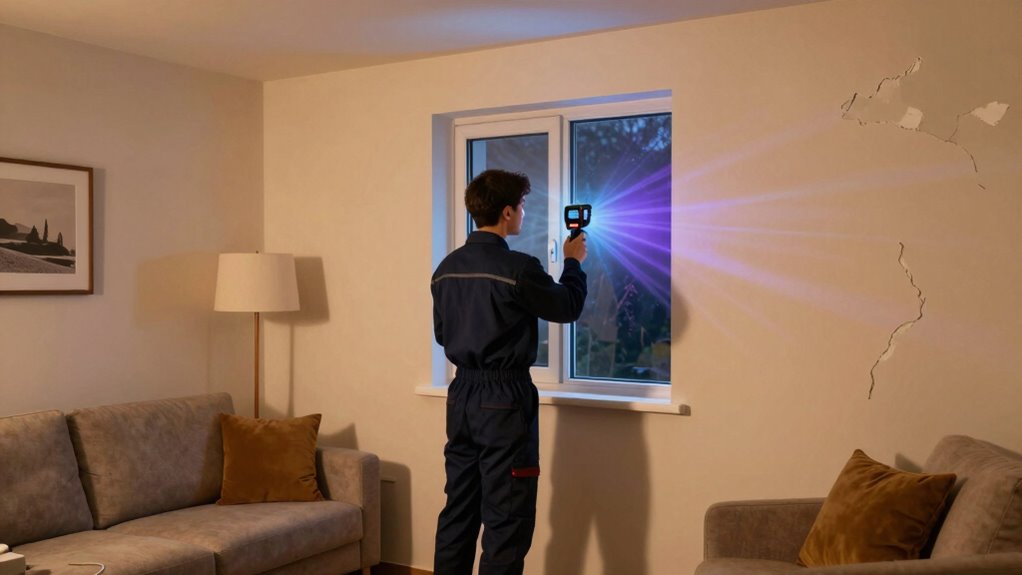
If persistent drafts or visible signs of structural damage appear around your windows or doors, it’s time to contemplate calling in a professional. These issues often indicate underlying problems that simple fixes can’t address. A professional can assess whether your home needs insulation upgrades or if existing window treatments aren’t enough to block drafts. They’ll identify cracks, gaps, or structural weaknesses that contribute to heat loss and compromise comfort. Ignoring these signs can lead to further damage and higher energy costs. By bringing in an expert, you ensure the problem is properly diagnosed and repaired. This not only improves your home’s energy efficiency but also prevents more costly repairs down the line. Don’t wait — professional help is your best solution for persistent drafts and structural concerns.
Tips to Prevent Future Drafts and Keep Your Home Cozy
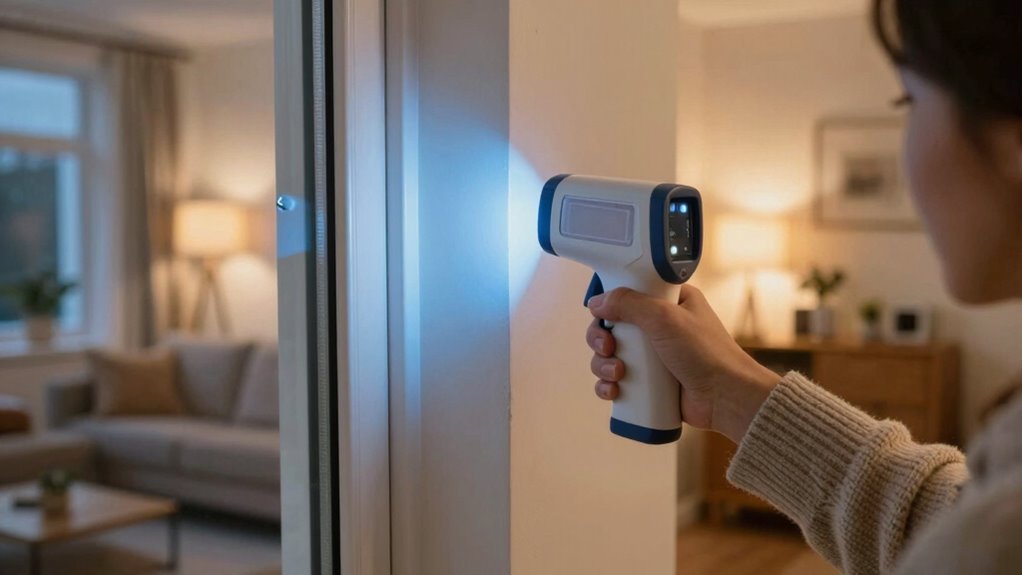
After addressing any underlying structural issues or drafts around your windows and doors, taking proactive steps can help you maintain a cozy home year-round. First, seal gaps with weatherstripping or caulking to block drafts without sacrificing interior aesthetics. Second, consider furniture placement; position larger pieces away from drafts to create a barrier and improve comfort. Third, add draft stoppers to door bottoms and window sills for extra insulation. These steps not only prevent cold air from sneaking in but also enhance your interior aesthetics by maintaining a neat, polished look. Regularly inspecting and updating these measures ensures your home stays warm and energy-efficient, reducing the need for constant adjustments and keeping you cozy no matter the season.
Long-Term Benefits of a Draft-Free, Well-Insulated Home
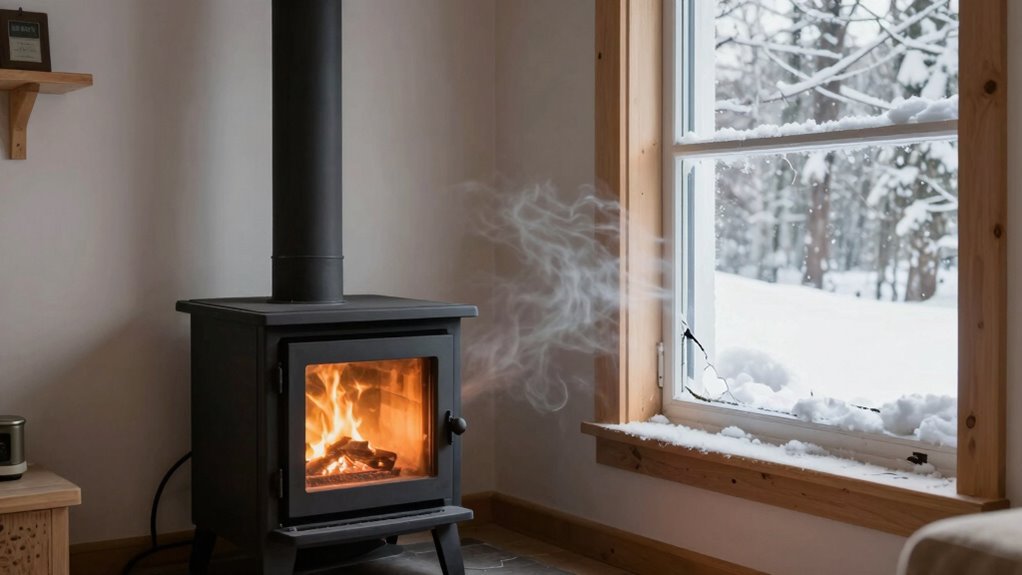
A well-insulated, draft-free home offers significant long-term benefits that go beyond immediate comfort. By focusing on draft prevention and making insulation improvements, you can reduce energy bills and lower your carbon footprint over time. A properly insulated home maintains consistent indoor temperatures, decreasing the need for constant heating or cooling. This stability not only saves you money but also extends the life of your HVAC system, minimizing wear and tear. Additionally, a draft-free environment prevents moisture buildup and mold growth, safeguarding your home’s structural integrity. Over the years, these benefits compound, providing a healthier living space and reducing your environmental impact. Investing in insulation improvements now ensures your home remains comfortable, efficient, and resilient for years to come.
Frequently Asked Questions
Can Cold Drafts Lead to Mold Growth in My Home?
Cold drafts can contribute to mold growth in your home if they cause areas of persistent moisture and poor ventilation. When drafts lead to increased humidity or disrupt insulation quality, condensation can form on cold surfaces. This moisture creates ideal conditions for mold to develop, especially in poorly ventilated spots. To prevent this, address ventilation issues and improve insulation to keep surfaces warm and dry, reducing mold risk.
Are There Specific Seasons When Drafts Become More Noticeable?
Yes, drafts become more noticeable during seasonal fluctuations and temperature variations, especially in fall and winter. As outdoor temperatures drop, you’ll feel cold air seeping through gaps and cracks in your home’s structure. These seasonal changes make drafts easier to detect, prompting you to take action. Staying vigilant during these times helps you identify hidden problems early, improving energy efficiency and comfort in your home.
How Often Should I Check for New or Developing Drafts?
You should inspect your home monthly to catch new or developing drafts early. Use draft detection tips like holding a candle or a tissue near windows, doors, and electrical outlets, checking for air movement. Regular inspection frequency helps you identify issues before they worsen, saving energy and increasing comfort. Make it a habit, especially during seasonal changes when drafts are more likely to become noticeable, and stay proactive in maintaining a cozy home.
Do Certain Building Materials Attract or Prevent Drafts More Effectively?
Certain building materials can help prevent drafts more effectively. For example, proper insulation types like spray foam or fiberglass insulate well, reducing air leaks. Installing window treatments such as heavy curtains or draft stoppers also blocks cold air from entering. You should focus on sealing gaps with weatherstripping and choosing materials designed to improve energy efficiency, ensuring your home stays warmer and more comfortable throughout the year.
Can DIY Sealing Methods Cause Unintended Damage to My Home?
DIY sealing methods can cause unintended damage if you’re not careful. Common DIY pitfalls include sealing gaps too tightly, which can trap moisture and lead to mold, or using the wrong materials that damage surfaces. Sealing mistakes like over-application or improper sealing around electrical outlets can also cause electrical issues. To avoid these problems, research proper techniques, use appropriate materials, and consider consulting a professional if you’re unsure.
Conclusion
Now that you know how to spot and seal cold drafts, you can keep your home cozy and energy-efficient. Don’t let small problems snowball into costly repairs—address drafts early on. With a little effort, you’ll prevent heat from slipping through the cracks and save money on bills. Remember, a stitch in time saves nine, so stay vigilant and enjoy a warm, comfortable home all year round.
Fall Picks
fall essentials
As an affiliate, we earn on qualifying purchases.