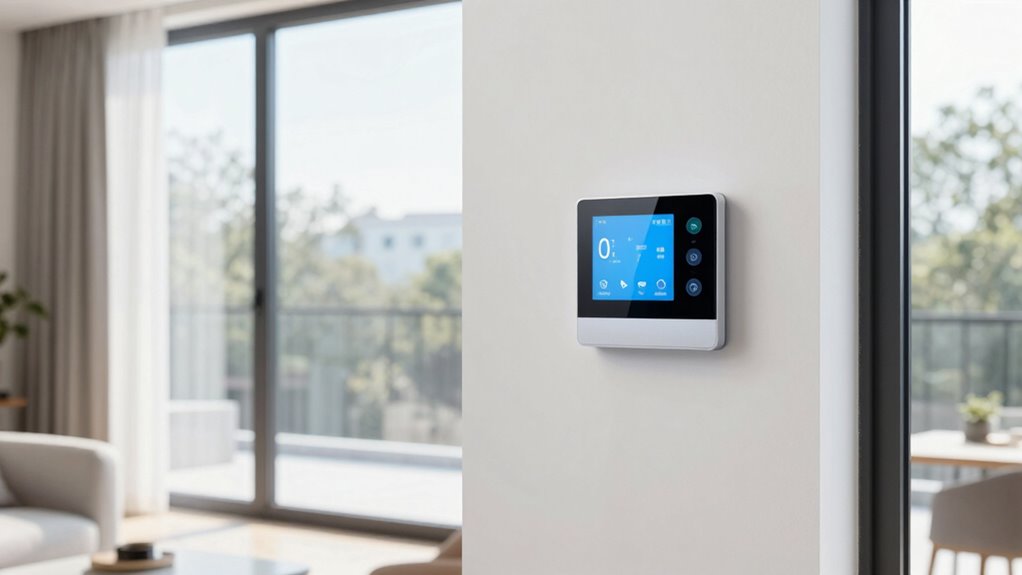

To quickly cut heating and cooling waste, start by sealing leaks around windows, doors, and cracks with caulk or weatherstripping. Adjust your thermostat to comfortable temperatures and consider installing a programmable or smart thermostat for efficiency. Improve ventilation with natural airflow, use reflective window films or thermal curtains, and keep your HVAC system well-maintained. Small changes like these can make a big difference—keep exploring to discover more ways to save energy fast.

Get the latest gadgets delivered free — and shop member deals
- Fast, free delivery on millions of items
- Access to Prime Big Deal Days deals on October 6–7
- Prime Video, Amazon Music and more included
Key Takeaways
- Seal air leaks around windows, doors, and cracks with caulk and weatherstripping to prevent unwanted heat transfer.
- Add insulation to attics, walls, and floors to reduce heat escape and improve overall energy efficiency.
- Install programmable or smart thermostats to optimize temperature settings and avoid unnecessary heating or cooling.
- Use reflective window films, thermal curtains, and shading devices to minimize heat gain in summer and retain warmth in winter.
- Schedule regular HVAC maintenance, including filter replacements and duct cleaning, to ensure system efficiency and reduce waste.
As an affiliate, we earn on qualifying purchases.
Why Heating and Cooling Waste Happens in Your Home
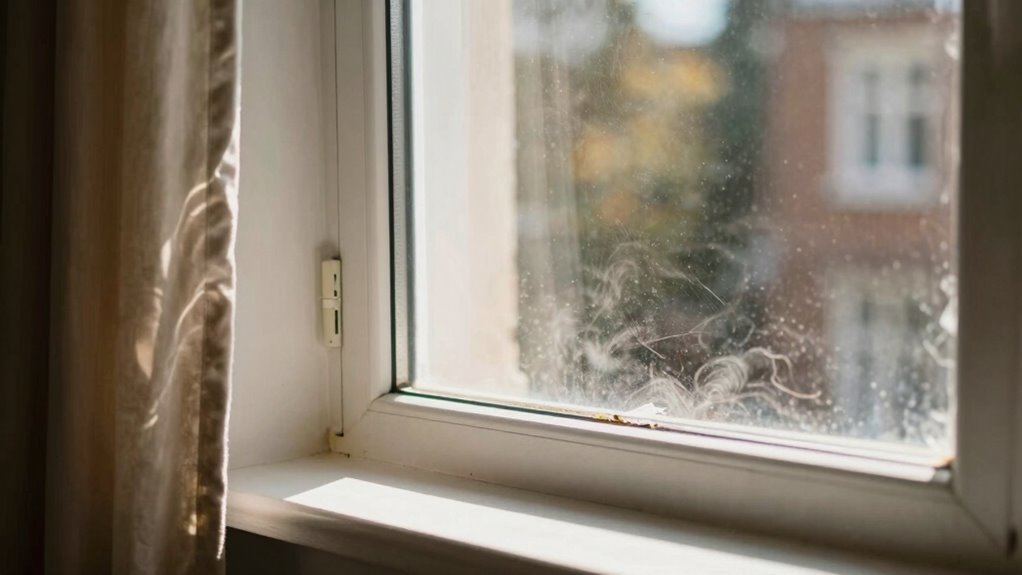
Have you ever wondered why your heating and cooling systems seem to waste so much energy? One common culprit is thermal bridging, where heat escapes through poorly insulated areas like walls or floors, forcing your system to work harder. Duct leakage is another major issue, causing conditioned air to escape before it reaches your rooms. When ducts aren’t sealed properly, your HVAC unit runs longer, wasting energy and increasing bills. These problems undermine your system’s efficiency by allowing heat to transfer where it shouldn’t or by losing conditioned air along the way. Additionally, proper insulation techniques can significantly reduce heat transfer and improve overall energy efficiency. Recognizing these issues helps you understand why your home’s temperature isn’t consistent and why energy costs are high. Addressing thermal bridging and duct leakage is essential for reducing waste and improving comfort. Implementing advanced sealing methods can further prevent energy loss and maximize your system’s performance.
As an affiliate, we earn on qualifying purchases.
Quick Ways to Seal Leaks and Insulate Better
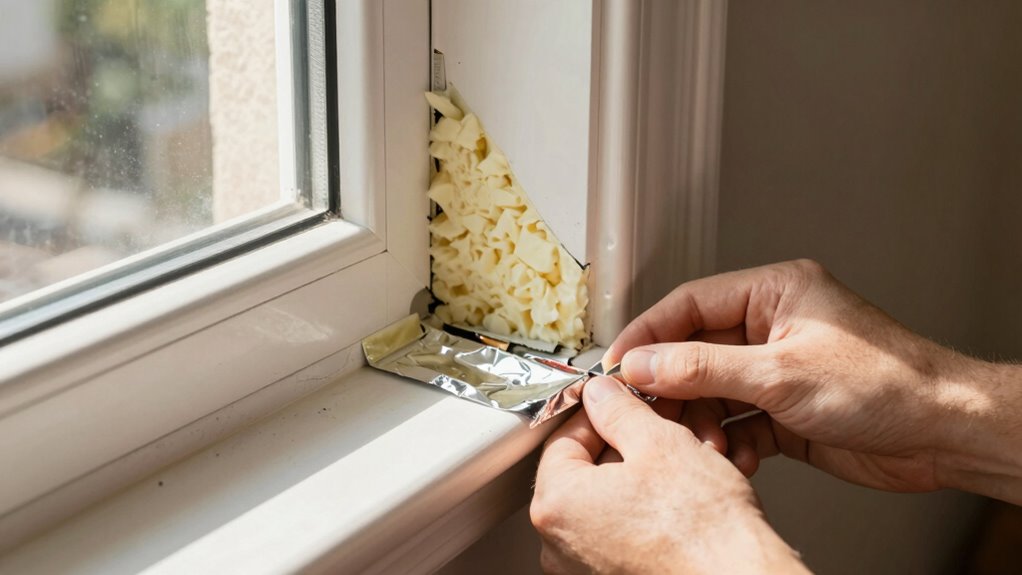
Sealing leaks and improving insulation can quickly cut down on energy waste in your home. Start by caulking gaps around windows, doors, and other cracks to prevent warm or cool air from escaping. Use weatherstripping on doors and window frames for an extra seal. Adding foam insulation to areas like electrical outlets, pipes, and attic vents can further block drafts. Consider installing daisy varieties to help regulate indoor temperatures naturally by providing shade and cooling effects. These simple steps are cost-effective and fast to implement, making a noticeable difference in your home’s temperature stability. Proper sealing reduces the workload on your heating and cooling system, saving you energy and money. Additionally, checking for and sealing air leaks around your home regularly ensures ongoing efficiency. Conducting home energy audits can identify hidden leaks and insulation gaps you might overlook, further enhancing your home’s energy conservation efforts. For even better results, consider using insulating materials that are suitable for your climate to maximize thermal efficiency. Remember, small improvements in insulation and sealing can have a big impact on maintaining a comfortable indoor environment while lowering waste.
reflective window film for energy savings
As an affiliate, we earn on qualifying purchases.
As an affiliate, we earn on qualifying purchases.
Adjust Your Thermostat for Maximum Energy Savings
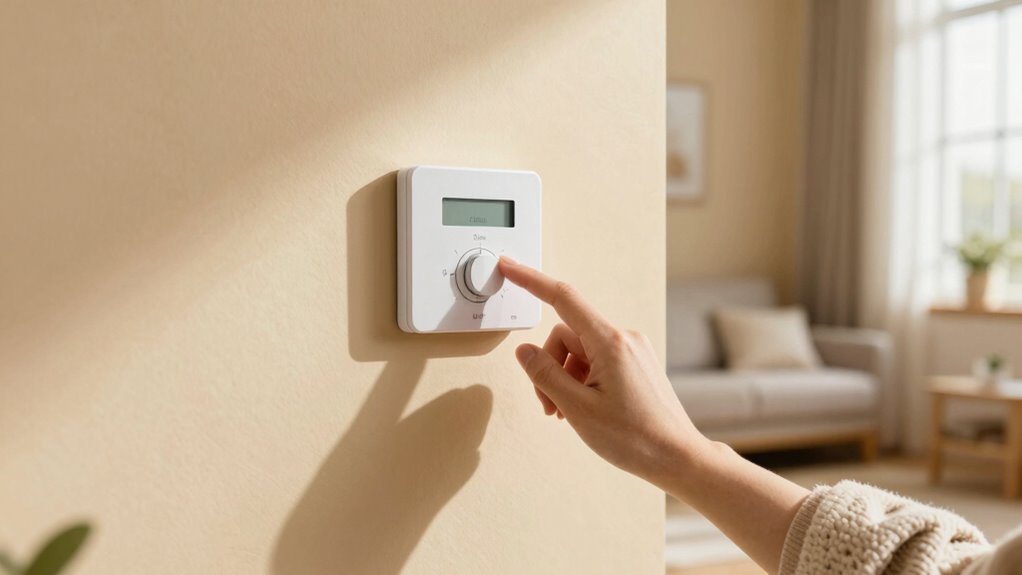
Once your home is well sealed and insulated, adjusting your thermostat becomes a powerful way to maximize energy savings. Proper thermostat settings and accurate temperature calibration help you avoid wasting energy. Aim to set your thermostat lower in winter and higher in summer—around 68°F in winter and 78°F in summer when you’re home. When you’re away or asleep, raise or lower the temperature by a few degrees to save energy. Use a programmable thermostat to automate these changes. Remember, small adjustments can lead to big savings. Additionally, thermostat calibration ensures your temperature readings are accurate, preventing unnecessary energy use. Regularly checking and adjusting your thermostat settings based on home energy efficiency principles can further enhance your savings. Maintaining your HVAC system ensures optimal performance and energy conservation. Proper system maintenance can also extend the lifespan of your equipment and improve overall efficiency. Incorporating smart thermostat features like occupancy sensors and remote control can further optimize your energy savings.
As an affiliate, we earn on qualifying purchases.
Smart Devices That Help Reduce Heating and Cooling Costs
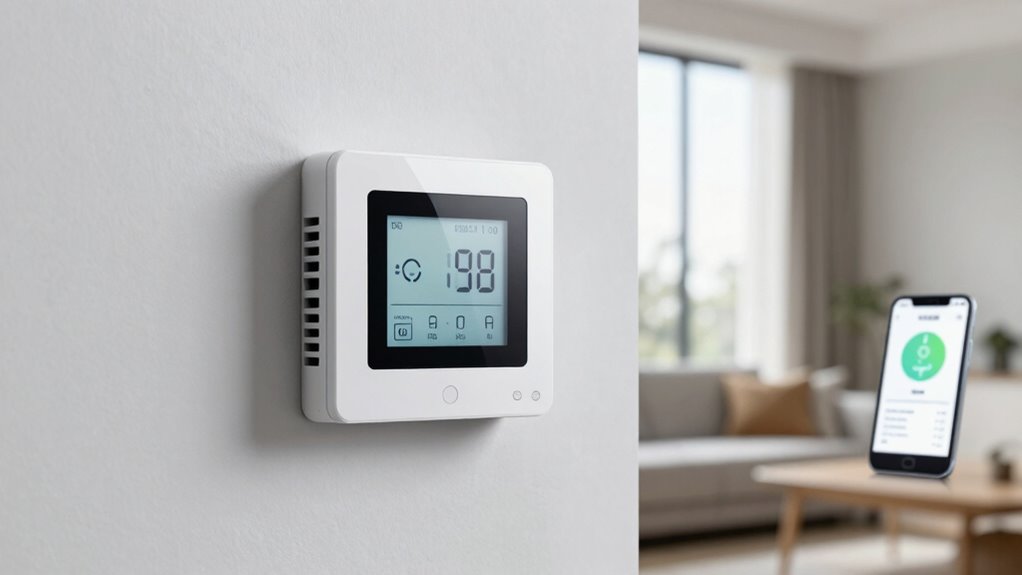
Smart devices can substantially cut your heating and cooling costs by providing precise control and automation. Smart thermostats are a key tool, allowing you to set temperatures more accurately and adapt to your schedule. They learn your routines over time, ensuring your system runs only when needed. Additionally, energy monitoring devices give you real-time data on your consumption, helping you identify wasteful patterns. With this information, you can make smarter decisions about when and how to heat or cool your home. These devices can often be controlled remotely via smartphone apps, offering convenience and flexibility. By integrating smart thermostats and energy monitoring, you optimize your HVAC system’s efficiency, reduce unnecessary energy use, and lower your utility bills without sacrificing comfort. Implementing energy-efficient technology can further enhance these savings and support sustainable living.
Increase Natural Ventilation and Sunlight to Cut Energy Waste

You can considerably cut energy waste by maximizing cross-ventilation strategies to improve airflow naturally. Also, optimizing sunlight exposure helps warm or cool your space more efficiently throughout the day. Small adjustments in window placement and timing can make a big difference in reducing reliance on artificial heating and cooling. Additionally, understanding and managing your whole-home water systems can contribute to overall energy efficiency by reducing waste associated with inefficient appliances. Properly controlling indoor humidity levels can also enhance comfort and reduce the need for excessive heating or cooling. Incorporating smart home automation features like automatic vents and climate controls can further optimize energy use and comfort throughout your home. Implementing natural ventilation techniques is a cost-effective way to improve indoor air quality and temperature regulation. Moreover, being aware of air circulation patterns helps in designing more effective ventilation strategies that minimize energy consumption.
Maximize Cross-Ventilation Strategies
Maximizing cross-ventilation is one of the most effective ways to reduce heating and cooling waste. By designing your space with passive design principles, you create a natural cross flow that cools your home without relying on energy-intensive systems. Properly placed windows and vents allow air to flow freely from one side to the other, removing stale indoor air and bringing in fresh outdoor air. To optimize this, consider:
- Positioning windows on opposite walls to facilitate cross flow
- Using adjustable vents to control airflow during different seasons
- Incorporating exterior shading to prevent unwanted heat gain while maintaining ventilation
- Understanding ventilation techniques can help you improve airflow and energy efficiency even further. Additionally, passive ventilation strategies can be integrated with other design elements to maximize airflow and indoor comfort. Implementing window placement guided by architectural principles can significantly enhance natural ventilation and reduce reliance on mechanical systems. Proper airflow management is essential to achieving optimal indoor environmental quality and energy savings. Exploring design principles can further optimize your space for natural cooling and heating efficiency. These strategies enhance natural airflow, lower your dependence on HVAC systems, and make your space more energy-efficient year-round.
Optimize Sunlight Exposure
Have you considered how increasing sunlight exposure can naturally warm or cool your home? Sunlight Optimization is key to reducing energy waste. Proper Window Placement allows sunlight to enter during winter, providing free warmth and lowering heating needs. In summer, strategic placement helps shade your home, preventing overheating. Use south-facing windows in colder months to maximize sunlight, while east- and west-facing windows can capture morning and evening light. Installing adjustable shades or overhangs enhances control over sunlight exposure. By thoughtfully planning window placement and maximizing natural sunlight, you reduce reliance on artificial heating and cooling. Incorporating solar gain management techniques can further improve energy efficiency. Additionally, cabling solutions such as properly installed and leveled mounts can ensure efficient operation of shading devices and window treatments. Employing thermal insulation in conjunction with sunlight optimization can significantly enhance your home’s energy performance. Proper ventilation strategies can also help regulate indoor temperature levels effectively. This simple adjustment not only cuts energy costs but also creates a healthier, more comfortable living environment year-round.
Use Effective Window Covers and Films to Keep Heat In or Out
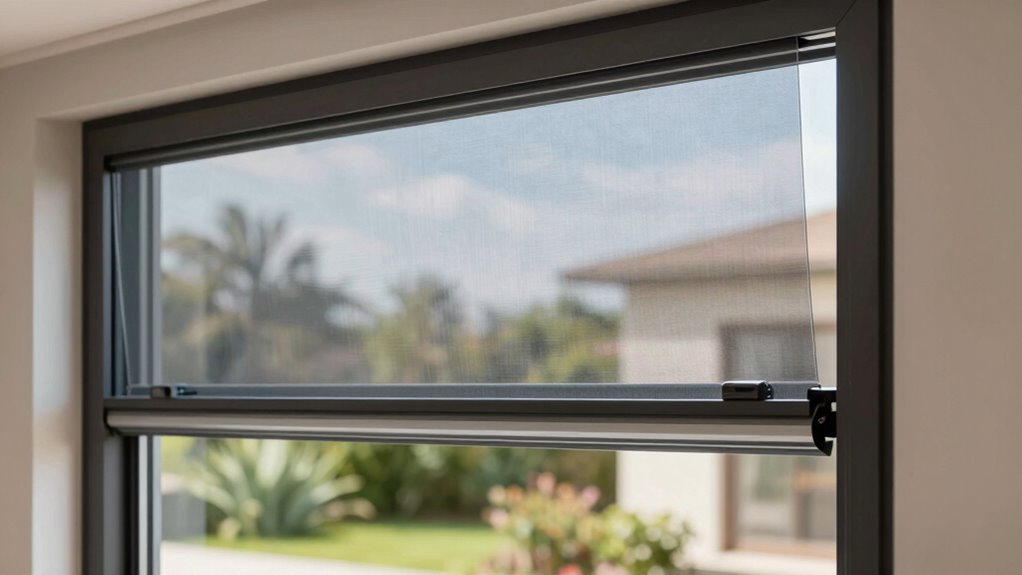
Installing effective window covers and films can drastically reduce heat transfer through your windows. By choosing the right solutions, you keep your home cooler in summer and warmer in winter, saving energy and money. Window films are a great option; they reflect heat and block UV rays, helping maintain a comfortable indoor temperature. Thermal curtains add an extra layer of insulation, preventing heat from escaping or entering through the windows.
Consider these options:
- Use reflective window films to deflect heat during hot months
- Install thermal curtains for improved insulation
- Combine both for maximum efficiency and year-round comfort
Maintain Your HVAC System for Better Efficiency
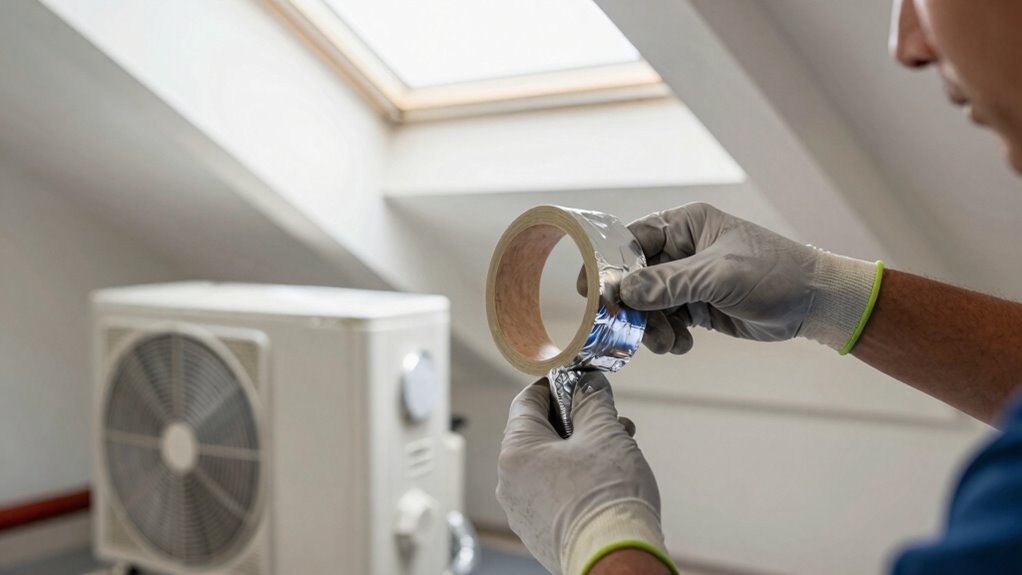
You can boost your system’s efficiency by scheduling regular inspections to catch issues early. Make sure to replace filters promptly, as dirty filters force your HVAC to work harder. Keeping up with these simple steps saves energy and reduces waste.
Regular System Inspections
Regular system inspections are essential for maintaining your HVAC system’s efficiency and preventing energy waste. When you schedule routine check-ups, you ensure everything runs smoothly and avoid costly breakdowns. During these inspections, professionals can perform system tune ups to optimize performance and identify issues early. Duct cleaning is also a key part of the process, helping to remove dust and debris that hinder airflow. This keeps your system working efficiently and improves indoor air quality. Regular inspections can catch small problems before they turn into major repairs, saving you money and energy in the long run. By staying proactive, you get the most out of your HVAC system and reduce waste caused by inefficiency.
Replace Filters Promptly
Replacing filters promptly is essential for keeping your HVAC system running efficiently. Regular air filter maintenance prevents dust, dirt, and debris from clogging the system, which can cause it to work harder and waste energy. Sticking to a consistent filter replacement schedule ensures your system stays clean and operates at peak performance. Neglecting to change filters can lead to reduced airflow, increased wear and tear, and higher energy bills. Check your filters monthly, especially during peak heating or cooling seasons, and replace them as needed. A fresh filter improves indoor air quality and helps your HVAC system run smoothly. By prioritizing filter replacement, you’ll reduce waste, extend your system’s lifespan, and save money on energy costs.
Easy Habits to Save Energy Every Day
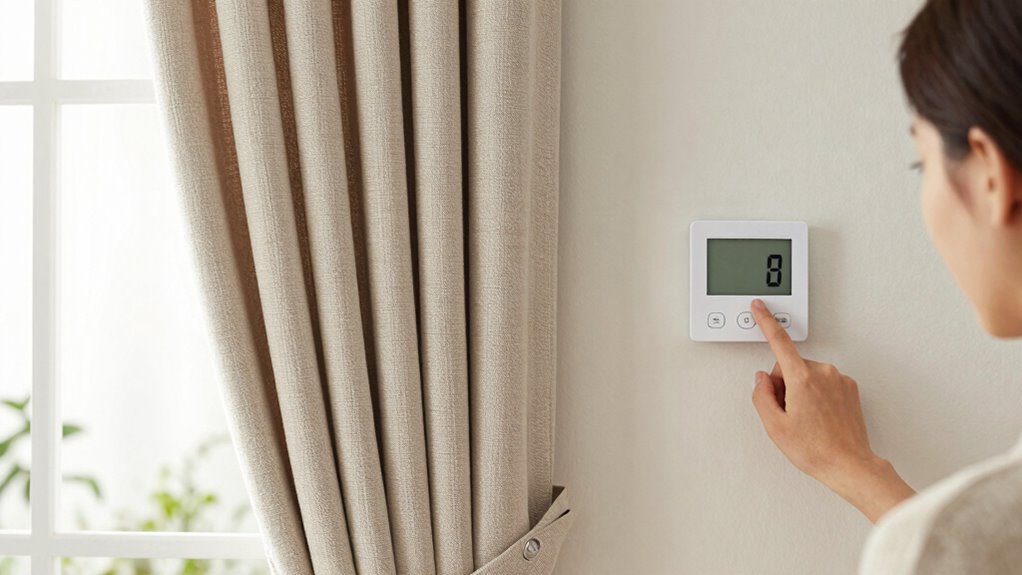
Simple daily habits can considerably cut down on heating and cooling waste. Start by regularly checking your thermostat calibration to guarantee your system isn’t working harder than needed. Using a smart thermostat allows you to set and adjust temperatures remotely, making it easier to optimize energy use throughout the day. Small changes, like lowering the temperature when you’re asleep or away, can make a big difference. Additionally, take advantage of smart thermostat settings to create schedules that match your routine, reducing unnecessary energy consumption.
- Set your thermostat a few degrees lower in winter and higher in summer when you’re not home
- Use smart thermostat scheduling to automate temperature adjustments
- Guarantee your thermostat is properly calibrated for accurate readings
Frequently Asked Questions
How Do I Identify Hidden Sources of Heat Loss in My Home?
To identify hidden heat loss sources, start by feeling for drafts around windows and electrical outlets, especially at night or during windy days. Use a candle or incense stick to detect drafts — if the flame flickers, you’ve found a leak. Check for poorly sealed windows, gaps around outlets, and areas with visible cracks. Addressing these issues helps reduce heat loss and keeps your home warmer efficiently.
Can Landscaping Influence Indoor Heating and Cooling Efficiency?
Landscape design and plant placement can markedly influence your home’s indoor heating and cooling efficiency. Properly positioned trees, shrubs, and greenery create natural barriers that block summer sun and winter wind, helping to keep temperatures steady. By strategically planning your landscape, you can reduce reliance on HVAC systems, save energy, and lower utility bills. Thoughtful planting transforms your yard into a shield, seamlessly supporting your home’s climate control efforts.
What Are the Best DIY Methods to Improve Attic Insulation?
To improve attic insulation, start by choosing effective insulation materials like fiberglass batts, spray foam, or cellulose. Guarantee proper sealing techniques by sealing gaps, vents, and chimneys to prevent air leaks. Add a layer of insulation if needed, and consider installing an attic hatch cover. These simple DIY steps boost insulation efficiency, reduce heating and cooling waste, and keep your home more comfortable year-round.
How Often Should I Service My HVAC System for Optimal Performance?
Did you know that scheduling HVAC maintenance twice a year can reduce energy costs by up to 15%? You should service your HVAC system at least every six months for peak performance. Regular system inspection ensures your system runs efficiently and catches issues early. Don’t wait for breakdowns—consistent HVAC maintenance keeps your system in top shape, saving you money and increasing comfort year-round.
Are There Energy-Efficient Alternatives to Traditional Heating and Cooling Systems?
Yes, you can opt for energy-efficient alternatives like solar heating and geothermal cooling. Solar heating harnesses sunlight to warm your home, reducing reliance on traditional systems, while geothermal cooling uses the stable underground temperature to cool efficiently. These options cut down energy waste, save you money, and are environmentally friendly. Shifting to these alternatives not only improves efficiency but also helps you considerably lower your energy bills over time.
Conclusion
Did you know that up to 30% of home energy is wasted on heating and cooling? By sealing leaks, adjusting your thermostat, and using smart devices, you can cut this waste considerably. Small daily habits, like opening curtains for sunlight or maintaining your HVAC, make a big difference. These quick changes not only save money but also help the environment. Start today—your wallet and the planet will thank you!
Fall Picks
fall essentials
As an affiliate, we earn on qualifying purchases.