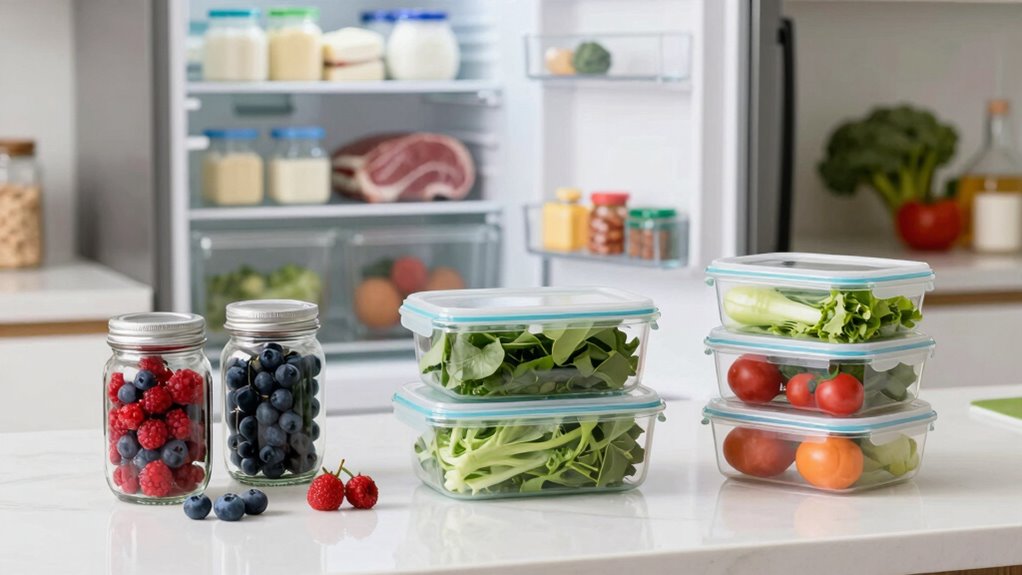

To reduce food spoilage, store your food properly by controlling temperature and moisture, using airtight containers and vacuum seals to slow bacteria growth. Keep fruits and vegetables separate and organize your fridge to prevent cross-contamination. Label and date items so you use them while fresh. Managing storage conditions and packaging can extend shelf life markedly. Keep exploring ways to optimize your storage habits for even better freshness and safety.

Get the latest gadgets delivered free — and shop member deals
- Fast, free delivery on millions of items
- Access to Prime Big Deal Days deals on October 6–7
- Prime Video, Amazon Music and more included
Key Takeaways
- Use airtight containers and vacuum sealing to limit air exposure and slow bacterial growth.
- Store perishable items in the coldest refrigerator sections and maintain proper temperatures.
- Keep ethylene-producing fruits separate from other produce to prevent premature spoilage.
- Label and date stored foods to prioritize usage and reduce waste.
- Regularly check and remove spoiled items to prevent spoilage spread and maintain freshness.
airtight food storage containers
As an affiliate, we earn on qualifying purchases.
As an affiliate, we earn on qualifying purchases.
Why Food Spoils and How Storage Habits Help
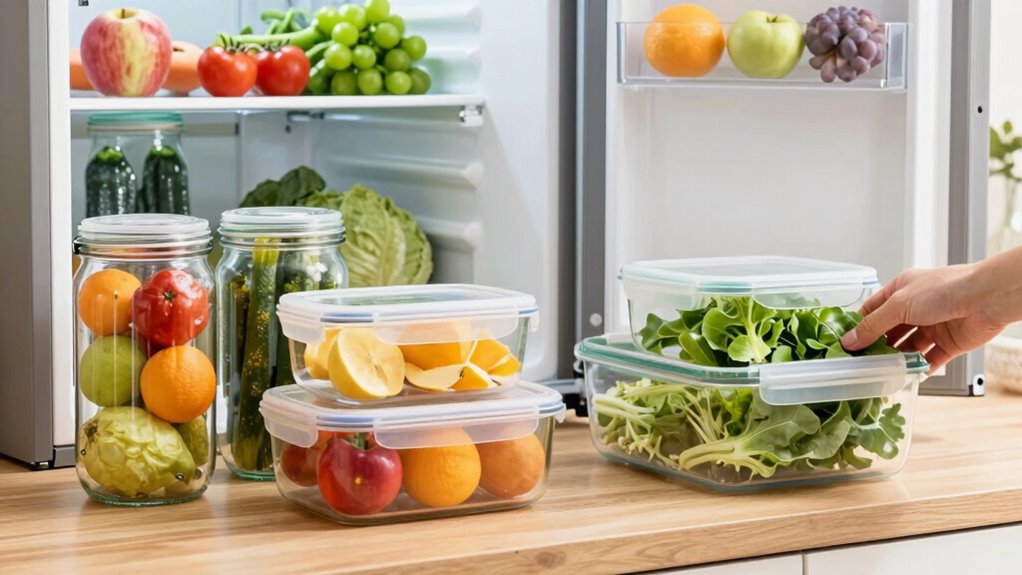
Food spoils because bacteria, molds, and yeasts break down its nutrients over time, especially when conditions are favorable. These spoilage causes accelerate deterioration, making food unsafe to eat. Proper storage habits are essential for maintaining food safety and slowing spoilage. When you keep perishable items at the right temperatures, you inhibit the growth of harmful microorganisms. Additionally, storing food in airtight containers reduces exposure to air and contaminants that can promote mold and bacterial growth. Understanding the main spoilage causes helps you make smarter choices about where and how to store different foods. By controlling moisture, temperature, and packaging, you can considerably extend freshness and prevent foodborne illnesses, ensuring your food stays safe and edible for longer. Maintaining the right storage conditions is crucial for effective spoilage prevention. Using proper temperature control devices like refrigerators and freezers further enhances your ability to slow down microbial activity and keep food fresh longer.
vacuum sealer for food preservation
As an affiliate, we earn on qualifying purchases.
As an affiliate, we earn on qualifying purchases.
What’s the Best Way to Store Different Foods?
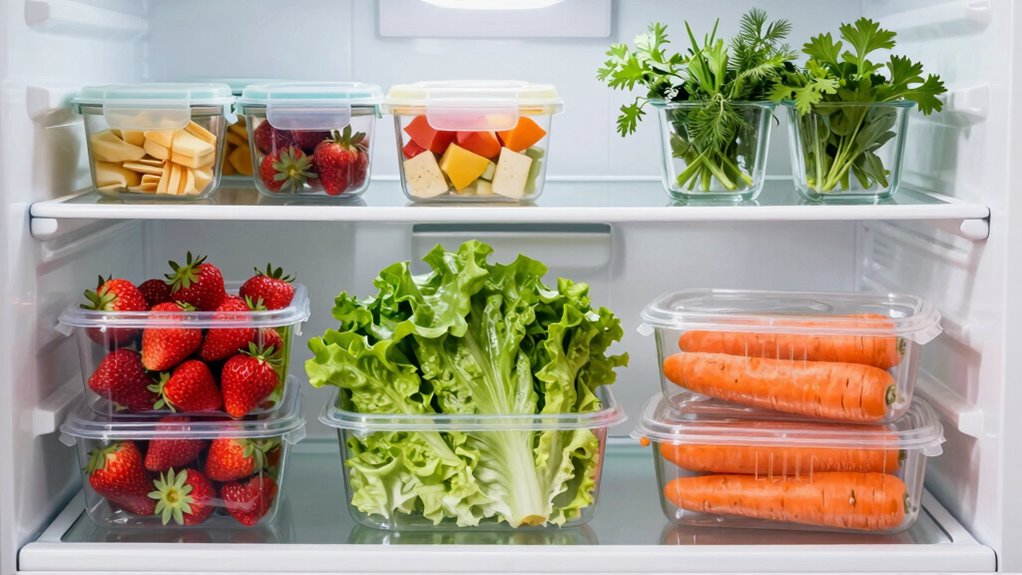
Choosing the right storage method for different foods can considerably extend their freshness and prevent spoilage. For perishables like meats and produce, vacuum sealing removes air, slowing bacterial growth and moisture loss. This method is especially effective for freezing foods, maintaining quality longer. Food irradiation is another option; it uses controlled radiation to kill bacteria and parasites, extending shelf life without altering taste or texture. Keep leafy greens in breathable containers to prevent moisture buildup, and store dairy in the coldest part of your fridge. Fruits and vegetables should be kept separate, as some emit gases that speed spoilage. Proper storage techniques such as temperature control are essential for preserving food quality and safety. Implementing temperature management can further enhance the effectiveness of storage methods and reduce spoilage. By selecting appropriate storage techniques like vacuum sealing and considering treatments like food irradiation, you can maximize freshness and reduce waste in your kitchen.
reusable food storage containers
As an affiliate, we earn on qualifying purchases.
As an affiliate, we earn on qualifying purchases.
How to Use Containers and Packaging to Keep Food Fresh
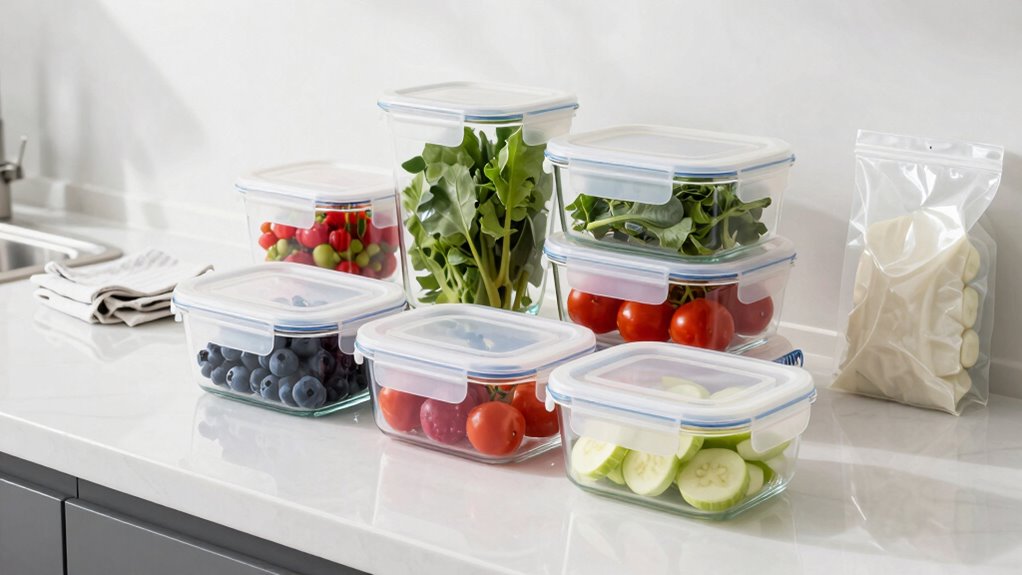
Using the right containers and packaging plays a crucial role in keeping your food fresh for longer. Vacuum sealing is an excellent method to remove excess air, slowing down spoilage and freezer burn. Reusable containers are eco-friendly options that help maintain freshness and prevent leaks. When choosing packaging, consider these tips:
- Opt for vacuum-sealed bags for meats and leftovers.
- Use airtight reusable containers for fruits, vegetables, and snacks.
- Label and date stored items to track freshness easily.
As an affiliate, we earn on qualifying purchases.
How to Store Fruits and Vegetables for Maximum Freshness
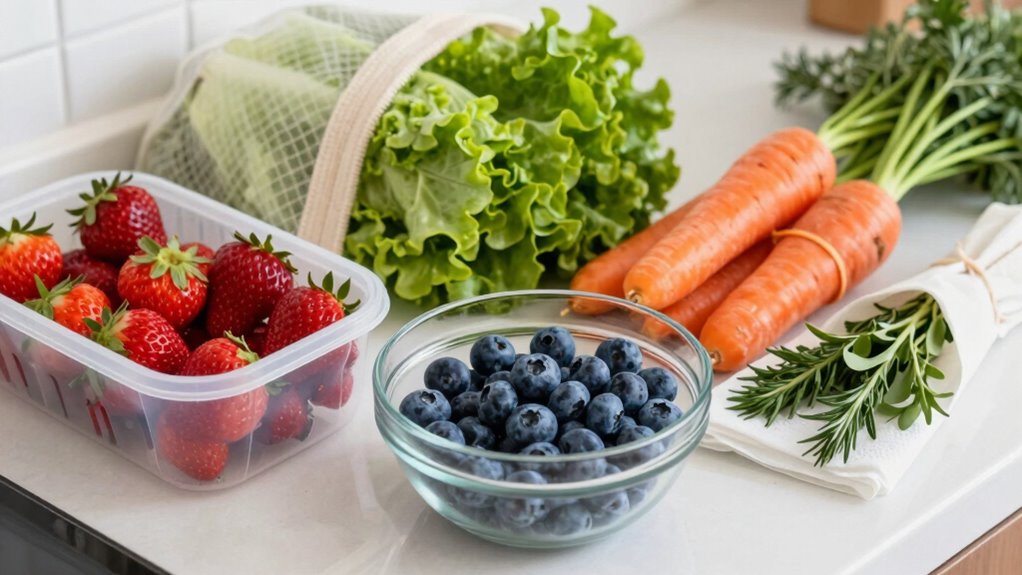
Proper storage methods can considerably extend the freshness of your fruits and vegetables. To slow down the ripening process, keep ethylene gas-producing produce like apples and bananas separate from other fruits and vegetables. Store leafy greens and herbs in perforated bags or containers with ventilation to maintain moisture and prevent spoilage. For vegetables like carrots and peppers, use crisper drawers set to the right humidity—high for greens, low for firm vegetables. Keep fruits and vegetables at their ideal temperatures; most prefer a cool, dark spot or the refrigerator’s crisper. Regularly check stored produce, removing any spoiled items promptly to prevent the ethylene gas from accelerating spoilage elsewhere. Proper storage not only prolongs freshness but also minimizes food waste.
How to Organize Your Refrigerator and Pantry for Food Safety
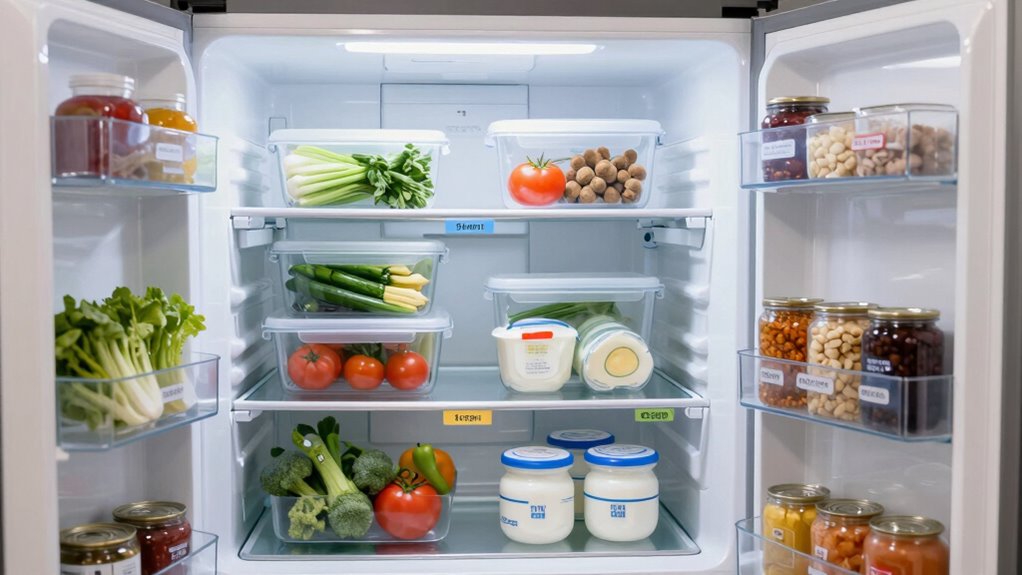
Organizing your refrigerator and pantry effectively is essential for maintaining food safety and reducing waste. Proper arrangement helps prevent cross-contamination and keeps food fresh longer. Use clear containers to store leftovers and ingredients, making meal prep easier and quicker. Implement labeling techniques to date leftovers and prepped meals, so you know what to use first. Keep raw meats on the bottom shelf to avoid drips onto other foods. Group similar items together, like dairy or snacks, for quick access. Regularly check expiration dates and rotate stock to minimize spoilage. Consider designated zones for fresh produce, cooked foods, and raw ingredients. Additionally, using innovative technology like smart storage solutions can further enhance your organization system. This organized approach not only boosts food safety but also streamlines meal prep and reduces unnecessary waste. Incorporating proper food storage practices can also help maintain the optimal quality and flavor of your foods over time, especially when combined with effective organization techniques. Being aware of food safety principles is crucial for preventing foodborne illnesses and ensuring your food remains safe to consume.
Frequently Asked Questions
How Can I Tell if Refrigerated Leftovers Are Still Safe to Eat?
You can tell if refrigerated leftovers are still safe to eat by checking for expiration dates and doing smell tests. If the food smells off or sour, discard it. Even if it’s within the expiration date, trust your senses—any foul odor or slimy texture indicates it’s best to throw it out. Always store leftovers properly and consume them within 3-4 days to ensure safety.
What Are the Signs of Food Spoilage I Should Watch For?
You should watch for visual cues like mold, discoloration, or slimy textures, which indicate spoilage. Odor detection is also key—if it smells sour, rancid, or off in any way, it’s best to discard it. Pay attention to any unusual changes in appearance or smell, as these signs clearly signal that food is no longer safe to eat. Trust your senses to keep you safe from spoiled food.
How Often Should I Clean My Storage Containers?
Ever wonder how often you should clean your storage containers? Regular container maintenance is key to preventing food spoilage. You should clean your containers at least once a week if you store perishable items, or immediately after they’ve been used for leftovers. Proper cleaning frequency guarantees no residue or bacteria build-up, helping your food stay fresh longer. Don’t overlook this simple step—keeping your containers spotless is essential for better storage habits.
Can Freezing Extend the Shelf Life of All Foods?
Freezing can extend the shelf life of many foods, but not all. Food preservation works best for items like meats, bread, and leftovers, while some fruits and vegetables may lose texture. Be mindful of freezer burn, which can affect quality. Proper packaging helps prevent this. Keep in mind, some foods aren’t suited for freezing, so check storage guidelines to make sure of freshness and safety.
What Are the Best Methods to Thaw Frozen Foods Safely?
You should thaw frozen foods safely by using proper thawing techniques, such as refrigerating overnight, submerging in cold water, or microwaving. These methods keep foods at a safe temperature, preventing bacteria growth. Imagine pulling a perfectly thawed steak from the fridge, ready to cook, without worry. Always guarantee your refrigerator stays below 40°F and avoid leaving foods out at room temperature, which can quickly lead to spoilage.
Conclusion
By adopting better storage habits, you can greatly cut down on food waste and save money. Properly storing your food ensures it stays fresh longer, reducing spoilage and preventing unnecessary trips to the store. Think of your fridge and pantry as the fortress guarding your food’s freshness—guard it well! Small changes in how you store your food can make a world of difference, turning your kitchen into a powerhouse of freshness and efficiency.
Halloween Picks
halloween
As an affiliate, we earn on qualifying purchases.