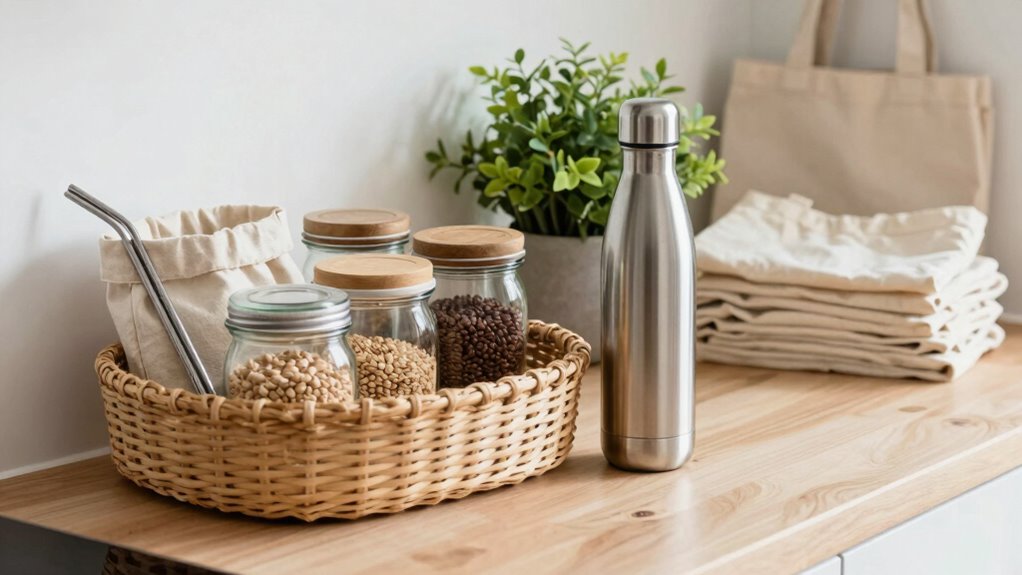

To reduce plastic without going extreme, start with small, easy changes like using reusable bags, bottles, and containers. Opt for products with minimal or eco-friendly packaging, and choose bulk items to cut down waste. Reuse plastic items whenever possible and follow proper recycling guidelines. Building these habits gradually makes a big difference over time. Keep exploring simple tips to make your lifestyle more sustainable—there’s plenty more you can do.

Get the latest gadgets delivered free — and shop member deals
- Fast, free delivery on millions of items
- Access to Prime Big Deal Days deals on October 6–7
- Prime Video, Amazon Music and more included
Key Takeaways
- Gradually replace single-use plastics with reusable items like bottles, bags, and containers.
- Opt for products with minimal or eco-friendly packaging to reduce waste.
- Incorporate recycling and reuse habits into daily routines without overhauling your lifestyle.
- Choose bulk or package-free items to cut down on plastic waste incrementally.
- Focus on small, consistent changes over time to steadily reduce plastic use without feeling overwhelmed.
As an affiliate, we earn on qualifying purchases.
Why Plastic Waste Is a Problem and How Small Changes Help
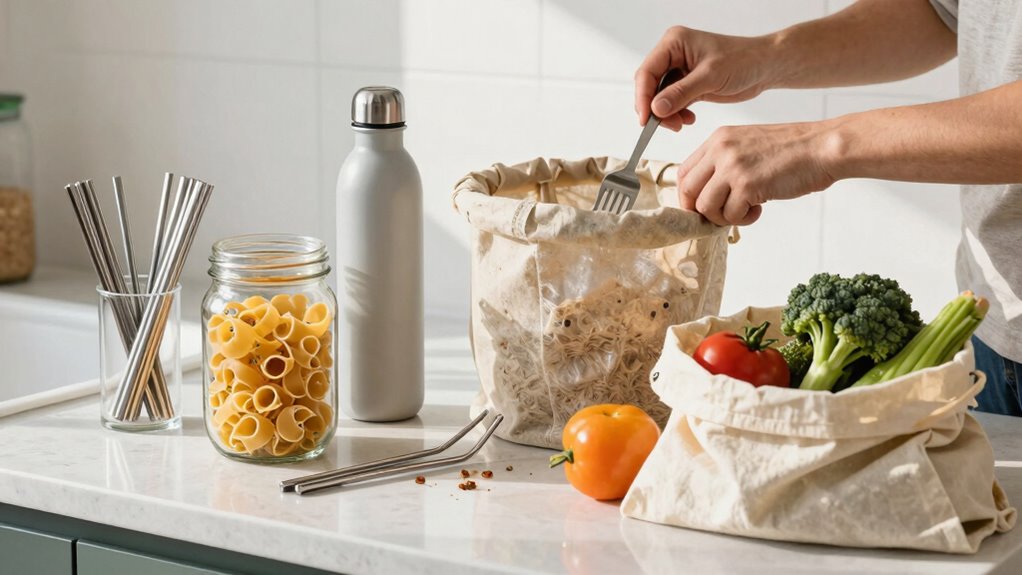
Plastic waste has become a major environmental issue because it pollutes land and water, harming wildlife and ecosystems. Plastic pollution is responsible for choking marine life, trapping animals, and contaminating food sources. The environmental impact extends beyond animals; it affects human health too, as plastics break down into microplastics that enter the food chain. Reducing plastic use** can significantly decrease the amount of waste that ends up polluting natural habitats. Your small actions, like reducing plastic use or properly recycling, can make a difference. Even tiny changes add up over time, helping to decrease the amount of plastic waste that ends up in nature. Recognizing the problem is the first step toward making smarter choices. By understanding how plastic pollution harms our environment, you can take meaningful steps to lessen your plastic footprint and protect ecosystems. Additionally, supporting initiatives that promote recycling programs can significantly reduce plastic waste. Implementing proper waste disposal methods further ensures plastics are managed responsibly, reducing environmental harm. Promoting public awareness** about plastic pollution can motivate communities to adopt sustainable habits and reduce overall plastic consumption.
As an affiliate, we earn on qualifying purchases.
Cut Down on Single-Use Plastics Today
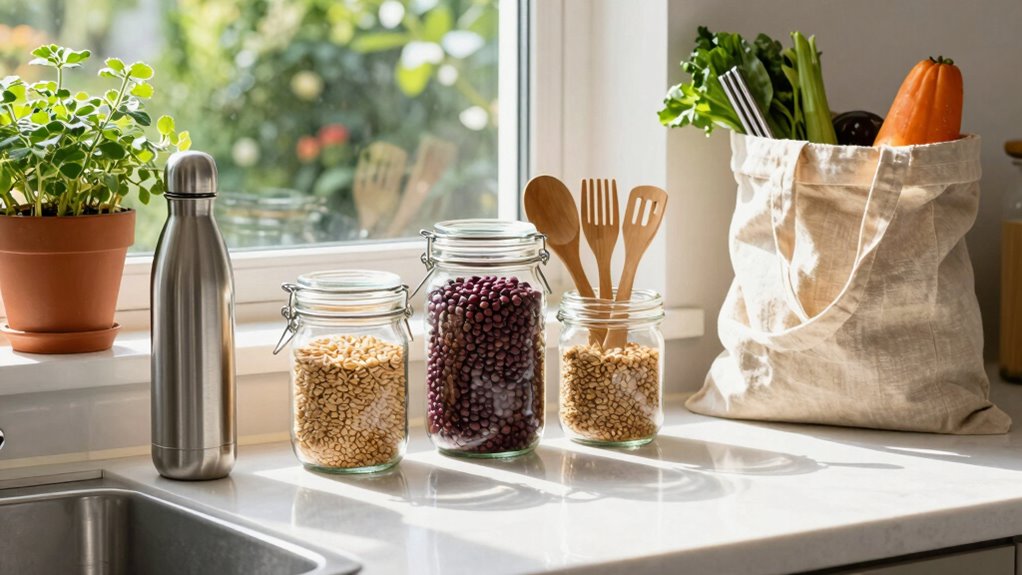
Have you ever considered how often you use single-use plastics each day? These items contribute markedly to plastic pollution and have a lasting environmental impact. Reducing your reliance on them can make a real difference. Here are some simple ways to cut down today:
- Bring reusable bags instead of plastic ones
- Use a refillable water bottle
- Opt for bulk or package-free products
- Say no to plastic straws and utensils
- Consider reusable alternatives like reusable containers for snacks and leftovers
- Be mindful of plastic waste and seek out eco-friendly options whenever possible, which can also promote sustainable leadership habits. Incorporating environmentally conscious choices can help decrease the overall production of plastics and support a healthier planet. Additionally, being aware of plastic pollution in your community can motivate further efforts to reduce plastic consumption and advocate for better waste management practices.
As an affiliate, we earn on qualifying purchases.
Switch to Eco-Friendly Alternatives Easily
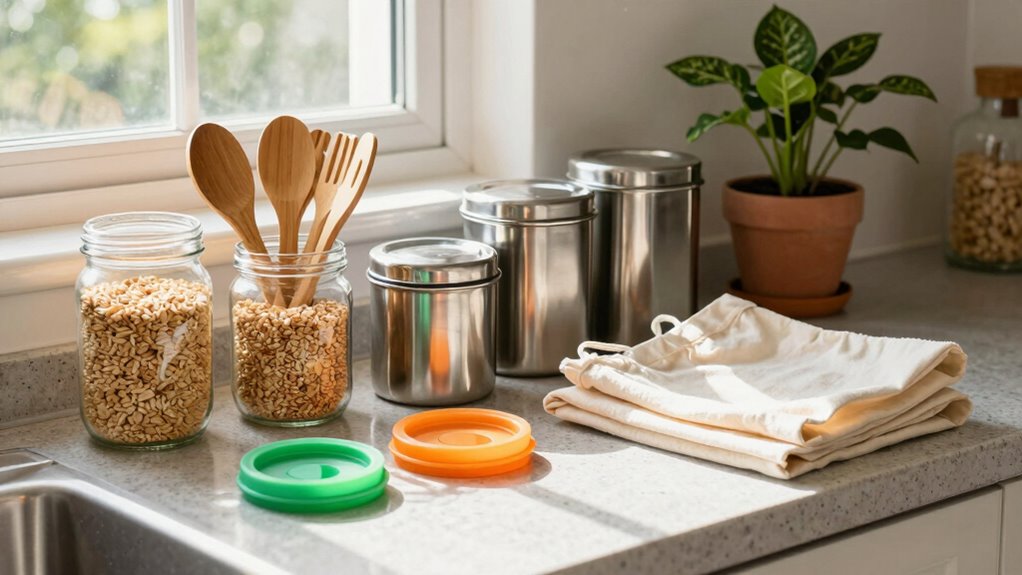
Switching to eco-friendly alternatives makes it easier to reduce plastic waste and protect the environment. Start by replacing common items with biodegradable alternatives, such as compostable bags or utensils. These options break down naturally, minimizing landfill buildup. Opt for plastic-free containers made from glass, stainless steel, or bamboo, which are durable and reusable. When shopping, choose products that come in minimal or eco-friendly packaging. Carry a reusable bag and container to avoid single-use plastics. Progressing doesn’t have to be complicated—simply substituting plastic items with eco-friendly options makes a significant impact. Incorporating requirements traceability into your sustainable choices can help you track your progress and ensure consistent eco-friendly habits. Additionally, selecting products with certified eco-labels assures you of their environmental benefits. Being aware of large number conversions can help you better understand the scale of plastic waste reduction and motivate continued efforts. Understanding plastic pollution statistics can further encourage your commitment to reducing plastic use. For example, choosing items made from biodegradable materials can accelerate waste decomposition and lessen environmental harm. Over time, these small changes will become habits, helping you cut down on plastic waste effortlessly while supporting a healthier planet.
As an affiliate, we earn on qualifying purchases.
Build Daily Habits to Reduce Plastic Waste
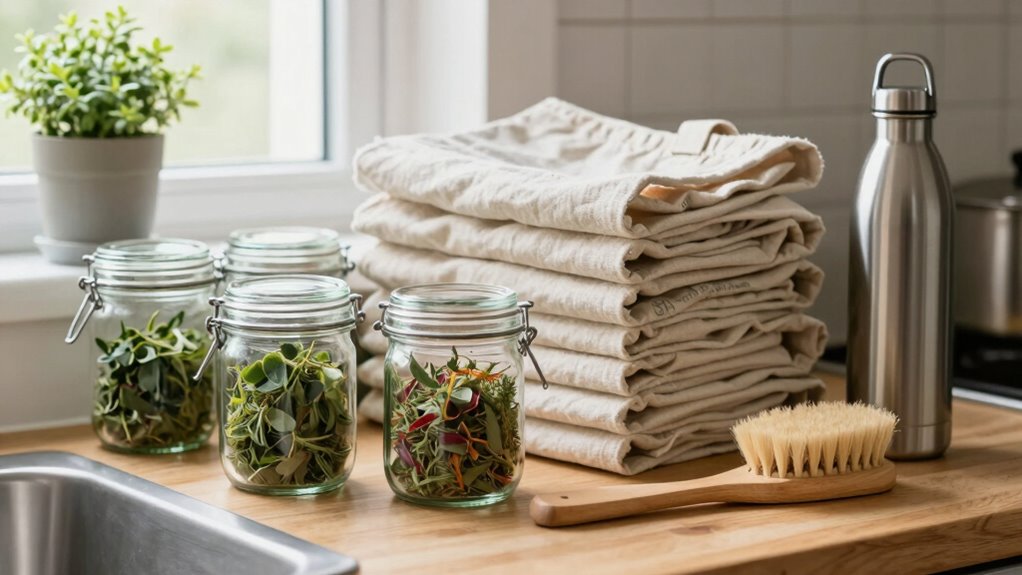
Establishing daily habits is essential for consistently reducing plastic waste. Small, intentional actions add up to combat plastic pollution and support waste reduction. To start, carry a reusable water bottle everywhere instead of single-use bottles. Use cloth bags for shopping to cut down on plastic packaging. Opt for products with minimal or no plastic packaging when shopping. Also, make a habit of cleaning and reusing containers instead of discarding them. These habits help you avoid unnecessary plastic waste daily. Incorporating waste management techniques can also prevent plastic debris from dispersing into natural environments and reduce overall plastic consumption, making your efforts more effective. Additionally, staying informed about plastic pollution sources can help you identify new ways to minimize your plastic footprint. Being aware of plastic lifecycle can further enhance your efforts by understanding how plastics are produced, used, and disposed of, leading to more mindful choices.
Shop Smart: Choose Packaging That’s Less Plastic
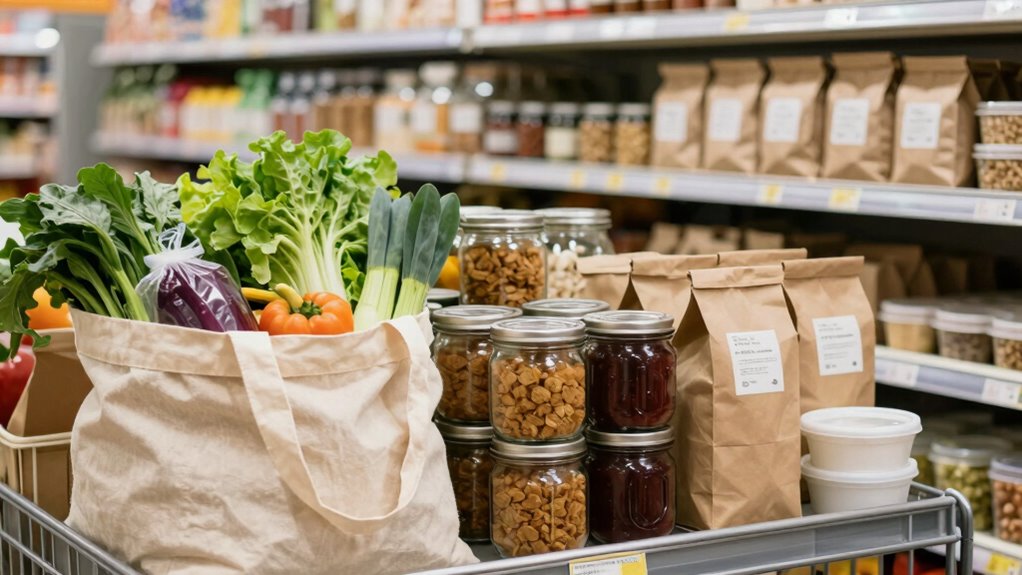
When you shop, look for bulk options to reduce packaging waste and bring your own containers whenever possible. Choose products with reusable packaging to cut down on single-use plastics. By avoiding single-use plastics altogether, you make a stronger impact on reducing overall plastic waste. Incorporating sustainable packaging options can further support environmentally friendly shopping habits. Additionally, selecting minimalist packaging helps lessen the environmental footprint and encourages manufacturers to adopt eco-friendly practices. Opting for recyclable materials whenever available ensures that your packaging choices contribute positively to waste reduction efforts. Being mindful of plastic reduction strategies can also help you make more informed choices that benefit the environment. Incorporating eco-conscious materials into your purchasing decisions can promote sustainable manufacturing practices and further reduce environmental impact.
Opt for Bulk Purchases
Choosing bulk purchases allows you to substantially reduce the amount of plastic packaging you generate. When you opt for bulk shopping, you can select larger package sizes that minimize the need for individual wrappers. This method can also enhance your sustainability by reducing overall waste. It not only cuts down on plastic waste but often saves you money in the long run. To make the most of bulk shopping, consider these tips:
- Choose stores that offer reusable containers for bulk items
- Focus on staple products like grains, nuts, and dried fruits
- Buy in larger quantities to reduce packaging per unit
- Be mindful of storage to prevent waste from spoiled items
- Incorporate tax-efficient strategies to maximize your savings and sustainability efforts.
Choose Reusable Packaging
Switching to reusable packaging is one of the most effective ways to reduce plastic waste. By choosing durable containers like glass jars, metal tins, or cloth bags, you cut down on single-use plastics. Look for biodegradable options that break down naturally, minimizing environmental impact. Packaging innovations now offer sustainable alternatives, such as compostable wraps and plant-based plastics, making it easier to shop responsibly. Reusable packaging not only reduces waste but also encourages smarter shopping habits, saving you money in the long run. Keep an eye out for products designed with eco-friendly materials, and bring your own containers whenever possible. Making these small adjustments can considerably cut your plastic footprint while supporting a more sustainable future.
Avoid Single-Use Plastics
To reduce plastic waste, you need to be mindful of the packaging you select while shopping. Avoid single-use plastics by choosing products with minimal or reusable packaging. Many recycling myths persist, leading people to think plastics are always recyclable, but understanding the plastic pollution origins helps you make better choices. Opt for items like:
- Bulk foods in glass or paper containers
- Reusable produce bags instead of plastic produce wraps
- Products packaged in cardboard or biodegradable materials
- Refilling stations for liquids like soap and detergents
Reuse and Recycle Plastic Items Effectively
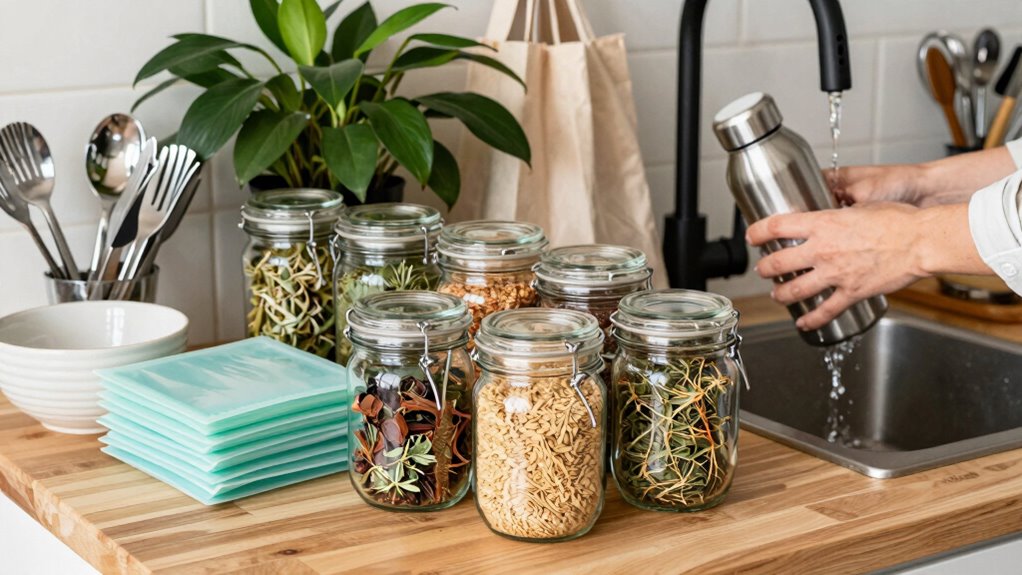
Reusing and recycling plastic items is one of the most effective ways to reduce plastic waste. You can turn plastic bottles into plastic art, giving them a new life and reducing the need for new materials. When recycling, avoid falling for recycling myths, like the idea that all plastics are endlessly recyclable; some plastics are harder to process or aren’t accepted everywhere. To recycle effectively, rinse containers thoroughly and sort them according to your local guidelines. Reusing items, such as jars or bags, extends their usefulness and minimizes waste. By understanding what can be recycled and creatively reusing plastics, you contribute considerably to waste reduction. This approach not only helps the environment but also promotes mindful consumption and resourcefulness.
Track Your Progress and Celebrate Small Wins
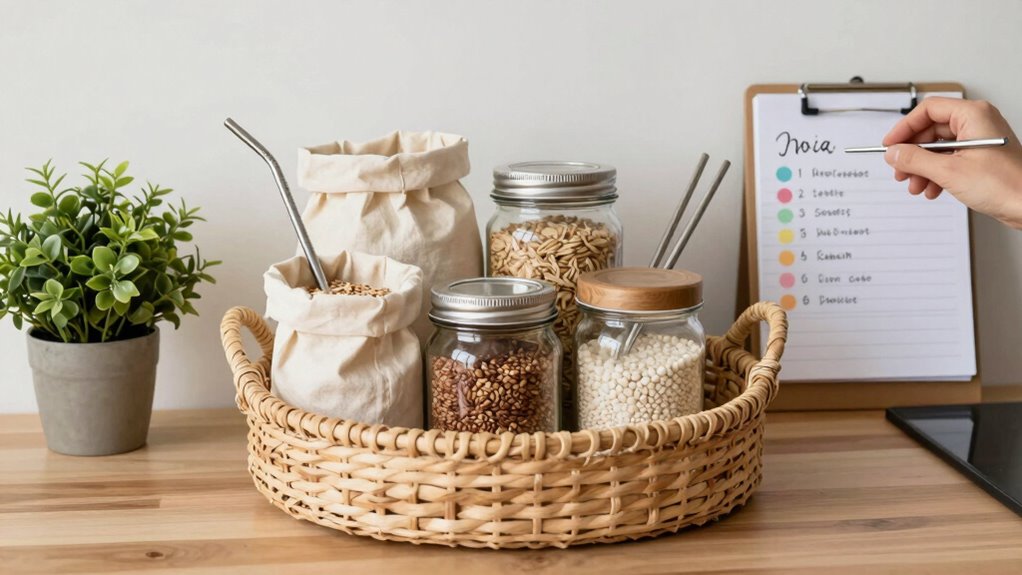
Tracking your progress is essential to staying motivated and recognizing how much plastic waste you’ve already reduced. By consistently engaging in progress tracking, you can see tangible results and stay committed to your goals. Celebrating milestones, no matter how small, helps reinforce positive habits and keeps you inspired.
To effectively track your progress, consider:
- Keeping a plastic reduction journal
- Using apps to monitor waste reduction
- Setting weekly or monthly goals
- Sharing successes with friends or online communities
These strategies make your achievements visible and motivate you to keep going. Celebrating small wins encourages continued effort and helps turn sustainable habits into long-term routines. Remember, every bit counts in reducing plastic waste!
Frequently Asked Questions
How Can I Motivate Others to Reduce Plastic Use?
You can motivate others to reduce plastic use by demonstrating positive behavior change and using social influence. Lead by example, showing your commitment to eco-friendly habits, and share your experiences to inspire friends and family. Encourage small, attainable actions and celebrate their efforts. When others see your dedication, they’ll feel more motivated to join in, creating a ripple effect of environmentally conscious choices through social influence.
Are There Affordable Eco-Friendly Products Available?
Ah, the good ol’ days of glass and cloth! You’ll find plenty of affordable eco-friendly products today, like reusable packaging and biodegradable alternatives. These options help cut plastic waste without breaking the bank. Look for store brands or shop online for deals. Switching to these sustainable choices is a simple, budget-friendly way to make a positive impact and inspire others to follow suit.
What Are Common Misconceptions About Plastic Waste?
Many believe recycling alone solves plastic pollution, but it’s a myth. Recycling myths often lead to complacency, while plastic waste still harms ecosystems. You might think all plastics are recyclable, but many aren’t, and improper disposal worsens plastic pollution. To make a real difference, reduce your plastic use, choose sustainable options, and support policies that address plastic waste. Active steps matter more than myths for protecting our environment.
How Can I Reduce Plastic Waste During Travel?
You can cut plastic waste during travel by using reusable containers for snacks and drinks, avoiding single-use plastics. Bring eco-friendly toiletries in refillable bottles to reduce packaging waste. Opt for shops that sell products in bulk or biodegradable packaging. Also, pack a reusable water bottle and shopping bag to minimize plastic use. These small actions make a big difference without feeling overwhelming or extreme.
What Community Programs Support Plastic Reduction Efforts?
Imagine your community as a garden that flourishes with effort—many programs support plastic reduction, like community cleanup days and recycling initiatives. You can join local efforts, picking up litter or advocating for better recycling facilities. These programs act as the roots and tendrils, helping reduce plastic waste. By participating, you help cultivate a healthier environment, turning your neighborhood into a vibrant, sustainable space that thrives on collective action.
Conclusion
Remember, small steps can lead to big change. By making simple choices—cutting single-use plastics, choosing eco-friendly options, and reusing items—you’re making a difference without going to extremes. Stay consistent and celebrate each win, no matter how small. As the saying goes, “Little drops of water make the mighty ocean.” Keep your efforts steady, and you’ll help protect the planet one plastic piece at a time.
Fall Picks
fall essentials
As an affiliate, we earn on qualifying purchases.