
Many people set their thermostats too low in winter or too high in summer, thinking it saves energy, but this actually increases costs and causes uneven comfort. Constant adjustments and extreme temperatures can make your HVAC work harder and waste more energy. Finding the right balance is key—aim for about 68°F in winter and 78°F in summer—and consider smart thermostat features to help. Keep exploring to discover simple ways to improve your thermostat settings and save money.
Key Takeaways
- Avoid setting extremely low or high temperatures; aim for around 68°F in winter and 78°F in summer for efficiency and comfort.
- Don’t constantly adjust your thermostat; use programmable or smart thermostats to automate temperature changes based on your schedule.
- Refrain from ignoring humidity; controlling moisture can reduce the need for extreme temperature settings.
- Use sensors and smart features like geofencing and learning algorithms to prevent unnecessary heating or cooling.
- Regularly calibrate your thermostat and unblock vents to ensure accurate readings and optimal airflow for consistent comfort.
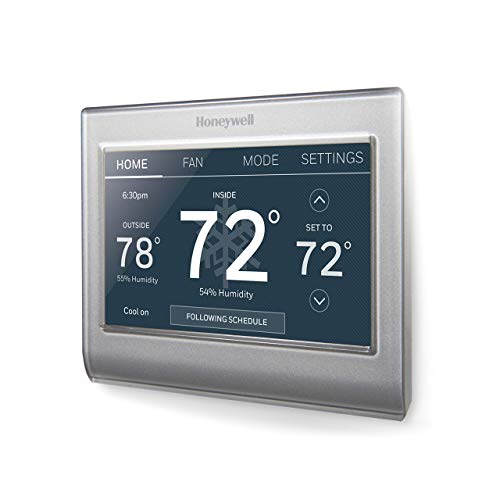
Honeywell Home RTH9585WF1004 Wi-Fi Smart Color Thermostat, 7 Day Programmable, Touch Screen, Energy Star, Alexa Ready, Gray
COMFORT COMES IN YOUR COLOR. Personalize your Wi-Fi Smart Color Programmable Thermostat to fit your décor.
As an affiliate, we earn on qualifying purchases.
As an affiliate, we earn on qualifying purchases.
Common Thermostat Setting Mistakes That Cost You Money
Many homeowners make simple thermostat setting mistakes that end up costing them money. One common issue is falling for temperature misconceptions, like believing you should set your thermostat to a very low temperature in winter or a very high one in summer to save money. These are often based on thermostat myths, such as the idea that constant adjustment improves efficiency. In reality, these practices cause your HVAC system to work harder and use more energy. Instead, aim for consistent, moderate settings that match your comfort level. Avoid the trap of thinking that more extreme settings will cut costs—this often backfires. Being aware of thermostat misconceptions can help you make smarter decisions and prevent unnecessary energy waste. Additionally, understanding the importance of home temperature balance can lead to more effective and energy-efficient thermostat use. Maintaining consistent temperature helps your system operate smoothly and saves energy over time. Achieving optimal indoor conditions can further enhance your comfort and reduce your energy bills. Embracing a balanced approach to temperature control aligns with energy conservation principles, ensuring you save money while maintaining comfort.

Govee Digital Hygrometer Indoor Thermometer Room H5075, Bluetooth Temperature Humidity Meter with 164ft Remote App Control, Notification Alerts, 2 Years Data Storage Export for Bedroom, Wine Cellar
Smart Features: The Govee Wireless Thermometer Hygrometer supports all basic functions as well as smart functions such as…
As an affiliate, we earn on qualifying purchases.
As an affiliate, we earn on qualifying purchases.
Why Incorrect Thermostat Settings Can Hurt Your Comfort and Energy Bills
Incorrect thermostat settings can substantially reduce your comfort and increase your energy bills. When your thermostat isn’t set properly, you experience temperature fluctuations that make your home feel uneven and unpredictable. These fluctuations cause your heating or cooling system to cycle more often, wasting energy and driving up costs. Additionally, poor humidity control can make indoor air feel damp or dry, further decreasing comfort. High humidity levels can make the air feel warmer and muggy, prompting you to lower the thermostat unnecessarily, which uses more energy. Conversely, low humidity can cause dry skin and respiratory issues. Proper thermostat settings help stabilize temperature and humidity levels, ensuring consistent comfort while optimizing energy efficiency. Small adjustments can prevent unnecessary cycling and improve indoor air quality. Understanding your system’s needs can help you make more informed temperature choices for optimal comfort and savings. Being aware of indoor air quality and how humidity impacts comfort is also essential for creating a healthier living environment. Paying attention to humidity levels can help you maintain a balanced and comfortable indoor climate. For example, maintaining a recommended humidity range helps prevent discomfort caused by overly dry or damp air, which is crucial for overall well-being. Regularly checking your HVAC system’s performance can ensure it operates effectively and efficiently to maintain proper indoor conditions.

Honeywell Home RTH8800WF2022, T5 WiFi Smart Thermostat, 7 Day-Programmable Touchscreen, Alexa Ready, Geofencing Technology, Energy Star, C-Wire Required
High use of the scheduling feature of the T5 thermostat saved customers between 8 and 16% on heating…
As an affiliate, we earn on qualifying purchases.
As an affiliate, we earn on qualifying purchases.
How to Find the Right Temperature for Comfort and Savings
Finding the right thermostat setting involves balancing comfort with energy savings, so you can enjoy a cozy home without overspending. The ideal temperature varies by season, so make seasonal adjustments to stay comfortable and save money. During winter, aim for around 68°F when you’re home, and lower it when you’re asleep or away. In summer, set your thermostat to about 78°F when you’re around, raising it when you’re gone. Consider this comparison:
| Season | Typical Setting | Adjustments for Savings |
|---|---|---|
| Winter | 68°F | Lower at night or when away |
| Summer | 78°F | Raise when not home |
| All Year | Comfort + Savings | Use seasonal adjustments wisely |
Personalize these settings based on your comfort and lifestyle for best results. Additionally, understanding thermal comfort can help you optimize your thermostat settings for maximum efficiency and well-being. Incorporating smart thermostat technology can further enhance energy savings by adapting to your habits and preferences. Being aware of energy consumption patterns can also guide you toward more sustainable choices in your home, especially when combined with insights from energy management systems. Utilizing personalized temperature settings can make a significant difference in achieving both comfort and savings.

For HVAC Duct Cleaning Tool, 2.5 Inch Shop Vac Attachment with Adjustable Flange for Furnace and Air Vent Cleaning(3in*9in) (Black)
Maximizes Suction with a Tight Seal:This HVAC duct cleaning tool creates a tight seal on vents, boosting your…
As an affiliate, we earn on qualifying purchases.
As an affiliate, we earn on qualifying purchases.
Smart Thermostat Features That Prevent Common Mistakes
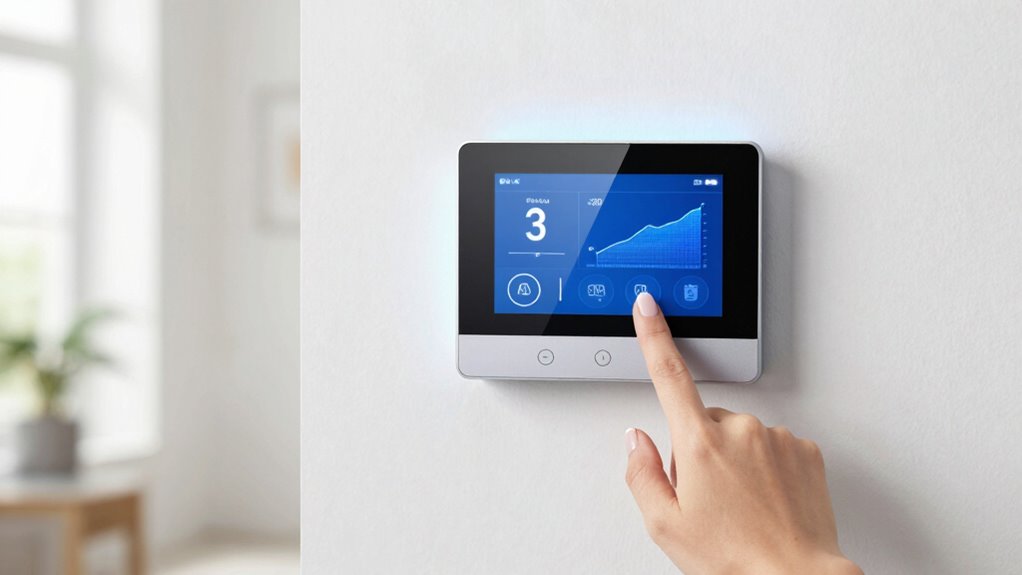
Smart thermostats come equipped with features designed to prevent common temperature-setting mistakes that can waste energy and drive up your bills. These smart features help you optimize comfort and efficiency effortlessly. For example, smart scheduling allows you to set temperature patterns based on your routine, avoiding unnecessary heating or cooling when you’re away or asleep. Geofencing technology detects your location, automatically adjusting the temperature when you leave or return home, saving energy without you thinking about it. Additional features include learning algorithms that adapt to your habits, temperature sensors for more accurate control, and customizable modes for different times of day. Incorporating energy-saving techniques can further enhance your thermostat’s efficiency and reduce costs. Understanding how smart thermostat features interact with your home’s systems can help you fine-tune your settings for maximum savings. Using advanced control strategies can optimize your system’s performance and prevent common errors. Utilizing home automation integrations can also allow you to control your thermostat remotely and monitor energy usage more effectively. Together, these tools help you avoid common mistakes like over- or under-heating, ensuring your system runs efficiently and your bills stay lower.
Easy Tips to Adjust Your Thermostat for Better Efficiency
Adjusting your thermostat to maximize efficiency doesn’t have to be complicated. Start with proper temperature calibration by setting your thermostat to the ideal comfort zone—around 68°F in winter and 78°F in summer. Use humidity control to reduce the need for higher or lower temperatures; a dehumidifier or humidifier can help maintain comfort without adjusting the thermostat. To make it easier, follow these tips:
| Tip | Benefit |
|---|---|
| Use a programmable thermostat | Save energy by adjusting temps automatically |
| Regularly calibrate | Ensure accurate temperature readings |
| Control humidity levels | Improve comfort and efficiency |
| Keep vents unblocked | Maximize airflow and temperature consistency |
Additionally, understanding the best thermostat settings can significantly impact your energy savings. These simple adjustments help you save energy while staying comfortable.
Frequently Asked Questions
How Often Should I Recalibrate My Thermostat?
You should recalibrate your thermostat at least once a year to guarantee accurate temperature readings. Regular thermostat calibration helps maintain consistent comfort and energy efficiency. If you notice your home feels too humid or too dry, check your humidity control settings and consider recalibrating more often. Proper calibration prevents temperature swings and improves humidity control, keeping your home comfortable year-round.
What’s the Ideal Temperature Setting for Energy Savings?
You should set your thermostat around 68°F in winter and 78°F in summer for energy savings. This helps reduce temperature fluctuations and keeps humidity levels comfortable. Adjustments by a couple of degrees can prevent energy waste while maintaining comfort. Using a programmable thermostat allows you to fine-tune settings based on your schedule, ensuring consistent temperature control and ideal humidity, which improves efficiency and keeps your home comfortable year-round.
Can Smart Thermostats Learn My Preferred Settings Automatically?
Yes, smart thermostats can learn your preferred settings automatically. They use learning algorithms to analyze your daily routines, adjust to your schedules, and adapt to your comfort preferences. Over time, they become more accurate, aligning temperature changes with your habits. This continuous learning process helps you save energy while maintaining comfort, making your home smarter and more personalized without you needing to manually adjust the thermostat constantly.
How Does Outdoor Weather Influence Optimal Thermostat Settings?
Outdoor weather markedly influences your thermostat settings, especially with seasonal climate changes and temperature fluctuations. When it’s colder outside, you should lower the indoor temperature slightly to save energy, while warmer weather calls for higher settings. Smart thermostats can adapt to these changes by adjusting based on outdoor temperature data, helping you maintain comfort efficiently. Keep an eye on weather forecasts to optimize your settings and save energy year-round.
Are There Specific Settings for Different Rooms or Zones?
You probably notice that some rooms feel colder or warmer than others, and that’s where zoning strategies and room-specific controls come in. By setting different temperatures for each zone, you maximize comfort and energy efficiency. For instance, you might lower the thermostat in seldom-used rooms and raise it in living areas. This approach ensures each space gets just the right climate, making your home more comfortable and saving you money.
Conclusion
By avoiding common thermostat mistakes, you can save money and stay comfortable. For example, if you set your thermostat too low in winter, your energy bills can skyrocket—just like Sarah’s did last year. Instead, try adjusting your settings gradually or using a smart thermostat’s features. Making small, smart changes can make a big difference, helping you enjoy a cozy home without breaking the bank. Start today and see the savings add up!