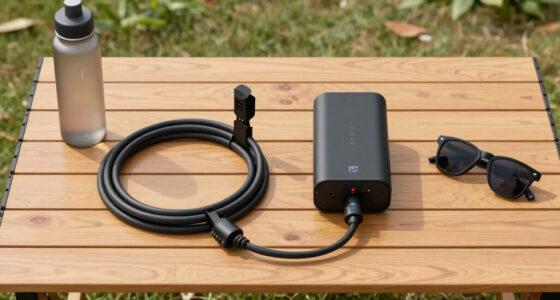
To easily track your home energy use without obsessing, start with simple tools like plug-in energy monitors or smart meters that provide real-time data. Focus on key appliances, set achievable goals, and review your usage patterns regularly. Avoid overchecking and misinterpreting data by choosing reliable devices. Small, steady changes can lead to big savings and a greener home. Keep exploring for more tips to make energy monitoring even simpler.

Get the latest gadgets delivered free — and shop member deals
- Fast, free delivery on millions of items
- Access to Prime Big Deal Days deals on October 6–7
- Prime Video, Amazon Music and more included
Key Takeaways
- Use a single, easy-to-read smart meter or energy monitor to track overall consumption without analyzing every detail.
- Set regular, brief review sessions (monthly or quarterly) to monitor trends without constant checking.
- Focus on major appliances and their usage patterns instead of obsessing over small daily fluctuations.
- Use mobile alerts or summaries to stay informed without needing continuous manual data review.
- Establish clear, achievable energy reduction goals to stay motivated without feeling overwhelmed.
As an affiliate, we earn on qualifying purchases.
Why Tracking Your Home’s Energy Use Saves Money and Protects the Environment
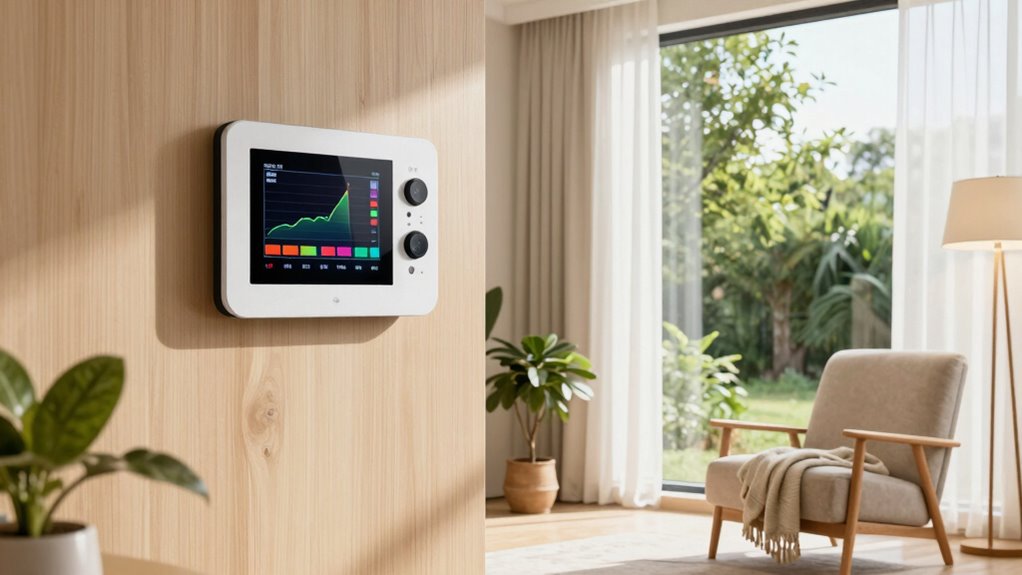
Tracking your home’s energy use helps you identify wasteful habits and areas where you can cut costs. By monitoring how much energy you consume, you’ll see the impact of switching to renewable sources and adopting energy conservation practices. Reducing unnecessary energy use not only lowers your bills but also decreases reliance on fossil fuels, protecting the environment. When you’re aware of where your energy goes, you can make smarter choices, like investing in energy-efficient appliances or adjusting usage patterns. Using simple DIY tools can make this process easier and more accurate. Additionally, understanding your energy consumption can motivate you to explore trusted local services that offer energy audits or upgrades. Recognizing the importance of home energy monitoring can further help you establish effective routines for ongoing savings. Incorporating indoor air quality awareness, such as monitoring dust and microplastics, can also influence your energy efficiency strategies. For example, being mindful of energy-related indoor pollutants can lead to better ventilation practices that reduce energy use. This awareness helps you save money over time while supporting a cleaner, more sustainable planet. Ultimately, tracking your energy use empowers you to make proactive decisions that benefit your wallet and the environment alike.
As an affiliate, we earn on qualifying purchases.
Easy Ways to Start Monitoring Your Home Energy Consumption
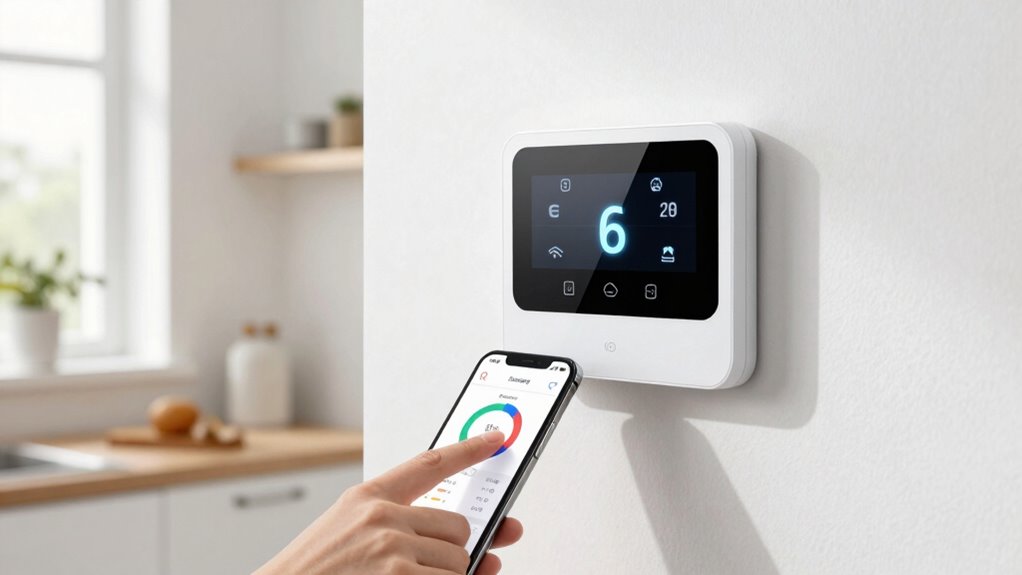
Getting started with monitoring your home’s energy use doesn’t have to be complicated. You can begin with simple, affordable energy monitoring gadgets that plug into outlets or connect to your breaker box. These devices give you real-time data on how much energy your appliances consume, making it easy to identify high-energy users. To keep things straightforward, try DIY energy tips such as turning off devices when not in use or adjusting your thermostat. Small changes add up, and tracking your progress helps you stay motivated. Additionally, integrating smart pool automation systems can help you optimize energy consumption for your pool equipment, saving you money and enhancing your pool experience. Incorporating energy-efficient upgrades can further reduce your overall consumption and costs. Understanding the contrast ratio in your home entertainment setup can also help you choose devices that use less energy while maintaining quality. You don’t need fancy equipment or technical skills—just a few basic gadgets and a willingness to observe your habits. Starting simple with energy monitoring ensures you can monitor your energy consumption without feeling overwhelmed or obsessed. Incorporating energy awareness into your daily routine can help you develop sustainable habits that benefit both your wallet and the environment.
energy consumption monitor for appliances
As an affiliate, we earn on qualifying purchases.
As an affiliate, we earn on qualifying purchases.
How Smart Meters and Apps Help You Track Your Daily Energy Use
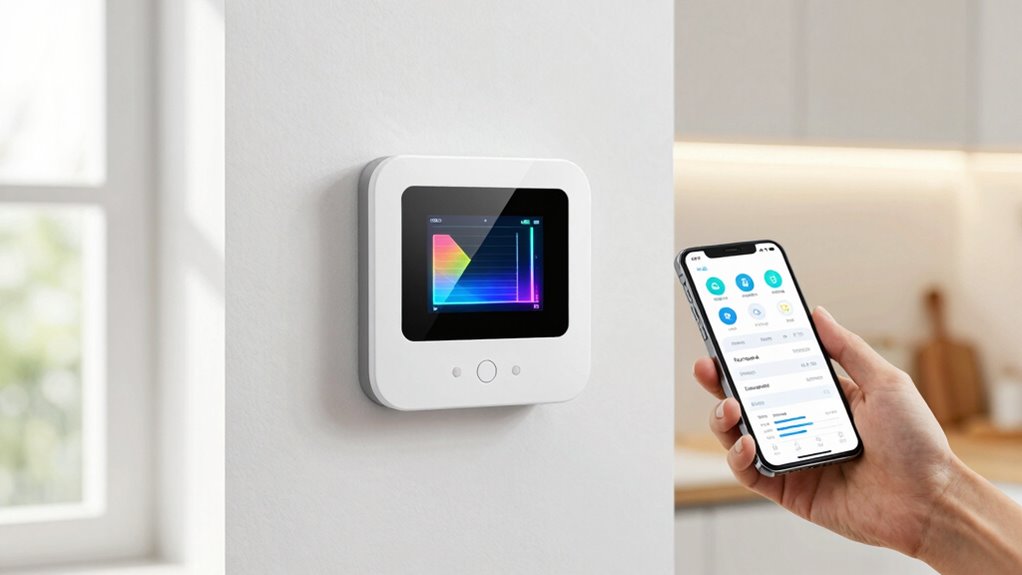
Smart meters and apps give you real-time updates on your energy use, so you can see exactly when and how much electricity you’re consuming. With easy mobile integration, you can check your usage anytime, anywhere, without hassle. Plus, they provide cost-saving insights that help you make smarter choices and lower your bills. Additionally, understanding energy consumption patterns can optimize your home’s efficiency even further. By analyzing these patterns, you can identify opportunities for energy savings and improve your overall household sustainability. Recognizing home energy efficiency practices can further enhance your energy management efforts.
Real-Time Usage Monitoring
Since smart meters are now widely available, they provide real-time data on your energy consumption, allowing you to see exactly how much electricity your home uses at any given moment. This instant feedback helps you identify high-usage periods and make smarter choices. With apps linked to your smart meter, you can:
- Track your energy use throughout the day, noticing patterns and peaks.
- Detect unusual activity that might indicate energy theft or inefficient appliances.
- Understand how dynamic pricing affects your bill, helping you shift usage to cheaper times.
- Recognize free-floating energy consumption trends that can inform long-term savings strategies. Additionally, understanding energy efficiency principles can help you optimize your home’s energy use further. Monitoring energy load in real time enables you to prevent overloads and extend your system’s lifespan. Being aware of power management techniques can further enhance your overall energy conservation efforts.
Real-time monitoring empowers you to stay informed without obsessing, encouraging mindful energy habits. By catching spikes early, you can avoid unnecessary costs and contribute to a more efficient, honest energy system.
Easy Mobile Integration
Ever wondered how your smartphone can give you instant updates on your home’s energy use? Smart meters and apps make tracking your daily consumption seamless. With just a few taps, you can see real-time data, helping you identify high-energy periods. These digital tools also support integrating solar incentives, making it easier to monitor solar panel performance and maximize benefits. If you have energy storage systems, apps can show how stored energy is utilized, giving you a complete picture of your home’s energy flow. Mobile integration keeps you informed without needing to check complicated meters or wait for monthly bills. By having access to detailed, instant info, you can make smarter choices, optimize energy use, and stay engaged with your home’s efficiency effortlessly. Additionally, understanding home energy monitoring can help you make the most of your energy systems and reduce overall consumption. Incorporating digital energy management tools can further simplify the process of tracking and controlling your energy use. Moreover, these tools often include automated alerts, so you’re notified of unusual consumption patterns without constant manual monitoring.
Cost-Saving Insights
By using smart meters and apps to monitor your daily energy consumption, you gain valuable insights into where your energy dollars go. This awareness helps you identify ways to cut costs and optimize your energy use. You might discover that shifting some energy-intensive tasks to times when renewable energy sources are abundant reduces reliance on grid power. Investing in energy storage options allows you to store excess renewable energy for later use, saving money and reducing your carbon footprint. Additionally, these tools can alert you to inefficiencies or unusual spikes in energy use, encouraging smarter habits. Energy monitoring can also help you better understand your home’s overall efficiency and identify areas for targeted upgrades. Implementing enterprise governance practices can ensure your energy data is secure and properly managed as you adopt these new technologies. Moreover, understanding energy data management principles enhances your ability to make informed decisions and maintain privacy. Regularly reviewing your energy consumption patterns can reveal trends that support more sustainable and cost-effective living. Incorporating smart home automation can further optimize your energy use by adjusting settings based on your routines and preferences.
As an affiliate, we earn on qualifying purchases.
Choosing the Best Simple Energy Monitors for Your Home
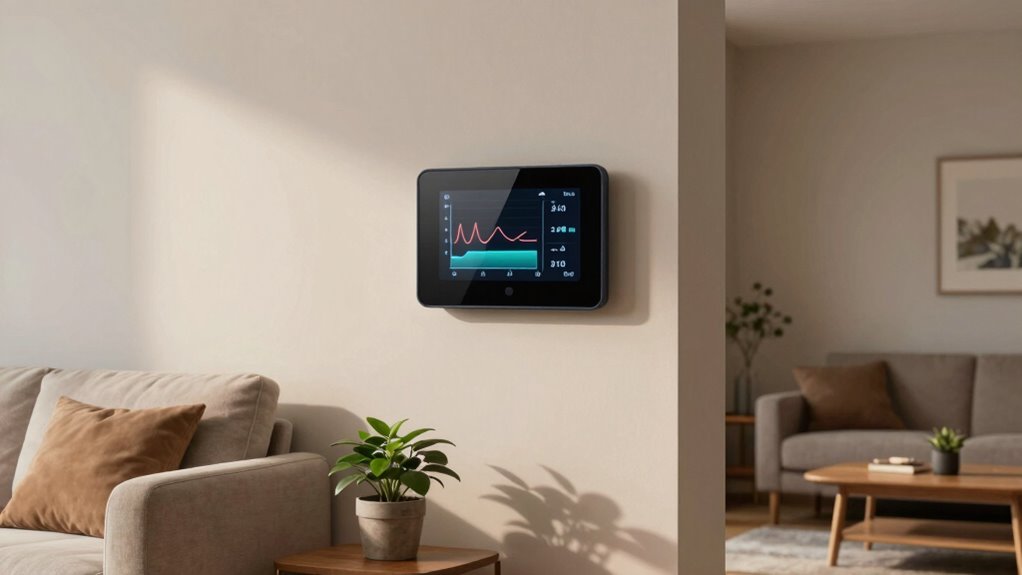
Choosing the right simple energy monitor for your home can make tracking your energy use straightforward and effective. Start by considering device compatibility with your home’s electrical system—some monitors work with standard outlets, while others require installation at the breaker panel. Look for a monitor that offers clear energy monitoring features, such as real-time data and easy-to-understand displays. Ease of setup is also important; you want a device that doesn’t require complex wiring or technical expertise. Check reviews to see how well it integrates with your existing devices and whether it offers features like mobile app access or alerts. The best monitor fits your budget, provides accurate data, and simplifies energy tracking without overwhelming you with unnecessary details. Additionally, selecting a monitor with easy installation can save you time and frustration during setup.
Identifying Which Appliances Use the Most Energy
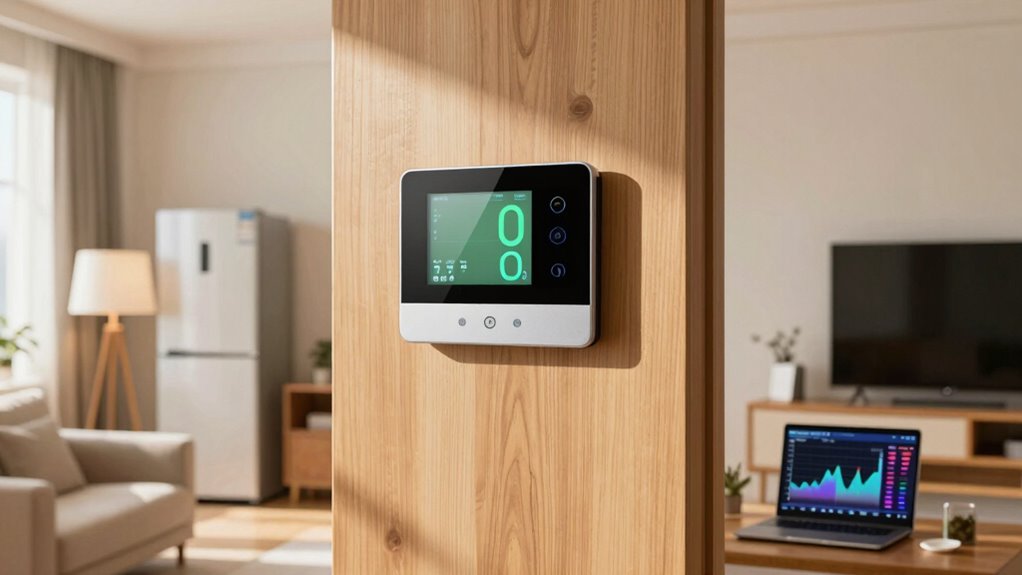
To effectively reduce your energy bills, you need to identify which appliances consume the most power. Focus on spotting energy hogs—those appliances that drain the most energy despite their size or age. By understanding appliance efficiency, you can target your efforts more effectively. Use your energy monitor to track each device’s usage over time, paying close attention to high-consumption devices. Common energy hogs include refrigerators, clothes dryers, and space heaters. You can also check labels for appliance efficiency ratings to determine if upgrading might save you money in the long run. Regularly monitoring these appliances helps you prioritize which ones to use less or replace, making your energy-saving efforts more successful and manageable.
Simple Tips to Set Realistic Energy-Saving Goals
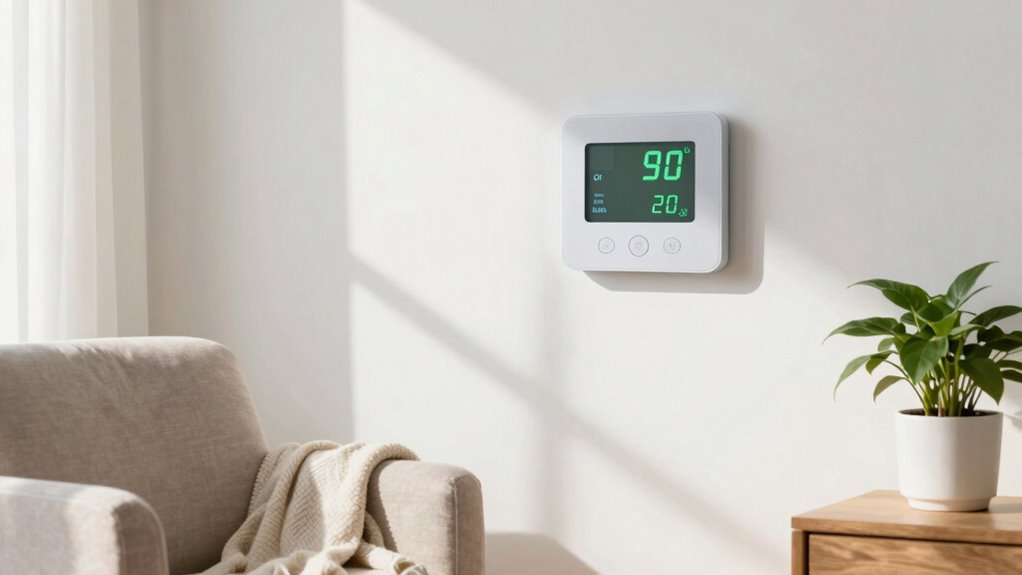
Setting realistic energy-saving goals starts with understanding your current energy use and setting achievable targets. Begin by reviewing your energy bills and tracking your consumption patterns. This helps you identify areas where you can make meaningful improvements without feeling overwhelmed. When establishing energy goals, focus on creating realistic targets that challenge you but remain attainable. For example, aiming to reduce energy use by 10% over the next three months is more practical than trying for a 50% cut instantly. Break larger goals into smaller, manageable steps. Keep in mind that steady progress is better than drastic changes that might be difficult to sustain. By setting clear, realistic targets, you’ll stay motivated and see consistent results without obsessing over every detail.
Common Mistakes to Avoid When Monitoring Your Energy
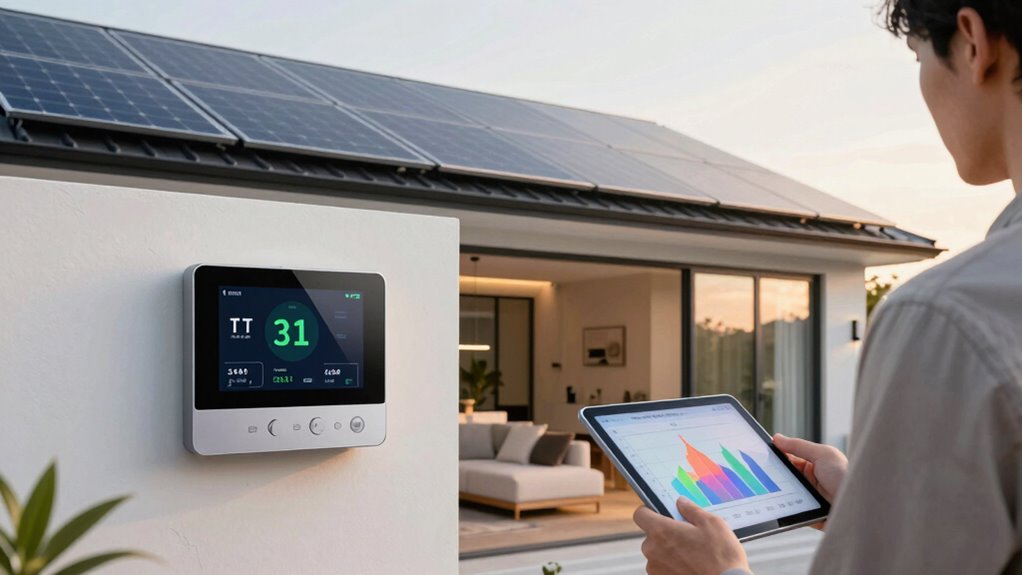
While tracking your energy use is essential for achieving your goals, many people make common mistakes that can hinder progress. Over monitoring concerns can lead you to obsess over every fluctuation, causing unnecessary stress. Inaccurate data interpretation is another pitfall, making you misjudge your energy habits or waste time chasing minor changes. To avoid these issues, keep these tips in mind:
- Don’t check energy data excessively; set a regular review schedule.
- Use reliable, calibrated tools to ensure accurate readings.
- Focus on trends over time, not daily fluctuations, to get meaningful insights.
Small Changes That Lead to Big Energy Savings
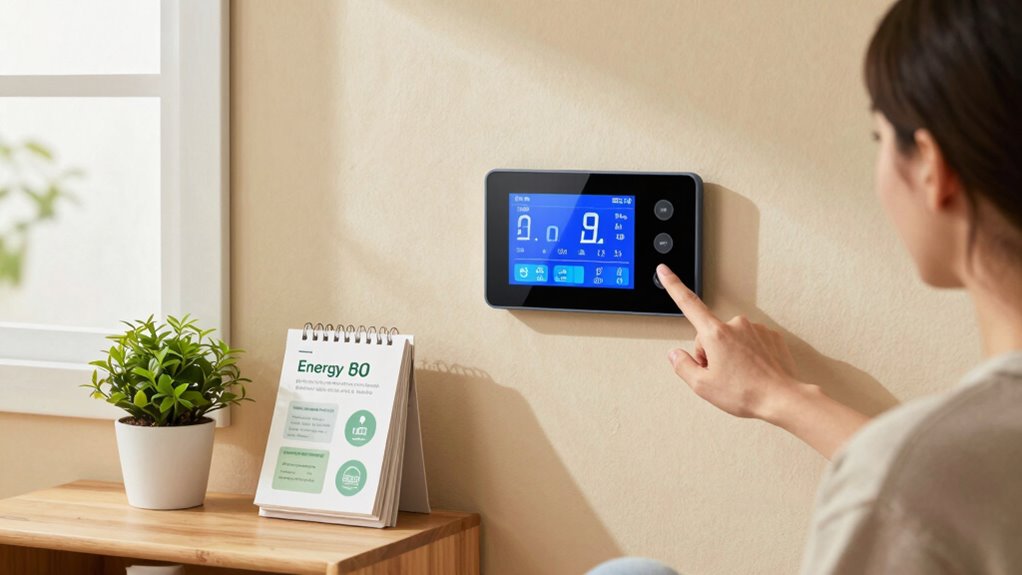
Making small changes can substantially cut your energy bills. Switching to LED bulbs, unplugging devices when not in use, and using smart thermostats are simple steps that add up. These quick adjustments can lead to big savings over time.
Switch to LED Bulbs
Switching to LED bulbs is a simple yet effective way to cut down your energy consumption. LED bulbs use markedly less energy than traditional incandescent bulbs, helping you save on electricity bills. Plus, they last much longer, reducing replacement costs. When you choose LED bulbs, you contribute to energy savings and lower your carbon footprint. To maximize benefits, replace bulbs in frequently used areas like the living room, kitchen, and hallway. Look for bulbs with higher lumens for bright spaces and choose warm or cool tones based on your preference. Remember, even small changes add up over time. By switching to LED bulbs, you take an easy step toward more efficient energy use without sacrificing brightness or comfort.
Unplug Idle Devices
Unplugging idle devices is a simple but effective way to reduce your energy consumption. Many electronics, like chargers, TVs, and gaming consoles, draw power even when they’re turned off, contributing to unnecessary energy waste. This phenomenon, known as device standby, can add up over time and increase your electricity bill. By unplugging these devices when not in use, you eliminate this hidden energy drain. Using power strips makes it easier to turn off multiple devices at once, preventing standby power from sneaking in. Not only does this save energy, but it also extends the lifespan of your electronics. Small actions like this make a big difference, helping you cut costs and reduce your environmental impact without much effort.
Use Smart Thermostats
Using a smart thermostat can substantially cut your energy bills by optimizing your home’s heating and cooling. With advanced energy saving techniques, these devices adapt to your schedule and preferences, ensuring comfort without waste. Features like geofencing, learning algorithms, and programmable schedules make it easy to reduce unnecessary energy use. You can:
- Set personalized temperature schedules for different times of day
- Enable geofencing to adjust settings when you’re away
- Use learning algorithms that automatically optimize based on your habits
When to Consider a Professional Home Energy Audit
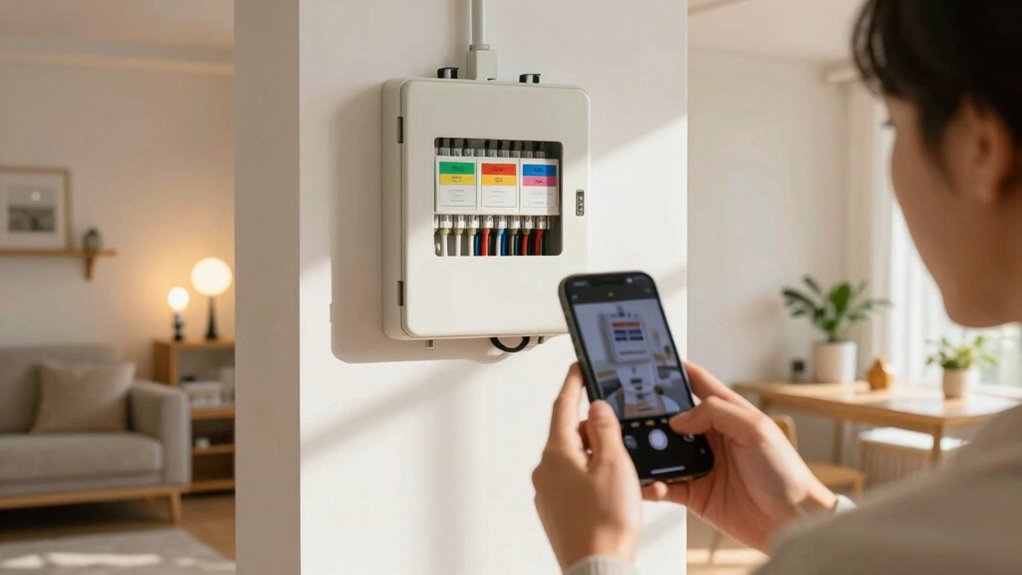
Sometimes, your home’s energy bills remain unexpectedly high despite your efforts to reduce usage. If you’ve already upgraded your windows and improved home insulation but still face high costs, it might be time to consider a professional home energy audit. An expert can identify hidden issues like leaks, poor insulation, or inefficient HVAC systems you might overlook. They use specialized tools to detect air leaks and insulation gaps, providing a clear picture of your home’s energy performance. This detailed assessment helps you target the most effective improvements, saving you money in the long run. If your energy bills stay stubbornly high despite basic steps, scheduling a professional home energy audit is a smart move toward achieving greater efficiency and comfort.
Frequently Asked Questions
How Often Should I Check My Home Energy Usage?
You should check your energy consumption at least once a month to stay informed and identify patterns. Regular monitoring frequency helps you catch spikes or inefficiencies early, allowing you to adapt habits or upgrade appliances. If you have a smart meter or energy monitor, you can check more often, even weekly, without hassle. Consistent tracking ensures you’re aware of your home’s energy use while avoiding unnecessary obsession.
Can Energy Monitors Work Without Wi-Fi?
Think of energy monitors as your home’s pulse, but can they beat without Wi-Fi? Yes, some models work without it, relying on wireless compatibility and local installation requirements. They capture data directly from your electrical system, like a secret agent gathering intel offline. Just make certain your chosen monitor supports standalone operation and meets installation needs. With these, you stay in control, even when your Wi-Fi takes a coffee break.
Are There Privacy Concerns With Smart Meters?
Yes, there are privacy concerns with smart meters. They collect detailed data about your energy usage, which raises questions about data security and who can access this information. You should be aware that hackers could potentially access your data or misuse it. To protect yourself, verify your utility company follows strict data security measures, and consider asking how they safeguard your privacy before installing a smart meter.
How Long Does It Take to See Energy Savings?
Think of your energy savings timeline as a seed that takes time to sprout. Usually, you start noticing savings within a few billing cycles, around 1 to 3 months, depending on your monitoring frequency and changes you make. Regularly checking your energy use helps you stay on track and see results faster. Be patient—consistent effort and smart adjustments will turn your efforts into tangible savings over time.
Do Energy Monitors Require Professional Installation?
Most energy monitors don’t require professional installation; they’re designed for easy setup, often fitting directly into your home’s existing outlets or wiring. You should check the installation requirements to guarantee compatibility with your electrical system. Device compatibility varies, so confirm that the monitor works with your specific appliances or circuit type. With clear instructions, you can usually install these monitors yourself and start tracking energy use right away.
Conclusion
Tracking your home energy use is like shining a light in a dark room—you’ll quickly see where to save and make smarter choices. By starting small and staying consistent, you’ll cut costs and help the environment without feeling overwhelmed. Remember, even tiny changes can snowball into big savings. Keep your eye on the prize, and soon, managing your energy will feel as natural as breathing—easy, effective, and empowering.
Halloween Picks
halloween
As an affiliate, we earn on qualifying purchases.