There’s no such thing as a perfect sitting posture, and aiming for one can actually cause more harm. Your body is naturally flexible and needs movement, not rigid positions. Focus instead on comfortable, natural postures, and avoid myths like always sitting straight or shoulders back. Using ergonomic tools helps, but real comfort comes from listening to your body and making regular adjustments. Keep exploring how to sit smarter without stressing over perfection.
Key Takeaways
- There is no universally “perfect” sitting posture; it varies based on individual body and activity.
- Rigidly holding a “perfect” posture can cause tension and discomfort, as the body is naturally adaptable.
- Movement and variation in sitting positions are more beneficial than maintaining one fixed, ideal posture.
- Ergonomic accessories support good posture but are ineffective without proper habits and active adjustments.
- Listening to your body’s signals and prioritizing comfort and flexibility promote long-term musculoskeletal health.
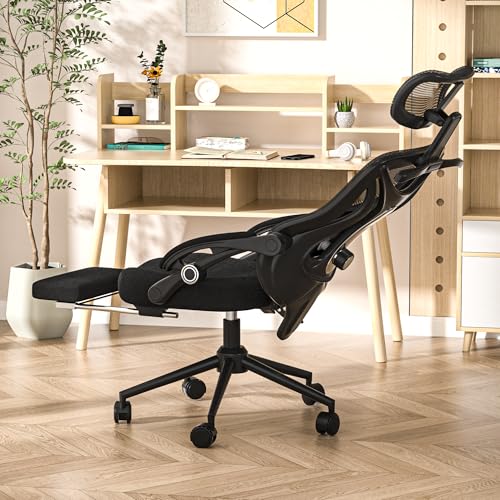
Ergonomic Office Chair with Footrest – Adjustable Lumbar Support & Headrest, 90-160° Reclining Mesh Back Computer Chair – Home Office/Gaming, 350lbs Capacity (SGS Certified)
This is more than a chair; it's a personalized comfort zone for work, rest, and play. We've meticulously…
As an affiliate, we earn on qualifying purchases.
As an affiliate, we earn on qualifying purchases.
What Is Good Sitting Posture and Why Does It Matter?

Good sitting posture is essential because it helps prevent discomfort and long-term health problems. To achieve this, consider using ergonomic accessories like adjustable chairs, lumbar supports, and footrests that promote proper alignment. These tools help keep your spine in a natural position and reduce strain on muscles and joints. Incorporating simple posture exercises into your daily routine can also strengthen your back and core muscles, making maintaining good posture easier. Remember to sit with your feet flat on the floor, knees at a 90-degree angle, and shoulders relaxed. Avoid slouching or leaning forward. Using ergonomic accessories correctly can significantly improve your sitting habits and overall comfort. Additionally, understanding musculoskeletal issues can help you identify signs of poor posture early and take steps to correct them. Being aware of posture-related discomfort can motivate you to adopt better habits before problems develop. Maintaining awareness of proper spinal alignment is crucial for long-term health. By combining ergonomic accessories with regular posture exercises, you actively support your health and reduce the risk of developing chronic pain or musculoskeletal issues over time. Incorporating posture awareness techniques into your daily routine can further enhance your overall well-being.

Lumbar Support Pillow for Office Chair, Office Home Essentials,Gifts for Mom,Dad, Back Support Pillow for Car, Chair Cushions,Back Pain Relief Improve Posture,Mesh Cover Double Adjustable Straps
For convenience and durability, we upgraded and lengthened the straps to fit more chairs instead of adding extra…
As an affiliate, we earn on qualifying purchases.
As an affiliate, we earn on qualifying purchases.
Top Posture Myths That Could Mislead You
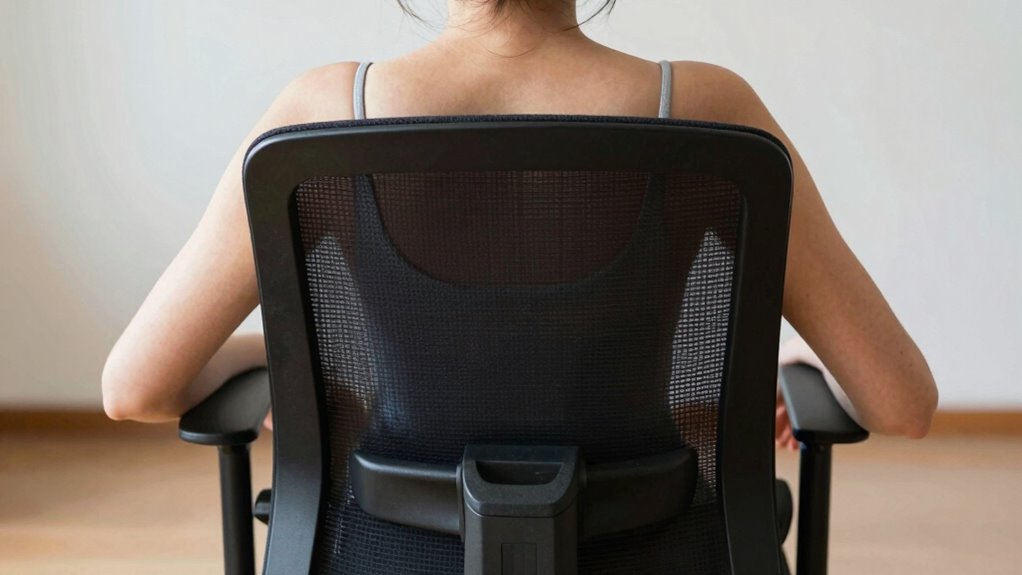
Many people believe there’s a perfect posture they must maintain, but that’s a myth. Misunderstandings about what good posture really is can lead you astray, especially since everyone’s body is different. Remember, posture isn’t one-size-fits-all, so don’t get stuck chasing an impossible ideal. Recognizing that free floating posture allows for natural movement can help you adopt a healthier approach. Understanding the importance of individual differences ensures you don’t pursue a rigid standard that may not suit your unique body structure. Being aware of passive voice use in descriptions can also help you communicate more clearly and confidently about posture. Additionally, embracing dynamic posture encourages a more flexible and realistic view of healthy movement. Incorporating personalized approaches based on your body’s needs can further improve your posture and overall well-being.
Myth: Perfect Posture Exists
Despite popular belief, perfect posture doesn’t exist as a single, ideal position. Your body is naturally adaptable, and rigidly aiming for perfection can cause unnecessary stress. Instead, focus on using ergonomic design principles to support comfort and function. Good posture involves subtle adjustments based on your activity and environment. Remember, posture education helps you understand your body’s needs rather than chasing an unattainable ideal. Recognize that:
- Flexibility and movement are more important than holding one “perfect” position
- Different tasks require different postural adjustments
- Proper ergonomic setup prevents strain and discomfort
- Listening to your body helps maintain a healthy, sustainable posture
- Incorporating performance parts like adjustable support features can enhance comfort and reduce strain during prolonged activities
- Being aware of body mechanics can help prevent injury and improve overall comfort
- Staying attentive to body signals allows you to adapt your posture proactively and avoid unnecessary tension
- Emphasizing movement variability encourages a dynamic approach that supports overall musculoskeletal health
- Understanding posture dynamics is essential for developing habits that promote long-term well-being.
Common Misconceptions Persist
While it’s common to believe there’s a single perfect way to sit or stand, these misconceptions can actually do more harm than good. Many people think that using ergonomic accessories alone will fix poor posture, but that’s not true. Relying solely on gadgets without addressing underlying habits can lead to complacency. Likewise, some believe that doing posture exercises guarantees perfect alignment, but without consistency and proper technique, they won’t be effective. The reality is that posture is dynamic and personalized; no one-size-fits-all solution exists. Misconceptions like these can prevent you from adopting balanced habits. Instead, focus on integrating ergonomic accessories comfortably and practicing regular posture exercises tailored to your needs. This balanced approach helps promote healthier, sustainable habits. Additionally, understanding the importance of posture awareness can help you make more informed choices in your daily routines. Recognizing that customized solutions are often more effective than generic advice can further improve your posture over time. Remember, ergonomic accessories are most beneficial when used as part of an overall posture strategy rather than a standalone fix. Moreover, cultivating spinal alignment through mindful adjustments can significantly enhance posture health in the long run. Incorporating individualized approaches into your routine ensures that your posture care is both effective and sustainable.
Posture Isn’t One-Size-Fits-All
The idea that there is a single perfect posture for everyone is a common myth that can lead to confusion and frustration. In reality, your ideal posture varies based on your body, activity, and comfort. Relying solely on ergonomic accessories or strict posture correction can be counterproductive. Instead, focus on movement and adjustments that feel natural for you. Keep in mind:
- Your posture should support your unique body shape
- Flexibility and variation are key to avoiding strain
- No single position is forever ideal; change regularly
- Listen to your body’s signals rather than chasing “perfect” alignment
This personalized approach helps prevent discomfort and promotes overall health, rather than forcing a one-size-fits-all posture that may not suit your needs.

CasaZenith Foot Rest for Under Desk at Work – Ergonomic Foot Stools for Under Office Desk – Rocking Footrest with Roller Massager – Leg Rest for Chair, Computer Gaming – Promote Leg Circulation
Ergonomic Office footrest: Our footstools under the table provide all-day comfort. Foot area surface measuring 13" by 9.6"….
As an affiliate, we earn on qualifying purchases.
As an affiliate, we earn on qualifying purchases.
Is a Straight Back Always the Best Goal?
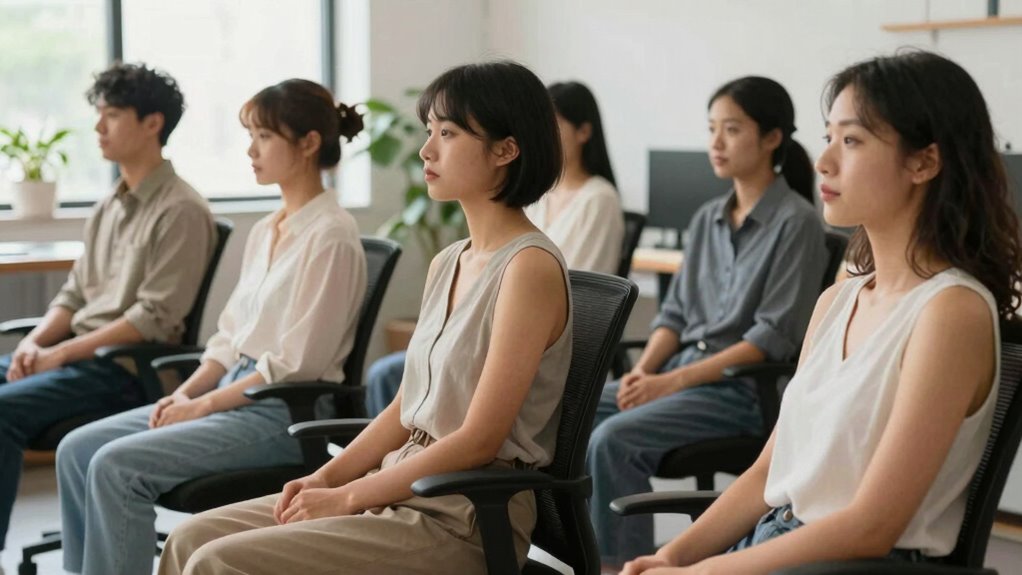
A straight back is often seen as the ideal posture, but it’s not always the best goal for everyone. Aiming for a perfectly erect spine can cause tension and discomfort, especially if it doesn’t match your natural alignment. Instead, focus on finding a comfortable position that supports your body’s unique shape. Ergonomic accessories, like adjustable chairs and lumbar supports, can help maintain good posture without forcing a rigid back. Incorporate posture exercises into your routine to strengthen muscles and improve flexibility, reducing strain. Remember, the goal isn’t to achieve perfection but to stay comfortable and avoid long-term issues. Proper sitting habits are essential for preventing discomfort and promoting long-term well-being. A relaxed, supported posture often beats an overly rigid one, making your sitting habits more sustainable and less stressful. Additionally, understanding ergonomic principles can help you create a workspace that encourages healthier sitting postures. For a touch of luxury, consider premium ergonomic products that combine comfort with elegant design to enhance your workspace. Emphasizing body awareness can further help you adapt your posture to your individual needs, ensuring better comfort throughout your day. Incorporating personalized ergonomic solutions tailored to your specific needs can significantly improve your sitting experience and overall health.

Pain-Free Posture Handbook: 40 Dynamic Easy Exercises to Look and Feel Your Best
As an affiliate, we earn on qualifying purchases.
As an affiliate, we earn on qualifying purchases.
Should You Tuck Your Chin to Improve Your Posture?

Should you tuck your chin to improve your posture? Not necessarily. A chin tuck can help align your head properly, reducing strain on neck muscles and improving overall head alignment. However, overdoing it may cause discomfort or create tension. Instead of forcing your chin down, focus on a natural, relaxed position that keeps your head balanced over your shoulders. Consider these tips:
- Perform gentle chin tucks to promote proper head alignment
- Avoid excessive tucking that causes strain
- Maintain a neutral neck position, not overly extended or flexed
- Use ergonomic setups to support proper posture throughout the day
- Be mindful of posture myths that suggest one-size-fits-all solutions, and tailor your approach for comfort and effectiveness
Are Shoulders Back Always Better for Your Spine?
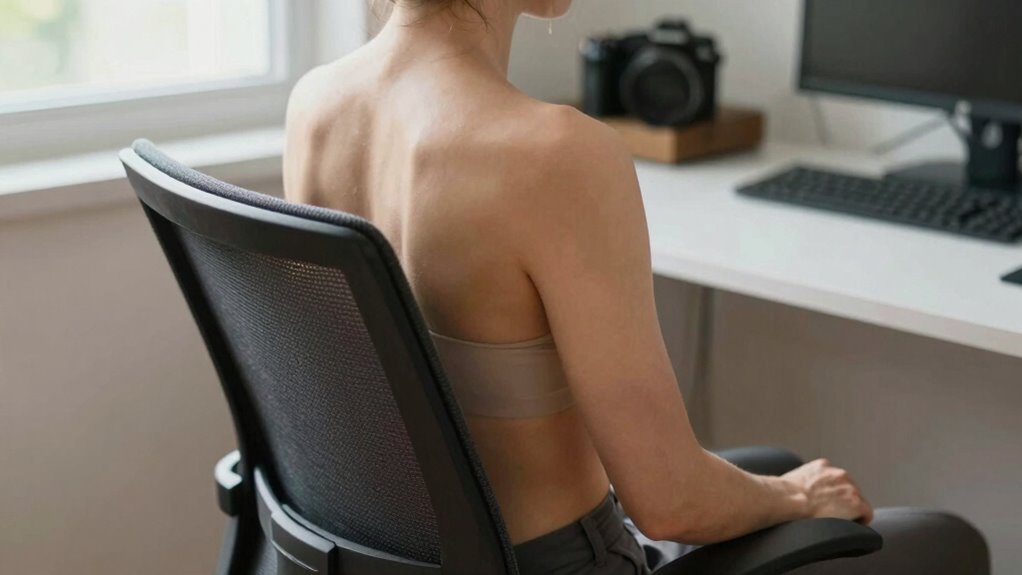
You might think keeping your shoulders back is always good, but that’s not necessarily true. Sometimes, forcing your shoulders into a perfect position can affect your spinal alignment negatively. Let’s explore whether shoulders back are truly necessary or if they can sometimes do more harm than good.
Shoulders Back: Necessary or Not?
While many believe that keeping your shoulders back automatically benefits your spine, this isn’t always the case. Forcing shoulders into a rigid position can cause tension and discomfort. Instead, focus on posture awareness and listen to your body’s signals. Using ergonomic accessories, like supportive chairs, can help maintain natural alignment without overcorrecting. Remember, shoulder position should be relaxed and natural, not stiff. Prioritizing comfort and movement prevents strain and promotes healthier posture habits. Here are some tips:
- Avoid holding shoulders in an overly tense position
- Use ergonomic accessories to support proper alignment
- Maintain awareness of your body’s signals
- Incorporate regular movement to ease tension
Good posture isn’t about perfection; it’s about balance and comfort.
Impact on Spinal Alignment
Although pulling your shoulders back might seem like the best way to support spinal health, it doesn’t always lead to ideal posture alignment. Overemphasizing shoulder retraction can cause unnecessary tension in your neck and upper back, disrupting your spine’s natural curves. Proper spinal health depends on a balanced posture that maintains the spine’s natural alignment without forcing shoulders into an unnatural position. Instead of focusing on shoulders back at all costs, aim for a relaxed, neutral position where your shoulders are aligned with your hips. This promotes better posture alignment and reduces strain. Remember, a healthy spine isn’t about perfection but about maintaining comfort and natural movement throughout your day. Proper posture should support your body’s natural biomechanics, not distort them.
Do Ergonomic Chairs or Moving More Make the Biggest Difference?
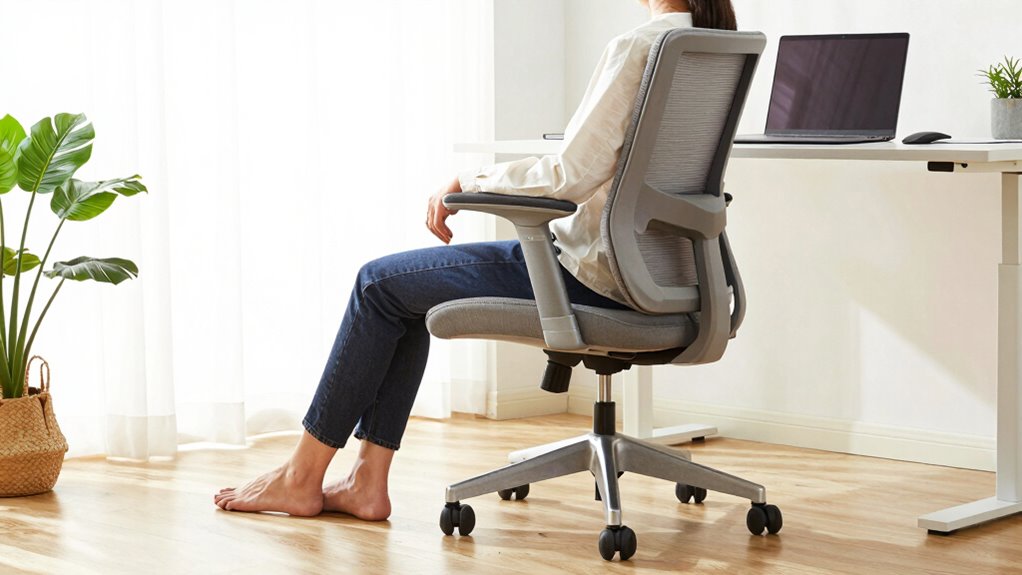
Is investing in an ergonomic chair more effective than simply moving around more during the day? The truth is, both matter. An ergonomic design can support good posture, but it’s not a magic fix if your movement habits are poor. Moving regularly helps reduce muscle stiffness and boost circulation, which are essential for spinal health. Relying solely on an ergonomic chair might give a false sense of security, leading you to stay still too long. To make the biggest difference, combine a well-designed chair with frequent movement. Consider these tips:
- Take short breaks to stretch every 30 minutes
- Switch between sitting and standing throughout the day
- Incorporate regular walks or light activity
- Practice mindful posture adjustments
Balancing ergonomic support with active habits is your best bet.
How Comfort Affects Your Ability to Maintain Good Posture
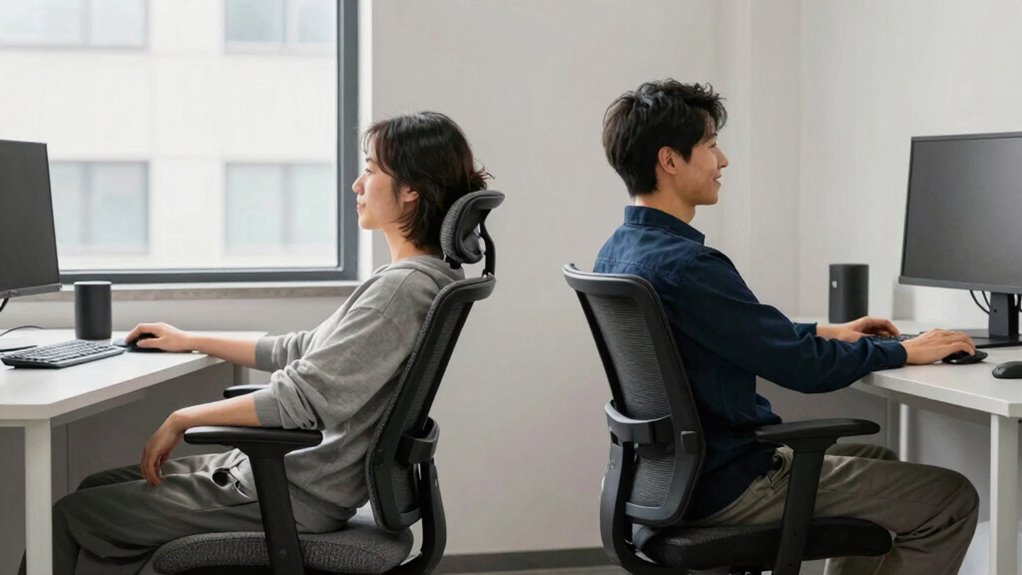
Comfort plays a crucial role in your ability to maintain good posture throughout the day. When your workspace includes ergonomic accessories, you’re more likely to sit correctly without discomfort that causes slouching or strain. If your chair, keyboard, or monitor aren’t comfortable, you might unconsciously shift into poor positions, making it harder to stay aligned. Incorporating regular posture exercises can also enhance your comfort by strengthening supporting muscles, reducing fatigue, and promoting better movement habits. When you feel physically comfortable, you’re more motivated to maintain proper alignment and avoid slouching. Prioritizing comfort with ergonomic accessories and consistent posture exercises helps you sustain good posture longer, preventing discomfort and long-term issues. Overall, comfort directly influences your ability to sit correctly throughout your busy day.
Recognizing and Correcting Common Posture Myths in Daily Life
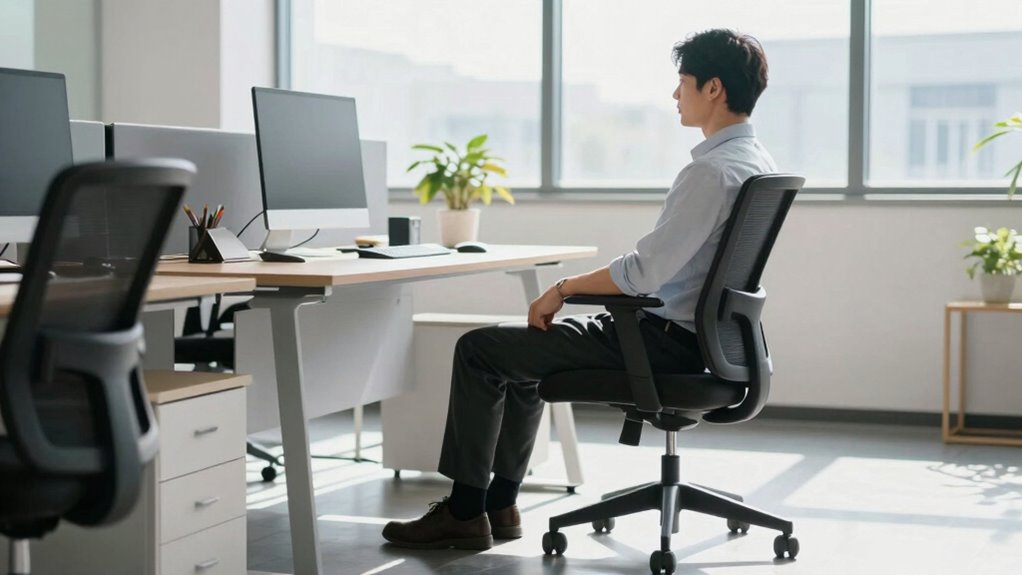
Many common posture myths persist because they seem logical or are widely accepted, but believing them can lead to poor habits and discomfort. To recognize and correct these myths, stay critical of advice that claims perfect posture exists. Instead, focus on practical adjustments, such as using ergonomic accessories to support natural alignment. Incorporate simple posture exercises into your daily routine to strengthen muscles and promote awareness. Be cautious of myths like “sitting straight is always best” or “you must keep your shoulders back at all times.” Instead, aim for comfort and variation. Remember, good posture isn’t about perfection but about movement and balance. By questioning these myths, you can develop healthier habits that prevent strain and enhance comfort.
Practical Tips for Sitting Comfortably Without Stressing Over Perfection

While it’s helpful to recognize common posture myths, maintaining comfort while sitting is equally important. Focus on creating an ergonomic setup by using accessories like lumbar supports or adjustable chairs to reduce strain. Instead of stressing over perfect posture, incorporate simple stretching routines throughout your day to loosen tight muscles and improve circulation. Take short breaks every 30 minutes to stand, move, or stretch, helping prevent stiffness and discomfort. Pay attention to how your body feels; comfort is key, not perfection. Adjust your workspace as needed to minimize tension, and trust that small, consistent changes make a big difference. Prioritizing practicality over perfection allows you to sit more comfortably and avoid unnecessary stress.
Frequently Asked Questions
Can Poor Posture Cause Long-Term Health Problems?
Yes, poor posture can cause long-term health problems. When you neglect proper spinal alignment, it strains your muscles and joints, leading to chronic pain and discomfort. Using ergonomic furniture helps support your spine, maintaining good posture and preventing issues like back and neck pain. Regularly practicing correct sitting habits can protect your long-term health, reduce the risk of injury, and keep your body functioning at its best.
Is Standing Better Than Sitting for Posture?
Think of your posture as a balancing act—you don’t want to tip too far in either direction. Standing can be better than sitting if you switch often, especially with ergonomic chairs and standing desks. They help maintain alignment and reduce strain. But, standing all day isn’t ideal either. The key is to alternate, keep moving, and adjust your workspace to support your body’s natural rhythm.
How Often Should I Change My Sitting Position?
You should change your sitting position every 30 to 60 minutes to prevent strain. Incorporate sitting breaks and use ergonomic chairs to support your posture. Adjust your chair, desk, and equipment regularly to stay comfortable and avoid stiffness. Taking short breaks helps reduce pressure on your back and neck, keeping you more comfortable and productive throughout the day. Remember, consistent movement is key for healthy sitting habits.
Do Posture Myths Vary Across Different Cultures?
Cultural beliefs definitely influence posture standards, making myths vary across societies. You might find that what’s considered good posture in one culture isn’t the same in another. For instance, some cultures emphasize upright sitting, while others value relaxed positions. These differences highlight that posture myths aren’t universal; they’re shaped by cultural attitudes and beliefs. So, don’t be surprised if your posture advice doesn’t align with someone else’s cultural standards.
Can Specific Exercises Improve Overall Posture Effectively?
Yes, specific exercises can improve your overall posture effectively. Incorporate stretching routines to loosen tight muscles and strengthen key areas, and use ergonomic tools like supportive chairs and adjustable desks to maintain proper alignment. Regularly practicing these exercises and making ergonomic adjustments helps reduce strain, enhance comfort, and promote better posture over time. Consistency is key to seeing long-term improvements in your sitting habits and spinal health.
Conclusion
Remember, aiming for perfect posture is like chasing a mirage—it’s more about balance than perfection. Focus on listening to your body’s signals, move frequently, and find comfort in your position. Don’t let myths turn your daily sitting into a tightrope walk. Instead, embrace practicality and self-awareness, letting good posture be a steady ship guiding you, not a storm to fear. Your spine will thank you for sailing smoothly, not perfectly.